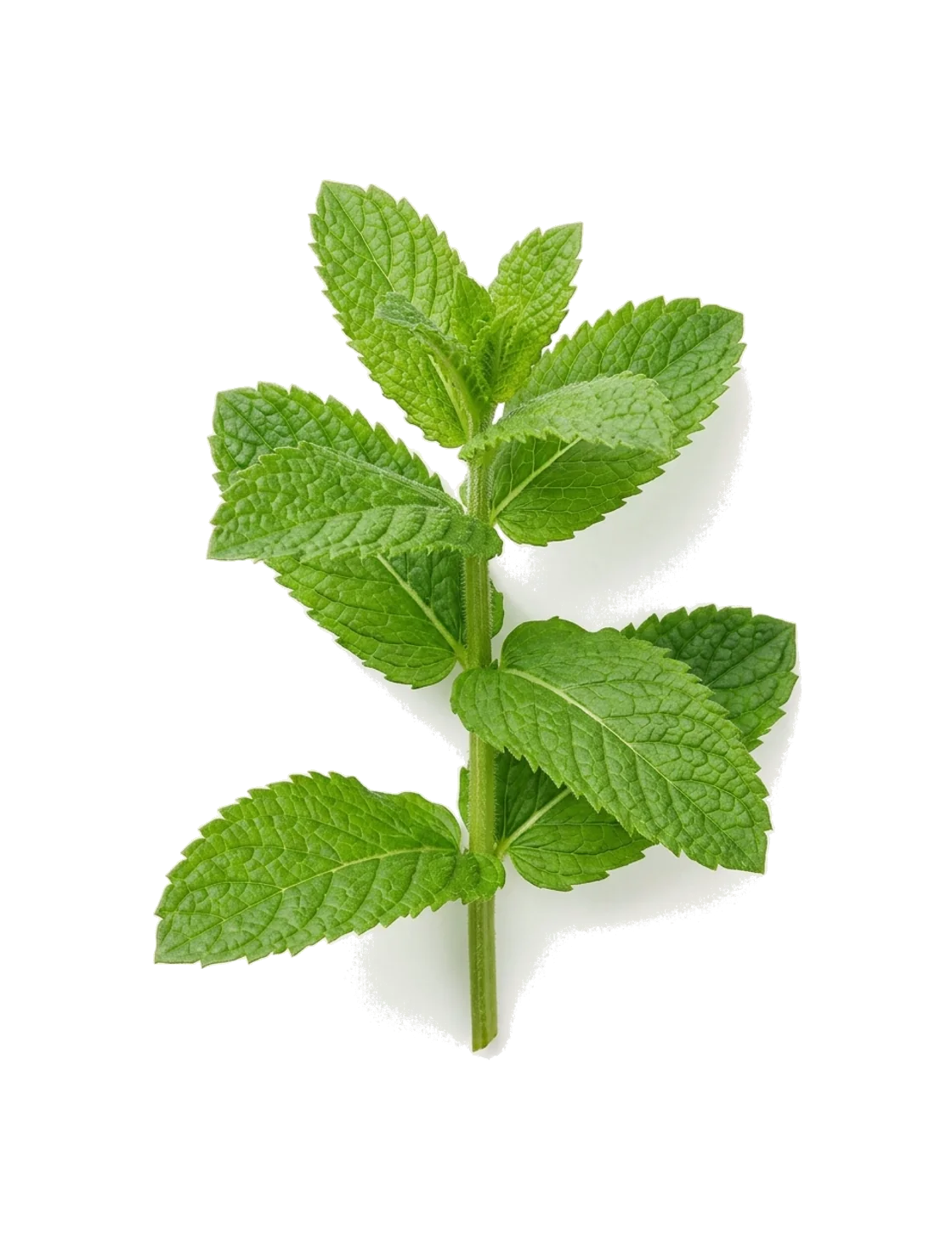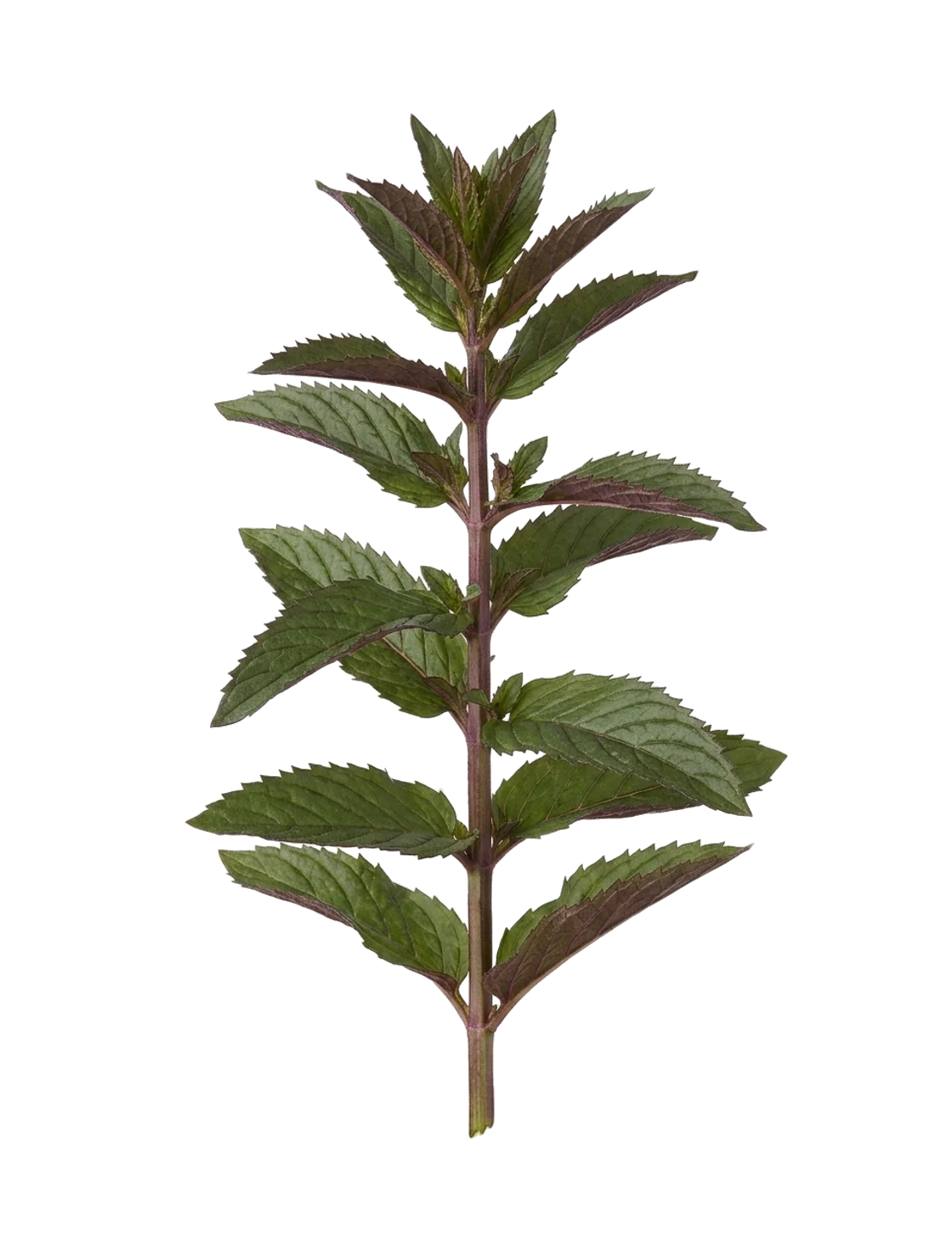
Peppermint (Mentha × piperita) is a vigorous perennial herb prized for its fresh, intense, slightly peppery scent and its cool-tasting leaves. It belongs to the Lamiaceae family and forms dense stands of square stems with toothed leaves and spikes of small lilac flowers. It is one of the easiest herbs for pots, since a single plant quickly fills its container with aromatic shoots.
It is a natural hybrid between watermint and spearmint, originating in Europe and temperate Asia and now grown worldwide. Being sterile, every true peppermint plant comes from vegetative multiplication, which keeps its aroma stable. Its roaming runners explain both its generosity and its reputation for invading beds when planted in open soil.
Leaves are picked from spring to autumn, with the strongest scent just before flowering, and frequent cutting keeps the clump young and leafy. Growing it in its own pot, watering steadily and shearing it back in midsummer prevents woody stems and pale leaves. With contained roots and regular harvest, peppermint stays productive and fragrant for many years.
Did you know?Peppermint is a natural hybrid of watermint and spearmint, and it spreads fast through underground runners.
Care. What it needs, point by point.
- Watering
- 2–3× a weekKeep the soil evenly moist, watering two or three times a week in summer. Peppermint loves moisture but not stagnant water, so pots must drain freely. A light mulch keeps roots cool and reduces watering needs.
- Light
- Full sunIt grows well in full sun in cool climates and in partial shade in warm ones. Good light keeps stems compact and aromatic.
- Temperature
- 15–25 °C ideal temperatureIt grows best between 15 and 25 °C and tolerates winter cold once dormant. Strong summer heat slows aroma, so afternoon shade helps in hot regions.
- Soil
- pH 6.0–7.5It wants fertile, loose, moisture-retentive soil rich in organic matter, with pH between 6.0 and 7.5. In pots, use wide containers with herb mix and a drainage layer.
- Fertilizer
- Peppermint needs little fertilizer. A yearly dressing of compost in spring is enough; rich feeding gives soft growth with less essential oil.
- Pruning
- Cut stems often and shear the clump back by half in midsummer to renew tender growth. Remove flower spikes to extend leaf production.
- Propagation
- Peppermint is a sterile hybrid, so it is multiplied by division, runners or cuttings, never reliably by seed. Divide crowded pots every one or two years in spring.
Where it grows. In the wild and in homes.
In the wild it grows in Europe and temperate Asia, in a temperate climate.
People have also taken it to 99 more regions where it now grows on its own: North America, South and Central America and the Caribbean, Africa, and Europe.
Range: Plants of the World Online, Royal Botanic Gardens, Kew
Is Peppermint toxic to cats and dogs?
Toxic to cats and dogs.

Cats
Toxic

Dogs
Toxic
Usual signs
Vomiting and diarrhea when ingested in large quantities.
If your pet has chewed it and shows symptoms, call your vet or the nearest emergency vet.
Source · ASPCA Animal Poison Control
Common problems What tends to go wrong.
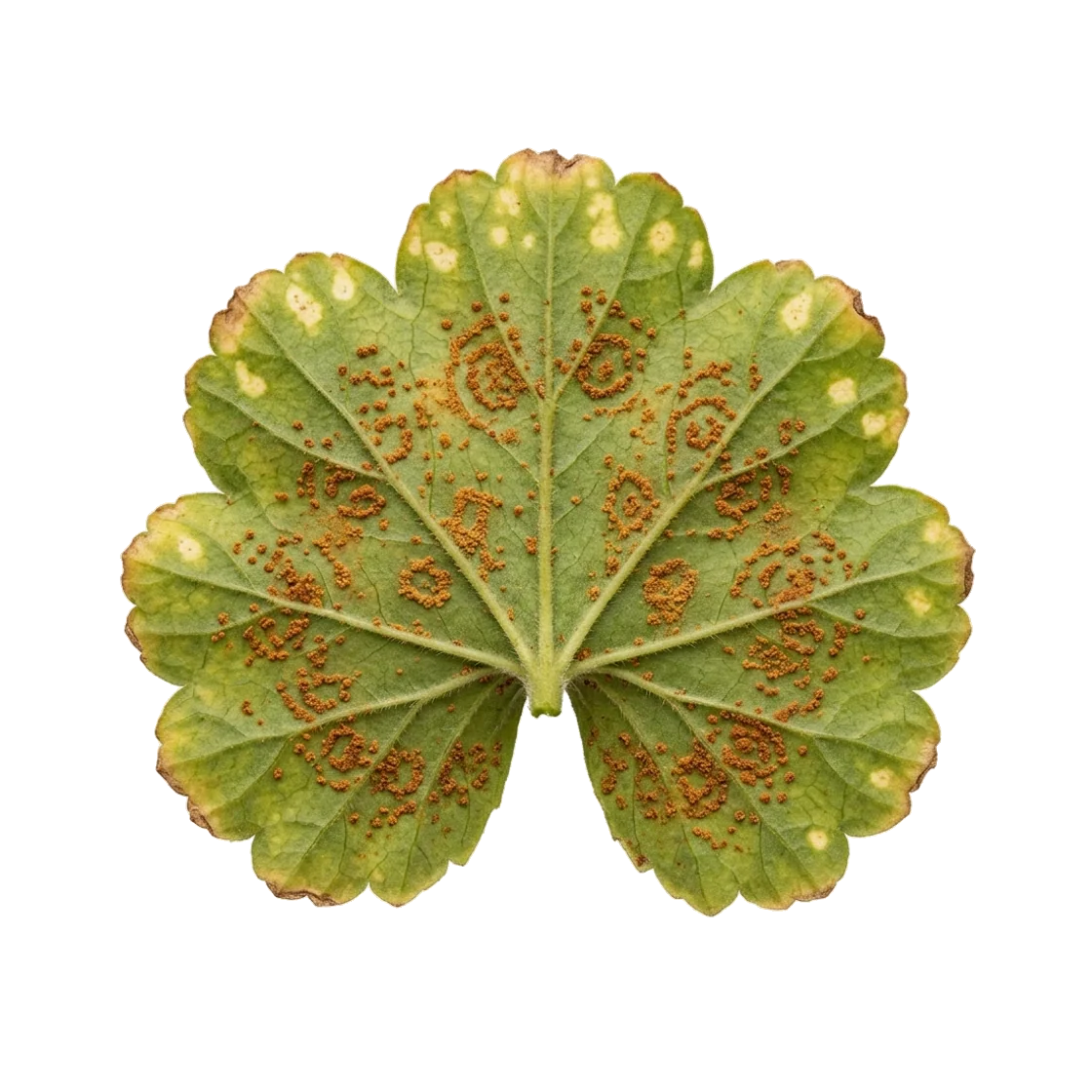
- Rust
- Aphids
- Spider mites


Frequently asked questions What people ask most.
How often should I water peppermint?
Water two or three times a week in summer, keeping the mix evenly moist but drained. In pots, check daily during heatwaves, since small containers dry out fast.
Why is my peppermint taking over the garden?
Its underground runners spread quickly in moist fertile soil. Grow it in its own pot or a buried bottomless container, and pull out stray runners in spring.
Why does my peppermint look leggy and pale?
Leggy pale growth usually means deep shade, old woody stems, or a pot-bound clump. Move to brighter light, shear back by half, and divide crowded roots in spring.
How do I harvest peppermint for the best flavor?
Cut tender stems in the morning from spring to autumn, just before flowers open. Frequent picking of shoot tips keeps new aromatic leaves coming for months.
Can I grow peppermint indoors?
Yes, on a bright windowsill with several hours of sun and steady watering. Pinch shoot tips often to keep it bushy and move it outside when weather is mild.