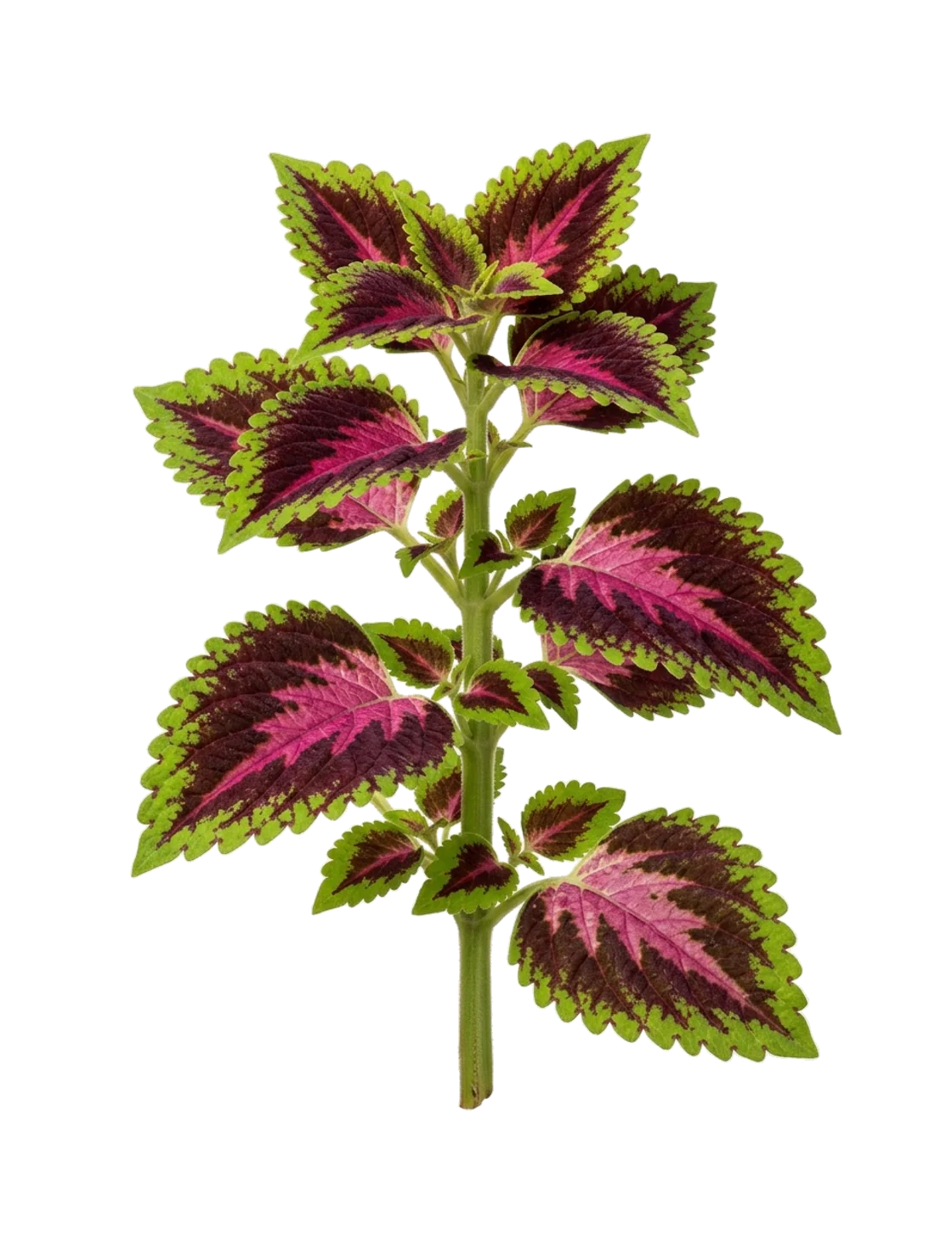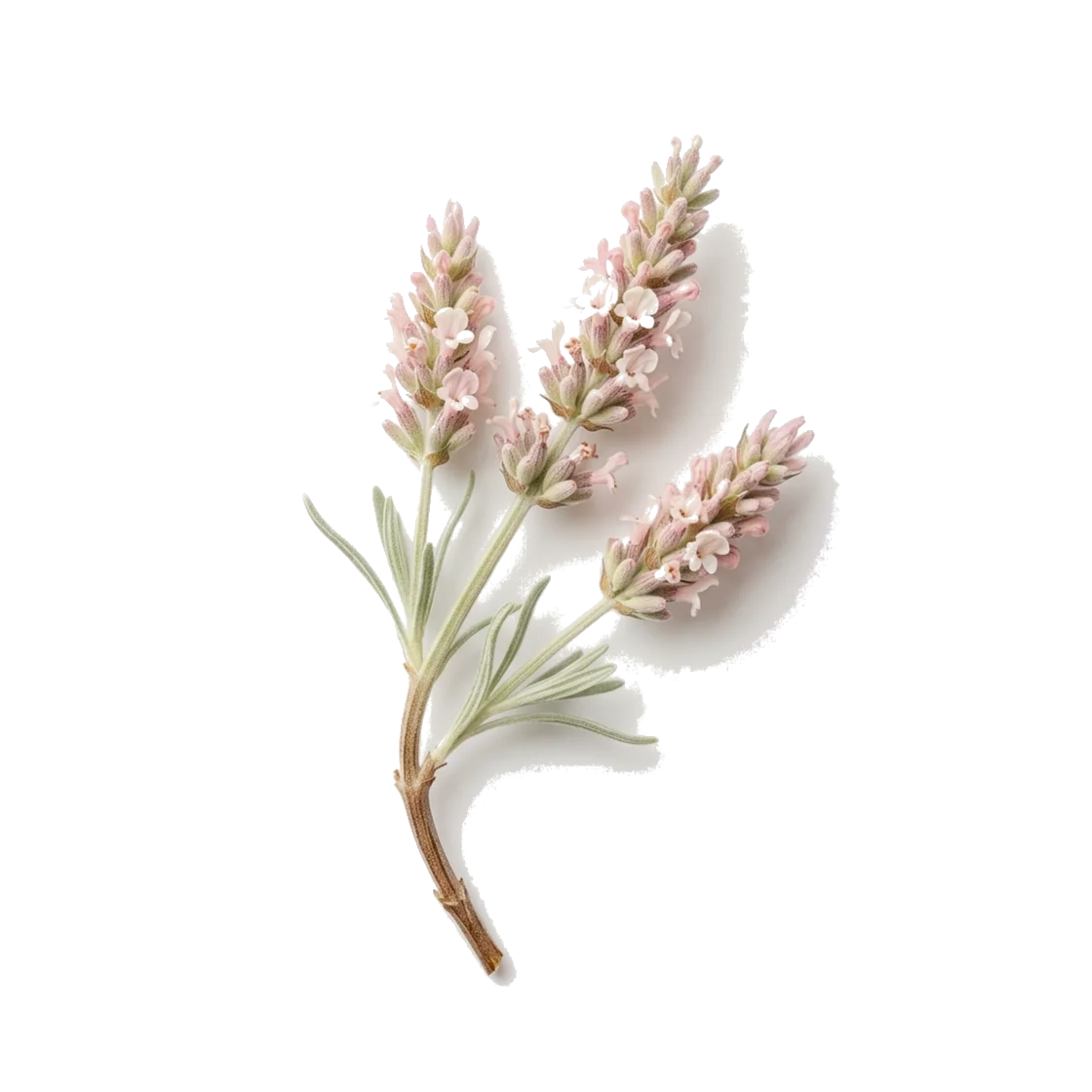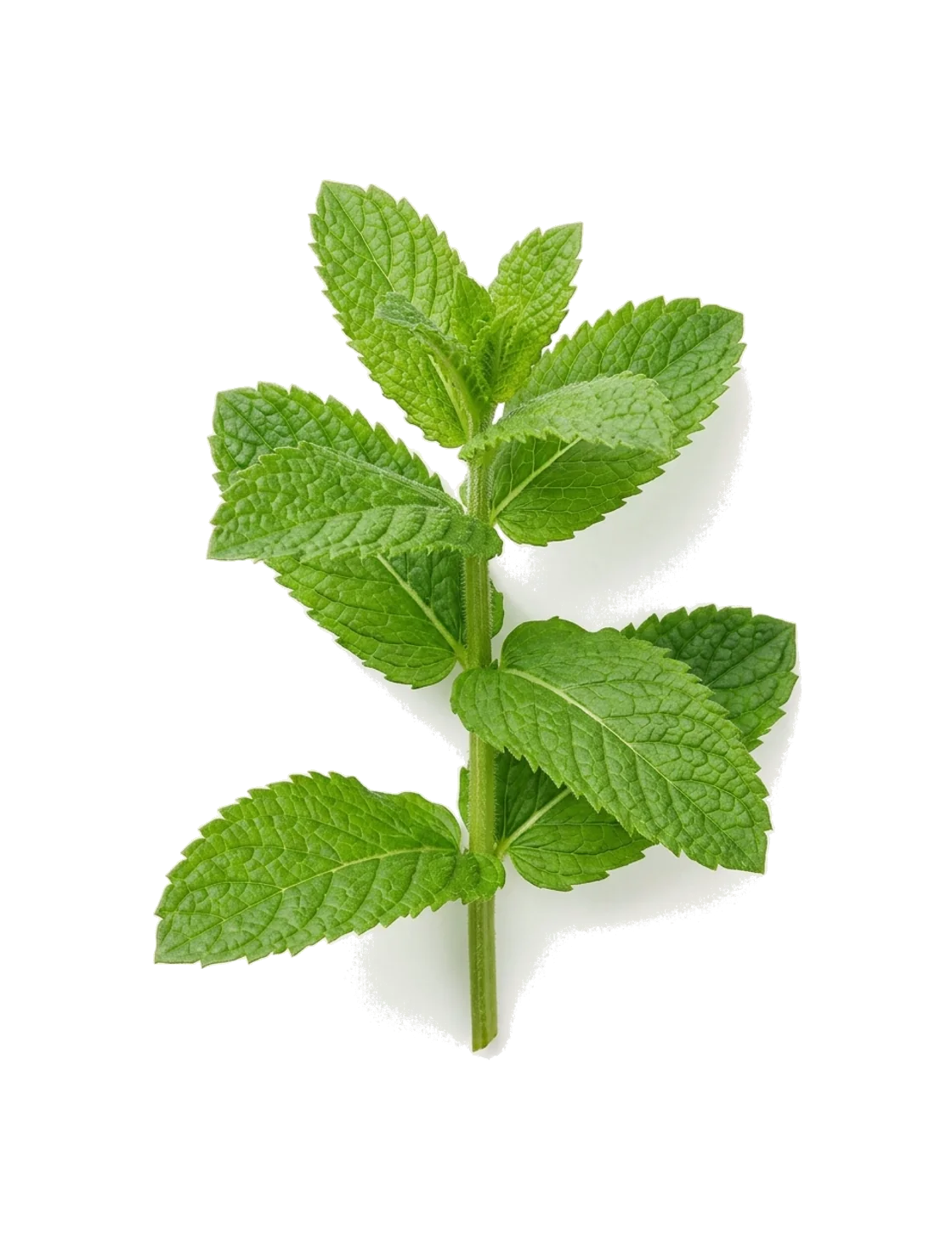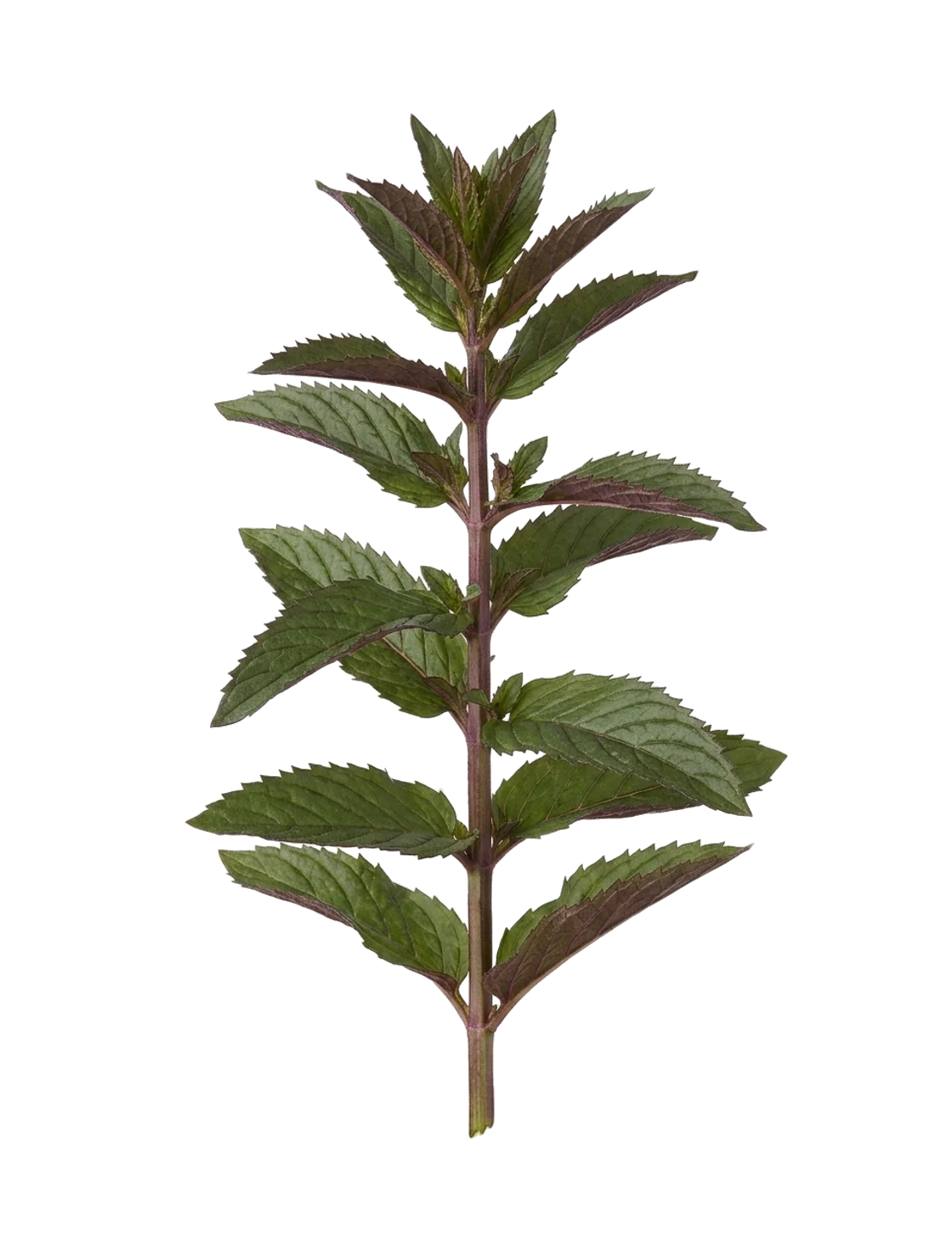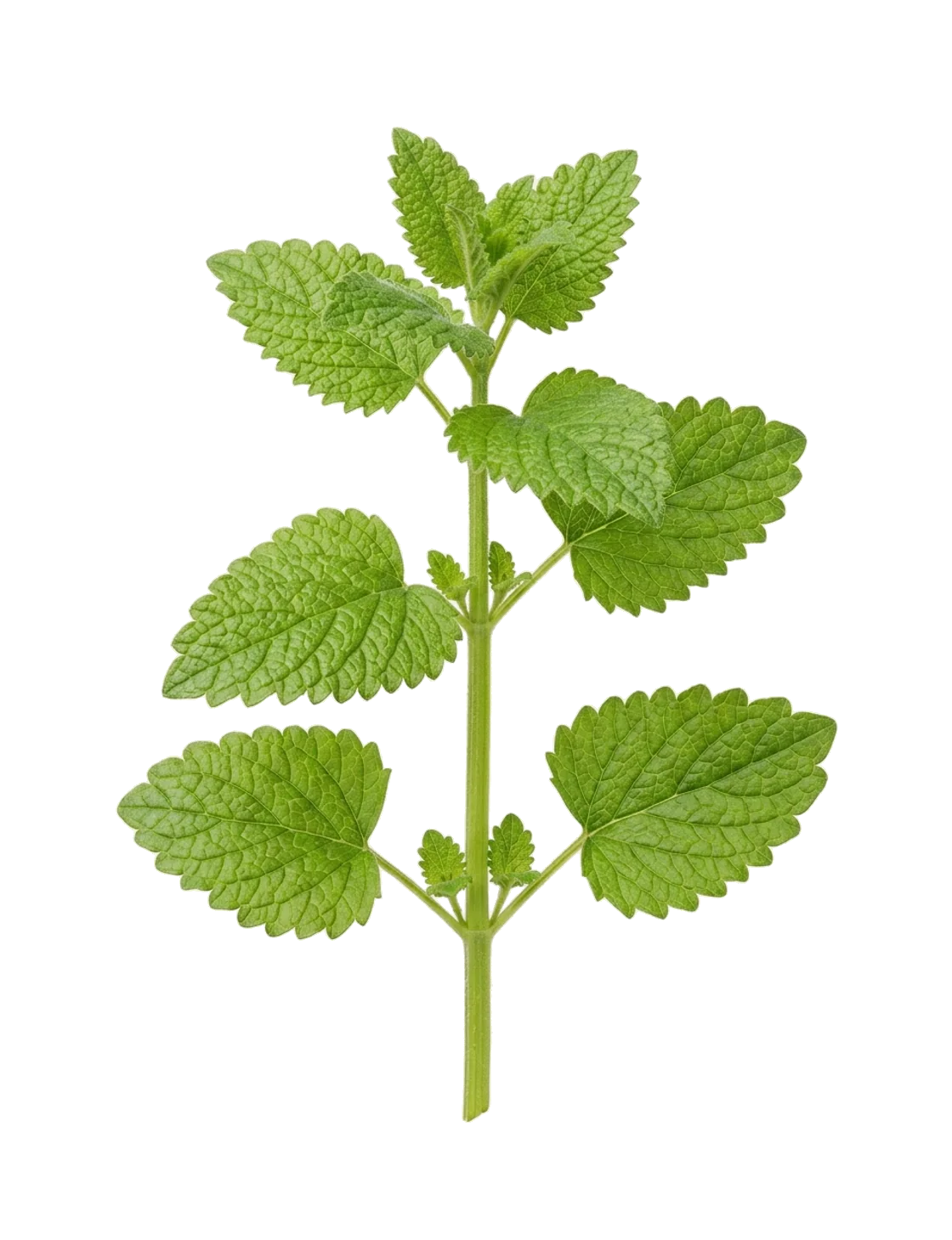
Lemon balm (Melissa officinalis) is a hardy perennial herb valued for its bright green, toothed leaves with an intense lemon scent when rubbed. It belongs to the Lamiaceae family and forms bushy clumps with square stems and small white flowers that attract many pollinators. It is a generous plant for pots and borders, since a single clump provides fresh leaves for months.
It comes from the eastern Mediterranean and western Asia, where it grows on banks, field edges and open woods, and it naturalized long ago across Europe. Selected forms vary in vigor and scent intensity, but all share easy cultivation and a tendency to self-seed. At home it is grown in medium pots or contained beds, which keep its roaming roots under control.
Leaves are picked as needed from spring to autumn, always leaving enough foliage for regrowth, with the best aroma just before flowering. Cutting back after bloom renews tender growth and prevents the clump from turning woody. With regular harvest, contained roots and steady watering, lemon balm stays leafy and fragrant for years.
Did you know?Its leaves smell strongly of lemon when rubbed, and bees visit its small white flowers in large numbers.
Care. What it needs, point by point.
- Watering
- 1–3× a weekWater one to three times a week, keeping the soil slightly moist but never soggy. Established clumps tolerate short dry spells, though leaves lose aroma if drought lasts. Mulch lightly to hold moisture in summer.
- Light
- Full sunIt grows well in full sun in cool climates and in partial shade in hot ones. Too much shade gives soft growth with less aroma.
- Temperature
- 15–25 °C ideal temperatureIt grows best between 15 and 25 °C and tolerates winter cold down to about -15 °C once established. Intense summer heat slows it, so afternoon shade helps in hot climates.
- Soil
- pH 6.0–7.5It accepts almost any well-drained soil, preferably loose and rich in organic matter, with pH between 6.0 and 7.5. In pots, use a medium container with herb mix and drainage.
- Fertilizer
- Lemon balm needs little feeding. A yearly top-dressing of compost in spring is enough; excess nitrogen dilutes its lemon scent.
- Pruning
- Cut stems back by half after the first bloom to force fresh aromatic regrowth. Remove flower heads if you do not want self-seeding throughout the bed.
- Propagation
- Lemon balm is easily multiplied by spring division, cuttings, or seed sown shallowly. Division every two or three years rejuvenates crowded clumps.
Where it grows. In the wild and in homes.
In the wild it grows in Europe, temperate Asia, and Africa, in a temperate climate.
People have also taken it to 67 more regions where it now grows on its own: North America, Europe, South and Central America and the Caribbean, and Africa.
Range: Plants of the World Online, Royal Botanic Gardens, Kew
Is Lemon balm toxic to cats and dogs?
Non-toxic to cats and dogs.

Cats
Non-toxic

Dogs
Non-toxic
Source · ASPCA Animal Poison Control
Common problems What tends to go wrong.
- Aphids
- Powdery mildew
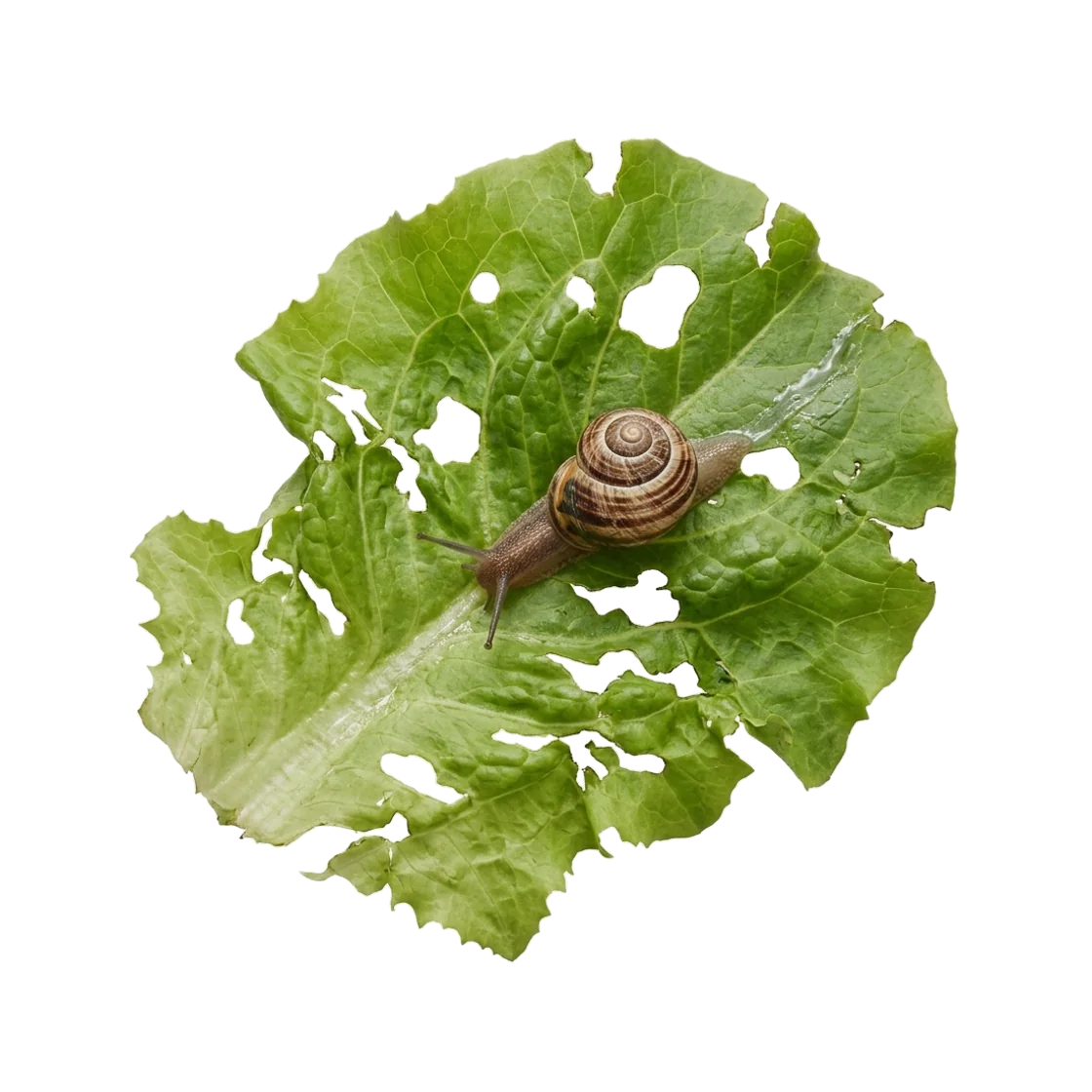
- Snails and slugs


Frequently asked questions What people ask most.
How often should I water lemon balm?
Water one to three times a week, keeping the soil slightly moist. Once established it tolerates short dry spells, but prolonged drought reduces aroma and yellows the leaves.
Why does my lemon balm spread everywhere?
It self-seeds freely and its roots creep when happy. Grow it in pots or contained beds, cut flowers before they set seed, and divide clumps every two or three years.
Why does lemon balm lose its scent?
Old woody stems, deep shade, or excess nitrogen give pale leaves with little aroma. Cut back hard, move to brighter light, and feed only with compost once a year.
Can I grow lemon balm indoors?
Yes, on a bright windowsill with at least five hours of sun and a pot with drainage. Pinch often to keep it compact and move it outdoors in mild weather if possible.
When and how is lemon balm harvested?
Pick tender stems from spring to autumn, cutting in the morning when aroma is strongest. Never remove more than a third of the plant at once so it resprouts vigorously.