Lavender
Lavandula angustifolia
Essential lavender care guide: expert advice on sun exposure, watering, pruning techniques, and soil requirements for vibrant blooms.
- Light
- 6–8 hof direct sun
- Watering
- 1×a week
- Temperature
- 15–26 °Cideal temperature
- Toxicity
- Non-toxic
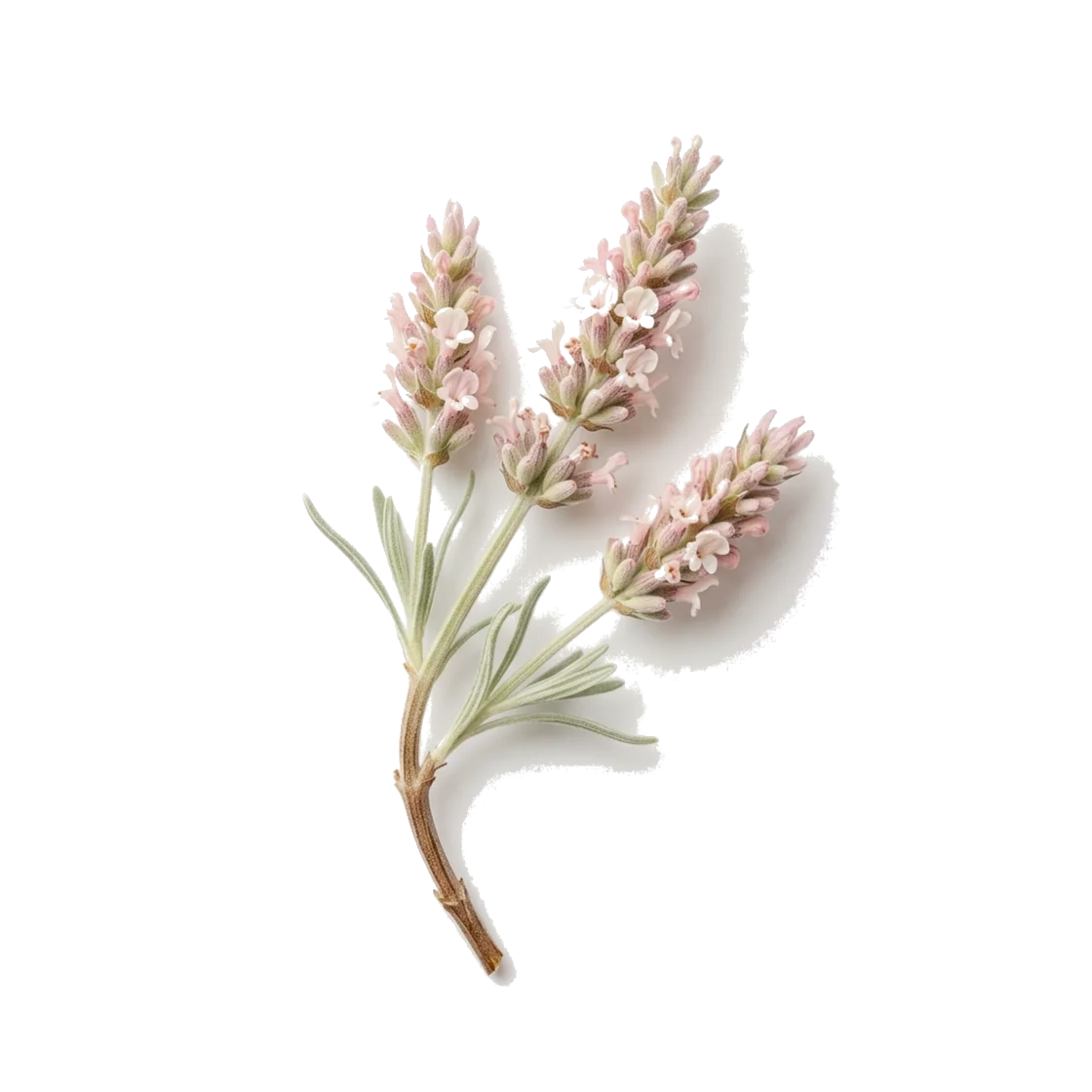
Lavender, often referred to as English lavender, is a beloved aromatic subshrub known for its slender silvery-gray foliage and fragrant spikes of purple-blue blossoms. It is a cornerstone of Mediterranean-style landscaping and herb gardens, appreciated for its neat mounding habit and the rich, soothing aroma released by both its flowers and foliage when brushed.
Outdoors, this sun-loving plant demands abundant light and excellent air circulation to thrive and remain structurally compact. While it can be successfully grown in containers on sunny patios or balconies, lavender generally lives longer and performs best when planted directly in well-drained garden soil.
Once established, lavender exhibits exceptional drought tolerance and requires very little maintenance throughout the seasons. Its greatest vulnerability is standing moisture, making coarse, free-draining soil and restrained watering critical to preventing root rot and keeping the plant vigorous year after year.
Did you know?The botanical name Lavandula derives from the Latin 'lavare', meaning 'to wash', referring to the ancient Roman habit of scenting public baths with its flowers.
Care. What it needs, point by point.
- Watering
- 1× a weekWater deeply but infrequently, allowing the soil to dry out completely between watering sessions. In containers during warm weather, once a week is usually sufficient, while in-ground plants need minimal water once established.
- Light
- 6–8 h of direct sunRequires full sun with at least six to eight hours of direct sunlight each day for optimal growth and flowering. In partial shade, plants become leggy, lose their compact shape, and produce noticeably fewer blooms.
- Temperature
- 15–26 °C ideal temperatureTolerates a wide range of climates, surviving winter freezes down to -15 °C and handling summer heat above 35 °C. Active growth and best performance occur when temperatures stay between 15 °C and 26 °C.
- Soil
- Requires a gritty, lean, and sharply draining potting mix with a neutral to slightly alkaline pH. Heavy clay soils should be amended with gravel or planted on mounds to ensure rapid drainage.
- Fertilizer
- Thrives in nutrient-poor soils and rarely requires supplemental fertilizer. A modest dusting of compost in early spring is plenty, as excess nitrogen leads to soft foliage with weak aroma.
- Pruning
- Lightly prune back stems by about one third right after the summer blooms fade to maintain a tidy mound. Never cut back into old, bare wood, as lavender rarely regenerates from mature leafless branches.
- Propagation
- Easily propagated through semi-hardwood cuttings taken in late summer or early fall. Starting from seed in early spring is also possible, though seedlings develop considerably slower.
Where it grows. In the wild and in homes.
In the wild it grows in southwestern Europe and southeastern Europe, in a temperate climate.
People have also taken it to 16 more regions where it now grows on its own: Europe, temperate Asia, North America, and the Pacific.
Range: Plants of the World Online, Royal Botanic Gardens, Kew
Is Lavender toxic to cats and dogs?
The ASPCA doesn't list this species. If your pet has chewed it and seems unwell, call your vet.
Common problems What tends to go wrong.
- Root rot
- Overwatering
- Too little light
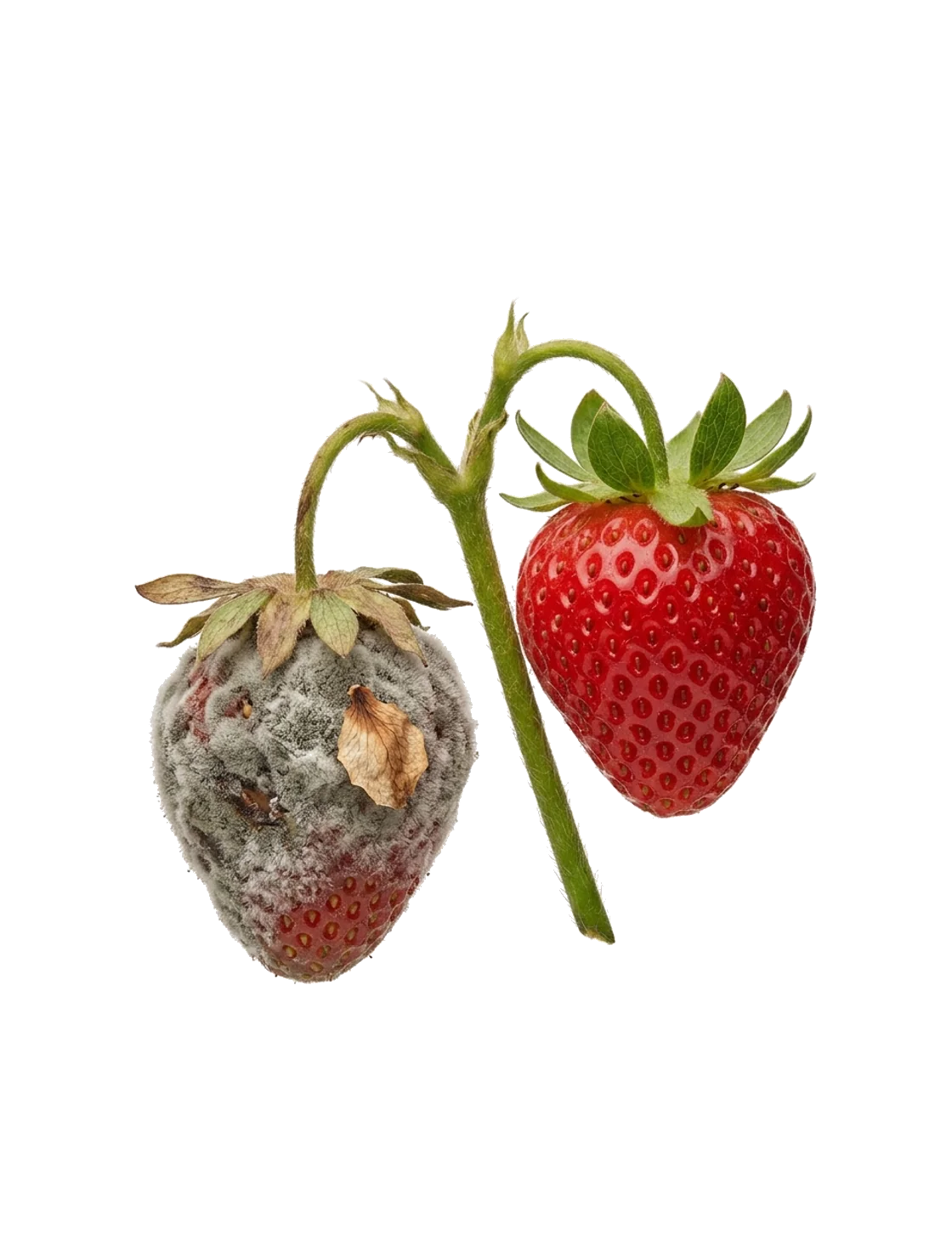
- Botrytis (grey mould)
- Aphids




Frequently asked questions What people ask most.
Why is my lavender turning woody and bare in the middle?
Lavender naturally becomes woody with age, especially when annual maintenance trimming is neglected. Pruning the fresh green growth every late summer stimulates compact branching and prevents the base from splitting open.
Why are my lavender leaves turning yellow or droopy?
The most common culprit is overwatering or poorly draining soil that suffocates the root system. Check that container drain holes are clear and let the soil dry out thoroughly before offering more water.
Can I successfully grow lavender indoors as a houseplant?
Lavender is notoriously difficult to keep healthy indoors due to lack of intense direct sun and poor air movement. If attempted, position it directly against your brightest south-facing window and water very conservatively.
When is the best time to harvest lavender flowers?
Harvest flower stalks in the morning just as the lowest florets on each spike begin to open. Cut the stems neatly and hang them in small bundles upside down in a warm, dry, shaded spot to preserve their fragrance.