Swedish ivy
Plectranthus verticillatus
Learn how to care for Swedish ivy (Plectranthus verticillatus). Simple watering tips, indirect light needs, and easy propagation for lush hanging foliage.
- Light
- Indirect
- Watering
- 1–2×a week
- Temperature
- 15–24 °Cideal temperature
- Pets
- Non-toxic
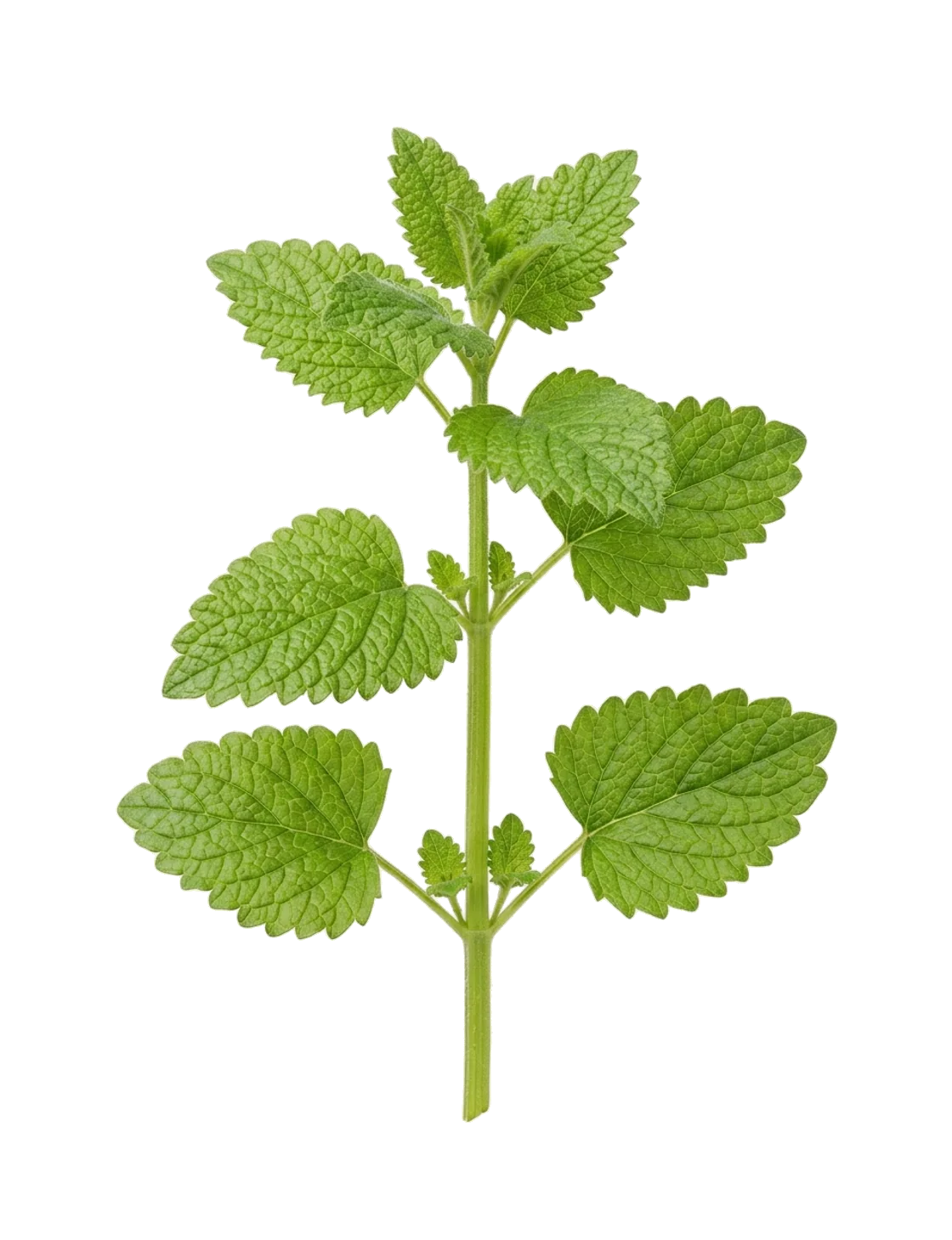
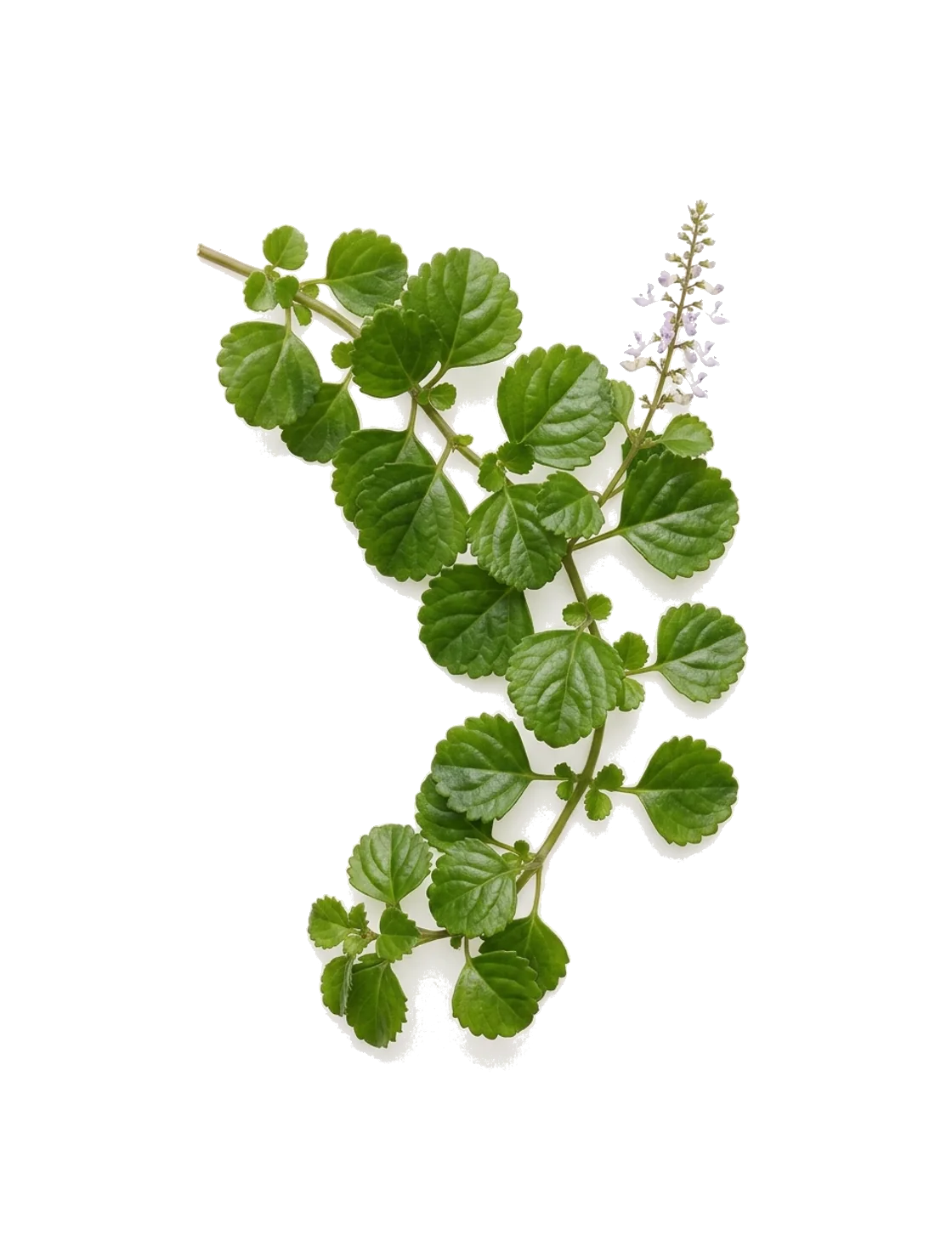
Swedish ivy (Plectranthus verticillatus), despite its name, is neither an ivy nor native to Sweden; it is a creeping herbaceous perennial native to southeastern Africa. It is widely recognized for its glossy, rounded leaves with scalloped edges and fleshy stems that trail elegantly as the plant matures.
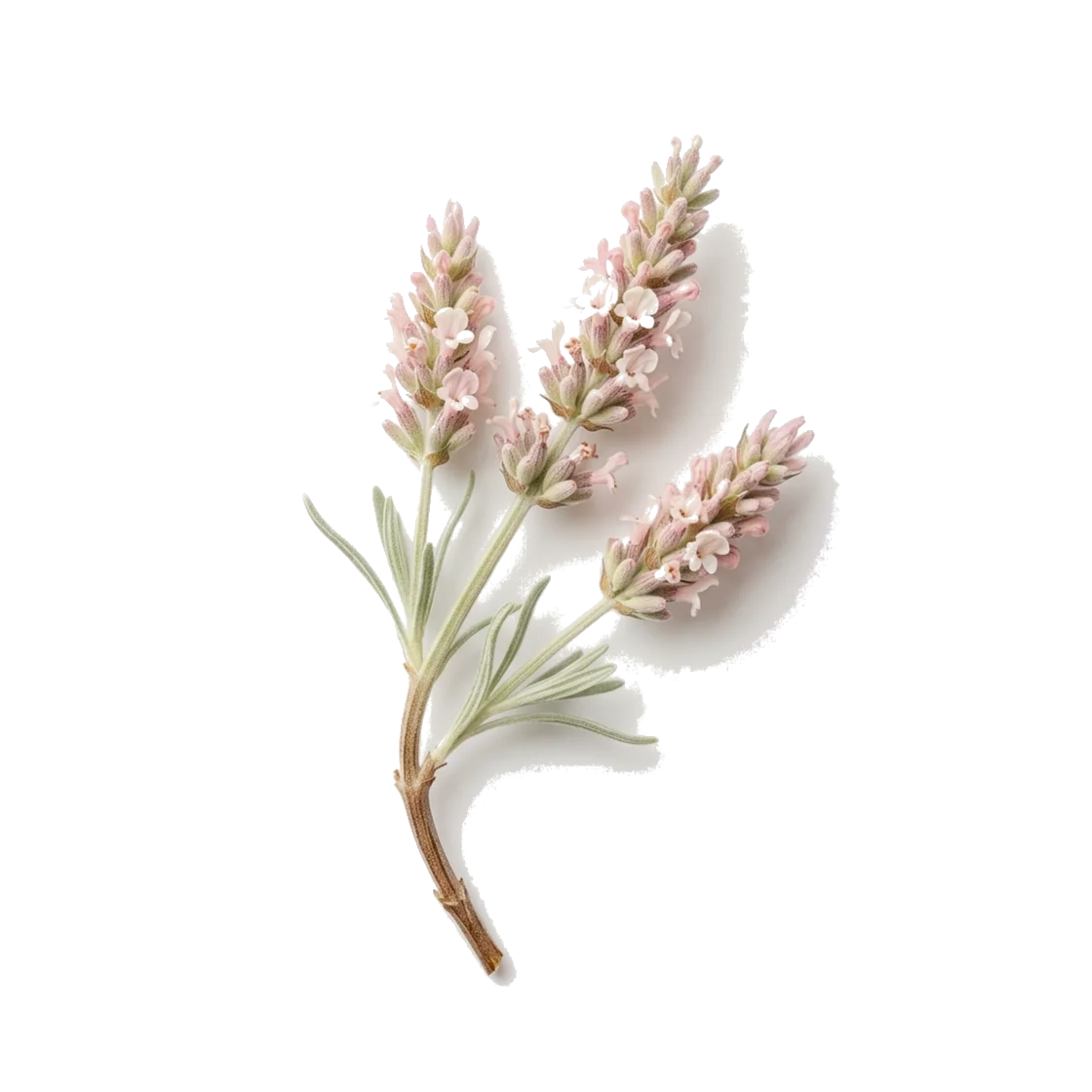
This species has long been a staple houseplant around the world, particularly favored for hanging baskets, shelves, and mixed shaded planters outdoors. While grown primarily for its lush, cascading foliage, Swedish ivy occasionally produces upright spikes of small, tubular flowers in shades of white or pale lavender during the warmer months.
Its popularity among houseplant enthusiasts is largely due to its remarkable vigor and forgiving nature, making it ideal for beginners. It adapts well to typical indoor conditions, easily tolerates occasional lapses in care, and benefits greatly from regular pinching to encourage bushy, compact growth and prevent spindly stems.
Did you know?It gained its popular common name after becoming an extremely widespread houseplant across Sweden in the mid-twentieth century.
Care. What it needs, point by point.
- Watering
- 1–2× a weekWater thoroughly once the top inch of soil feels dry to the touch, which typically means once or twice a week in summer. Reduce watering in winter, allowing the soil to dry somewhat more between waterings.
- Light
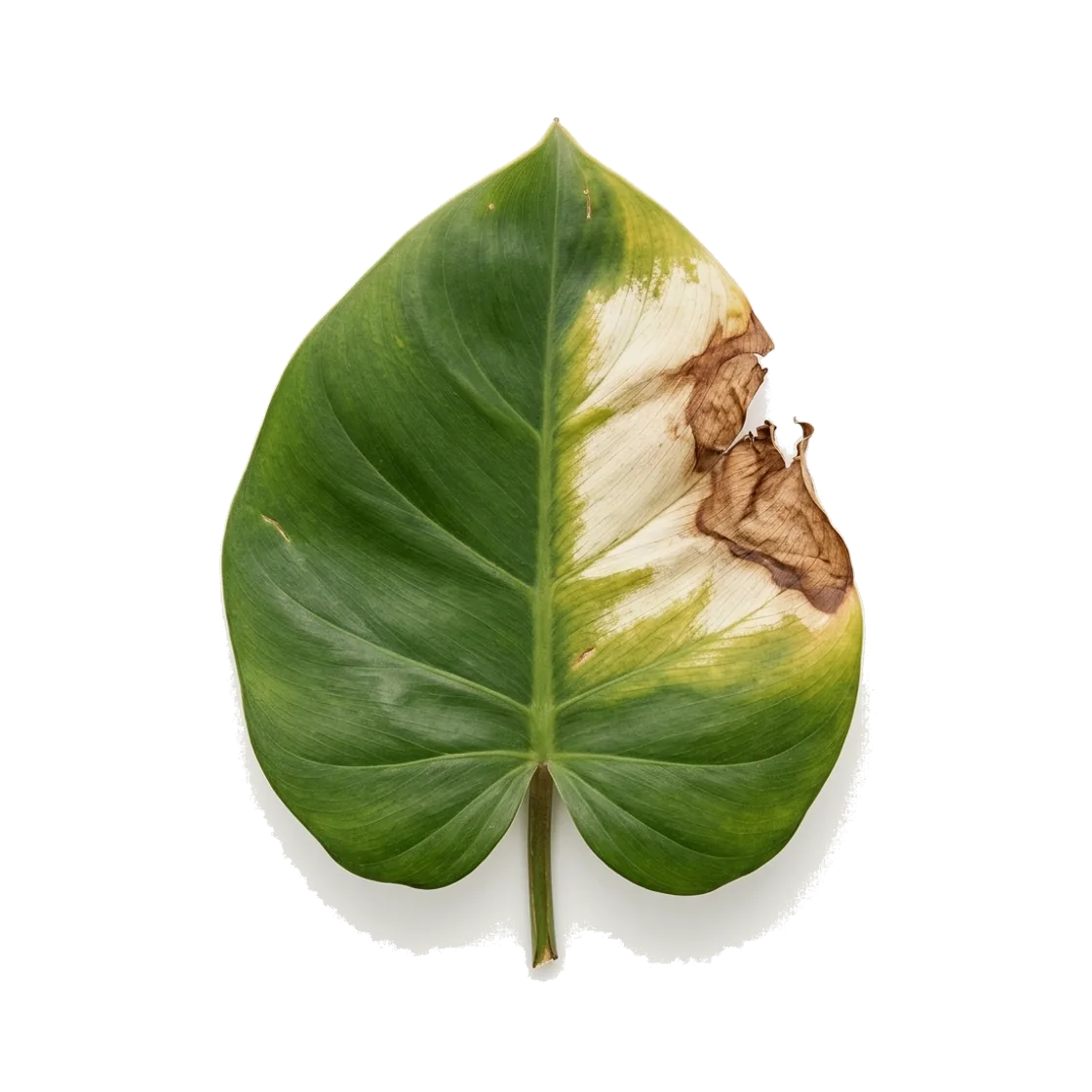
- IndirectProvide plenty of bright, indirect sunlight to keep foliage dense and vibrant. Direct hot sun can bleach the leaves or cause dry brown burn marks.
- Temperature
- 15–24 °C ideal temperaturePrefers moderate room temperatures between 15°C and 24°C year-round. It is sensitive to frost and should be brought inside before outdoor temperatures drop below 10°C.
- Soil
- A standard, peat- or coco-based potting mix amended with perlite ensures good aeration and prevents water retention.
- Fertilizer
- Feed once a month during spring and summer with a balanced liquid houseplant fertilizer diluted to half strength.
- Pruning
- Regularly pinch out the growing tips of trailing stems to stimulate side branching and maintain a lush, full appearance.
- Propagation
- Easily propagated through stem cuttings taken just below a node. Place the cuttings in water or moist potting mix, where roots will readily form in one to two weeks.
Where it grows. In the wild and in homes.
In the wild it grows in southern Africa and south tropical Africa, in a subtropical climate.
People have also taken it to 11 more regions where it now grows on its own: South and Central America and the Caribbean, Africa, and tropical Asia.
Range: Plants of the World Online, Royal Botanic Gardens, Kew
Is Swedish ivy toxic to cats and dogs?
Non-toxic to cats and dogs.

Cats
Non-toxic

Dogs
Non-toxic
Source · ASPCA Animal Poison Control
Common problems What tends to go wrong.
- Root rot
- Overwatering
- Too little light
- Sunburn
- Mealybugs and scale




Frequently asked questions What people ask most.
Why are the leaves turning yellow and dropping?
Yellowing leaves are most frequently a sign of overwatering or poorly draining soil suffocating the roots. Allow the topsoil to dry before watering again and ensure the pot has functional drainage holes.
Why has my Swedish ivy become leggy with sparse foliage?
Stems stretch and space out their leaves when the plant is not receiving enough light. Move it closer to a bright window with indirect light and trim back the leggy vines to promote bushier growth.
Can Swedish ivy be kept outdoors?
Yes, it thrives outdoors in shaded or sheltered spots during frost-free spring and summer months. Bring it indoors when night temperatures approach 10°C to protect it from cold damage.
How often should it be repotted?
Repot every one to two years in early spring using fresh potting mix in a container one size larger. If roots begin crowding the drainage holes, it is ready for a new container.