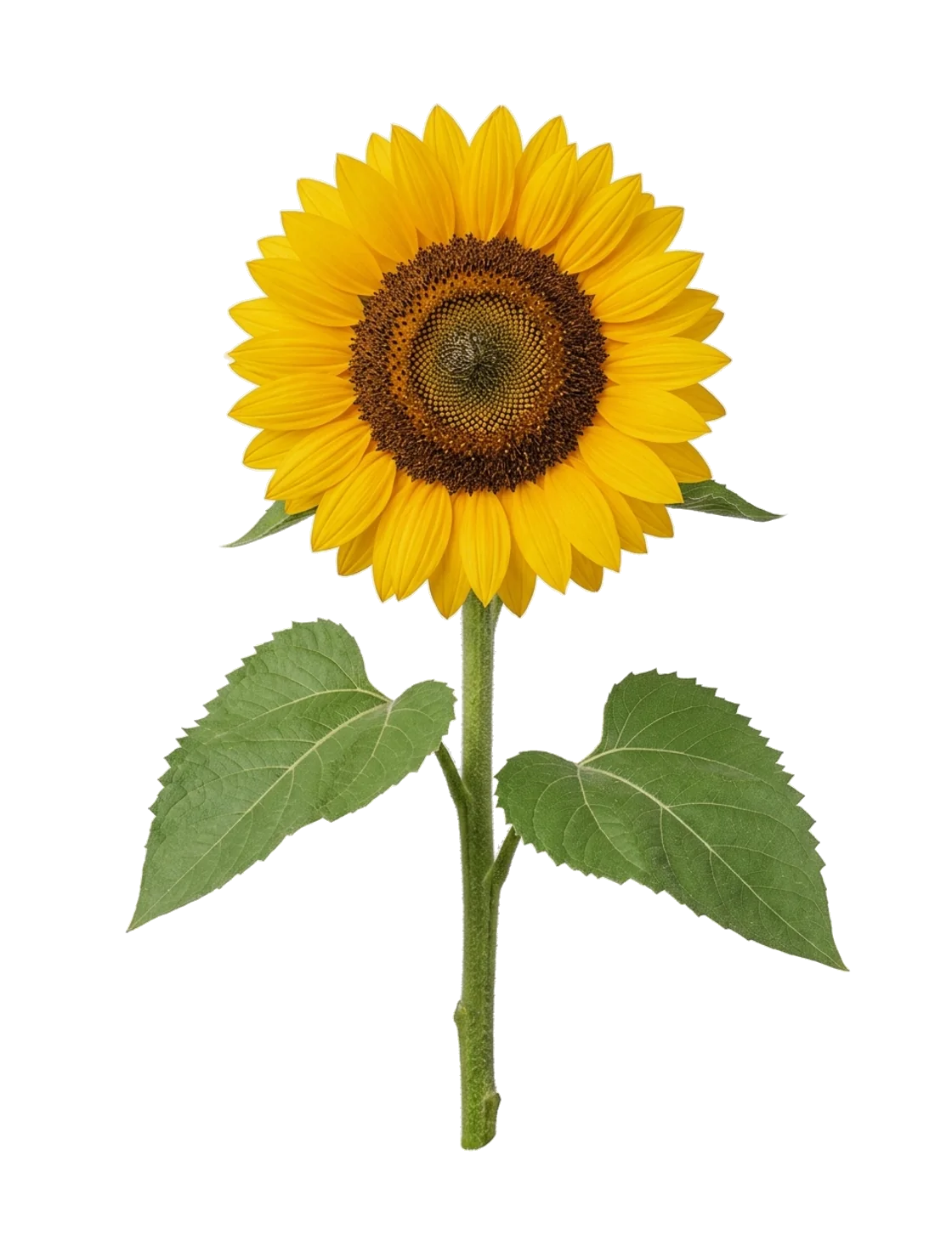
Sunflower
Helianthus annuus
Learn how to grow healthy sunflowers with our practical care guide. Discover tips on direct sunlight, watering, soil, and sowing seeds successfully.
- Light
- 6–8 hof direct sun
- Temperature
- 18–30 °Cideal temperature
- Toxicity
- Non-toxic
- Difficulty
- Easy
The sunflower (Helianthus annuus) is a fast-growing annual herbaceous plant celebrated worldwide for its towering stems and radiant, sun-shaped flower heads. Native to North America, it develops thick, coarse stalks lined with broad green leaves and topped by impressive blooms featuring bright yellow or golden ray florets around a dense central disk.
As an annual, this plant completes its entire life cycle in a single warm season, transitioning swiftly from seed to mature bloom and eventual seed production. Young developing flower heads actively track the sun across the sky throughout the day, a phenomenon known as heliotropism that stops once the flowers open and face east permanently.
Growing sunflowers is straightforward when provided with full sun, shelter from harsh winds, and consistent soil moisture during stem elongation. They thrive directly sown into garden beds or deep balcony containers, bringing vibrant warmth to outdoor settings while providing ample nectar for local bees and beneficial insects all summer long.
Did you know?Heliotropism occurs only in young flower buds; once fully opened, mature sunflower heads permanently face east to greet the morning sun.
Care. What it needs, point by point.
- Watering
- Water regularly to keep the soil consistently moist but never waterlogged, particularly during stem elongation and bud formation. Check moisture by inserting your finger into the top two inches of soil; water when it feels dry. Ease up on watering once the flower heads mature and start setting seeds.
- Light
- 6–8 h of direct sunSunflowers demand full sun and need at least six to eight hours of direct sunlight each day. Without enough light, stems grow weak, lanky, and may fail to bloom.
- Temperature
- 18–30 °C ideal temperatureThey thrive in warm conditions between 18 °C and 30 °C during the growing season. Protect young seedlings from late frost, as freezing temperatures will easily damage the plant.
- Soil
- Choose nutrient-rich, well-draining soil with plenty of depth to accommodate the plant's long taproot. Loosen heavy clay soils and mix in compost before planting.
- Fertilizer
- Incorporate balanced organic fertilizer or slow-release granules into the soil at planting time. Avoid high-nitrogen fertilizers that encourage excessive foliage instead of large blooms.
- Pruning
- Pruning is not necessary for this annual plant beyond removing yellowing lower leaves to improve airflow. Staking taller varieties helps keep heavy flowering stalks upright.
- Propagation
- Sunflowers propagate easily by sowing seeds directly outdoors after the last spring frost. Sow them about one inch deep in warm soil, and they will sprout within a week or two.
Where it grows. In the wild and in homes.
In the wild it grows in Mexico and the southwestern U.S., in a temperate climate.
People have also taken it to 178 more regions where it now grows on its own: North America, temperate Asia, Europe, and South and Central America and the Caribbean.
Range: Plants of the World Online, Royal Botanic Gardens, Kew
Is Sunflower toxic to cats and dogs?
The ASPCA doesn't list this species. If your pet has chewed it and seems unwell, call your vet.
Common problems What tends to go wrong.
- Powdery mildew
- Aphids
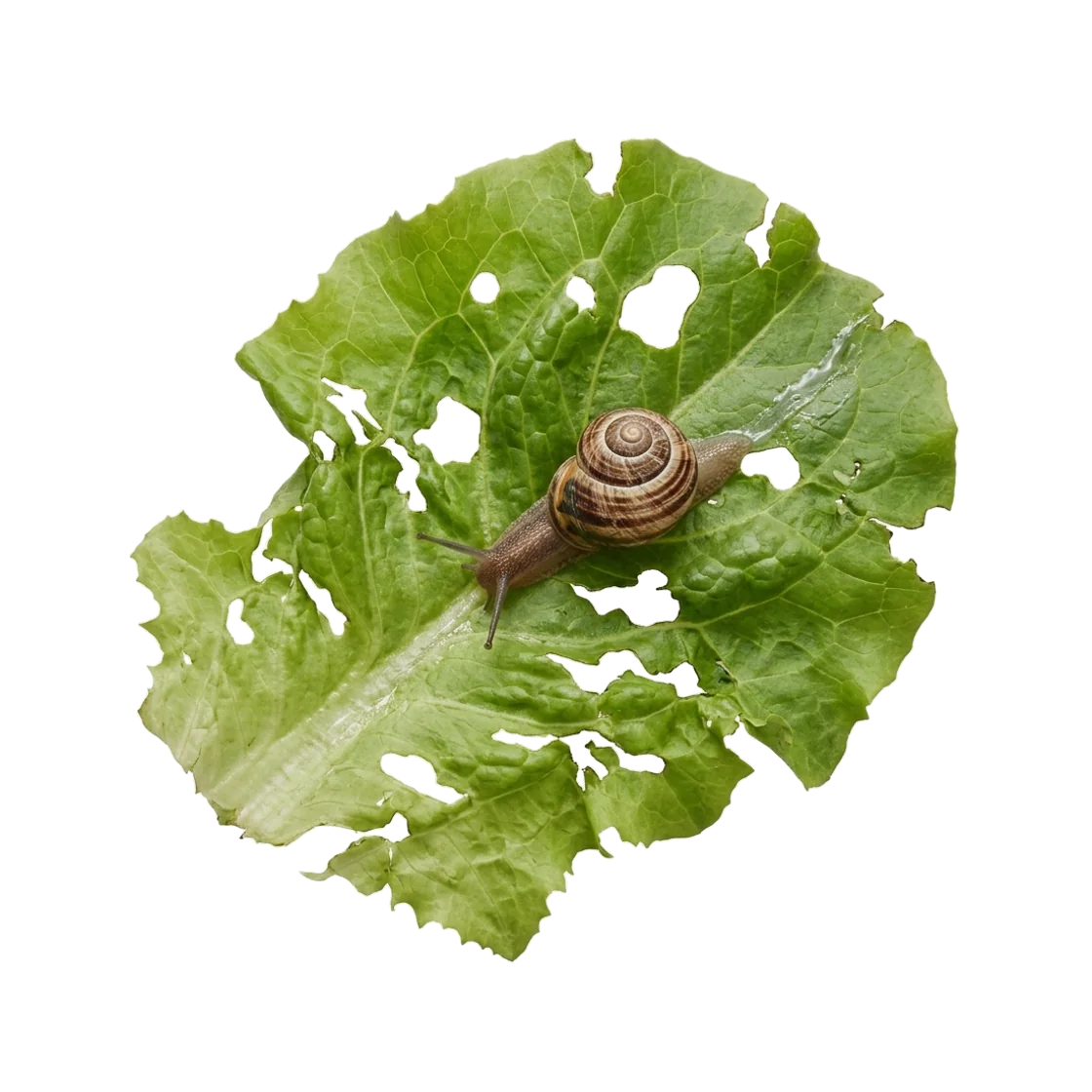
- Snails and slugs
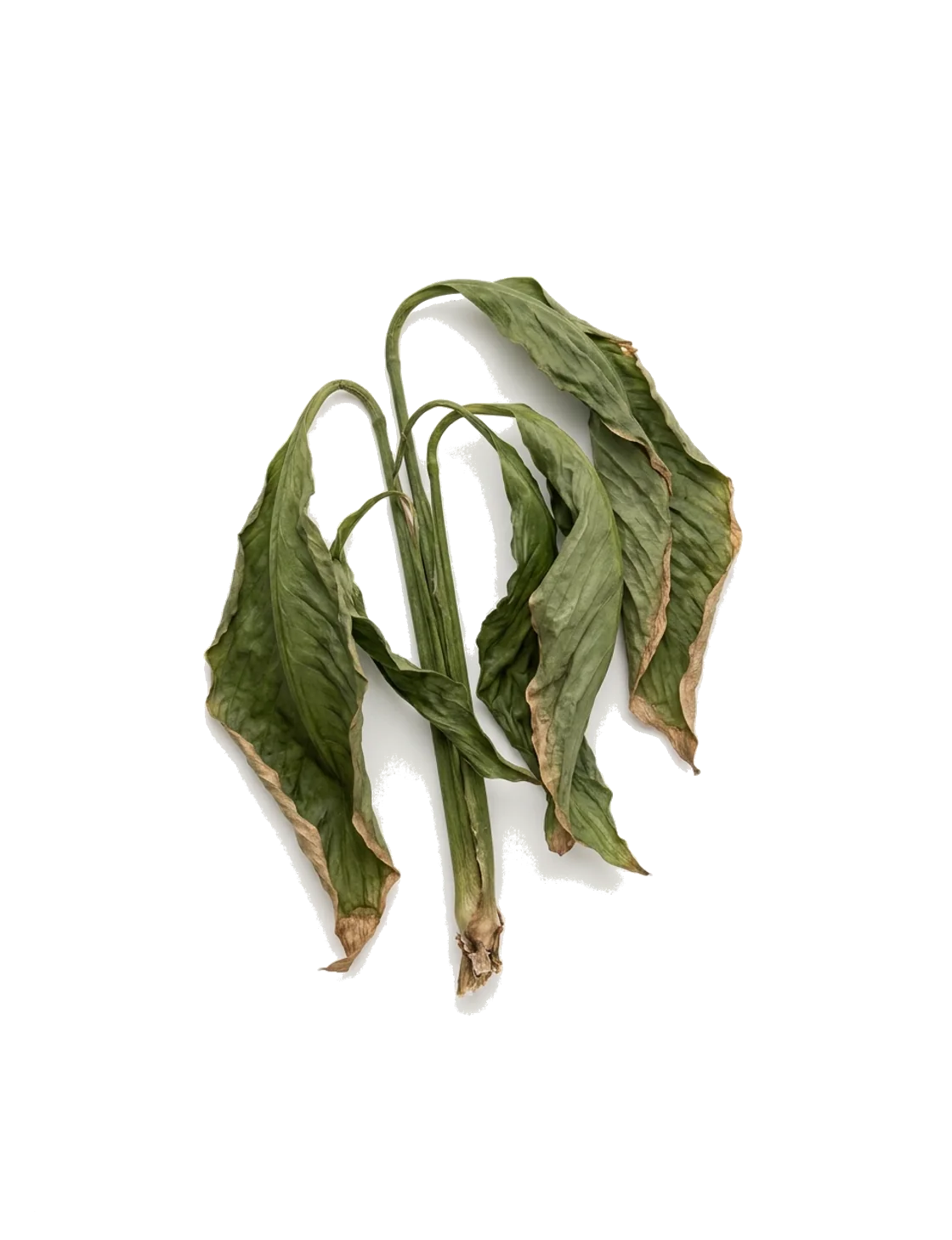
- Underwatering
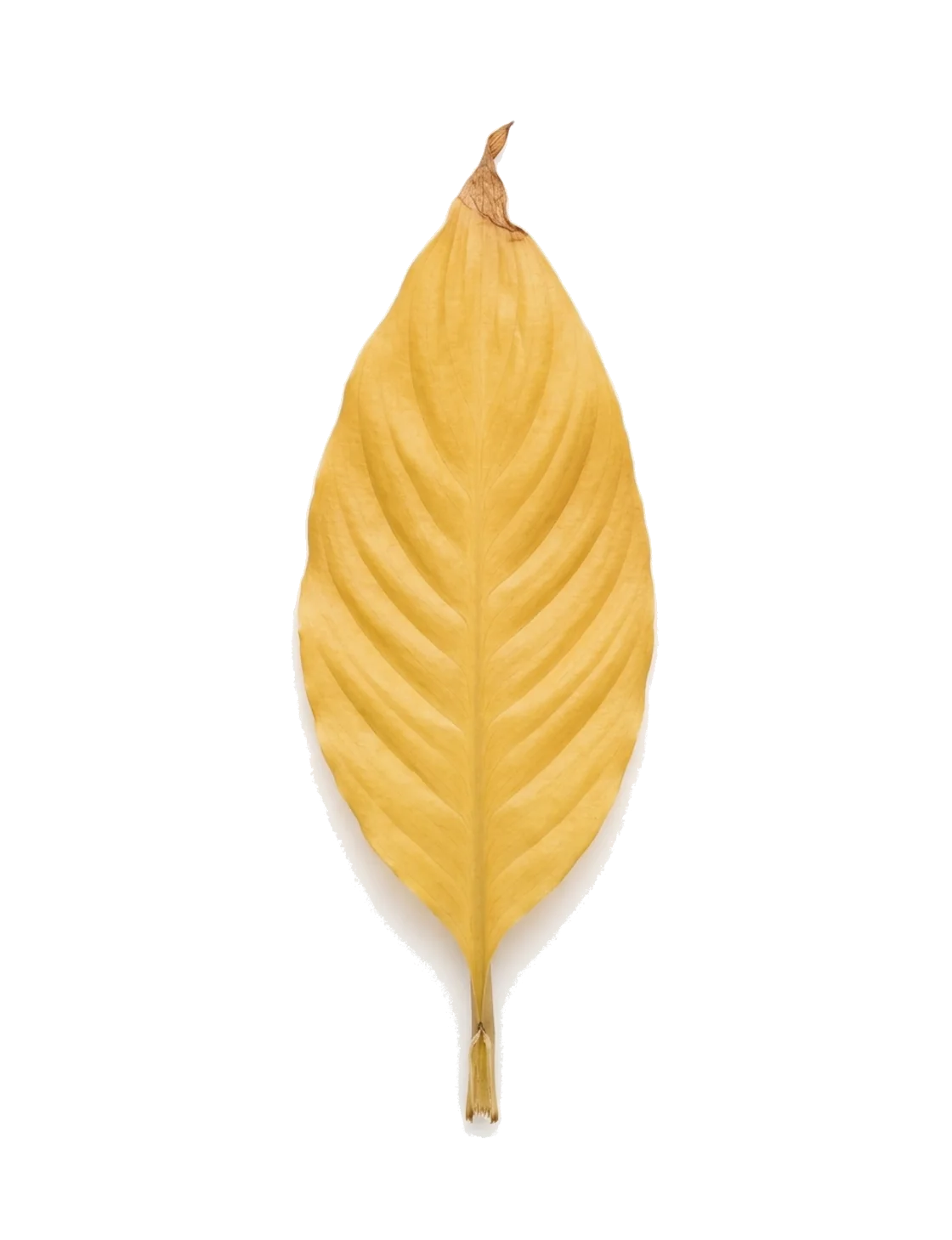
- Natural ageing


Frequently asked questions What people ask most.
Why is my sunflower head drooping?
As flower heads mature and develop seeds, their substantial weight naturally pulls the stem downward. If an immature head droops, check whether the plant needs watering or requires a stake for wind support.
Why are the bottom leaves turning yellow and brown?
Lower leaves naturally age and die off as the plant channels its resources toward flower and seed production. However, widespread yellowing on middle leaves can signal poor drainage or prolonged underwatering.
How long does a sunflower plant live?
Sunflowers are true annuals that complete their full life cycle in roughly eighty to one hundred and twenty days. Once flowering finishes and seeds mature, the entire plant naturally declines and dies.
Can I grow sunflowers in containers?
Yes, provided you select deep pots of at least 12 inches across with drainage holes and choose compact or dwarf varieties. Place containers in your sunniest outdoor spot to ensure sturdy growth and vibrant flowers.