Sage
Salvia officinalis
Learn how to grow and care for common sage with expert tips on watering, full sun exposure, well-draining soil, and seasonal pruning for best growth.
- Light
- 6 hof direct sun
- Watering
- 7–10days between waterings
- Temperature
- 15–26 °Cideal temperature
- Pets
- Non-toxic
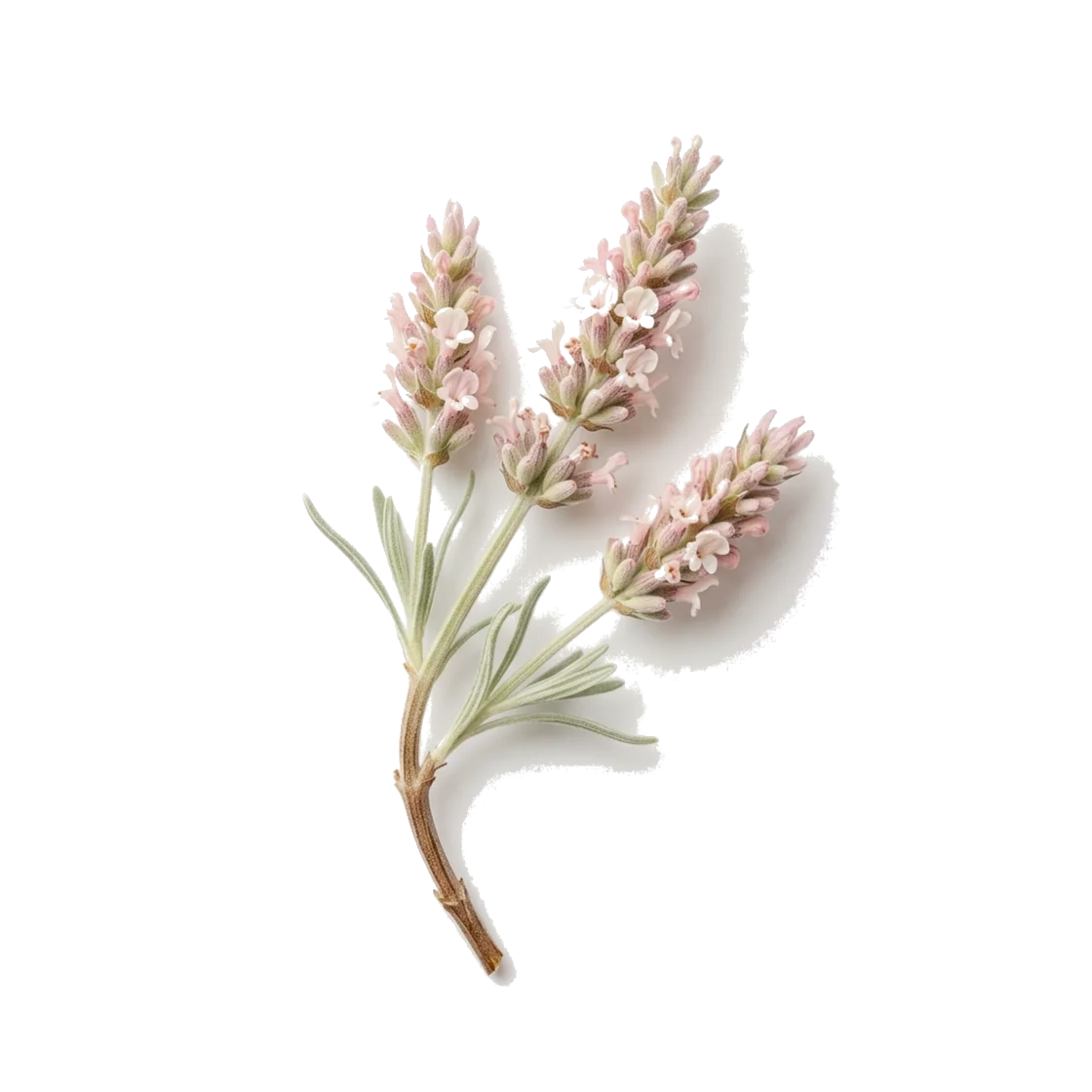
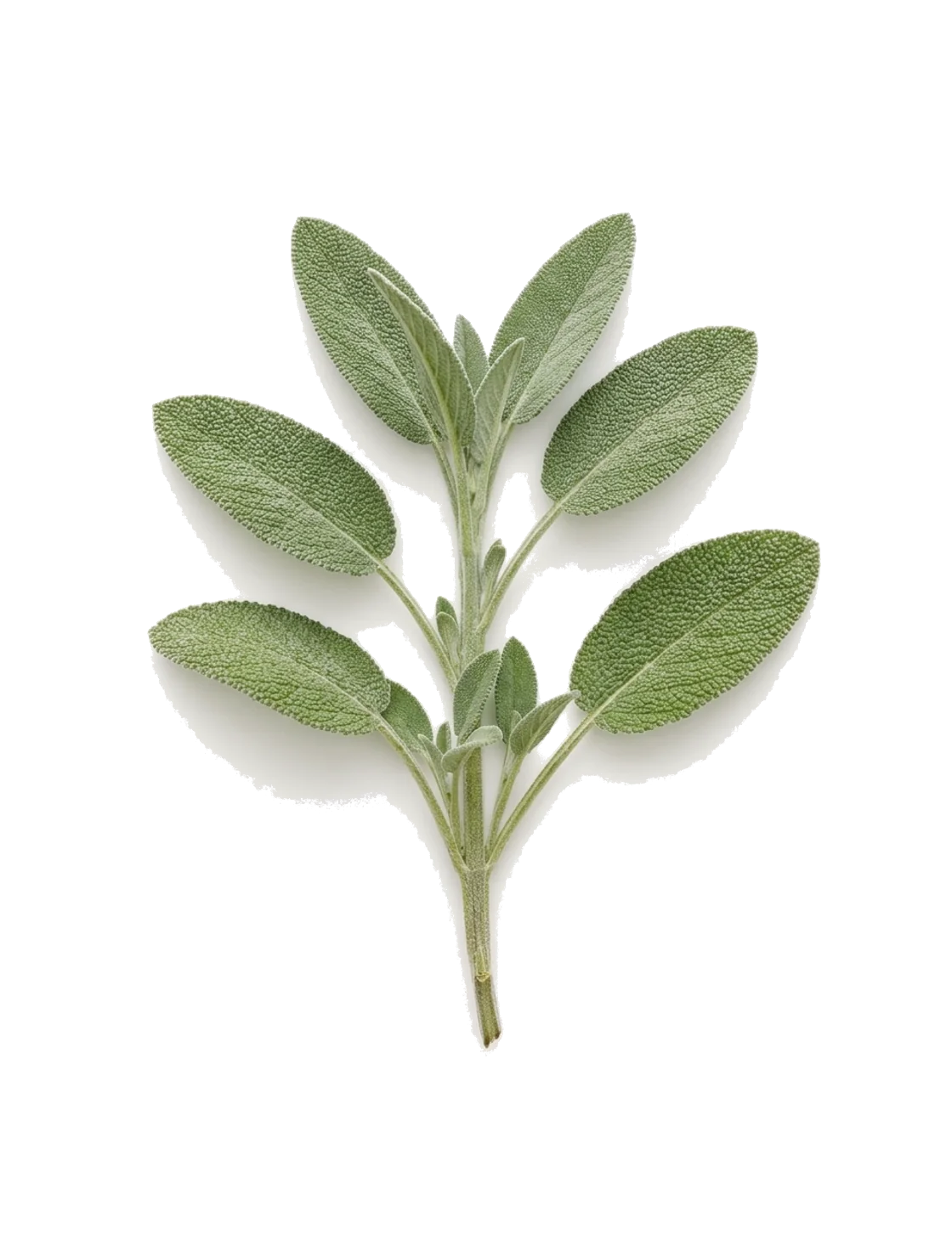
Common sage is a hardy perennial subshrub native to the sunny, dry hillsides of the Mediterranean basin, widely cultivated for both culinary and ornamental purposes. It is readily identified by its oblong, textured leaves of a subtle grayish-green shade, which feel distinctly velvety to the touch and release an earthy fragrance. In late spring, the plant displays spikes of purple or bluish blossoms that attract beneficial garden pollinators.
Naturally adapted to arid and warm environments, sage prospers in light, low-nutrient soils and handles drought remarkably well once its roots are established. However, standing water and persistently damp substrate represent its greatest hazard, causing rapid root decay and leaf problems. Providing maximum sunlight and exceptional drainage is the single most important factor in keeping this herb healthy and productive.
This versatile plant performs splendidly in outdoor garden beds as well as in terracotta containers on bright balconies or patios. Regular pruning is essential to keep the foliage compact and bushy over the seasons. Without consistent trimming after flowering, older stems become thick, woody, and barren toward the bottom, limiting the production of tender new leaves.
Did you know?Its botanical name Salvia stems from the Latin 'salvare', reflecting the high regard in which it was held in ancient times. The leaves are covered in tiny gland-dotted hairs that release aromatic compounds when touched.
Care. What it needs, point by point.
- Watering
- 7–10 days between wateringsWater moderately, allowing the soil to dry out completely between waterings. In warm weather, watering once every seven to ten days is generally sufficient, whereas winter calls for very occasional hydration. Always test soil moisture with your finger before watering to avoid saturated roots.
- Light
- 6 h of direct sunSage requires full, direct sun for at least six hours daily to produce tight growth and strong aroma. Indoors, it must be placed directly on the sunniest windowsill available.
- Temperature
- 15–26 °C ideal temperatureIdeal growing temperatures range between 15 °C and 26 °C throughout the active growing period. Established plants can endure winter drops down to -10 °C, provided the soil remains well drained.
- Soil
- Needs an airy, gritty potting mix with flawless drainage, such as potting soil blended with 30% coarse sand or perlite.
- Fertilizer
- Apply a light dressing of compost or low-dose balanced fertilizer once in early spring. Overfeeding leads to leggy, weak growth and reduces the natural flavor intensity of the foliage.
- Pruning
- Trim stems lightly after the blooming period to encourage lateral branching and maintain a tidy shape. In late winter, cut back up to one-third of the plant, avoiding hard cuts into bare, leafless old wood.
- Propagation
- Easily propagated via semi-ripe stem cuttings taken in late spring or early summer. It can also be started from seeds sown indoors during early spring.
Where it grows. In the wild and in homes.
In the wild it grows in southeastern Europe, southwestern Europe, and central Europe, in a temperate climate.
People have also taken it to 45 more regions where it now grows on its own: North America, Europe, Africa, and temperate Asia.
Range: Plants of the World Online, Royal Botanic Gardens, Kew
Is Sage toxic to cats and dogs?
Non-toxic to cats and dogs.

Cats
Non-toxic

Dogs
Non-toxic
Source · ASPCA Animal Poison Control
Common problems What tends to go wrong.
- Root rot
- Powdery mildew
- Overwatering
- Aphids
- Spider mites





Frequently asked questions What people ask most.
Why are my sage leaves turning yellow and dropping?
Yellow leaves are almost always caused by overwatering or dense soil that holds too much moisture. Let the potting mix dry out completely and confirm that container drainage holes are clear.
How can I prevent sage from becoming woody and bare at the base?
Woodiness is a natural aging tendency that worsens without regular maintenance. To prevent it, lightly prune the green growth every year after flowering and avoid cutting back into ancient wood.
Can common sage grow indoors successfully?
Sage can only succeed indoors if it receives several hours of unfiltered direct sunlight each day. Without ample sun, indoor plants stretch toward light, lose their vigor, and quickly become fragile.
When is the best time to harvest sage leaves?
Harvest in the morning after dew evaporates and before midday heat dissipates its aromatic oils. Snip small sprigs cleanly, taking care never to remove more than one-third of the total foliage at once.