Rosemary
Salvia rosmarinus
Complete care guide for rosemary (Salvia rosmarinus): watering frequency, full sun exposure, well-draining soil, and pruning tips for a thriving plant.
- Light
- 6–8 hof direct sun
- Watering
- 7–10days between waterings
- Temperature
- 15–28 °Cideal temperature
- Pets
- Non-toxic
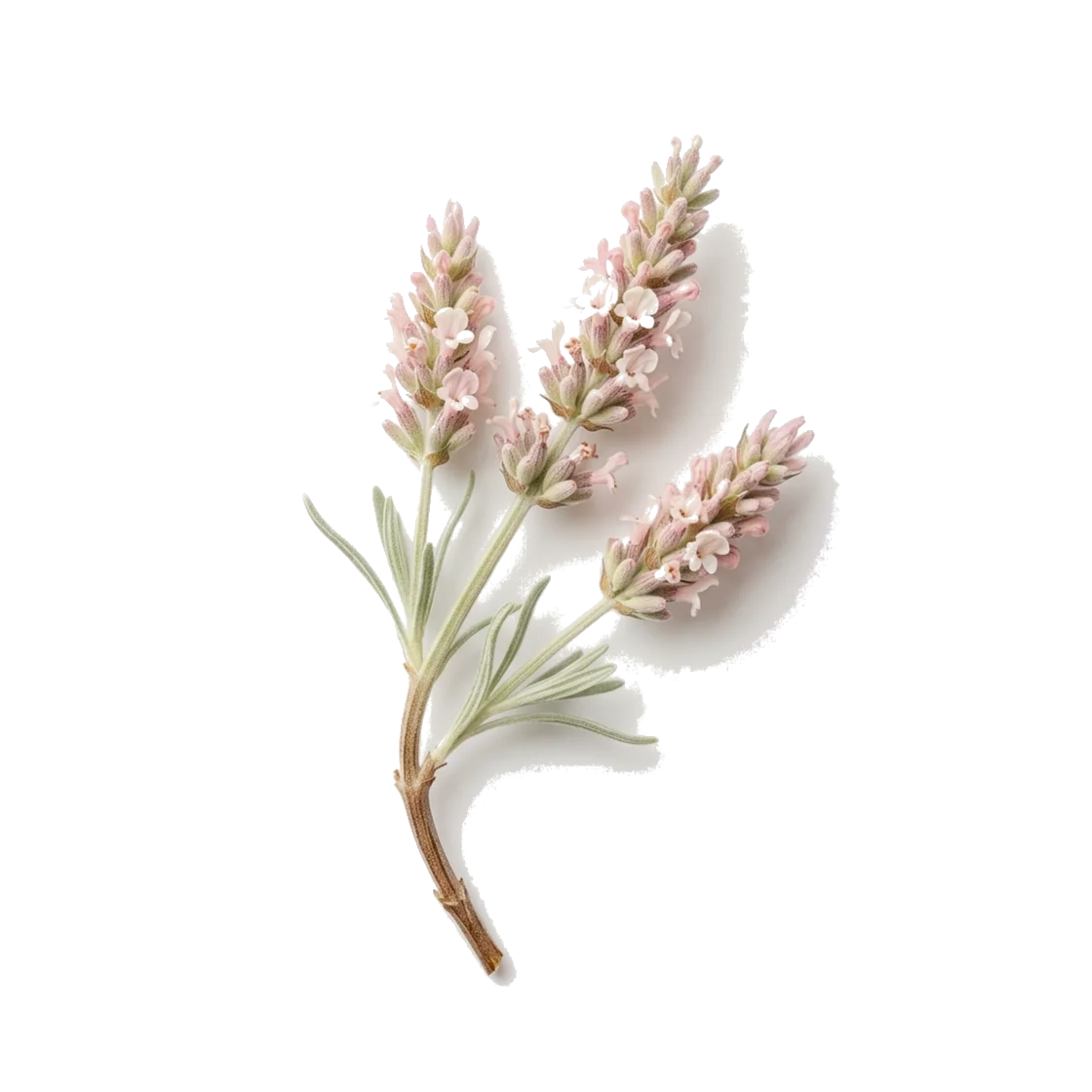
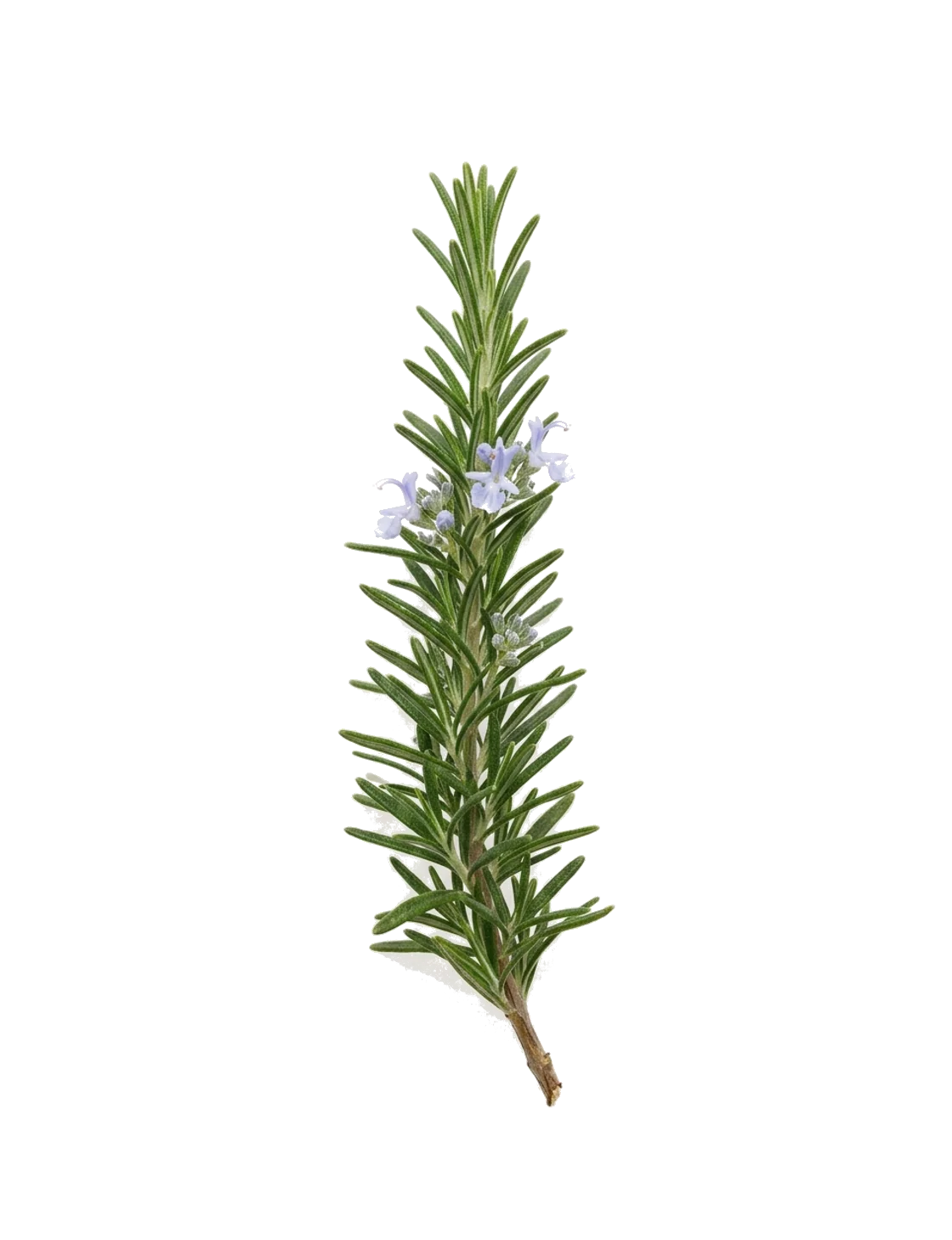
Rosemary (Salvia rosmarinus, formerly classified as Rosmarinus officinalis) is an aromatic, woody perennial shrub native to the rocky coasts of the Mediterranean Basin. It features narrow, needle-like leaves that are dark green above and pale white on their undersides, accompanied by small blossoms ranging from sky blue to lavender or white that release a rich pine-like fragrance.
Adapted to harsh coastal conditions and limestone soils, this plant excels in heat and endures dry spells with ease. It serves as both an essential culinary herb and an ornamental landscape staple in garden borders, raised beds, or patio containers, while functioning as a reliable nectar magnet for honeybees and other pollinators throughout its bloom cycle.
Growing rosemary is remarkably straightforward when its core environmental needs are met: intense sun exposure and fast-draining substrate. Wet roots represent its single greatest hazard, so allowing the root zone to dry out between waterings is essential to keep the foliage vibrant and protect the woody root crown from fungal rot.
Did you know?Its name derives from the Latin ros marinus, meaning 'dew of the sea', referring to its ability to thrive along dry coastal cliffs near ocean mist.
Care. What it needs, point by point.
- Watering
- 7–10 days between wateringsWater thoroughly only when the root zone has dried out completely, which usually means every 7 to 10 days in warm weather and far less often in winter. Test the soil depth with your finger or a moisture meter to confirm no residual dampness remains before watering again.
- Light
- 6–8 h of direct sunRosemary demands full, direct sunlight for at least six to eight hours each day to retain vigor and aromatic oils. If grown indoors, position it beside your brightest south-facing window or under a dedicated grow light.
- Temperature
- 15–28 °C ideal temperatureThe ideal temperature range is between 15 °C and 28 °C during the primary growing season. Mature plants handle brief frosts down to -5 °C or even -10 °C, provided the potting mix remains dry.
- Soil
- Use a gritty, lean, well-draining potting mix incorporating coarse sand, perlite, or pumice with regular soil.
- Fertilizer
- Feed sparingly with a balanced organic fertilizer once in early spring, as over-fertilization diminishes the essential oils and weakens growth.
- Pruning
- Prune lightly right after flowering by snipping green stem tips to encourage bushiness and avoid leggy, bare stems.
- Propagation
- Rosemary roots readily from semi-ripe cuttings taken in spring or late summer. Place 10 cm stem cuttings in moist, sandy substrate under bright indirect light until new growth appears.
Where it grows. In the wild and in homes.
In the wild it grows in Europe, Africa, and temperate Asia, in a temperate climate.
People have also taken it to 16 more regions where it now grows on its own: Europe, Africa, North America, and South and Central America and the Caribbean.
Range: Plants of the World Online, Royal Botanic Gardens, Kew
Is Rosemary toxic to cats and dogs?
Non-toxic to cats and dogs.

Cats
Non-toxic

Dogs
Non-toxic
Source · ASPCA Animal Poison Control
Common problems What tends to go wrong.
- Root rot
- Overwatering
- Too little light
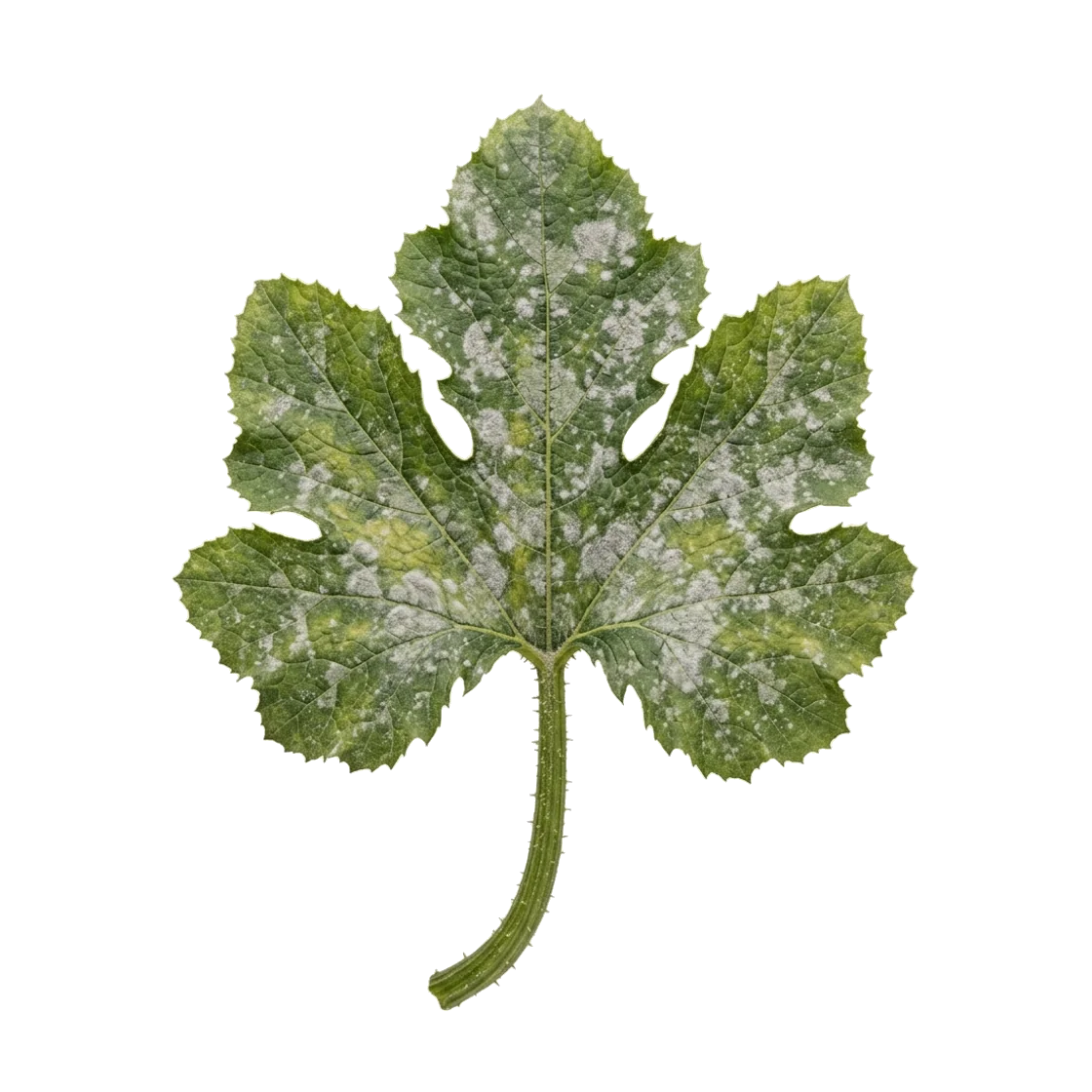
- Powdery mildew



Frequently asked questions What people ask most.
Why are the leaves on my rosemary turning brown and falling off?
Leaf drop and browning are almost always caused by root rot from overwatering or poorly draining soil. Ensure water drains away freely from the pot and let the substrate dry out completely before you irrigate again.
Can rosemary be grown successfully indoors?
Yes, but it is notoriously finicky indoors due to low light levels and dry, stagnant air. Place it directly in your sunniest south-facing windowsill and ensure good airflow around the pot to prevent fungal issues.
When and how should I prune my rosemary bush?
Prune in spring or right after blooming by trimming back the tender green tips by up to one-third. Avoid cutting back into old, bare wood, because woody branches lacking leaves struggle to produce fresh shoots.
Why is my rosemary not blooming?
The primary reasons are insufficient sunlight or excessive nitrogen fertilizer, which forces lush leafy growth at the expense of floral buds. Move your plant into full sun and withhold high-nitrogen plant food.