Prickly pear
Opuntia ficus-indica
Learn how to grow and care for prickly pear (Opuntia ficus-indica): watering guide, full sun requirements, well-draining soil, and propagation tips.
- Light
- 6 hof direct sun
- Watering
- 2weeks between waterings
- Temperature
- 18–32 °Cideal temperature
- Pets
- Non-toxic
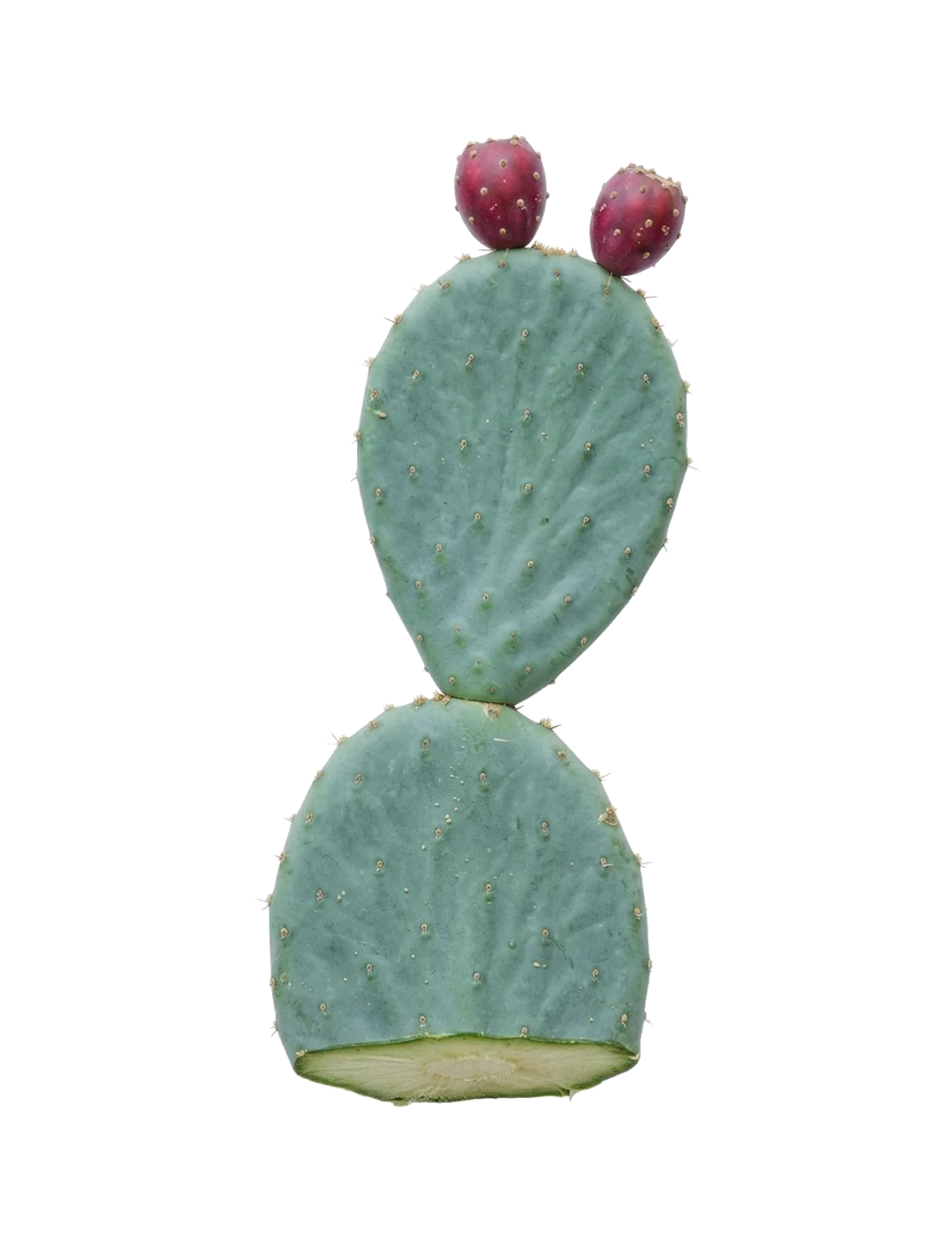
Prickly pear (Opuntia ficus-indica) is an iconic, tree-like cactus native to Mexico that has naturalized across warm, arid regions across the globe. It is instantly recognizable by its large, flattened stem pads known as cladodes, which handle photosynthesis and store substantial amounts of water to survive long dry spells.
During late spring and summer, mature pads yield brilliant yellow or orange flowers along their upper edges, followed by fleshy, edible oval fruits known as tunas. In outdoor landscaping, it develops into a robust, sculptural specimen, though it also thrives comfortably in large patio containers where growth is naturally contained.
Highly resilient and low-maintenance, this cactus shrugs off intense heat and poor soils with minimal fuss. Its main vulnerability is moisture retention around the root zone, meaning it demands hours of daily direct sunlight and gritty, fast-draining substrate to stay vigorous and structurally sound.
Did you know?Prickly pear pads are equipped with microscopic, barbed bristles called glochids, which dislodge easily and stick to the skin to deter herbivores.
Care. What it needs, point by point.
- Watering
- 2 weeks between wateringsWater deeply only after the potting mix has dried out completely from top to bottom, which often means once every two weeks in hot weather. In winter, withhold water almost entirely as the plant rests and cannot absorb moisture in cold conditions.
- Light
- 6 h of direct sunThis cactus demands full direct sunlight for at least six hours each day to flourish. Without adequate light, newly formed pads become thin, pale, and weak.
- Temperature
- 18–32 °C ideal temperatureIt thrives in hot temperatures between 18 °C and 32 °C and tolerates intense summer heat without stress. Protect young plants from extended frosts, as temperatures below -2 °C can damage the pads.
- Soil
- Use a sharply draining cactus mix blended with pumice, coarse sand, or perlite to prevent water retention. Ensure the container has ample drainage holes to let excess water escape immediately.
- Fertilizer
- Feed with a diluted, low-nitrogen cactus fertilizer once or twice during late spring and early summer. Refrain from fertilizing in autumn and winter.
- Pruning
- Prune away damaged, crowded, or misshapen pads by slicing cleanly at the joints using sterilized shears and heavy gloves. Pruning keeps the plant compact and encourages fresh branching.
- Propagation
- Propagate by twisting or cutting off a healthy, mature pad and letting the cut end callus over in a dry spot for a week. Once callused, place it upright in dry, gritty soil until roots establish.
Where it grows. In the wild and in homes.
In the wild it grows in Mexico, in a seasonally dry tropical climate.
People have also taken it to 81 more regions where it now grows on its own: Africa, South and Central America and the Caribbean, temperate Asia, and Europe.
Range: Plants of the World Online, Royal Botanic Gardens, Kew
Is Prickly pear toxic to cats and dogs?
Non-toxic to cats and dogs.

Cats
Non-toxic

Dogs
Non-toxic
Source · ASPCA Animal Poison Control
Common problems What tends to go wrong.
- Root rot
- Mealybugs and scale
- Overwatering
- Cold damage




Frequently asked questions What people ask most.
Why are my prickly pear pads turning soft and yellow?
Soft, discolored pads are almost always caused by overwatering or poor drainage leading to root rot. Allow the potting medium to dry out thoroughly, reduce your watering routine, and prune away any severely decayed tissue.
What are the fuzzy white spots on my cactus?
Those fuzzy white patches are cochineal scale insects, which frequently target prickly pear cacti. Remove them manually using a cotton swab dipped in rubbing alcohol and treat with insecticidal soap if the infestation spreads.
Why are the new pads growing thin and elongated?
This stretching is known as etiolation and happens when the cactus does not receive enough direct sunlight. Relocate your plant to the sunniest outdoor spot or a south-facing window so new growth develops thick and compact.
When and how should I repot my prickly pear?
Repot every two to three years in early spring when the root ball fills the container. Always wrap folded cardboard or carpet scraps around the pads and wear thick leather gloves to handle the plant safely.