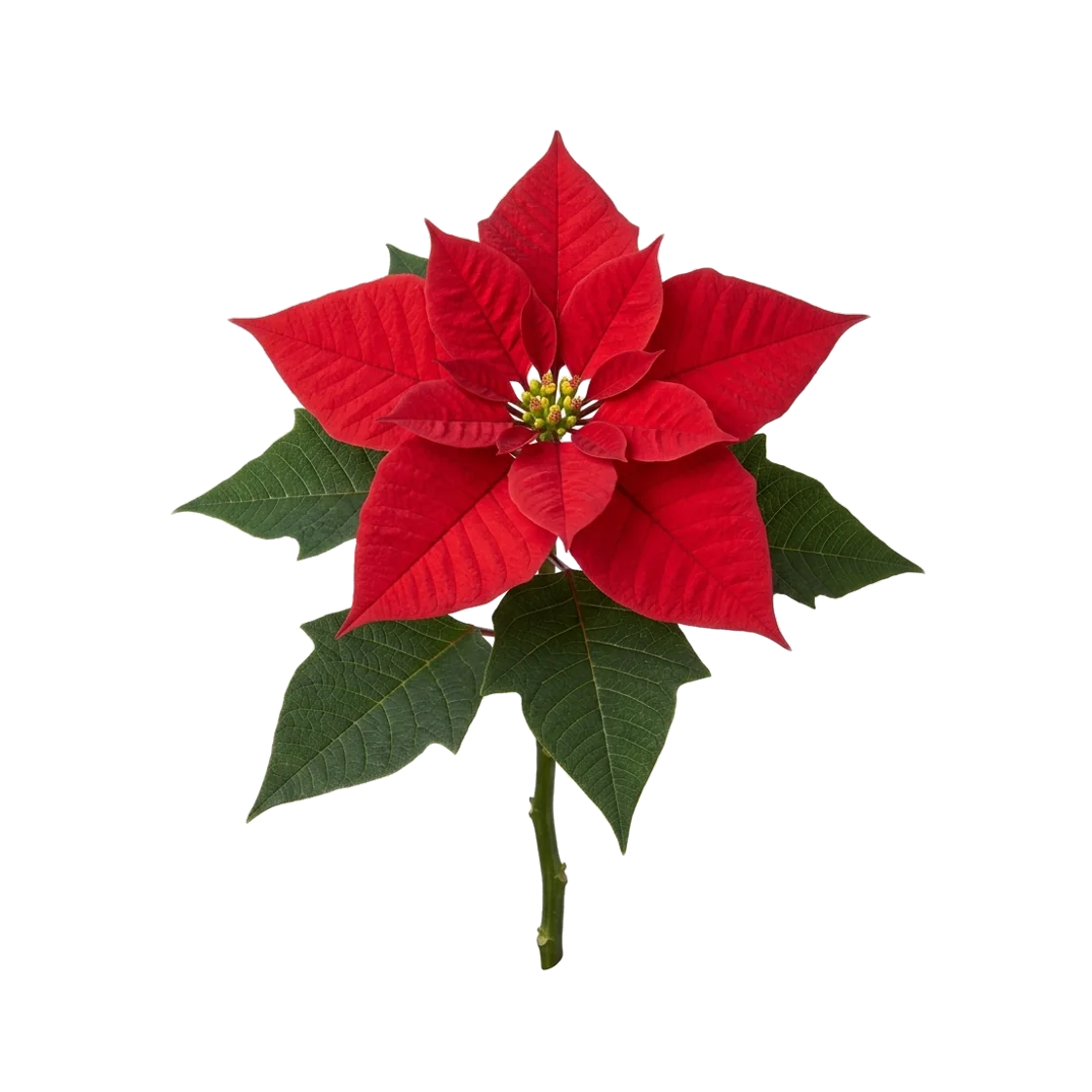
The poinsettia is a classic deciduous shrub native to Mexico, celebrated worldwide as an iconic winter holiday plant. The stunning red, pink, or cream foliage that makes it famous consists not of flower petals, but of modified leaves known as bracts. These colorful clusters frame the tiny, inconspicuous yellow flowers nestled at their center.
While often treated as a temporary seasonal decoration, poinsettias are perennial plants capable of growing into large woody shrubs when cultivated outdoors in frost-free regions. Indoors, they thrive in bright spaces with consistent temperatures and moderate humidity. They are particularly sensitive to abrupt environmental shifts, cold drafts, and dry radiator air.
Keeping a poinsettia thriving beyond the holiday season is an achievable and rewarding gardening goal. By cutting the stems back in spring and providing a strict regimen of daily uninterrupted darkness in early autumn, you can encourage the plant to produce a brand-new show of vibrant bracts year after year.
Did you know?The vivid red displays on poinsettias are actually modified leaves called bracts rather than flowers, which are tiny yellow buds at the center.
Care. What it needs, point by point.
- Watering
- 1–2× a weekWater once or twice a week only when the top inch of potting soil feels dry to the touch. Always empty any runoff water from the saucer promptly to protect the delicate root system from rot.
- Light
- IndirectProvide plenty of bright, indirect sunlight throughout the day to sustain healthy foliage. Keep the plant shielded from direct, scorching midday sun, which can bleach or burn the bracts.
- Temperature
- 16–22 °C ideal temperatureMaintain daytime temperatures between 16 °C and 22 °C, keeping the room comfortable and steady. Avoid exposing the plant to drafts or chilly spots below 12 °C, which cause immediate leaf drop.
- Soil
- Use a well-draining potting mix rich in peat moss or coco coir, amended with perlite to ensure rapid drainage.
- Fertilizer
- 2–3 weeks between feedsFeed every two to three weeks with a balanced liquid houseplant fertilizer from late spring through early autumn.
- Pruning
- Cut the stems back to about four inches above the soil in mid-spring to promote bushy, fresh growth.
- Propagation
- Propagate by taking stem cuttings in late spring or early summer using healthy new shoots. Dip the cut ends in cool water to stop the sap flow before planting them in moist rooting medium.
Where it grows. In the wild and in homes.
In the wild it grows in Mexico and Central America, in a seasonally dry tropical climate.
People have also taken it to 31 more regions where it now grows on its own: South and Central America and the Caribbean, Africa, tropical Asia, and temperate Asia.
The Florami community has photographed it in España.
Range: Plants of the World Online, Royal Botanic Gardens, Kew
Is Poinsettia toxic to cats and dogs?
Toxic to cats and dogs.

Cats
Toxic

Dogs
Toxic
Usual signs
It can irritate the mouth and stomach and occasionally cause vomiting, though its toxicity is generally overrated.
If your pet has chewed it and shows symptoms, call your vet or the nearest emergency vet.
Source · ASPCA Animal Poison Control
Gallery As the community sees it.
Photo · Frank Vincentz · CC BY-SA 3.0
Common problems What tends to go wrong.
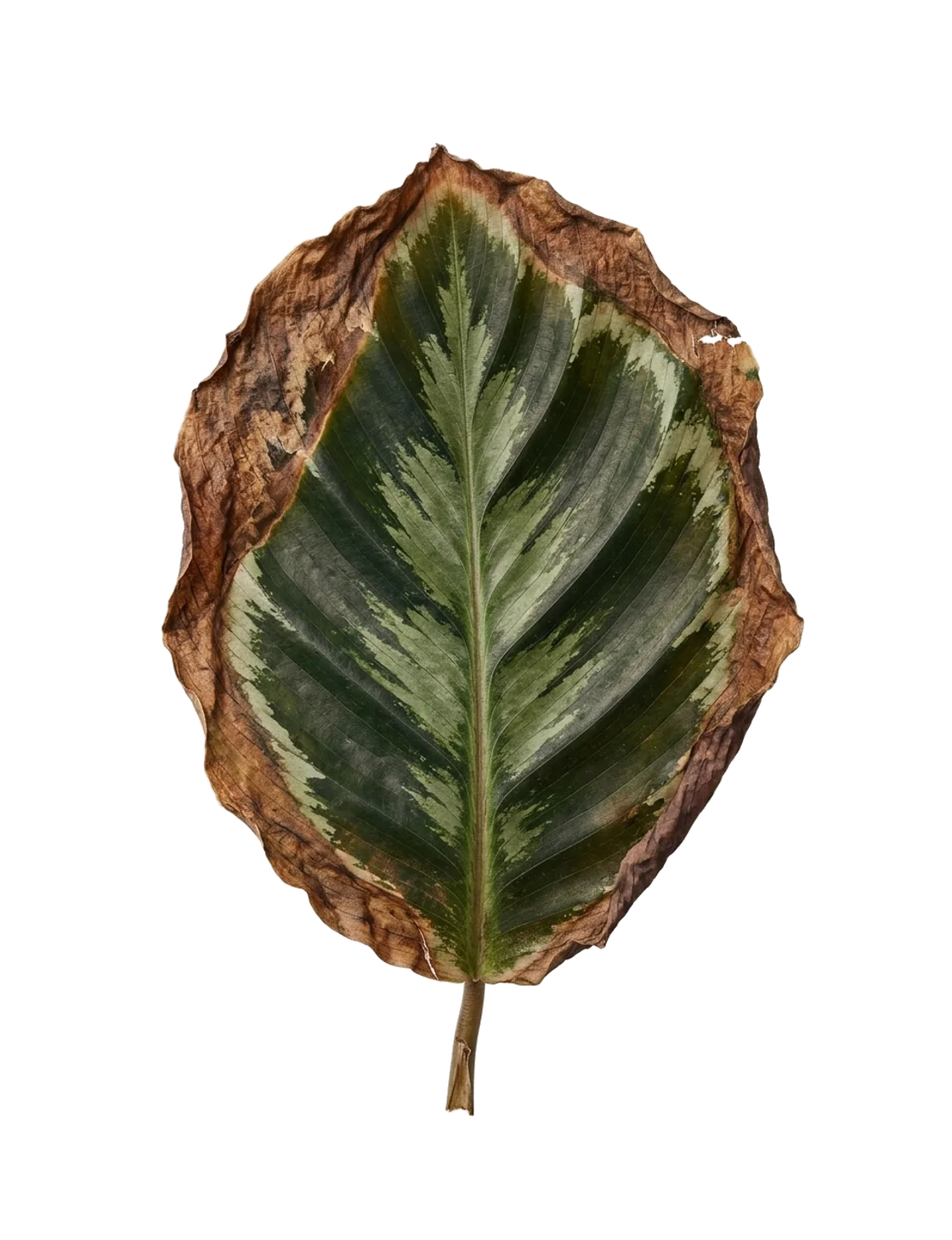
- Root rot
- Overwatering
- Cold damage
- Dry air
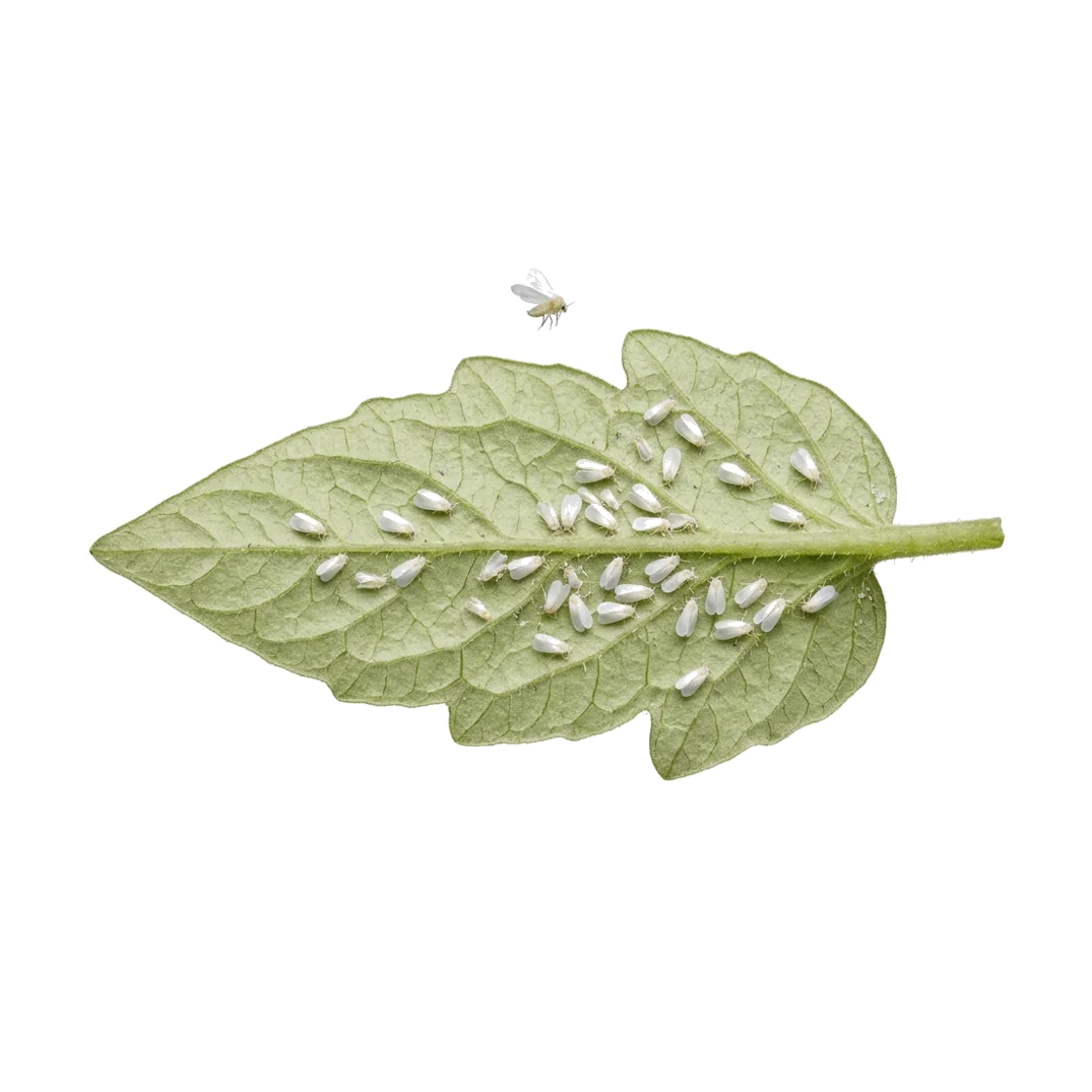
- Whitefly



Frequently asked questions What people ask most.
Why is my poinsettia dropping its leaves?
Leaf loss is usually triggered by exposure to cold drafts, rapid temperature shifts, or soggy soil from overwatering. Ensure the plant sits away from drafty windows, air vents, and heating radiators.
How do I get my poinsettia to turn red again?
Starting in late September, place the plant in total, uninterrupted darkness for about fourteen hours every night for eight to ten weeks. During daytime hours, return it to bright indirect light and maintain routine care.
How often should I water my poinsettia?
Watering is typically needed once or twice per week depending on room temperature and humidity. Check the soil moisture first and water only when the surface layer feels dry.
What should I do with the plant after the holidays?
Continue watering moderately until late winter when the bracts naturally fade and fall off. Prune the stems in spring, refresh the soil, and place the pot in bright light to support vigorous new growth.