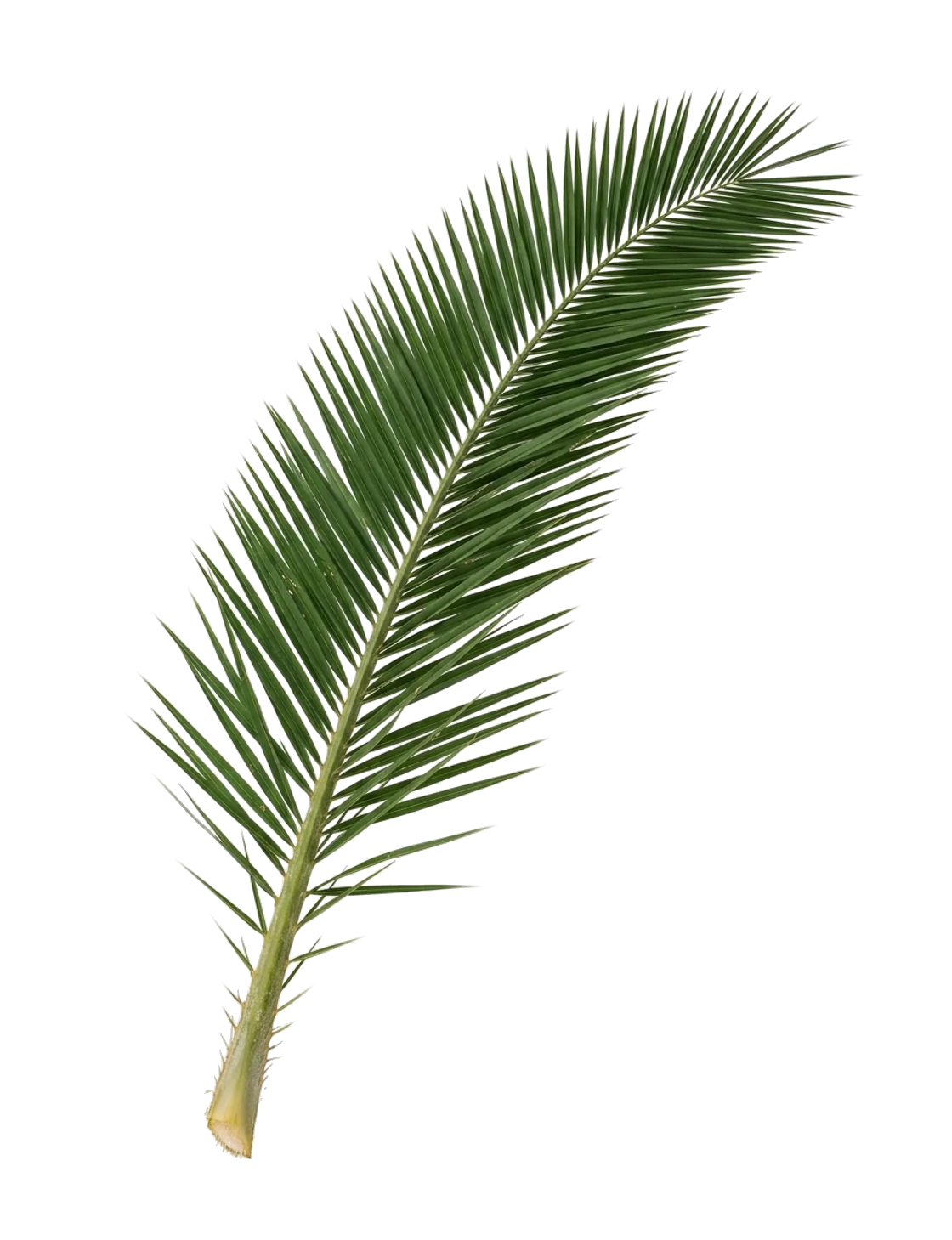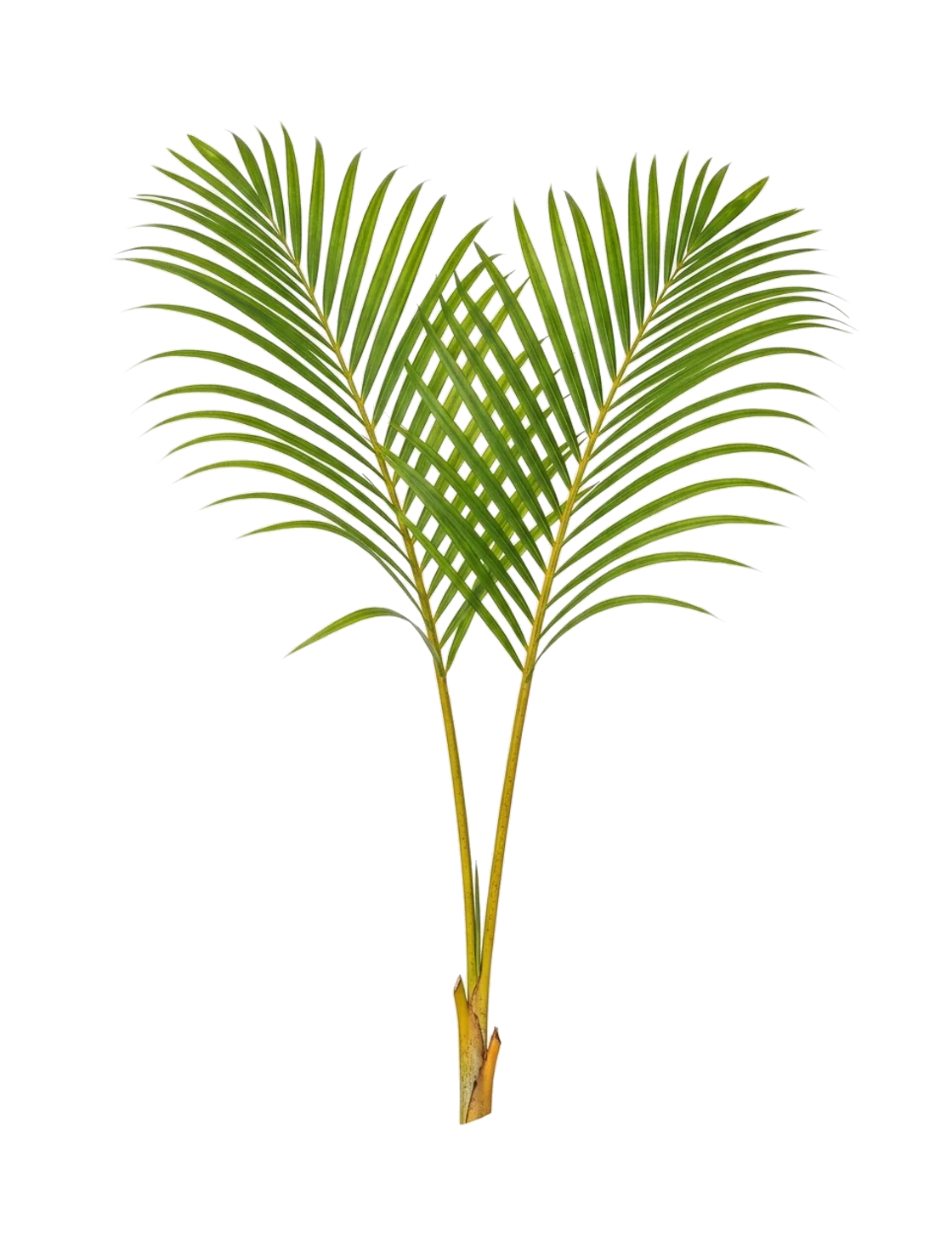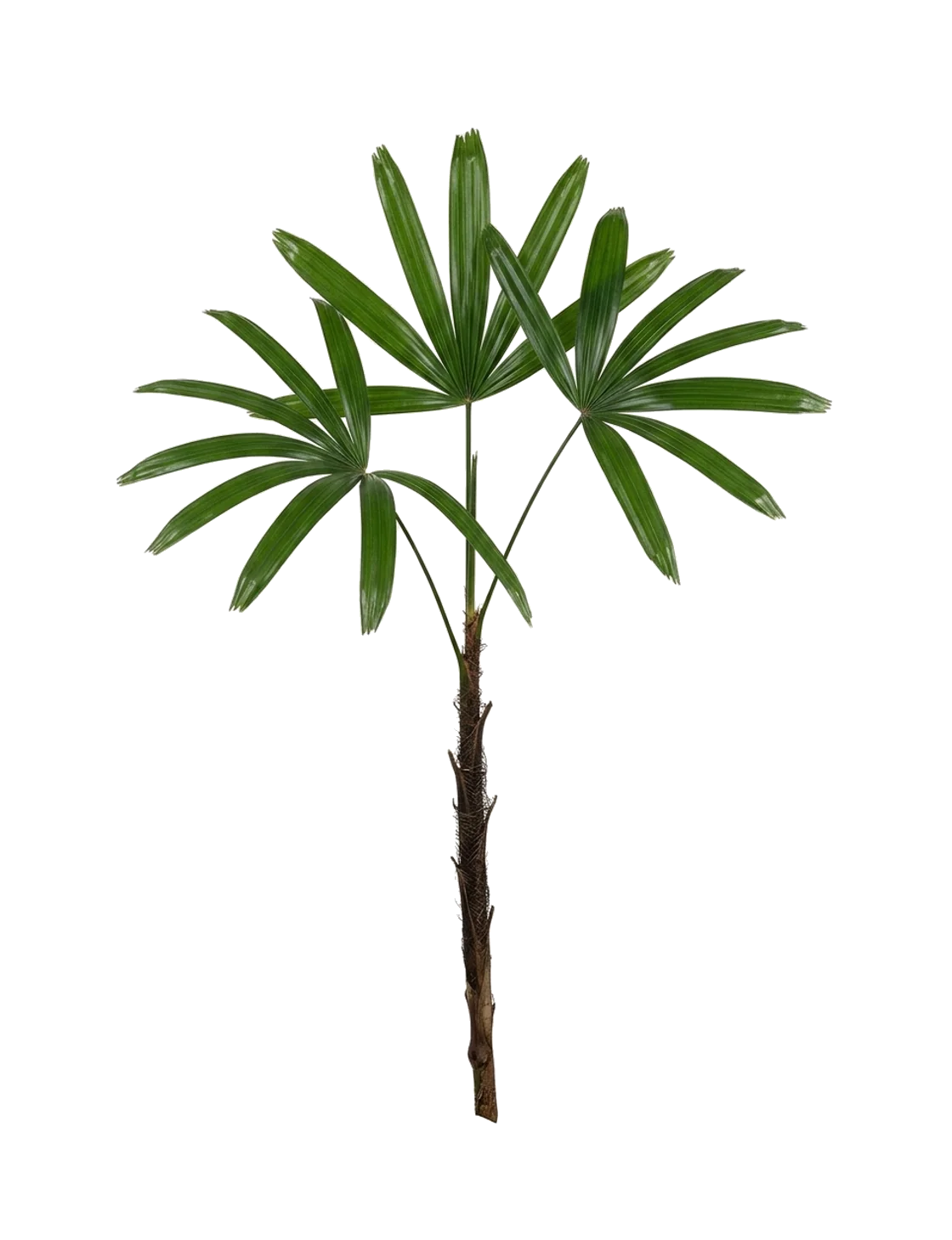
The parlor palm, botanically known as Chamaedorea elegans, is one of the most beloved and durable indoor palms in cultivation. Native to the dense rainforests of Mexico and Guatemala, this charming plant features delicate, arching fronds that bring a graceful tropical feel to any room. Its compact size and slow growth rate make it particularly well suited for apartments, office desks, and cozy corners where larger palms would quickly outgrow their space.
In the wild, this species thrives beneath thick forest canopies, which explains its exceptional tolerance for lower light conditions compared to most other palms. While it adapts gracefully to medium or low indirect light, it truly flourishes in bright, filtered spots away from harsh sunbeams that could scorch its foliage. It is remarkably forgiving of occasional neglect, provided its potting mix allows excess water to drain freely away from the sensitive root system.
Keeping a parlor palm vibrant over time largely comes down to providing moderate humidity and steady warmth. Dry indoor air from winter heaters can cause the delicate leaf tips to turn brown and crisp, so regular misting or using a pebble tray helps maintain its fresh green appearance. With modest watering and a gentle wipe down to remove dust, this resilient palm remains a loyal, low-maintenance houseplant for decades.
Did you know?It became a beloved status symbol in Victorian England because it easily survived the dim light, drafty rooms, and coal smoke of 19th-century homes.
Care. What it needs, point by point.
- Watering
- 1× a weekWater roughly once a week during spring and summer, cutting back to every 10 to 15 days in the winter months. Always check that the top inch or two of potting soil has dried out before giving it another drink.
- Light
- IndirectThis palm thrives best in bright, indirect light, though it tolerates medium and even relatively low light settings. Keep it strictly shielded from harsh direct sun, which will quickly bleach and scorch the delicate leaflets.
- Temperature
- 18–24 °C ideal temperatureAim for a comfortable temperature range between 18 °C and 24 °C throughout the year. Protect the plant from cold drafts, air conditioning vents, and drops below 10 °C.
- Soil
- Choose a well-draining indoor potting mix enriched with perlite or coarse sand to prevent stagnant water around the roots.
- Fertilizer
- Feed once a month from spring through late summer using a balanced liquid houseplant fertilizer diluted to half strength.
- Pruning
- Pruning is limited to trimming off old, naturally browned fronds near the base using sharp, sanitized shears.
- Propagation
- Propagation is almost exclusively done by germinating fresh seeds under warm and humid conditions, though it requires several months. While nurseries often pot multiple seedlings together, dividing established root clusters can cause shock and should be done with great care.
Where it grows. In the wild and in homes.
In the wild it grows in Mexico and Central America, in a seasonally dry tropical climate.
Range: Plants of the World Online, Royal Botanic Gardens, Kew
Is Parlor palm toxic to cats and dogs?
Non-toxic to cats and dogs.

Cats
Non-toxic

Dogs
Non-toxic
Source · ASPCA Animal Poison Control
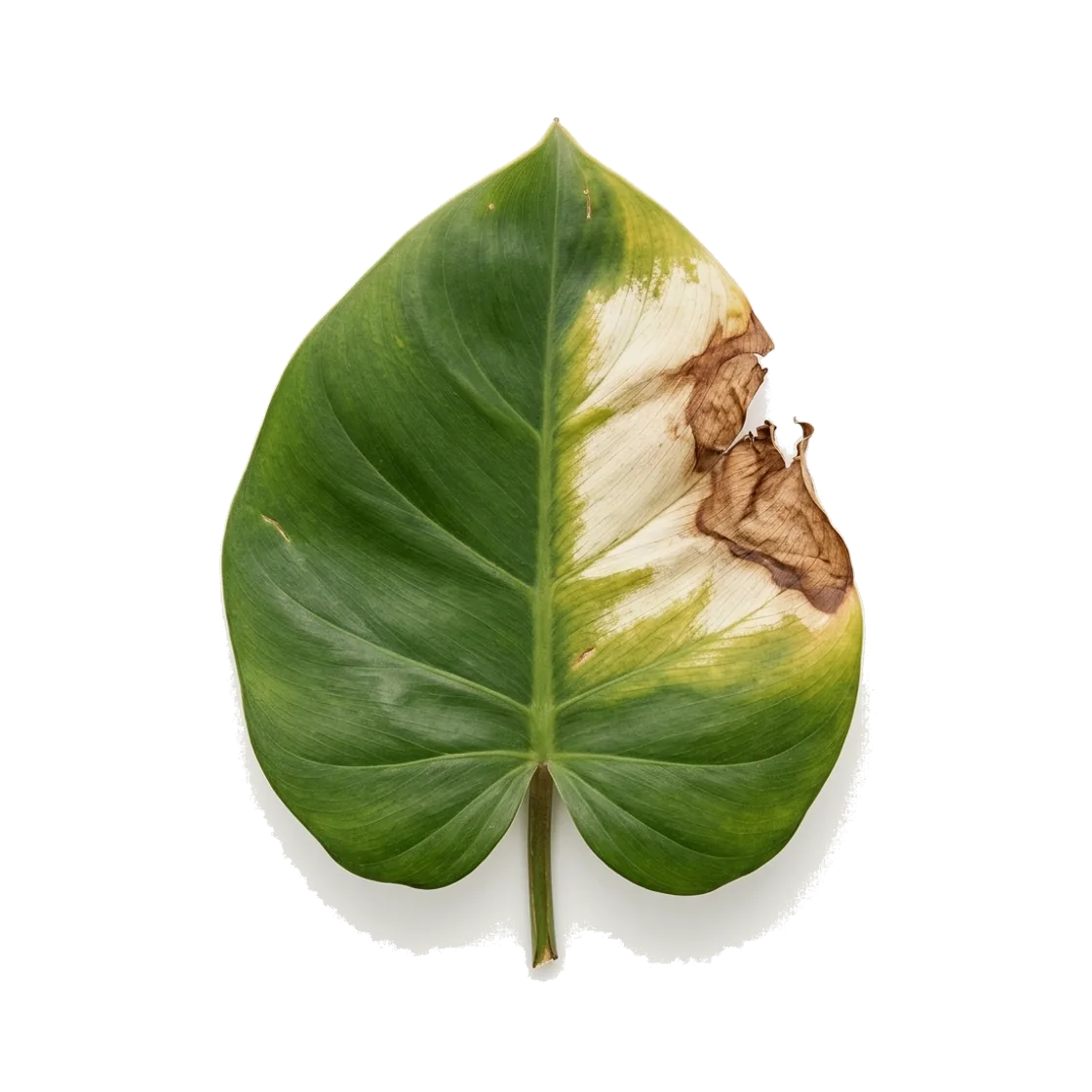
Common problems What tends to go wrong.
- Root rot
- Dry air
- Overwatering
- Sunburn
- Spider mites
- Mealybugs and scale




Frequently asked questions What people ask most.
Why are the leaf tips turning brown and dry?
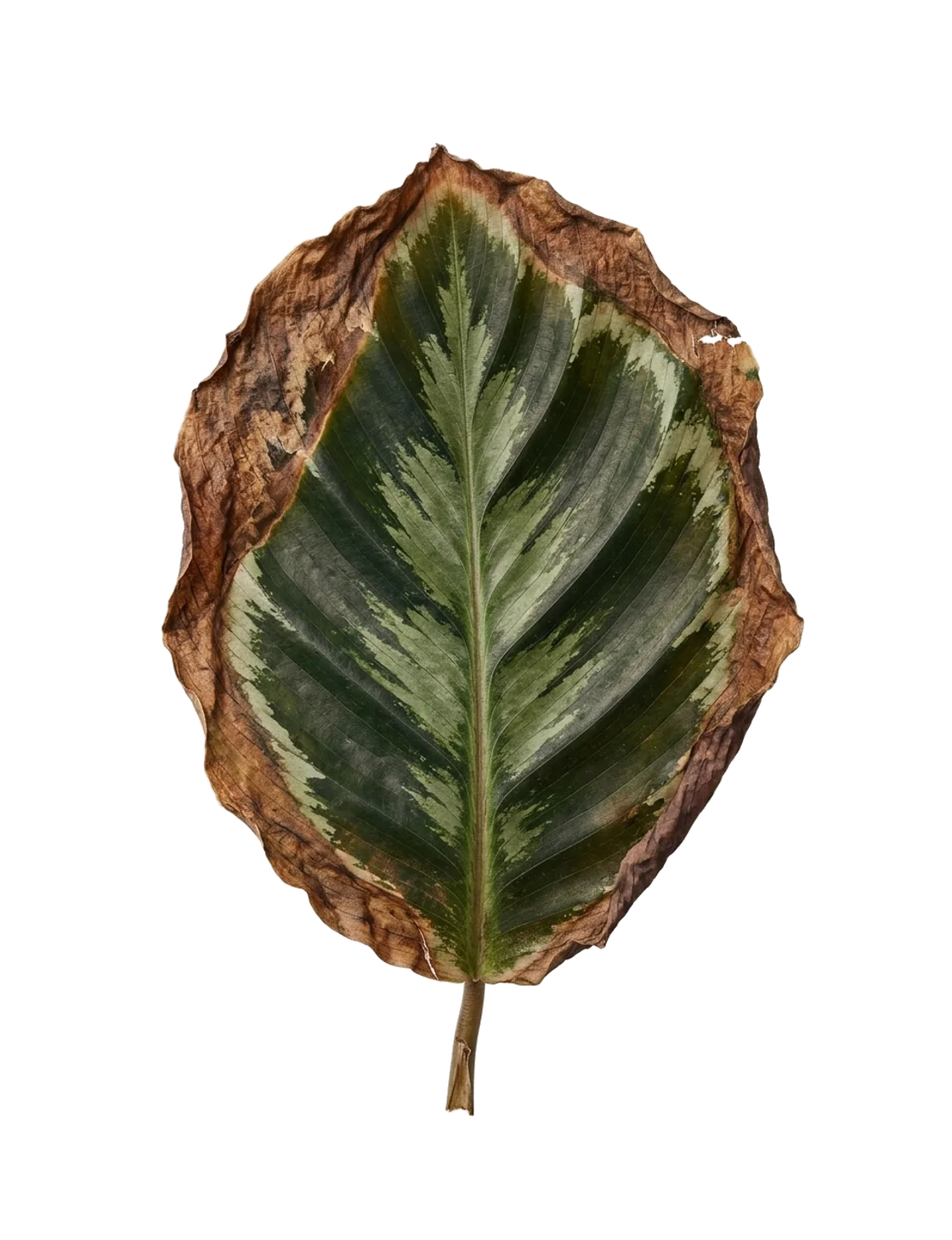
Brown tips are almost always caused by dry indoor air, low humidity, or irregular watering practices. Boost surrounding moisture by grouping plants or misting the foliage, and avoid placing it near heating radiators.
Why are my parlor palm fronds turning yellow?
Yellowing fronds typically indicate overwatering or poorly draining soil, which suffocates the root system. Allow the top layer of soil to dry out before watering again, and inspect the fronds to rule out pests like spider mites.
How big does a parlor palm get indoors?
It is a slow-growing palm that usually reaches between 2 and 4 feet (60 to 120 cm) tall indoors. Because it grows at a modest pace, it will stay compact and manageable for many years without taking over.
How often does it need to be repotted?
Repot only every two to three years in the spring when roots visibly crowd the pot. Parlor palms have delicate root systems and actually prefer slightly snug pots, so choose a new container just one size larger.