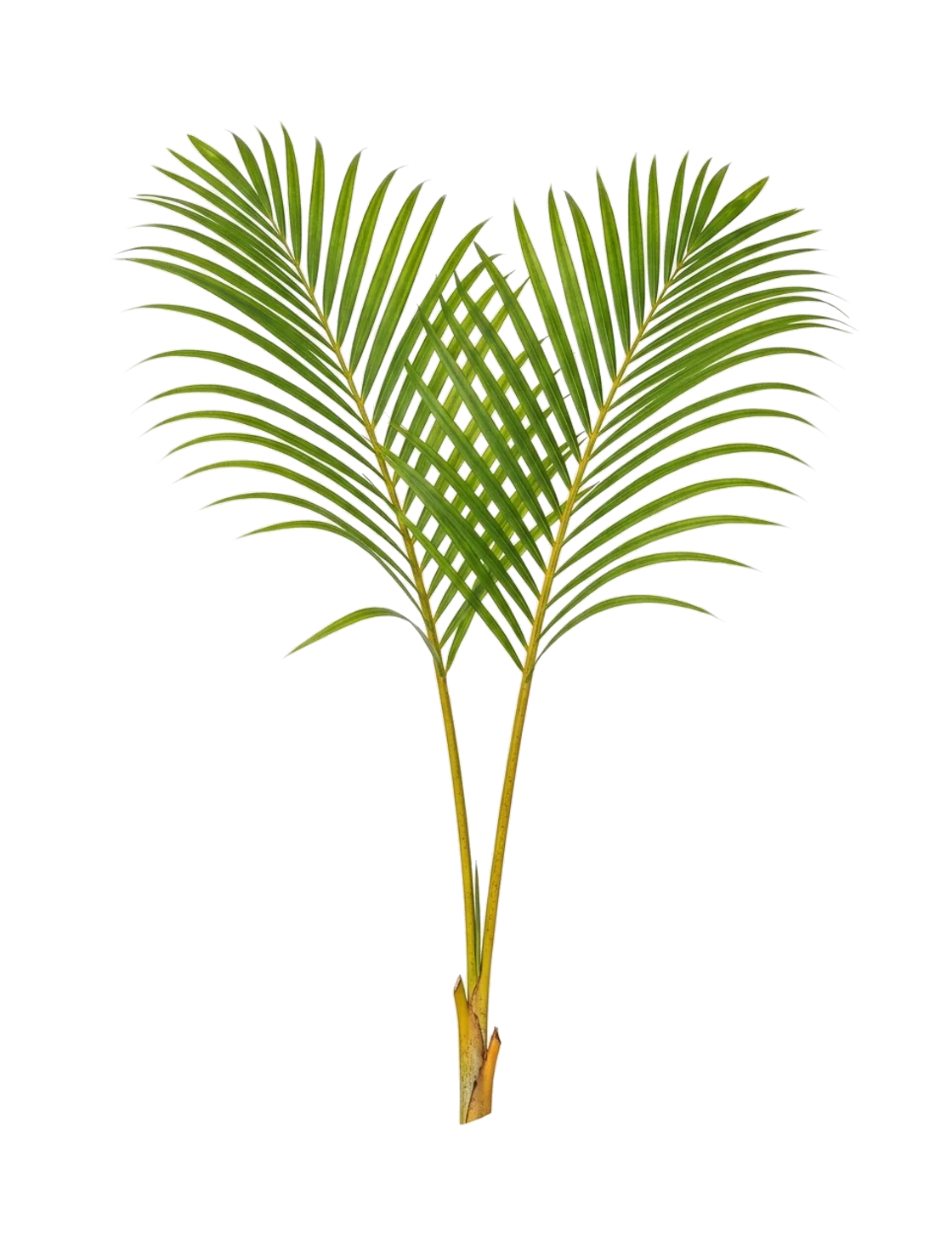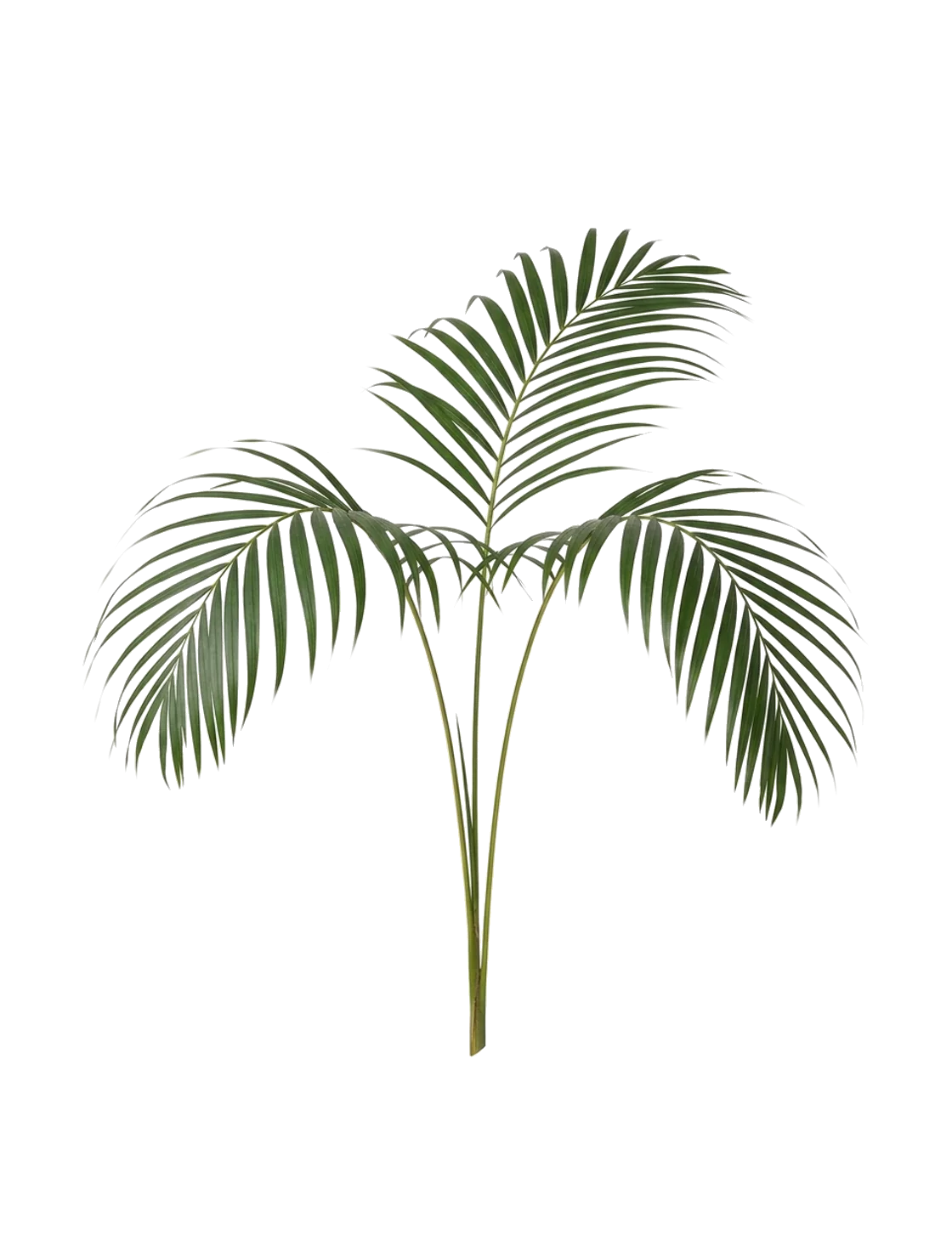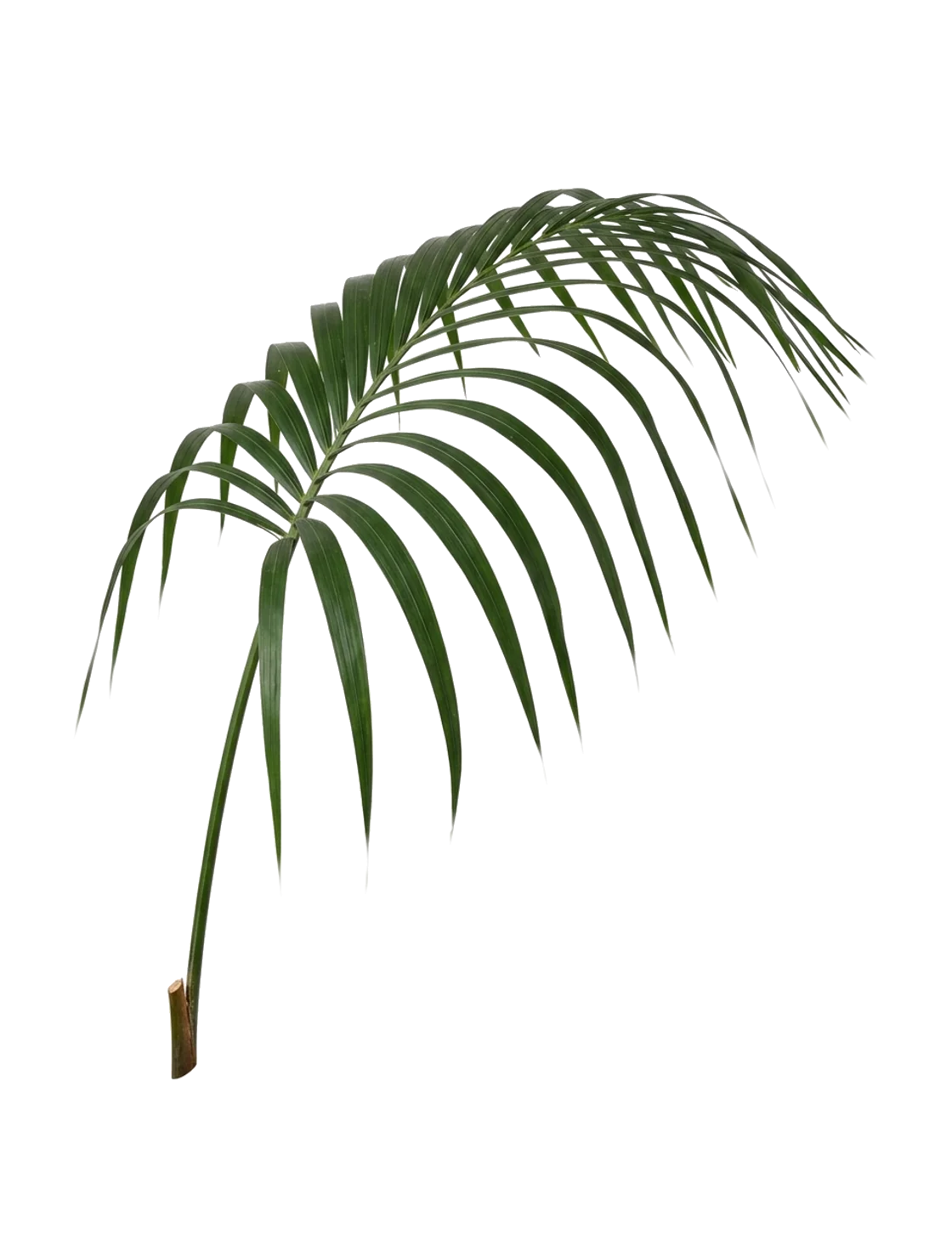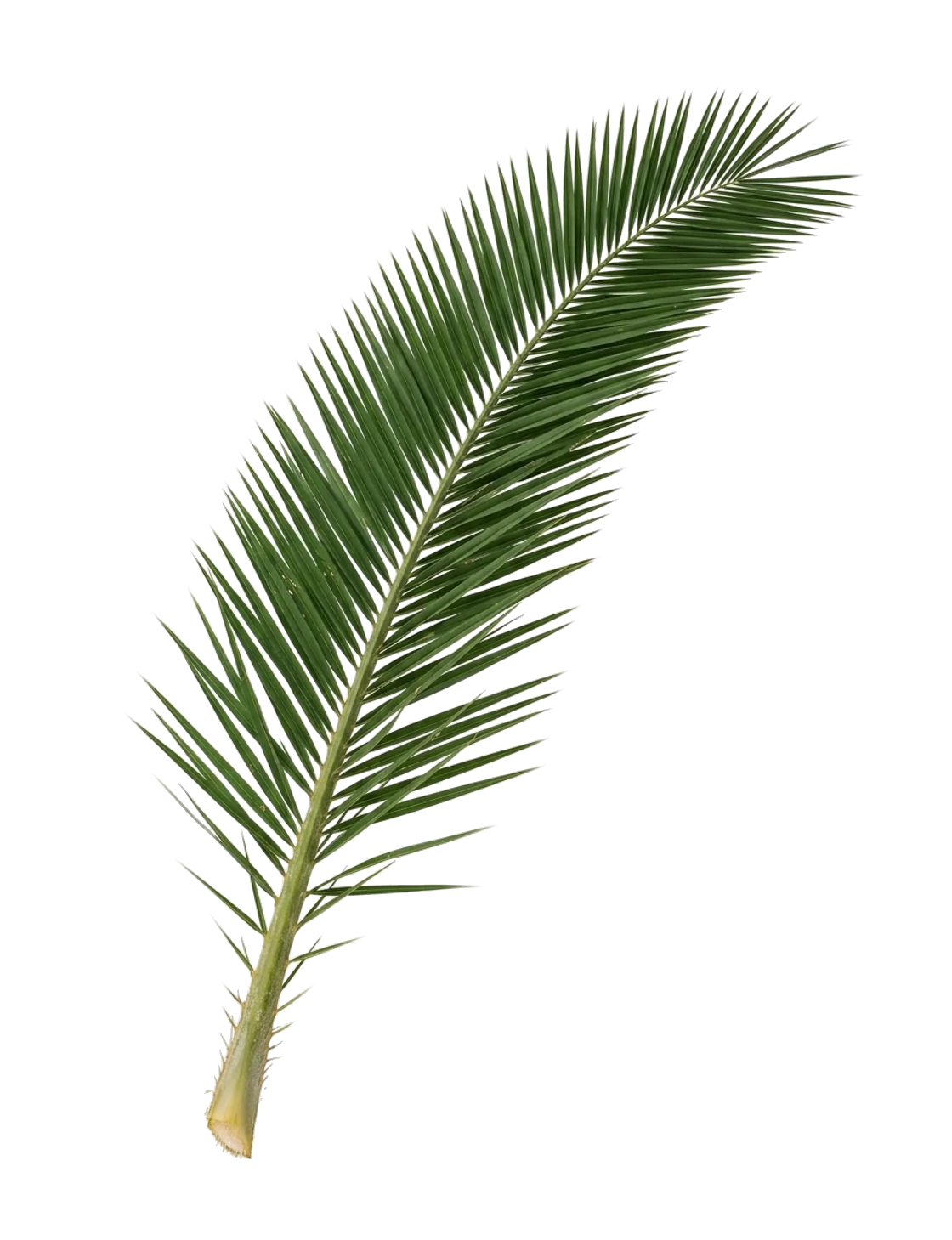
The Canary Island date palm (Phoenix canariensis) is one of the most widely planted and recognizable ornamental palms across warm-temperate landscapes worldwide. Endemic to the Canary Islands archipelago, it is celebrated for its thick, columnar trunk patterned with old leaf bases and a massive crown of deep green, gracefully arching pinnate fronds that can extend up to fifteen feet in length.
Renowned for its rugged resilience, this palm adapts well to a broad range of growing conditions once properly established. While juvenile specimens are frequently cultivated in large containers for sunny patios, terraces, or very bright conservatories, mature specimens develop an extensive root system and substantial bulk, making open outdoor ground their ultimate long-term home.
Providing plenty of direct sunlight and sharply draining soil are the fundamental requirements to keep this stately palm thriving. It tolerates poor soil, seaside winds, and seasonal drought with remarkable ease, though steady watering during the peak growing season and periodic feeding with palm-specific micronutrients will reward you with lush, deep-green foliage.
Did you know?In the Canary Islands, especially on La Gomera, the sap of this palm is harvested to produce a traditional sweet syrup known as palm honey. It also serves as the official plant symbol of the archipelago.
Care. What it needs, point by point.
- Watering
- 1–2× a weekAllow the top two to three inches of potting mix to dry out completely before watering container-grown plants, which typically means once or twice a week in summer. Established palms planted in the ground are drought tolerant and only need deep watering every two weeks during dry, hot spells.
- Light
- Full sunThis palm thrives best in full direct sun throughout the entire day. Younger specimens tolerate partial shade, but growth will be considerably slower and fronds less dense.
- Temperature
- It withstands high summer heat exceeding 35 °C as well as brief winter freezes down to -6 °C in dry soil conditions. Potted specimens have more vulnerable roots and should be sheltered from prolonged freezing temperatures.
- Soil
- Plant in a porous, fast-draining potting blend that prevents water from sitting around the root zone. A standard potting soil amended with coarse sand or perlite works exceptionally well.
- Fertilizer
- Feed with a specialized palm fertilizer high in potassium and magnesium once a month from spring through late summer. Stop fertilizing in autumn to avoid stimulating tender new growth right before winter.
- Pruning
- Prune away only entirely brown, dead fronds by cutting them close to the trunk base. Never remove healthy green fronds, as this robs the palm of essential stored nutrients and slows down growth.
- Propagation
- Propagate by soaking fresh seeds in warm water for two days, then sowing them in a moist seed-starting mix. Germination requires warmth and typically takes between two and three months.
Where it grows. In the wild and in homes.
In the wild it grows in Macaronesia, in a subtropical climate.
People have also taken it to 17 more regions where it now grows on its own: Australasia, Africa, Europe, and South and Central America and the Caribbean.
Range: Plants of the World Online, Royal Botanic Gardens, Kew
Is Canary Island date palm toxic to cats and dogs?
Non-toxic to cats and dogs.

Cats
Non-toxic

Dogs
Non-toxic
Source · ASPCA Animal Poison Control
Gallery As the community sees it.
Photo · Kahuroa · Public domain
Common problems What tends to go wrong.
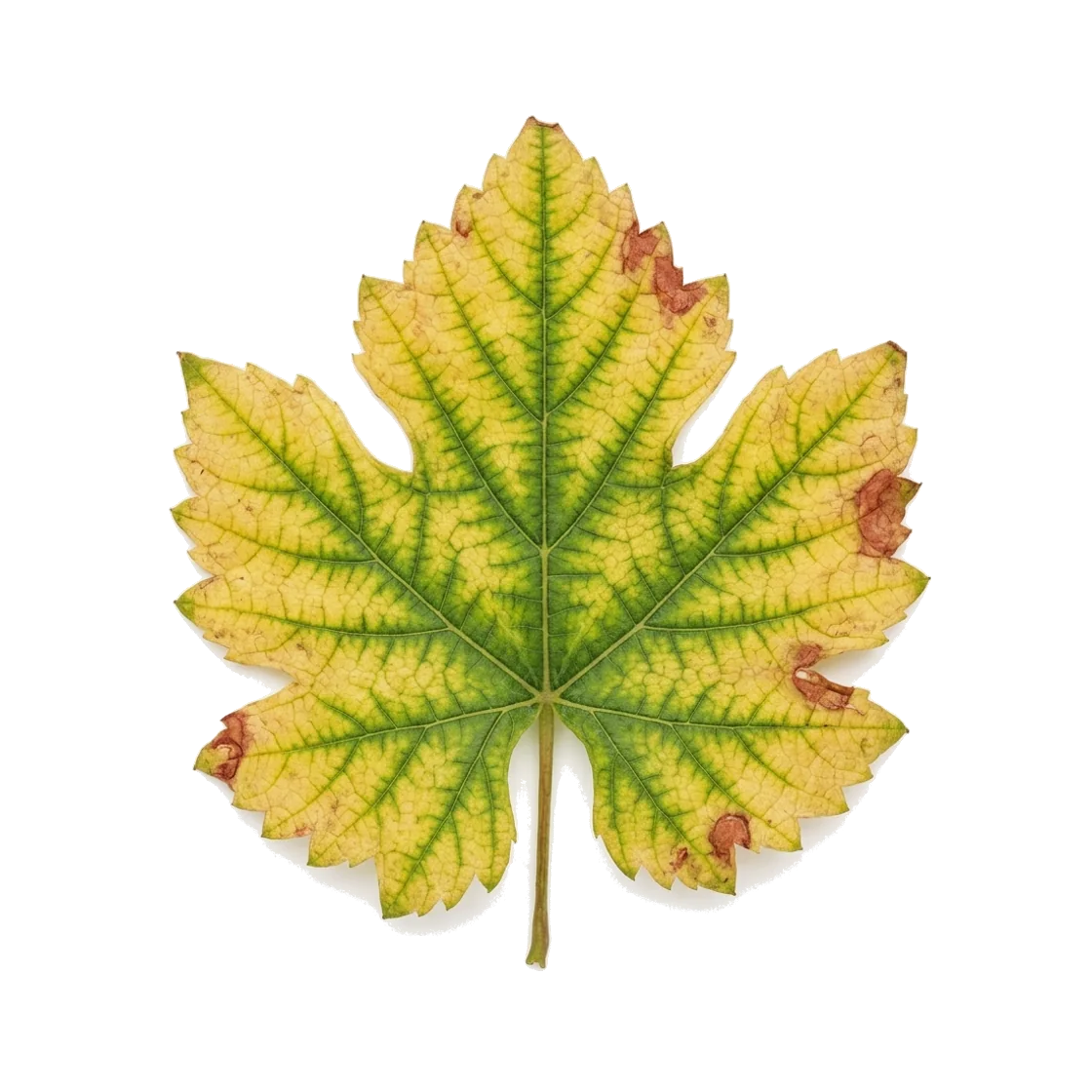
- Magnesium deficiency
- Mealybugs and scale
- Root rot
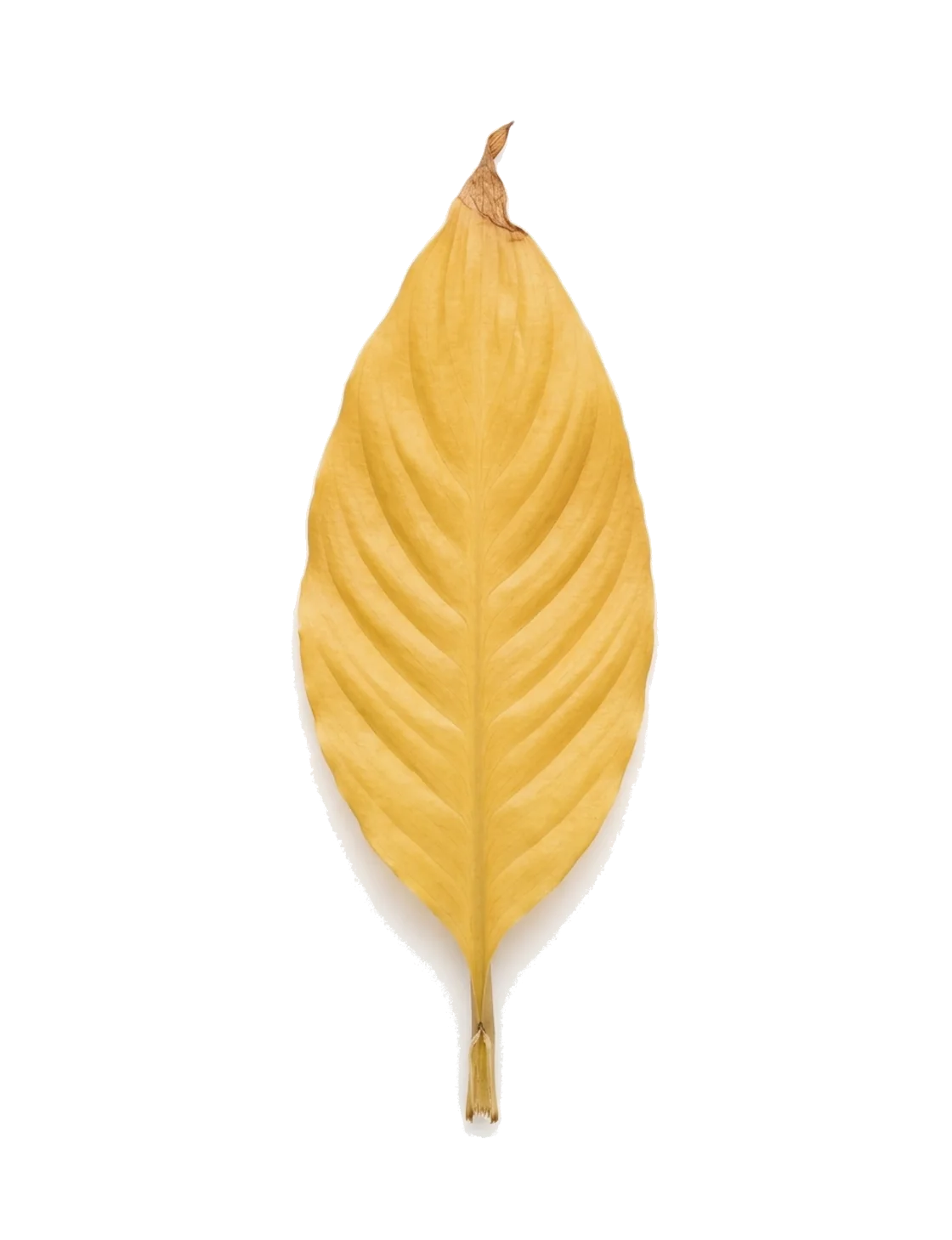
- Natural ageing


Frequently asked questions What people ask most.
Why are the lower fronds on my Canary Island date palm turning yellow?
Yellowing of the oldest bottom leaves is often a natural part of the palm shedding aged fronds. If multiple leaves yellow rapidly, it usually indicates a deficiency in magnesium or potassium, or soggy soil restricting root oxygen.
Can I grow a Canary Island date palm as an indoor houseplant?
Only young specimens can manage indoors, and only in a spot that receives several hours of unfiltered direct sunlight each day. Given its eventual size and rapid root growth, it will outgrow indoor spaces after a few years.
How do I treat brown spots on the palm leaves?
Brown spotting usually stems from fungal leaf spot caused by wet foliage or from heat scorch when underwatered in severe heat. Always water the soil directly rather than the leaves and ensure good air movement.
How should I protect my Canary Island date palm in freezing weather?
Established palms in mild winter zones need no extra care, but wrapping the crown with breathable frost fleece protects the growing spear in severe cold snaps. Bring container plants indoors or tuck them against a sheltered, south-facing exterior wall.