Lady palm
Rhapis excelsa
Discover lady palm (Rhapis excelsa) care: watering schedules, low light tolerance, soil tips, and propagation advice for lush, thriving indoor foliage.
- Light
- Indirect
- Watering
- 7–10days between waterings
- Temperature
- 16–26 °Cideal temperature
- Toxicity
- Non-toxic
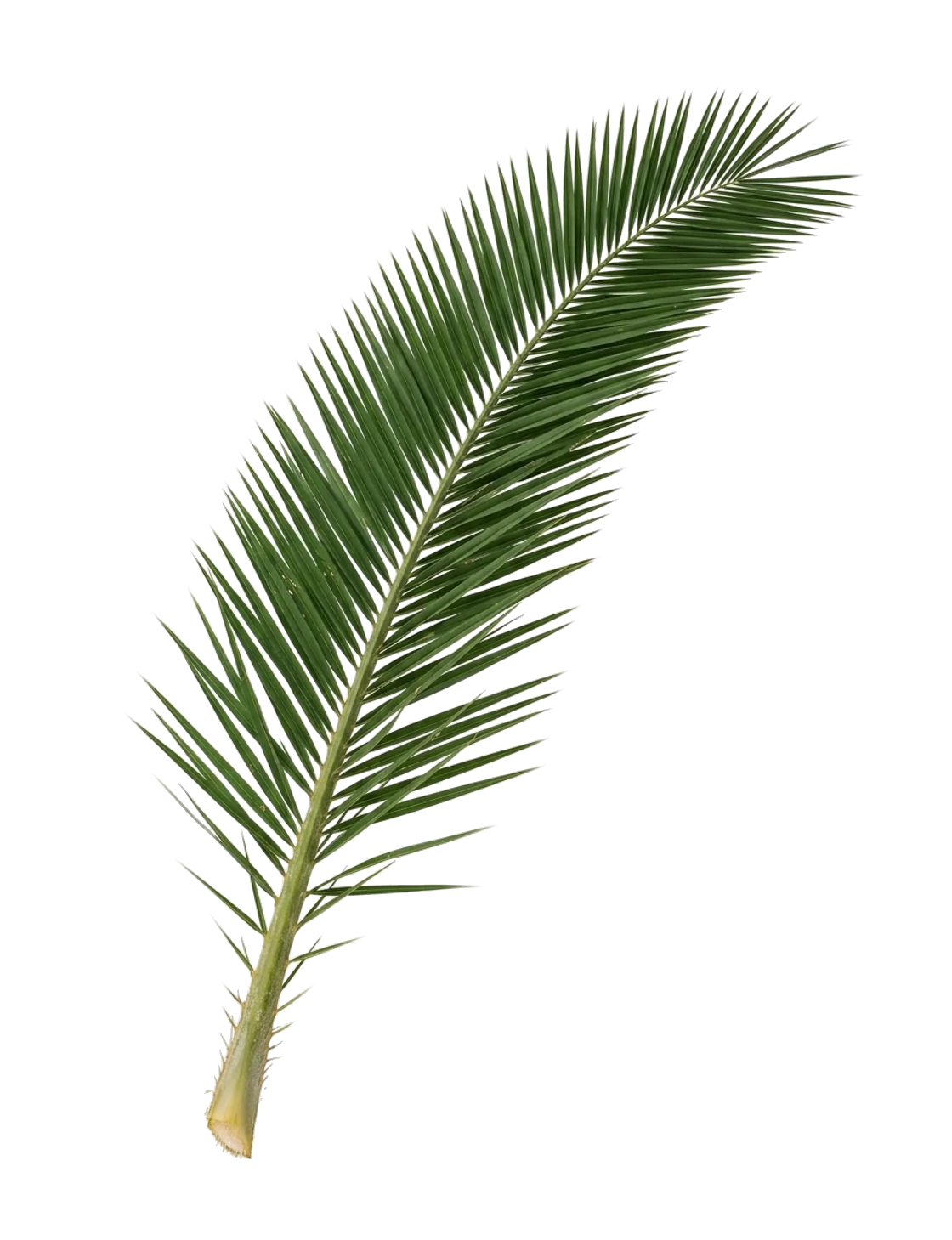
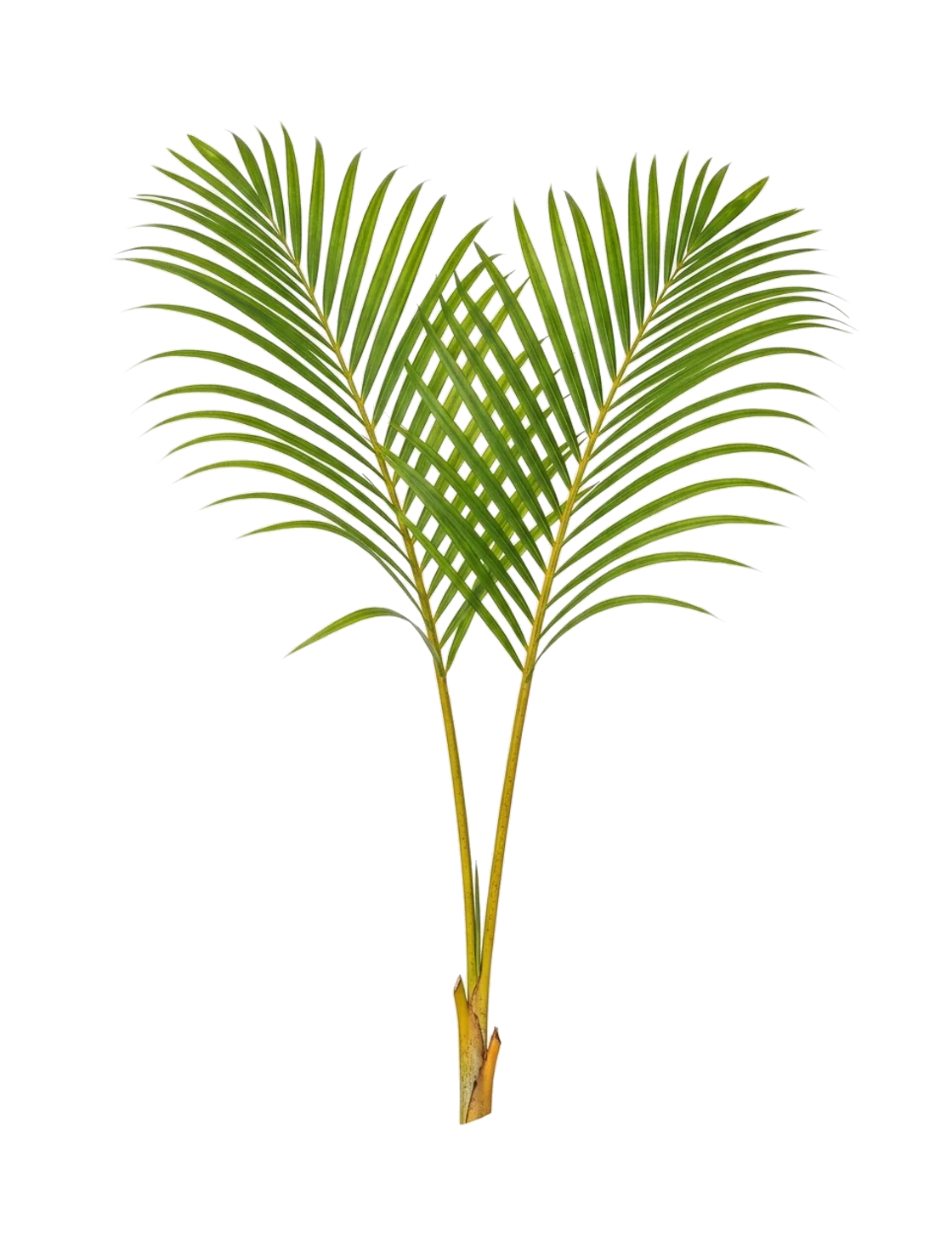
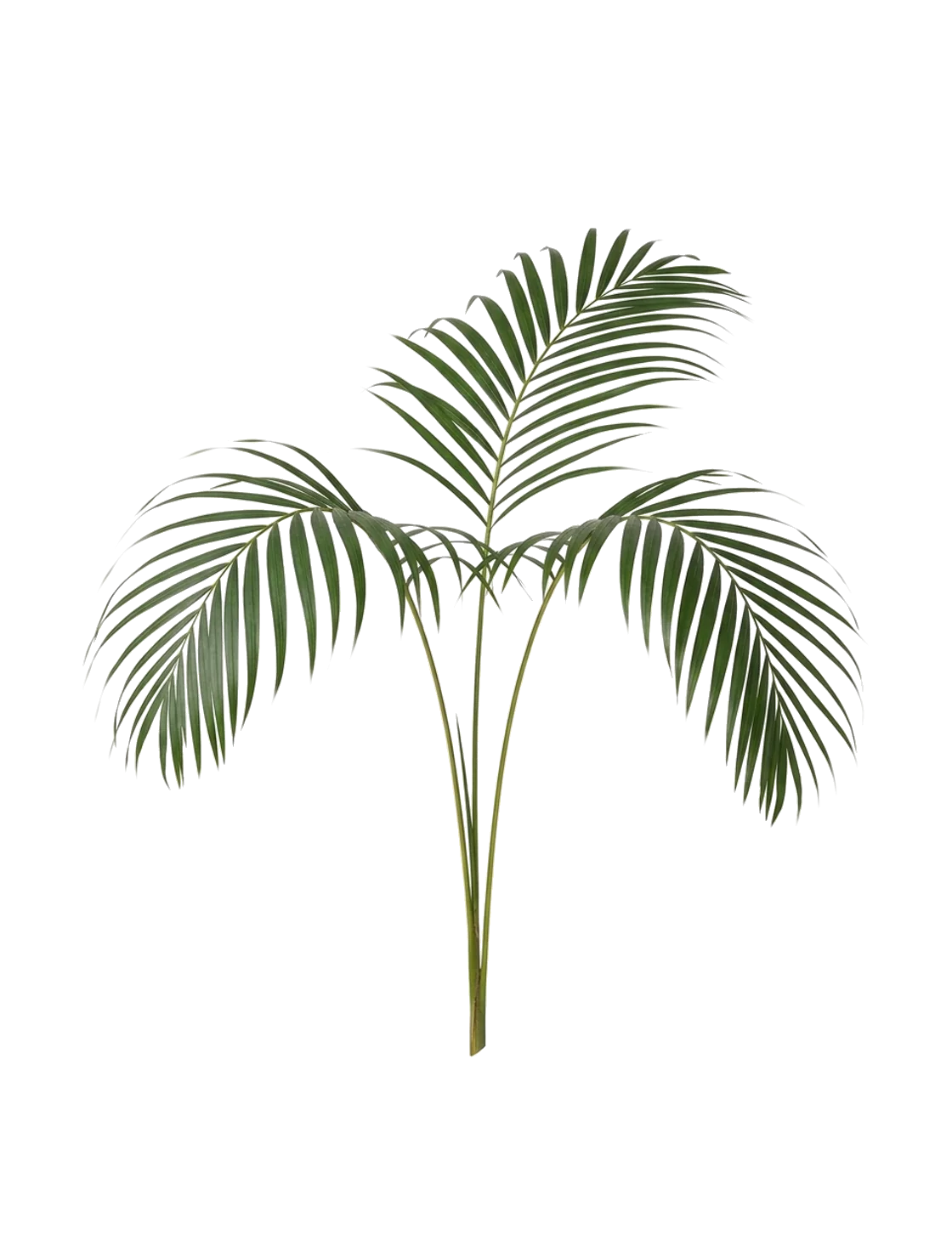
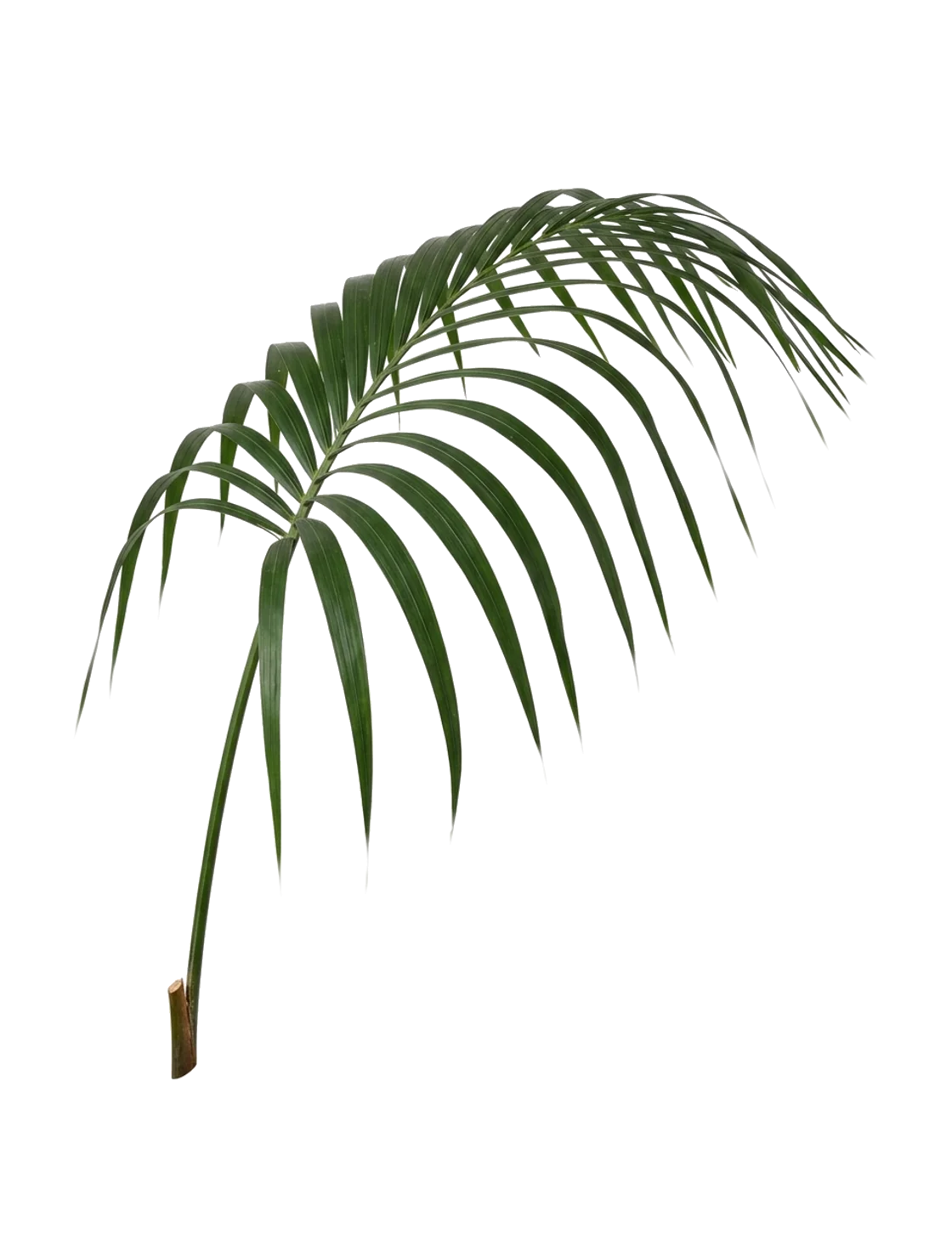
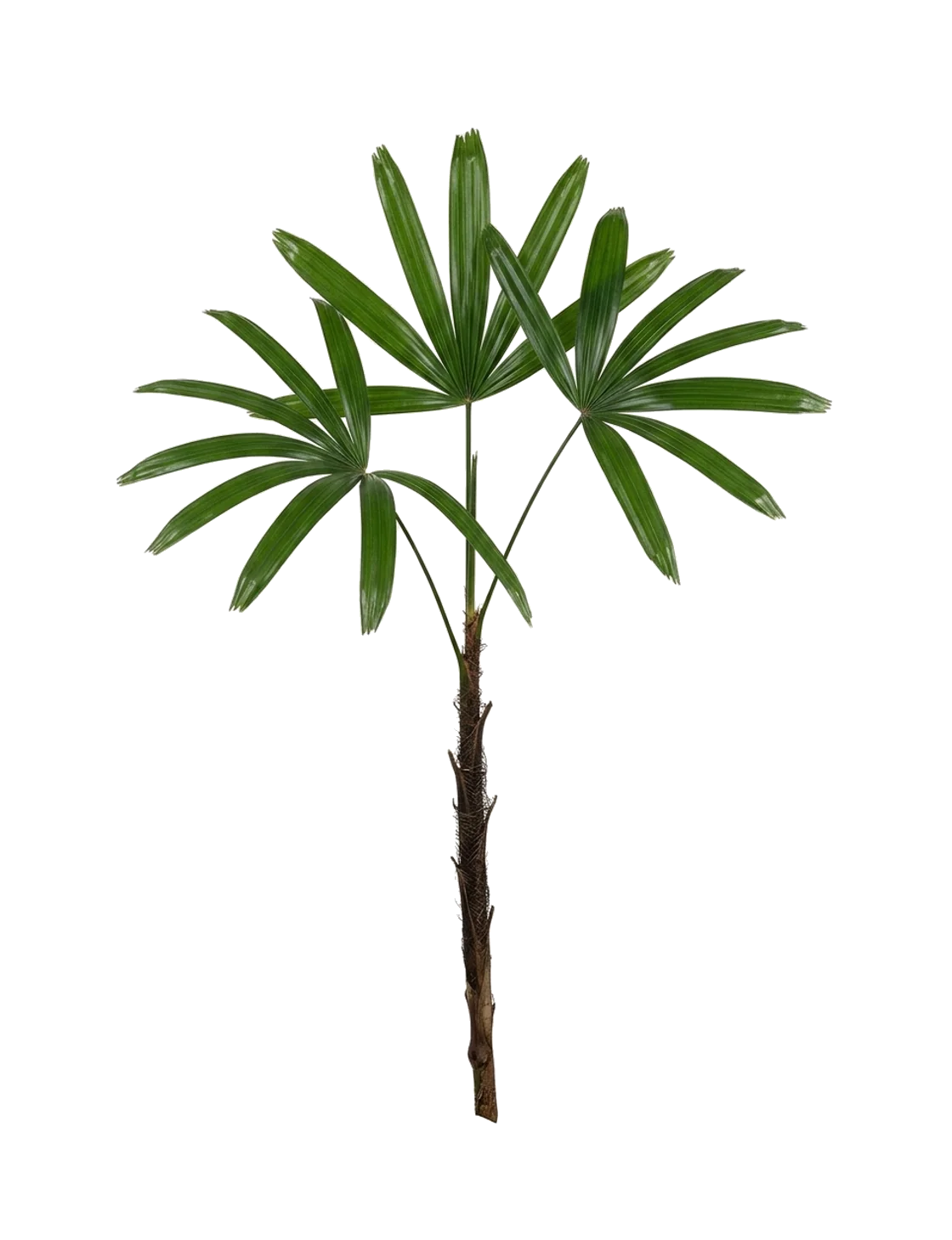
The lady palm (Rhapis excelsa) is a clumping, multi-stemmed fan palm renowned for its architectural grace and remarkable durability indoors. Its slender cane-like stems are wrapped in coarse, dark fibers that give it a bamboo-like appearance, capped by glossy, deep green fronds divided into broad, ribbed leaflets with bluntly toothed ends.
Native to the shaded subtropical forests of southeastern China and northern Vietnam, this species adapts exceptionally well to spaces with moderate or low natural light. Its slow growth rate ensures that it will maintain a tidy, manageable habit for years without outgrowing its designated space, making it a staple choice for both residential living rooms and shaded outdoor patios in frost-free regions.
Caring for a lady palm is straightforward, as it tolerates neglect better than most other domestic palms. Success largely depends on maintaining loose, well-draining soil, avoiding waterlogged roots, and protecting the fronds from scorching direct sunlight while sustaining moderate room humidity to prevent foliage browning.
Did you know?Historically cultivated in classical Chinese and Japanese gardens, this palm was once a status symbol in the palaces of the Tokugawa shogunate.
Care. What it needs, point by point.
- Watering
- 7–10 days between wateringsWater thoroughly once the top half of the potting mix feels dry to the touch. This typically means watering every seven to ten days in the warmer months, reducing the frequency during autumn and winter.
- Light
- IndirectPlace it in bright, indirect light or dappled shade; it easily tolerates lower light levels than most other indoor palms. Keep it away from harsh, direct midday sun, which bleaches and burns its foliage.
- Temperature
- 16–26 °C ideal temperatureIt thrives in standard room temperatures ranging between 16 °C and 26 °C. While mature plants can endure brief cold spells down to 5 °C, protect them from freezing drafts and frost.
- Soil
- Use a well-aerated potting mix containing peat moss, perlite, and pine bark to ensure rapid drainage while holding gentle moisture.
- Fertilizer
- Feed with a balanced liquid houseplant or palm fertilizer once a month from spring through late summer at half strength.
- Pruning
- Pruning is limited to removing discolored, dry lower fronds near the stem using clean, sterilized shears.
- Propagation
- Propagate by carefully dividing mature rhizome offsets and suckers during repotting in early spring. Ensure each separated section has an established root system before potting it into moist, well-draining compost.
Where it grows. In the wild and in homes.
In the wild it grows in China and Indochina, in a wet tropical climate.
People have also taken it to 6 more regions where it now grows on its own: temperate Asia, tropical Asia, and South and Central America and the Caribbean.
Range: Plants of the World Online, Royal Botanic Gardens, Kew
Is Lady palm toxic to cats and dogs?
The ASPCA doesn't list this species. If your pet has chewed it and seems unwell, call your vet.
Common problems What tends to go wrong.
- Dry air
- Overwatering
- Mealybugs and scale
- Spider mites
- Sunburn




Frequently asked questions What people ask most.
Why are the leaf tips turning brown?
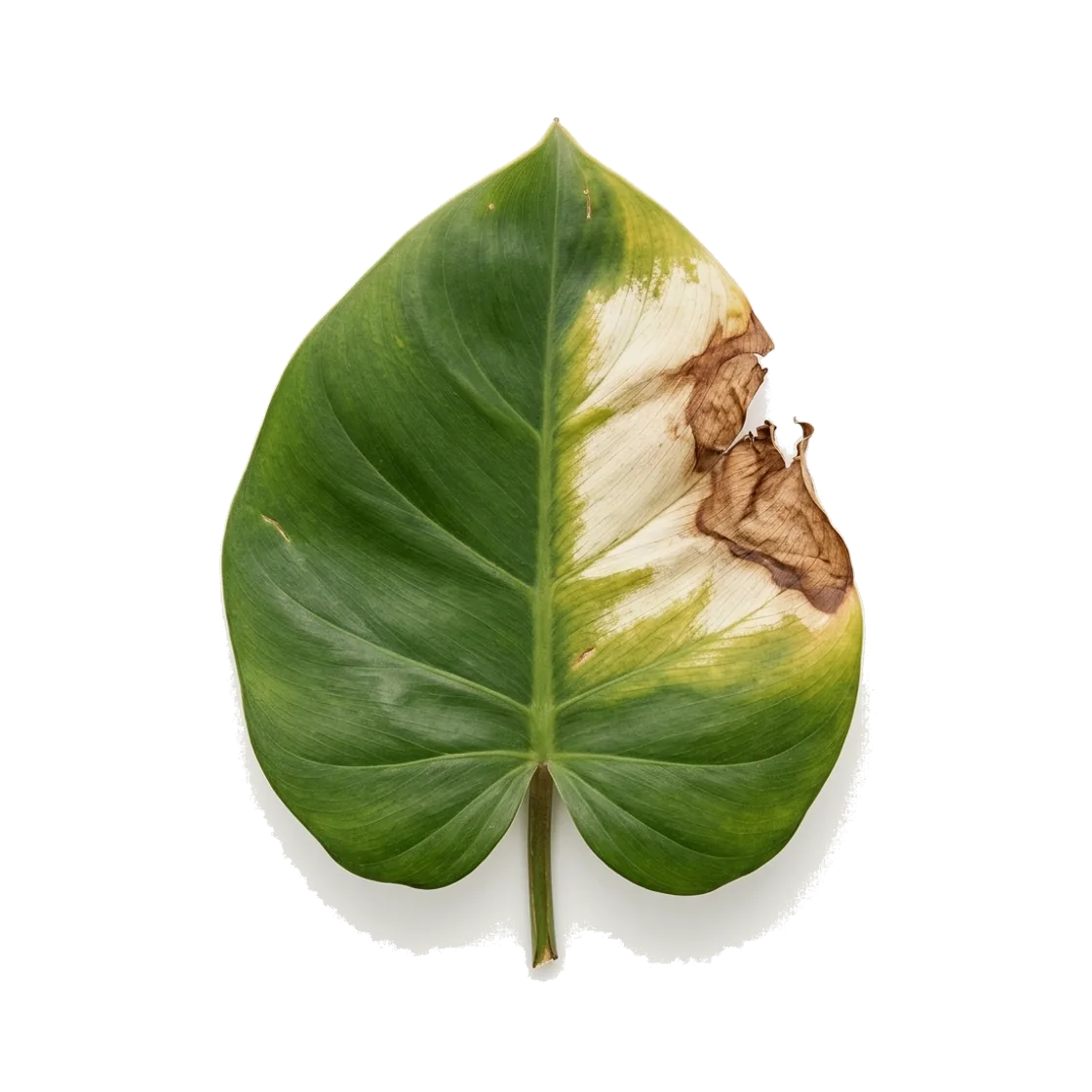
Brown tips are usually triggered by dry ambient air, tap water with high fluoride or chlorine levels, or irregular watering. Increase nearby humidity and flush the potting mix occasionally with filtered or distilled water.
Why are the leaves turning yellow?
Yellow fronds are most commonly a sign of overwatering and insufficient soil drainage, which deprives roots of oxygen. Allow the potting soil to dry out more between waterings and ensure the container drains freely.
Can lady palm survive in low light?
Yes, the lady palm is exceptionally shade-tolerant and can thrive in dimmer interior spaces where other palms fail. Note that in deep shade its growth slows substantially, so watering must be scaled back accordingly.
How often should I repot my lady palm?
Because it is naturally slow-growing, repotting is only necessary every two to three years into a pot one size larger. For mature specimens that are difficult to move, replacing the top layer of potting soil each spring is sufficient.