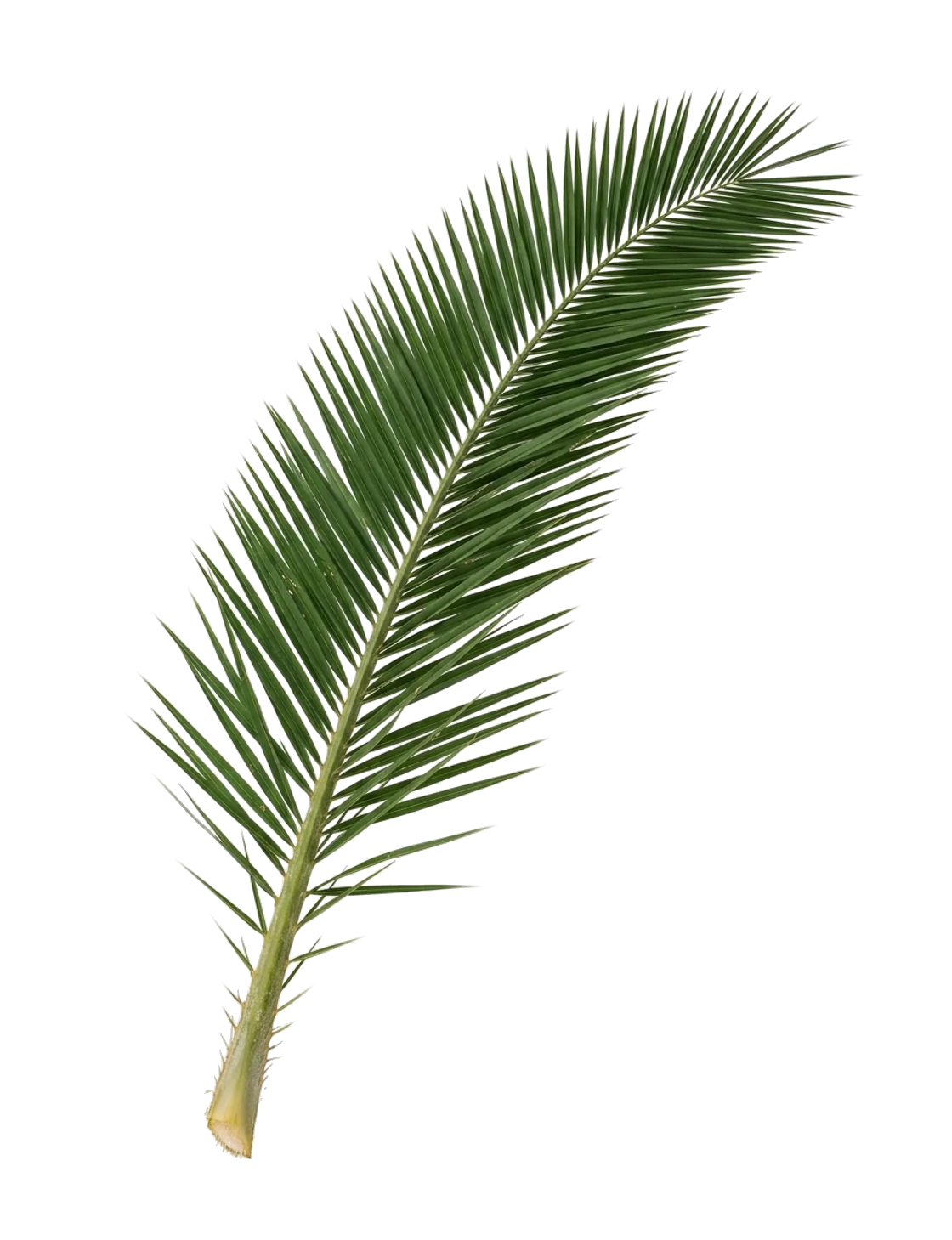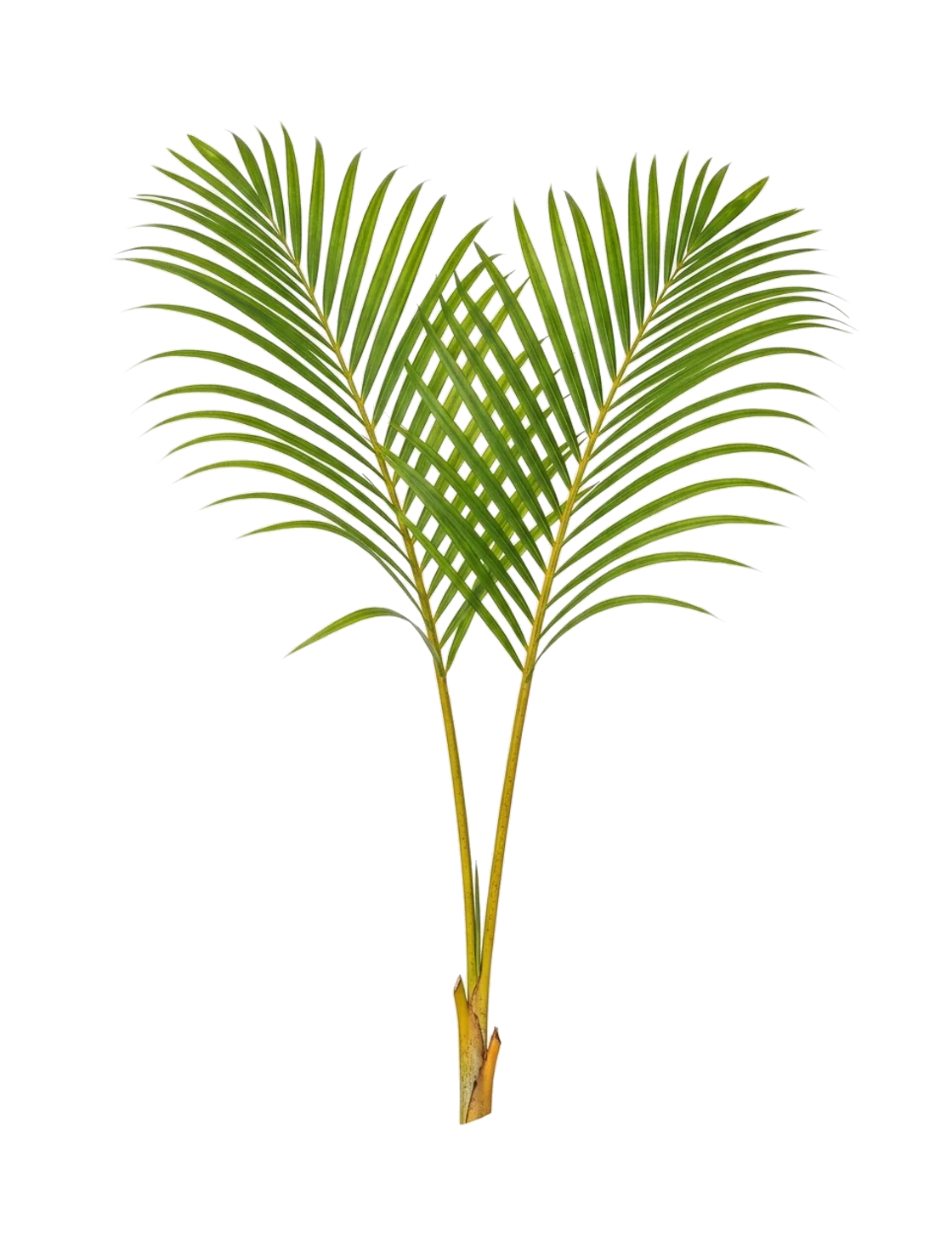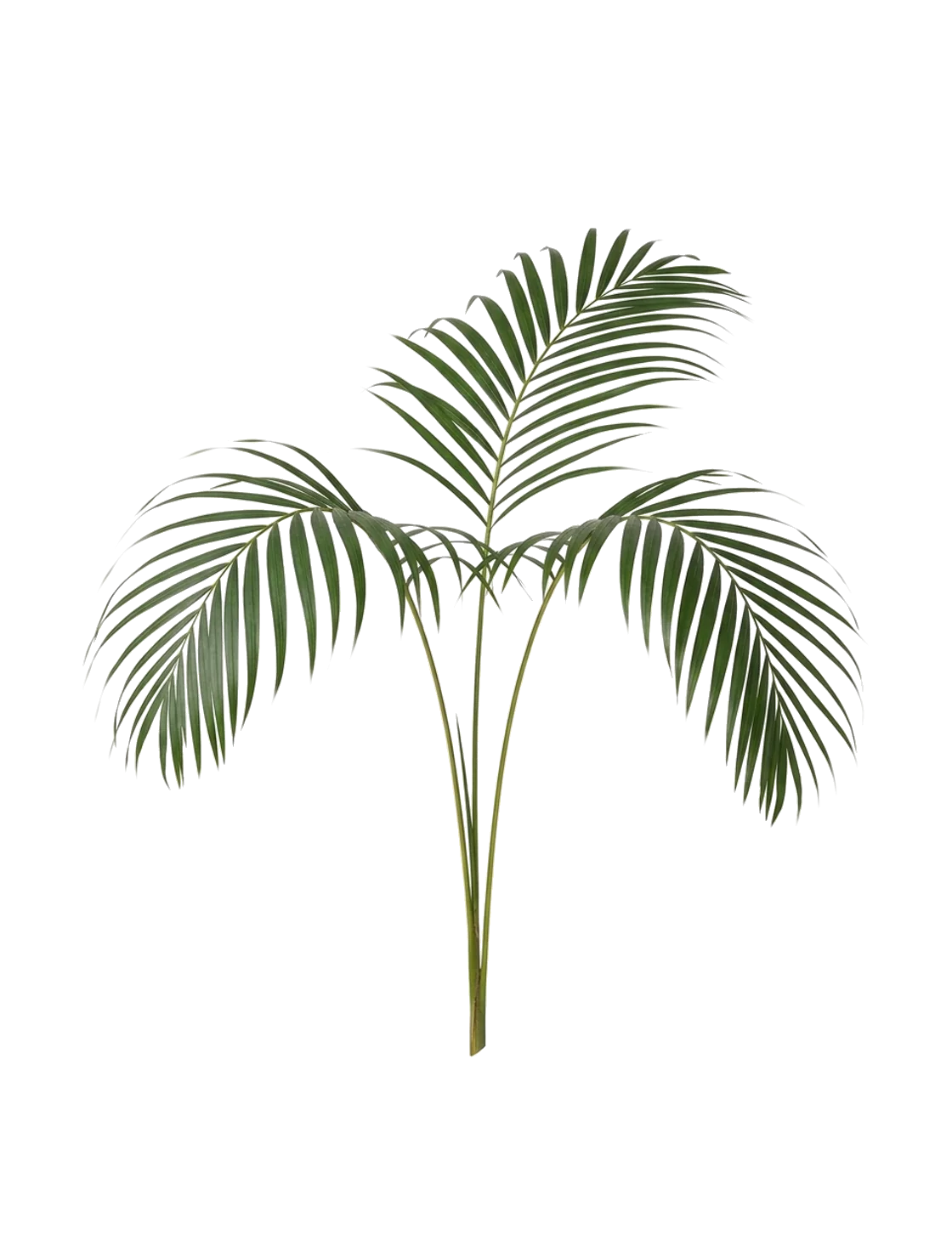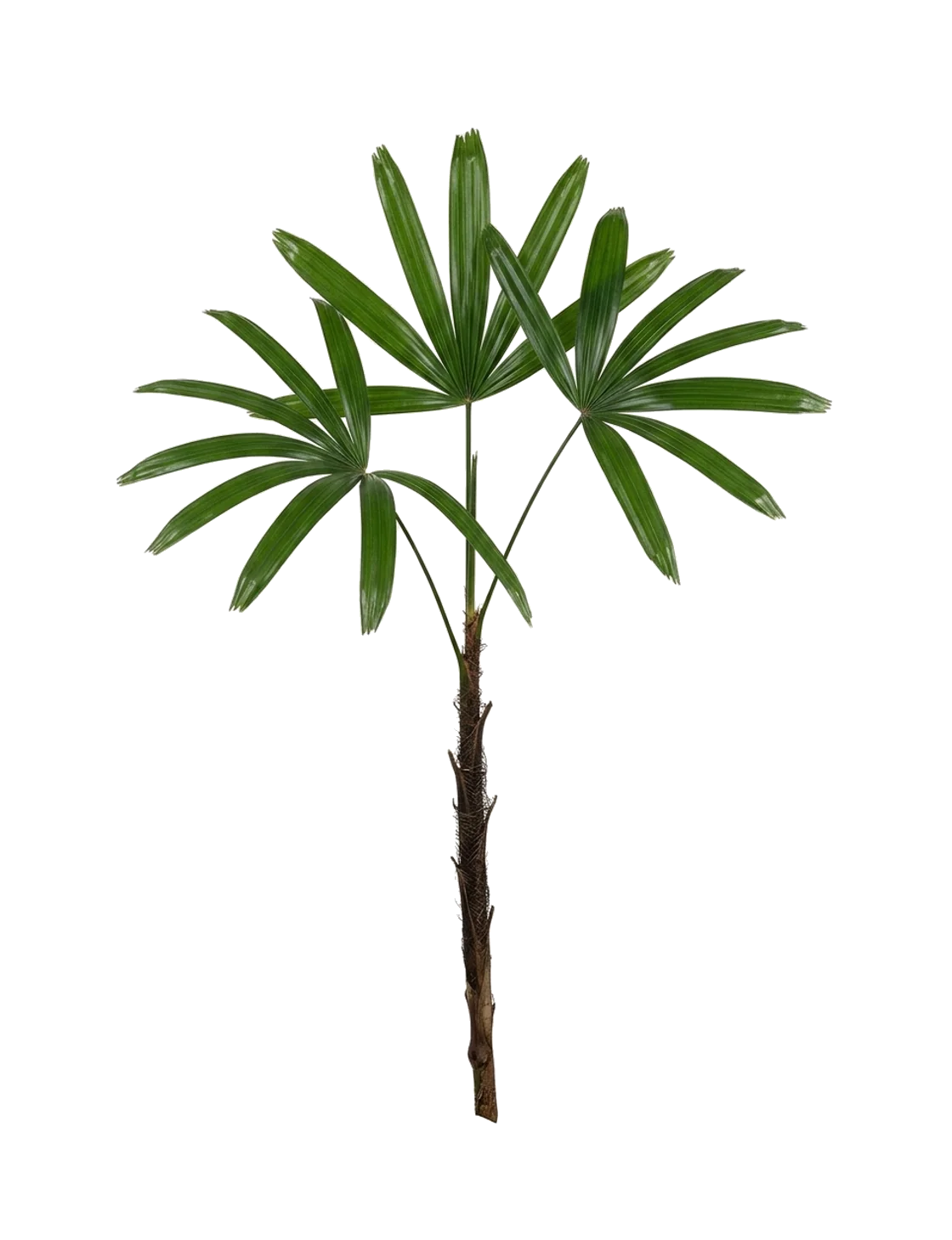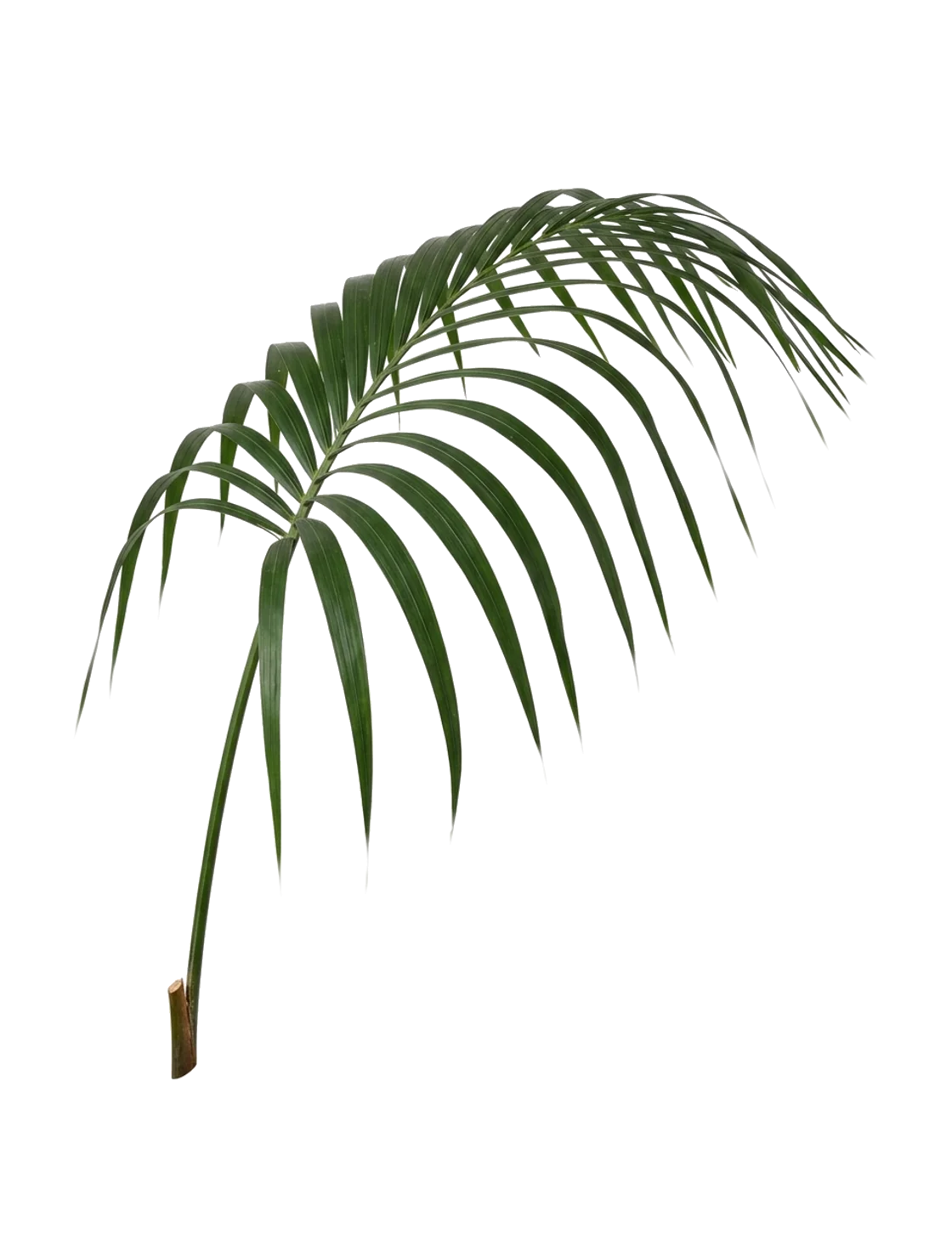
The Kentia palm, scientifically known as Howea forsteriana, is celebrated as one of the most resilient and statuesque indoor palms in cultivation. Native to Lord Howe Island in the Pacific Ocean, it features slender green canes and gracefully arching fronds composed of deep green, feathery leaflets that bring a timeless tropical character to any interior space.
Its enduring popularity stems from its remarkable tolerance to conditions that challenge most other indoor palms. It handles lower light settings remarkably well, tolerates typical household air dryness far better than delicate alternatives, and maintains an unhurried, steady growth habit, ensuring it will not rapidly outgrow its place in your living room or office.
Despite its hardiness, the Kentia palm cannot tolerate waterlogged compost or persistent overwatering, which are the main threats to its delicate root system. Positioning the palm away from freezing drafts or heating radiators and occasionally wiping dust off its foliage are practically all it takes to keep it looking pristine for decades.
Did you know?It gained worldwide fame during the Victorian era as a staple in royal palaces and luxury hotels, beloved by Queen Victoria for its graceful silhouette.
Care. What it needs, point by point.
- Watering
- 1× a weekWater thoroughly only after the top two-thirds of the potting mix have dried out completely, which typically means once every week in summer and every two to three weeks in winter. Always test the soil with a wooden skewer or your finger before adding more water.
- Light
- IndirectIt thrives in medium to bright indirect light, sheltered from direct midday sun which can scorch its fronds. It can adapt to lower light settings, although its growth will slow considerably.
- Temperature
- 16–24 °C ideal temperatureMaintain temperatures between 16 °C and 24 °C throughout the year for healthy growth. Keep the palm protected from cold drafts below 10 °C and away from artificial heat vents.
- Soil
- Use a well-aerated potting mix containing peat, perlite, and pine bark to facilitate free drainage. Never allow the pot to sit permanently in a saucer filled with stagnant runoff.
- Fertilizer
- Feed with a balanced liquid palm fertilizer diluted to half strength once a month during spring and summer. Withhold fertilizer completely during autumn and winter when growth naturally slows.
- Pruning
- Trim away only fully brown, dried lower fronds near the base using sharp, sanitized shears. Never cut green or partially discolored fronds, as the palm continues drawing vital nutrients from them.
- Propagation
- Propagation is performed commercially from seed, which can take several months or even up to a year to germinate under controlled conditions. Division is strongly discouraged at home, as the root ball is easily damaged.
Where it grows. In the wild and in homes.
In the wild it grows in Australia, in a wet tropical climate.
People have also taken it to one more region where it now grows on its own: the Caribbean.
Range: Plants of the World Online, Royal Botanic Gardens, Kew
Is Kentia palm toxic to cats and dogs?
Non-toxic to cats and dogs.

Cats
Non-toxic

Dogs
Non-toxic
Source · ASPCA Animal Poison Control
Common problems What tends to go wrong.
- Overwatering
- Dry air
- Spider mites
- Mealybugs and scale
- Root rot





Frequently asked questions What people ask most.
Why are the tips of the fronds turning brown?
Dry indoor air caused by central heating or air conditioning is the most common reason for brown tips. Misting the fronds regularly with room-temperature water or using a room humidifier will quickly resolve the issue.
Why are the lower fronds turning yellow?
If individual bottom leaves turn yellow slowly, it is simply natural aging as older fronds make way for new growth. If multiple leaves yellow simultaneously, check for waterlogged soil or inadequate container drainage.
How often should I repot my Kentia palm?
Kentia palms grow slowly and prefer having their roots relatively snug, so repotting is only necessary every three to four years. Always choose a pot that is only slightly larger and handle the root ball very gently.
How should I clean the fronds?
Gently wipe both sides of the leaflets with a damp microfiber cloth every couple of weeks to remove accumulated household dust. Avoid chemical leaf shine sprays, as they can clog leaf pores and harm the palm.