Oregano
Origanum vulgare
Learn how to care for oregano (Origanum vulgare): watering tips, sunlight needs, soil, pruning, and propagation advice for a healthy, aromatic plant.
- Light
- 6 hof direct sun
- Watering
- 1×a week
- Temperature
- 15–26 °Cideal temperature
- Toxicity
- Non-toxic
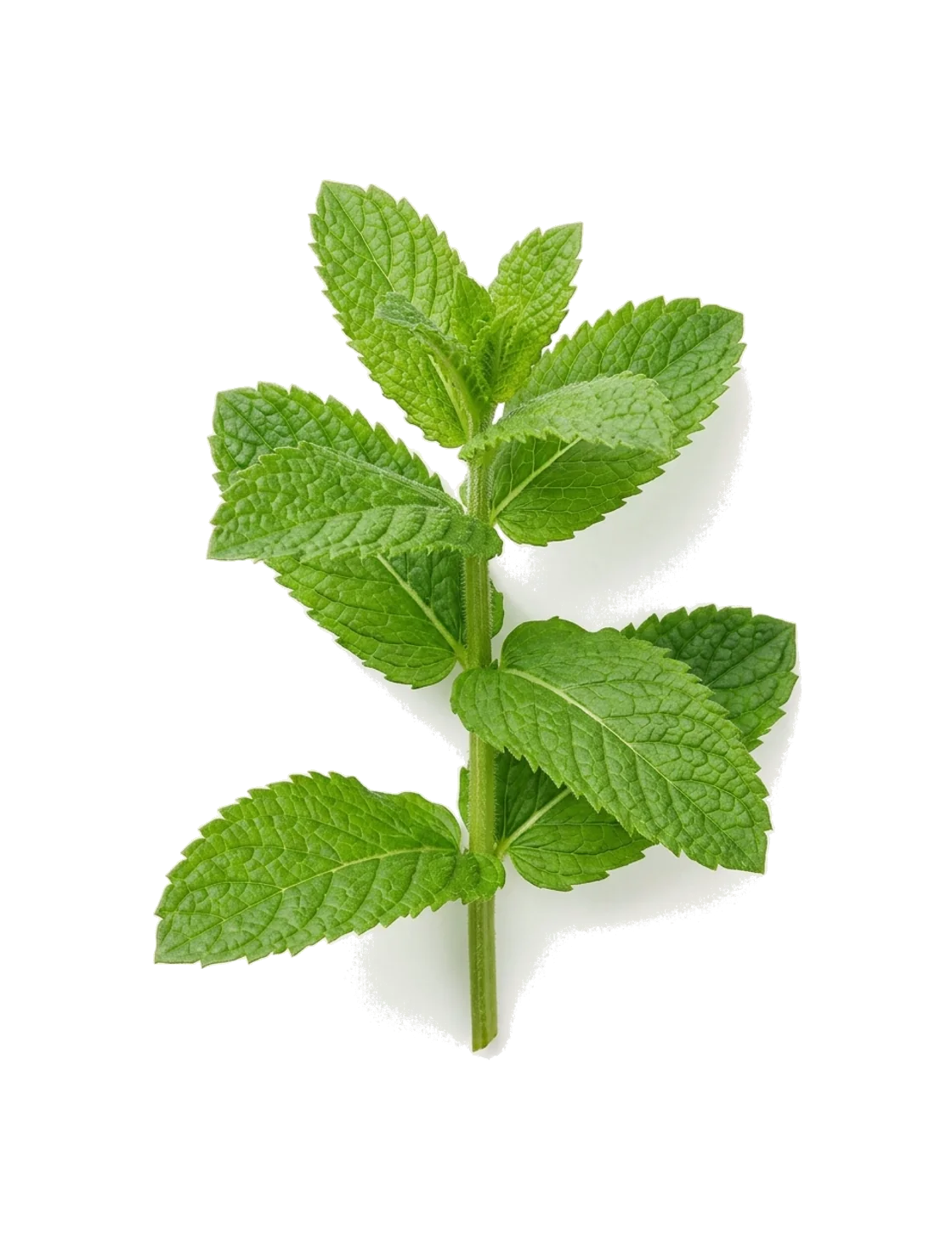
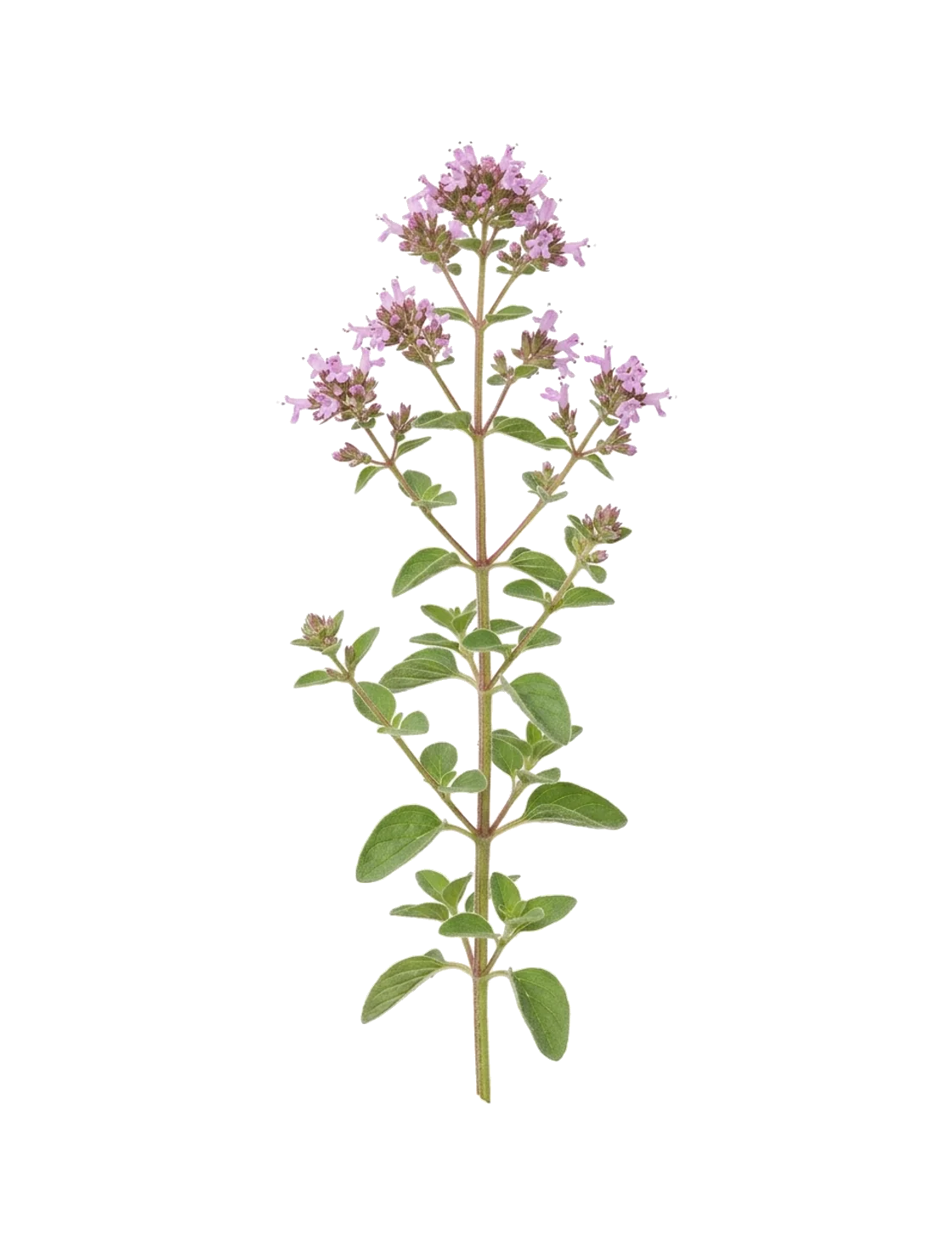
Oregano (Origanum vulgare) is a hardy herbaceous perennial belonging to the mint family, Lamiaceae, native to the dry, sunny hillsides of the Mediterranean basin and Eurasia. It is characterized by spreading stems that become woody at the base, paired with small, oval, aromatic green leaves and delicate clusters of purple or pale pink flowers during midsummer.
Well regarded by gardeners worldwide, oregano thrives effortlessly in outdoor vegetable beds, rock gardens, and sunny patio pots. It is exceptionally resilient and drought-tolerant once established, requiring very little human intervention beyond abundant sunlight and sharply draining soil. Excessive moisture is its primary enemy, so keeping the roots dry is essential for long-term health.
In addition to its unmistakable culinary value, this versatile herb serves as a magnet for bees and beneficial insects while helping repel common garden pests. Harvesting branches regularly discourages premature woody legginess, encouraging compact growth and ensuring the leaves retain maximum aromatic intensity throughout the active growing season.
Did you know?The name oregano originates from the Greek words 'oros' and 'ganos', meaning 'joy of the mountain'. Its essential oils become noticeably more concentrated and pungent when grown in dry, hot, and sunny environments.
Care. What it needs, point by point.
- Watering
- 1× a weekWater thoroughly only after the potting mix or topsoil has dried out completely down to your knuckle. In summer, watering once a week is usually sufficient, whereas winter watering should be minimal to prevent root decay.
- Light
- 6 h of direct sunOregano thrives best under full sun, requiring at least six hours of direct sunlight each day. Insufficient light causes the stems to stretch awkwardly and weakens the signature herbal aroma.
- Temperature
- 15–26 °C ideal temperatureThis resilient herb performs optimally at temperatures between 15 °C and 26 °C. It can easily tolerate winter frosts down to -10 °C provided the soil drains freely and does not sit waterlogged.
- Soil
- Use a gritty, lean, and sharply draining potting mix with added perlite, coarse sand, or pumice. Heavy clay soils should be amended thoroughly to ensure water drains away rapidly.
- Fertilizer
- Keep fertilization minimal, as excess nutrients encourage lush foliage at the expense of pungent essential oils. A modest layer of compost applied once in early spring supplies all the nutrients it needs.
- Pruning
- Cut back the stems by roughly one-third after flowering to stimulate fresh branching and prevent the center from becoming woody. Regular kitchen harvesting also keeps the plant compact and productive.
- Propagation
- Propagate easily in late spring by rooting softwood stem cuttings in damp perlite or water. Established outdoor clumps can also be successfully multiplied through root division in early spring.
Where it grows. In the wild and in homes.
In the wild it grows in Europe, temperate Asia, Africa, and tropical Asia, in a temperate climate.
People have also taken it to 27 more regions where it now grows on its own: North America, Australasia, temperate Asia, and South and Central America and the Caribbean.
Range: Plants of the World Online, Royal Botanic Gardens, Kew
Is Oregano toxic to cats and dogs?
The ASPCA doesn't list this species. If your pet has chewed it and seems unwell, call your vet.
Common problems What tends to go wrong.
- Overwatering
- Root rot
- Powdery mildew
- Aphids
- Too little light
- Spider mites






Frequently asked questions What people ask most.
Why are the leaves on my oregano turning yellow?
Overwatering and soggy soil are the primary causes of yellowing foliage and root rot in oregano. Allow the substrate to dry out thoroughly between waterings and confirm your pot has functional drainage holes.
When is the best time to harvest oregano?
Harvest stems in the morning right before flower buds open, as this is when the essential oil concentration peaks. Snip branches a few inches above the soil line using clean pruners to prompt vigorous bushy regrowth.
Why is my oregano getting leggy and thin?
Leggy growth is a classic symptom of insufficient direct sunlight, causing the plant to stretch toward the light source. Move your plant to the brightest window or a sunny outdoor spot to restore compact, robust foliage.
Should I let my oregano plant flower?
Allowing blooms to open is wonderful for pollinators, but it can make the leaves slightly bitter or milder in flavor. If culinary quality is your top priority, pinch off buds as soon as they form to keep energy focused on foliage.