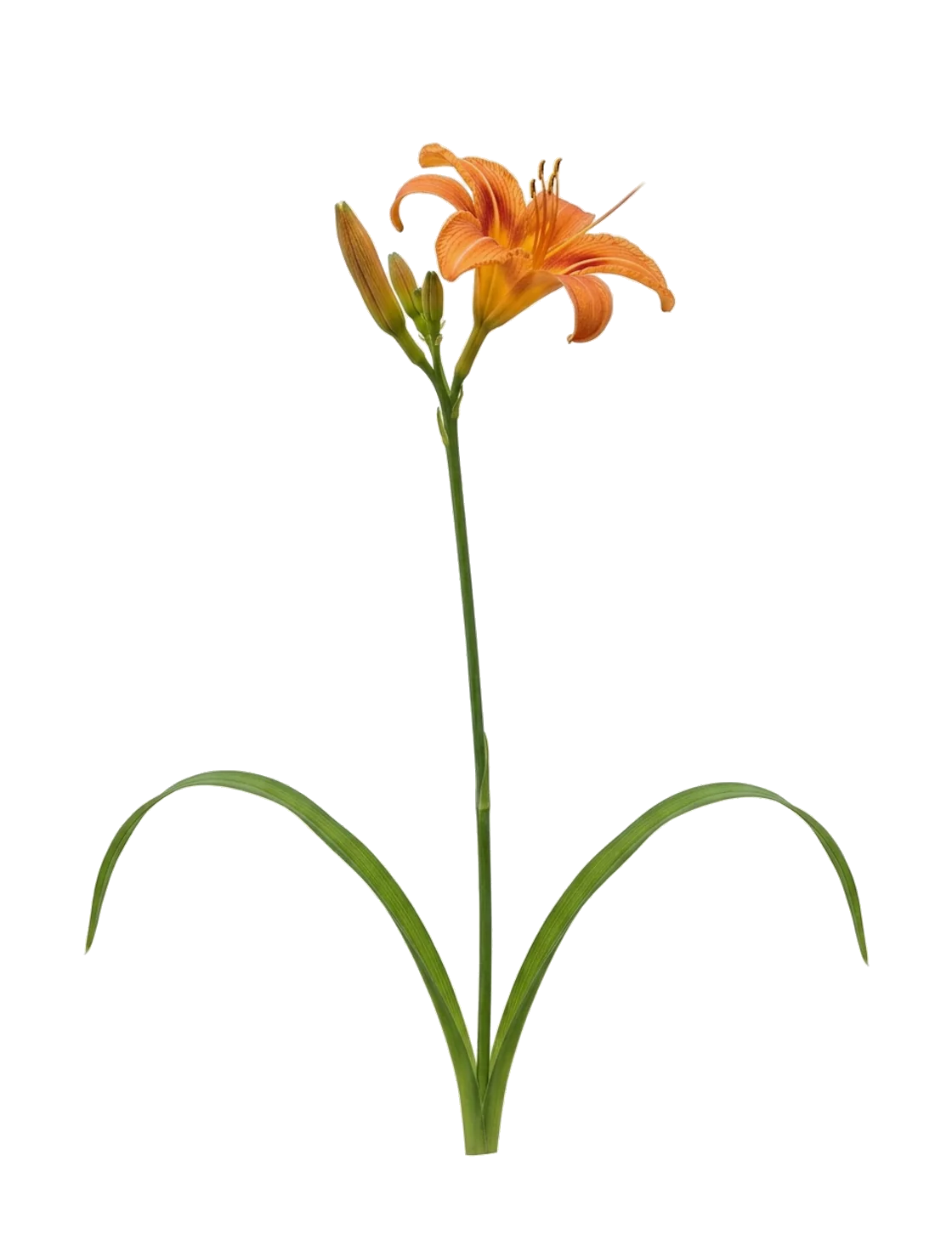
The orange daylily (Hemerocallis fulva) is a vigorous herbaceous perennial grown for its large trumpet flowers in tawny orange, each lasting a single day. Native to eastern Asia, it forms spreading clumps of arching, strap-shaped green leaves that look good from spring to autumn. A mature clump can produce hundreds of blooms in one season, and the narrow leaves stay attractive long after the last flower fades.
New flowers open every morning for weeks in summer, so the plant always looks fresh despite the short life of each bloom. It spreads by fleshy rhizomes and thick roots that store water, which explains its toughness in heat and poor soils. Old plantings survive decades of neglect along roadsides and field edges.
Give it sun or light shade and ordinary soil that drains, and divide crowded clumps every few years to keep flowering strong. Remove spent stalks to keep the clump tidy and water in dry spells while buds form. It is one of the easiest perennials for beginners and hot, sunny borders.
Did you know?Each trumpet flower lasts a single day, but a mature clump opens new blooms every morning for weeks.
Care. What it needs, point by point.
- Watering
- Water regularly during the first season and in dry spells while buds form. Established clumps tolerate short droughts, but steady moisture gives far more flowers.
- Light
- 4–5 h of direct sunIt flowers best in full sun or light shade, with at least four or five hours of direct light. Deep shade reduces blooming and weakens the clump.
- Temperature
- 15–28 °C ideal temperatureIt grows best between 15 °C and 28 °C and survives frosts down to about -20 °C. The foliage dies back in cold winters and resprouts strongly in spring.
- Soil
- It grows in almost any garden soil that does not stay waterlogged. Enrich very poor sand with compost so clumps bulk up faster.
- Fertilizer
- Feed in spring with compost or a balanced fertilizer; one yearly dressing is enough. Too much nitrogen gives floppy leaves with fewer flowers.
- Pruning
- Remove spent flower stalks and yellowing leaves through the season to keep clumps tidy. Cut all foliage back in late autumn once it collapses.
- Propagation
- Divide crowded clumps in early spring or after flowering, replanting fans of leaves with roots attached. Sow seeds only for experiments, since seedlings vary and take years.
Where it grows. In the wild and in homes.
In the wild it grows in East Asia and China, in a temperate climate.
People have also taken it to 95 more regions where it now grows on its own: North America, Europe, South and Central America and the Caribbean, and temperate Asia.
Range: Plants of the World Online, Royal Botanic Gardens, Kew
Is Orange daylily toxic to cats and dogs?
Toxic to cats. Non-toxic to dogs.

Cats
Toxic

Dogs
Non-toxic
Usual signs
In cats it causes vomiting, loss of appetite, lethargy, kidney failure and can cause death.
If your pet has chewed it and shows symptoms, call your vet or the nearest emergency vet.
Source · ASPCA Animal Poison Control
Common problems What tends to go wrong.
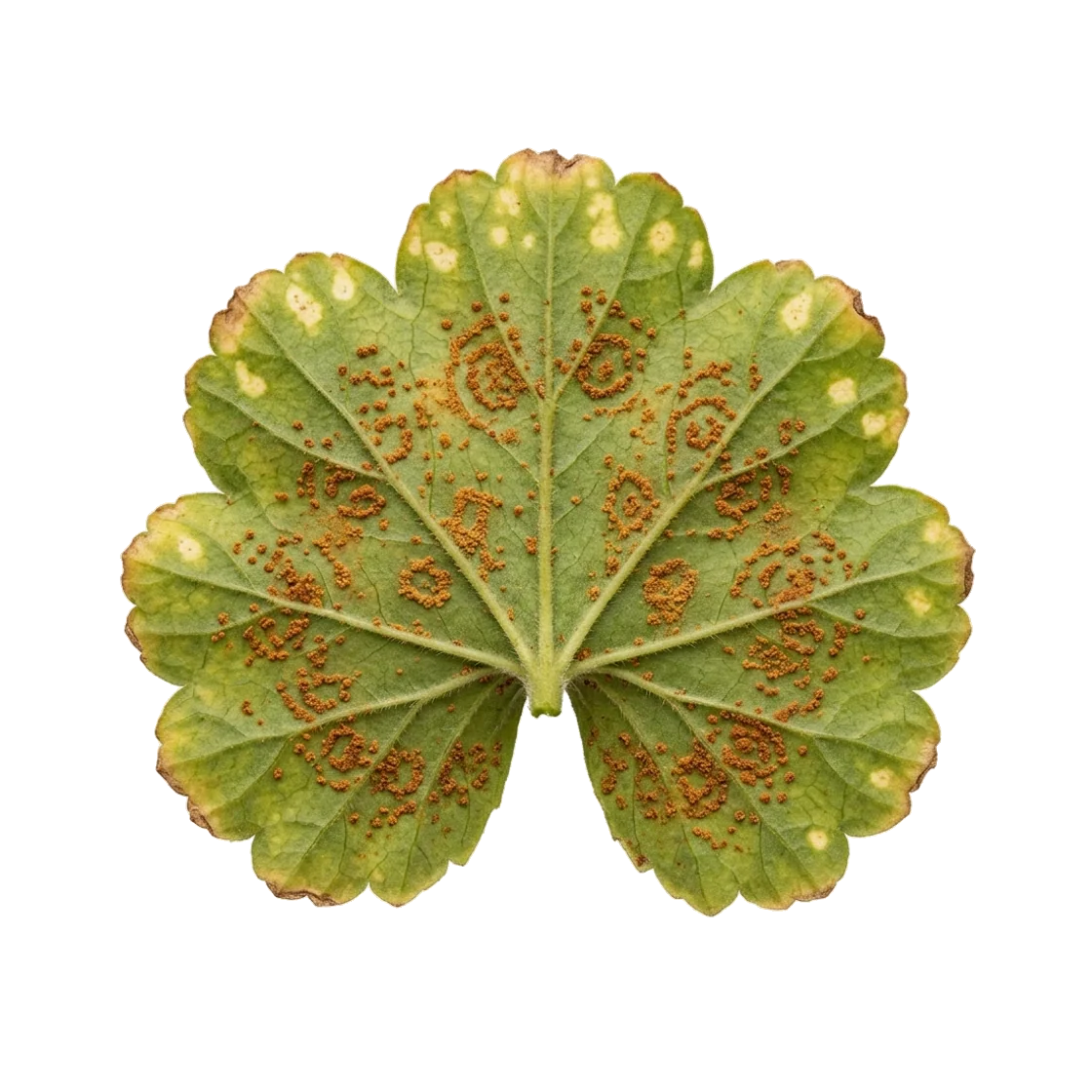
- Rust
- Aphids
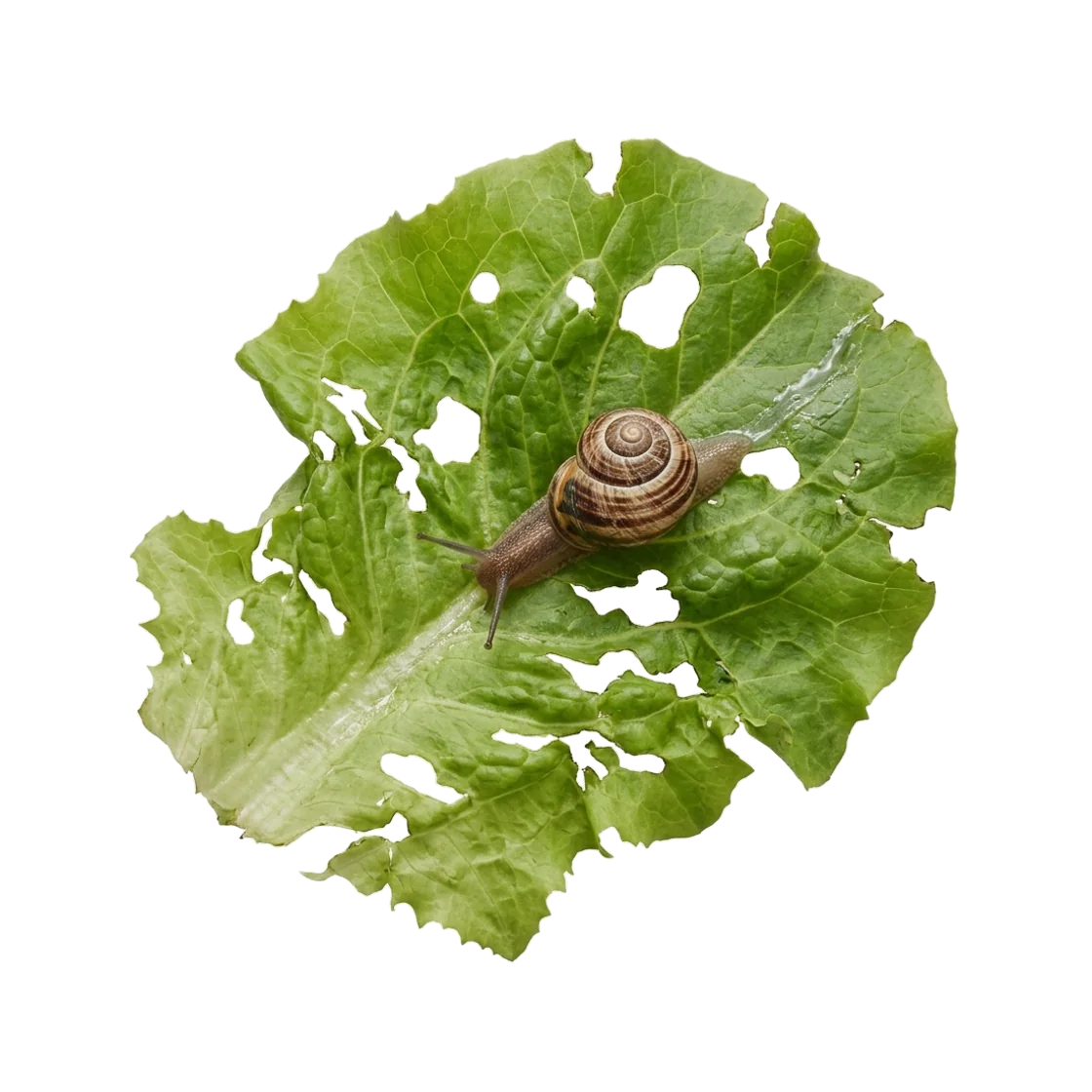
- Snails and slugs
- Root rot


Frequently asked questions What people ask most.
Why does my daylily not flower?
The usual causes are deep shade, overcrowded clumps or very dry soil while buds form. Move or divide the clump into sun and water steadily in early summer. Recently divided fans often skip one season before blooming again.
How often should I water daylilies?
Water deeply once or twice a week during the first season and whenever buds are forming in dry weather. Established clumps survive short droughts but bloom far better with even moisture. Mulching the base helps the soil stay fresh.
What are the orange spots under the leaves?
They are daylily rust, a fungal disease that shows as small orange pustules on the undersides. Remove affected leaves and avoid wetting the foliage when watering. Space clumps well so air circulates between the fans.
Should I deadhead daylily flowers?
Removing spent blooms each morning keeps clumps tidy and shows off the new flowers better. It does not extend the season much, since each stalk carries a fixed number of buds. Cut the whole stalk once its last bud has faded.