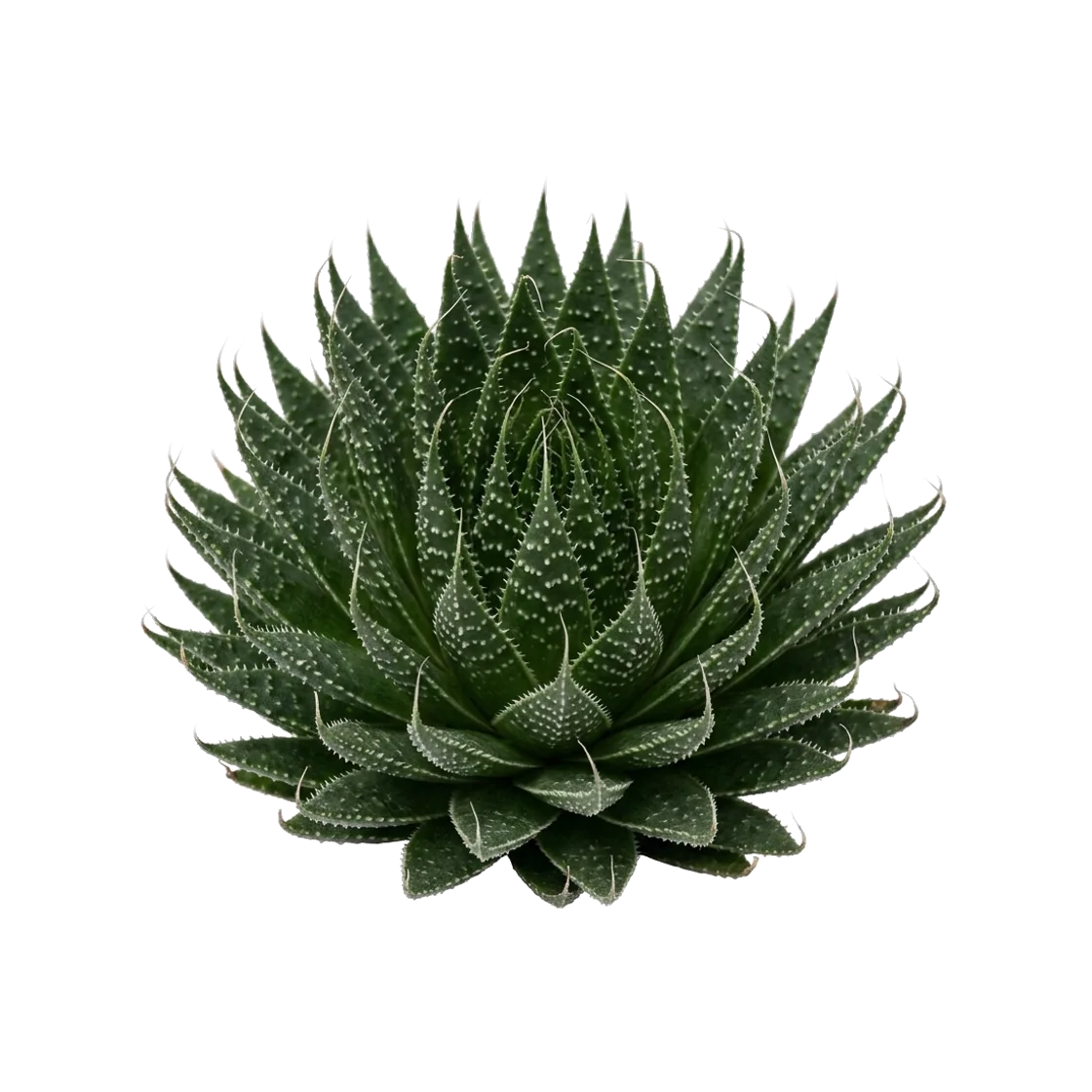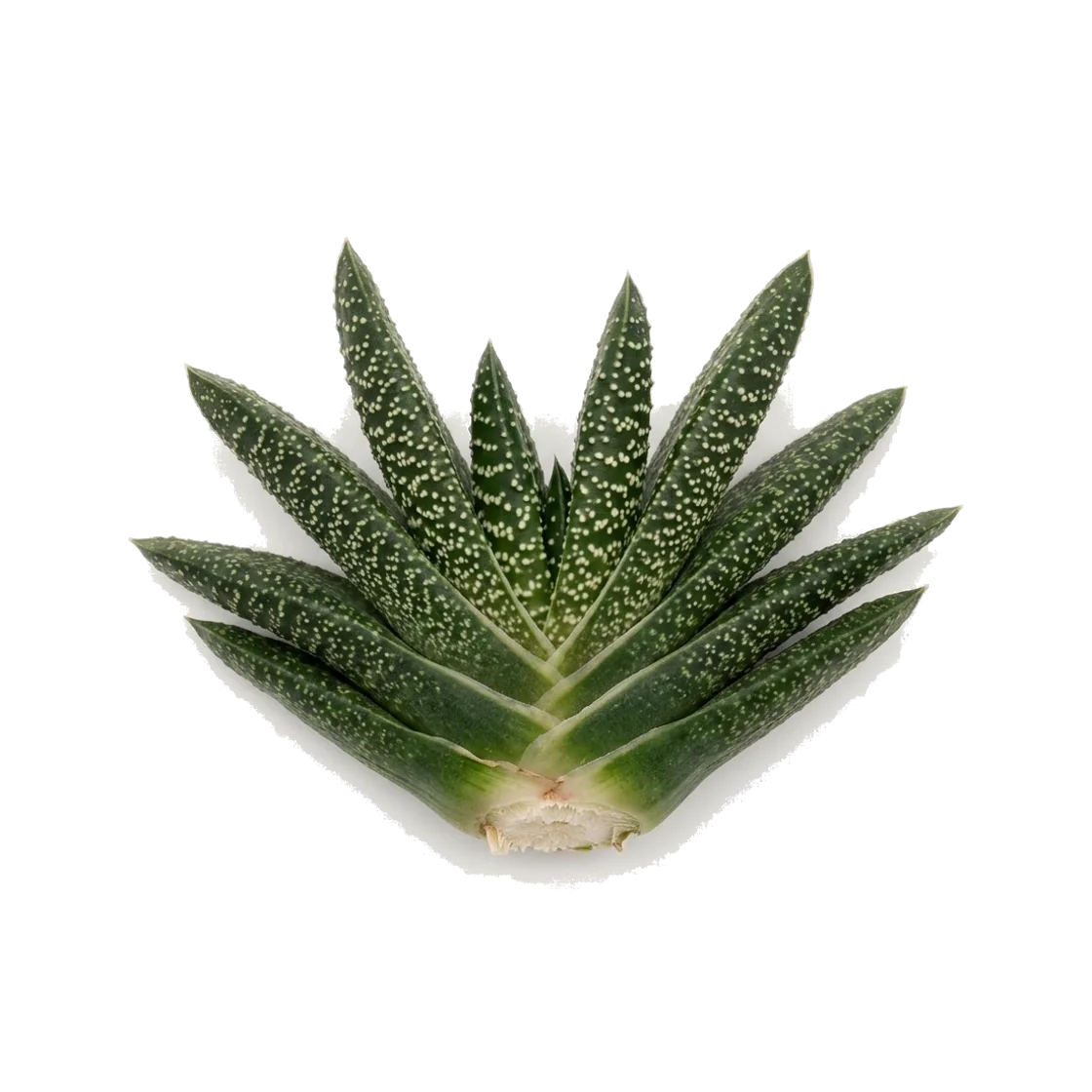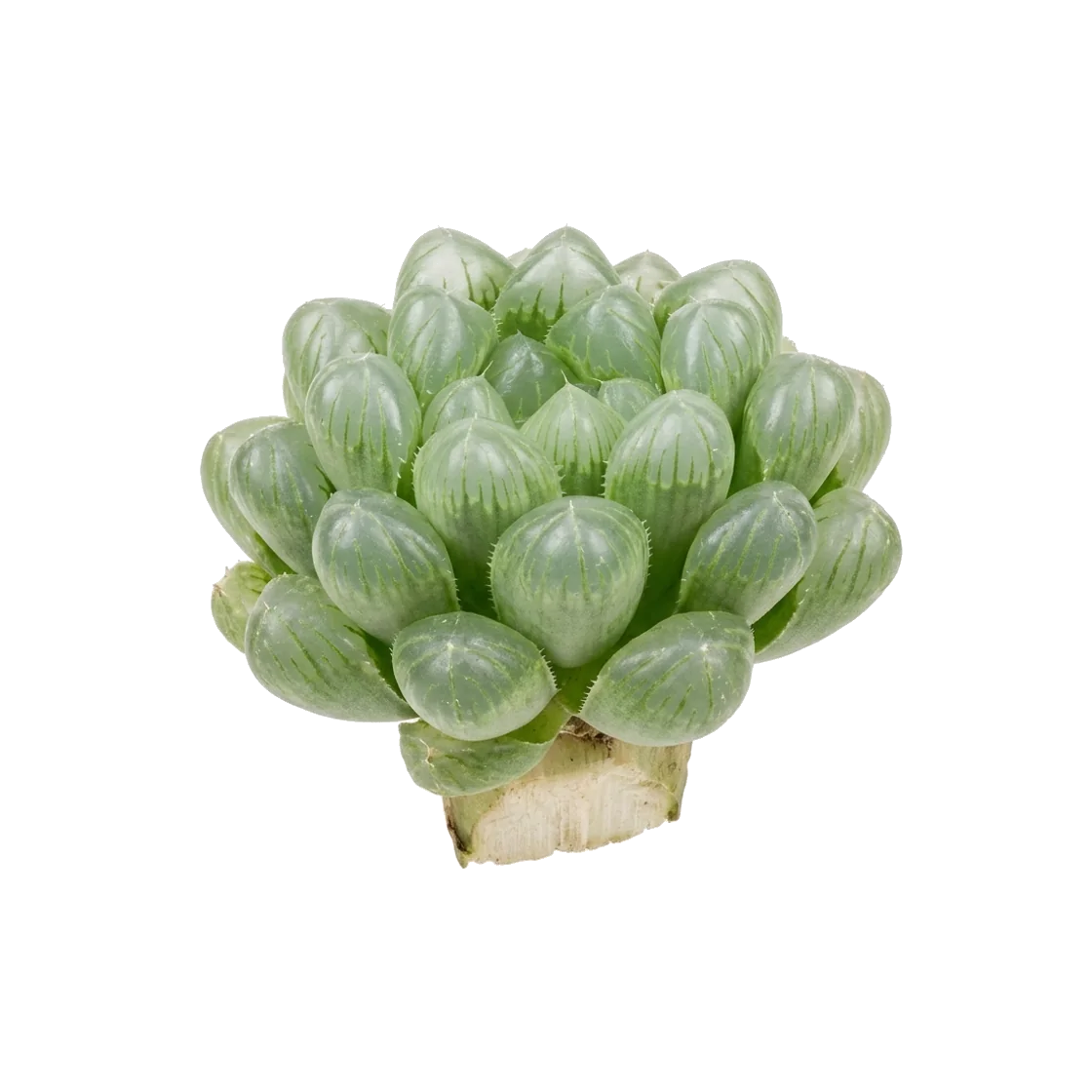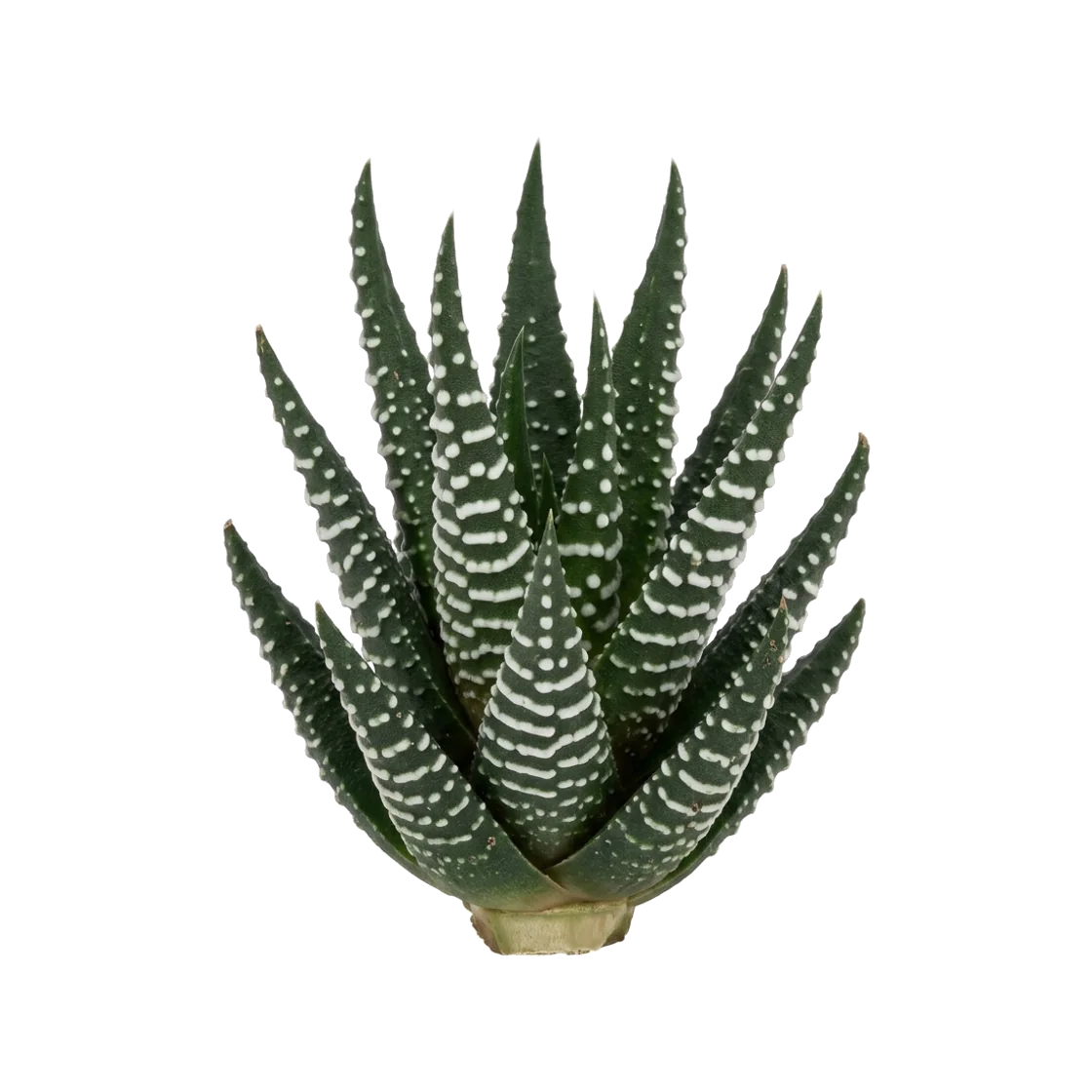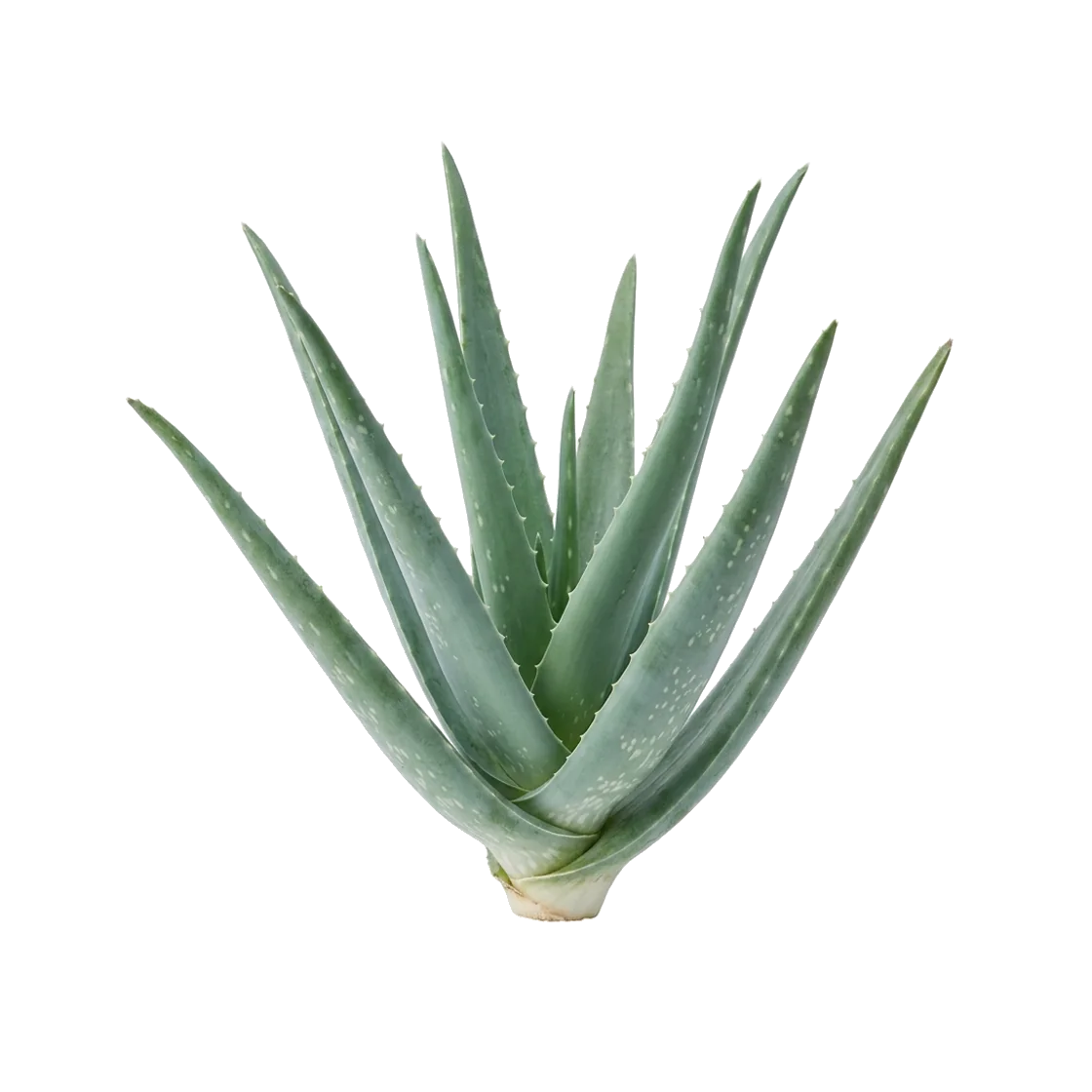
Aloe vera is a renowned, clumping succulent belonging to the Asphodelaceae family, prized worldwide for its architectural silhouette and rugged resilience. It produces a dense basal rosette of thick, fleshy, spear-shaped leaves edged with small, harmless teeth. The pale green to grey-green foliage is packed with water-storing gel, an evolutionary adaptation that enables the plant to endure extended droughts in harsh desert environments.
This versatile plant performs exceptionally well as a houseplant in bright rooms, as well as in outdoor rockeries, borders, and gravel gardens within warm climates. It has a moderate growth rate and freely produces offsets or pups around its base once established. Mature outdoor specimens send up tall, sturdy flower spikes in late spring or summer, displaying clusters of tubular yellow or orange blossoms that attract hummingbirds and bees.
Caring for Aloe vera is uncomplicated, making it a staple for novices and seasoned gardeners alike. Its primary vulnerability is overwatering, which quickly causes root rot in stagnant soil. As long as you provide a sharply draining gritty mix, moderate watering, and ample sunlight, an Aloe vera plant will thrive for years with very little routine intervention.
Did you know?Aloe vera leaves are composed of roughly 98% water, allowing mature plants to survive many months without rainfall.
Care. What it needs, point by point.
- Watering
- 2–3 weeks between wateringsWater thoroughly using the soak-and-dry method, letting the soil dry out entirely between drinks. Water every 2 to 3 weeks during active growth in spring and summer, reducing to once a month or less during winter. Check moisture by inserting a wooden skewer to the bottom of the pot to confirm that no dampness remains.
- Light
- 6 h of direct sunProvide bright, direct sunlight or intense filtered light for at least six hours daily to preserve its compact shape. Indoors, position it directly next to an unobstructed south- or west-facing window to prevent leaf thinning and stretching.
- Temperature
- 18–27 °C ideal temperatureIt thrives in warm conditions between 18 °C and 27 °C throughout the main growing season. Protect the plant from freezing temperatures, as cellular damage occurs rapidly if the thermometer drops below 5 °C for extended periods.
- Soil
- Use an open, mineral-rich potting mix with exceptional drainage, such as specialized cactus compost amended with pumice, perlite, or coarse grit. Heavy peat-based mixes retain too much moisture and should be avoided.
- Fertilizer
- Feed once monthly during spring and early summer using a balanced cactus fertilizer diluted to half strength. Suspend all fertilization during autumn and winter when growth slows.
- Pruning
- Routine pruning is not necessary for structure. Simply trim dead, shriveled lower leaves and spent flower stalks at the base using a clean, sharp pair of shears.
- Propagation
- Easily propagate by removing small offsets or pups from the base when they reach 8 to 10 centimeters tall. Allow the cut ends to callous over for two days before planting them into dry, gritty potting soil.
Where it grows. In the wild and in homes.
In the wild it grows in the Arabian Peninsula, in a desert or dry shrubland climate.
People have also taken it to 76 more regions where it now grows on its own: South and Central America and the Caribbean, Africa, North America, and tropical Asia.
Range: Plants of the World Online, Royal Botanic Gardens, Kew
Is Aloe vera toxic to cats and dogs?
Toxic to cats and dogs.

Cats
Toxic

Dogs
Toxic
Usual signs
Vomiting, lethargy, and diarrhea; the inner gel is considered edible.
If your pet has chewed it and shows symptoms, call your vet or the nearest emergency vet.
Source · ASPCA Animal Poison Control
Common problems What tends to go wrong.
- Root rot
- Overwatering
- Too little light
- Cold damage
- Mealybugs and scale





Frequently asked questions What people ask most.
Why are my Aloe vera leaves turning brown or bronze?
Brown or reddish coloring is typically a response to sudden sunburn or thermal stress from hot sun and dry roots. Moving the plant to filtered light or rehydrating dry soil usually restores its vibrant green hue within a couple of weeks.
What causes the leaves to become soft, mushy, and drooping?
Mushy leaves indicate overwatering and subsequent root decay from poorly draining soil. Unpot the plant immediately, trim off blackened or decaying roots, and repot into dry succulent mix, holding back water until new growth resumes.
How often should I repot my Aloe vera plant?
Repot every two to three years in spring, especially when the roots crowd the bottom or offsets fill the surface. Choose a terracotta container with good drainage holes to help moisture evaporate evenly from the root zone.
Will an indoor Aloe vera produce flowers?
Indoor blooming is rare because standard interior rooms lack the full-spectrum solar intensity and seasonal temperature swings needed to trigger bud formation. Outdoor plants that receive full sun and experience cool, dry winters flower reliably every year.