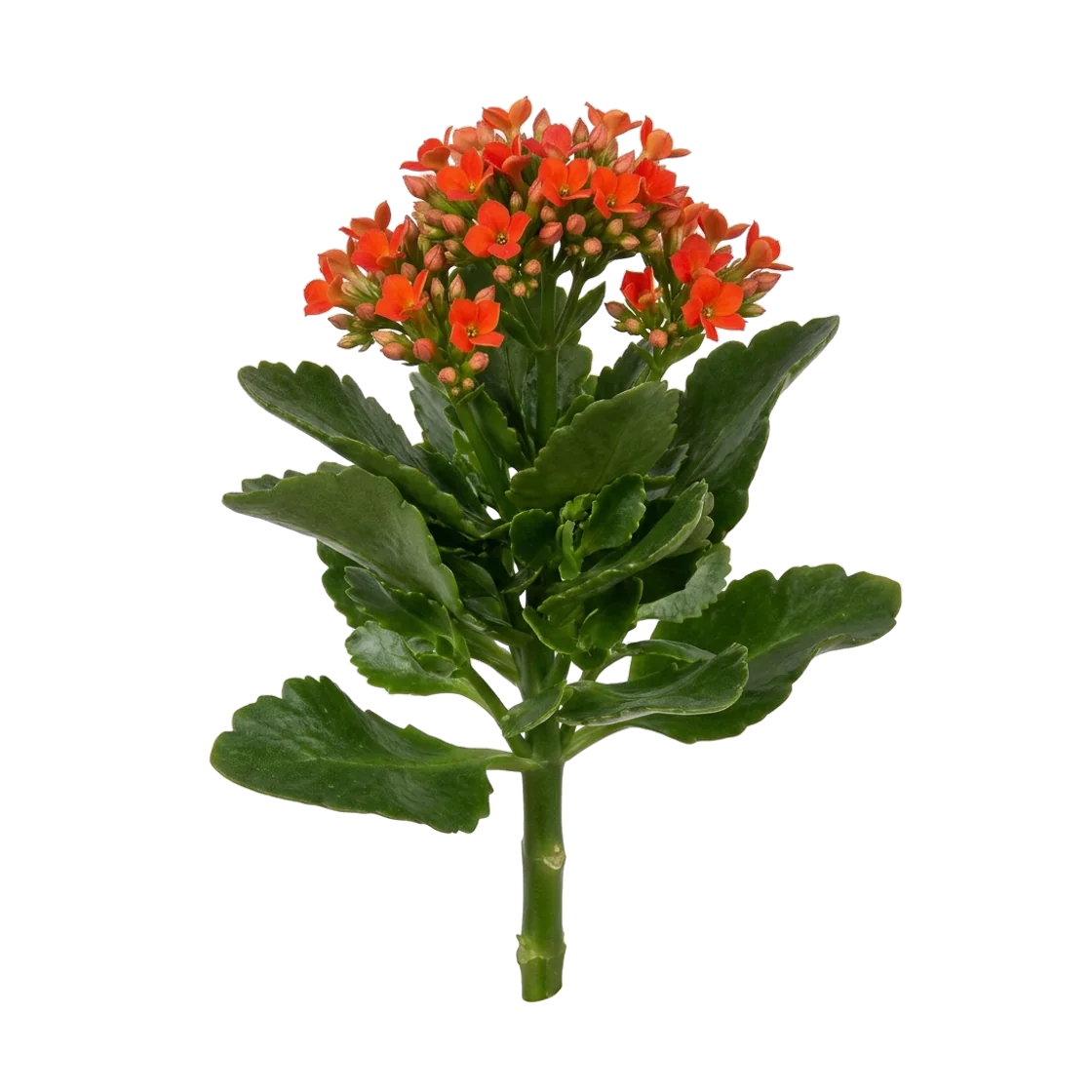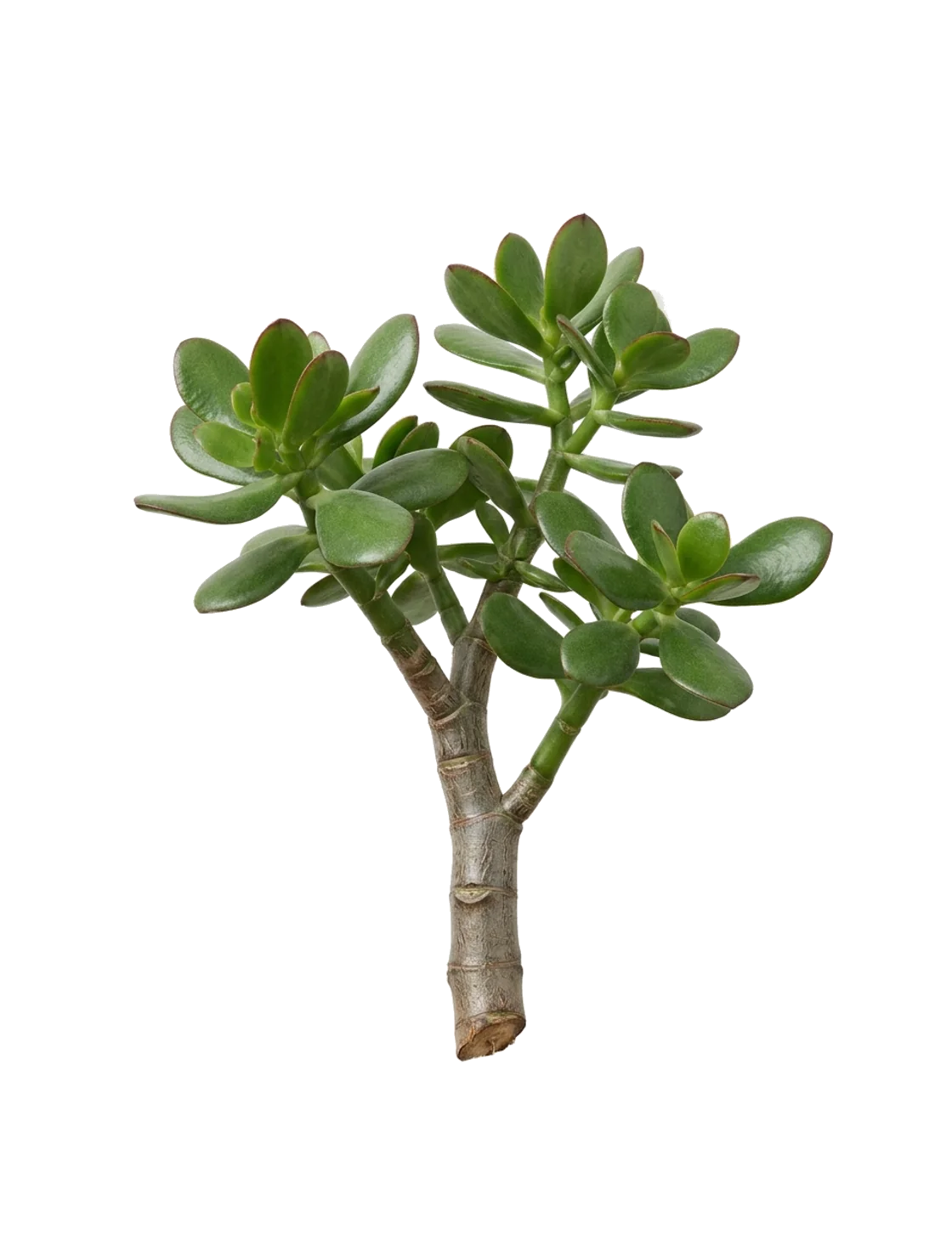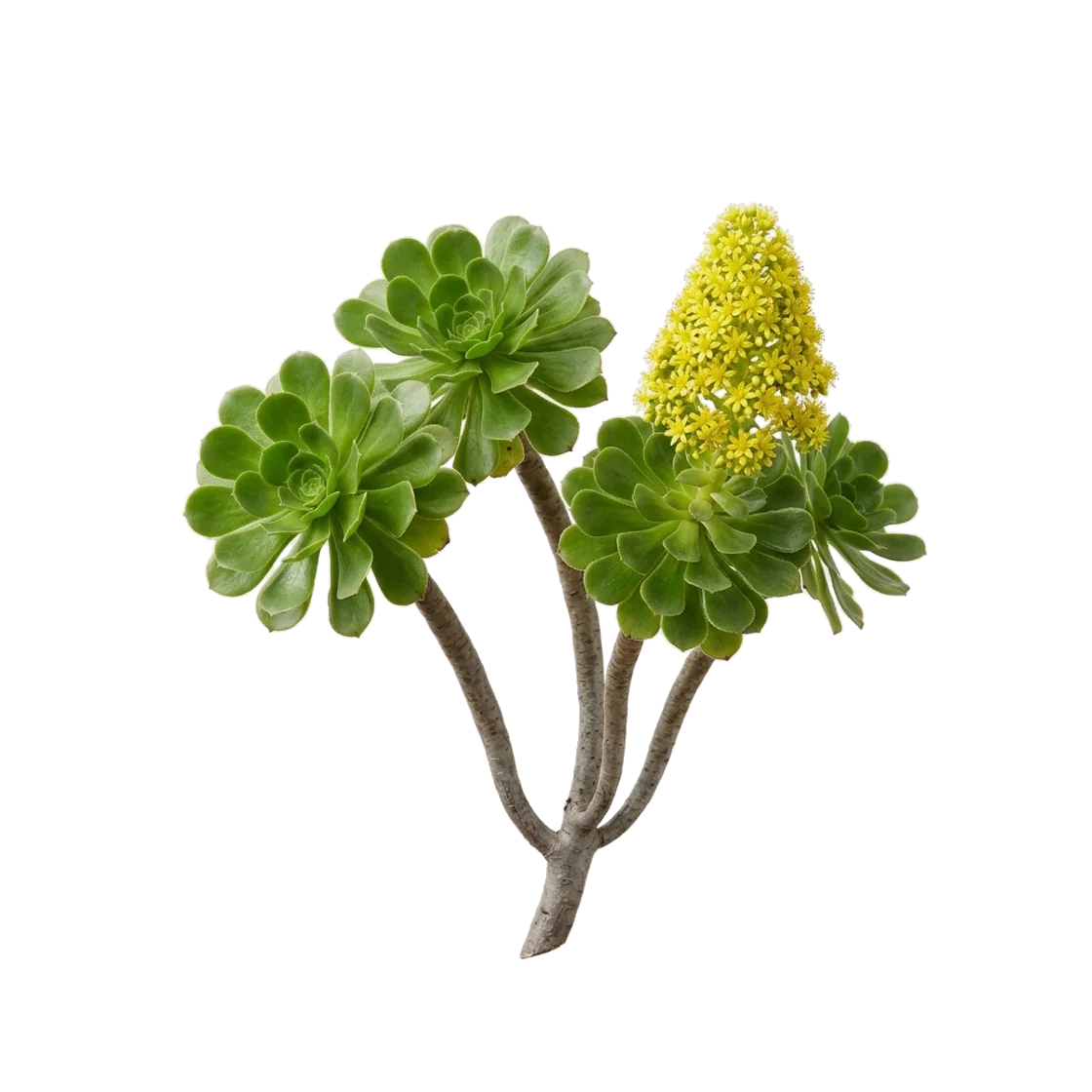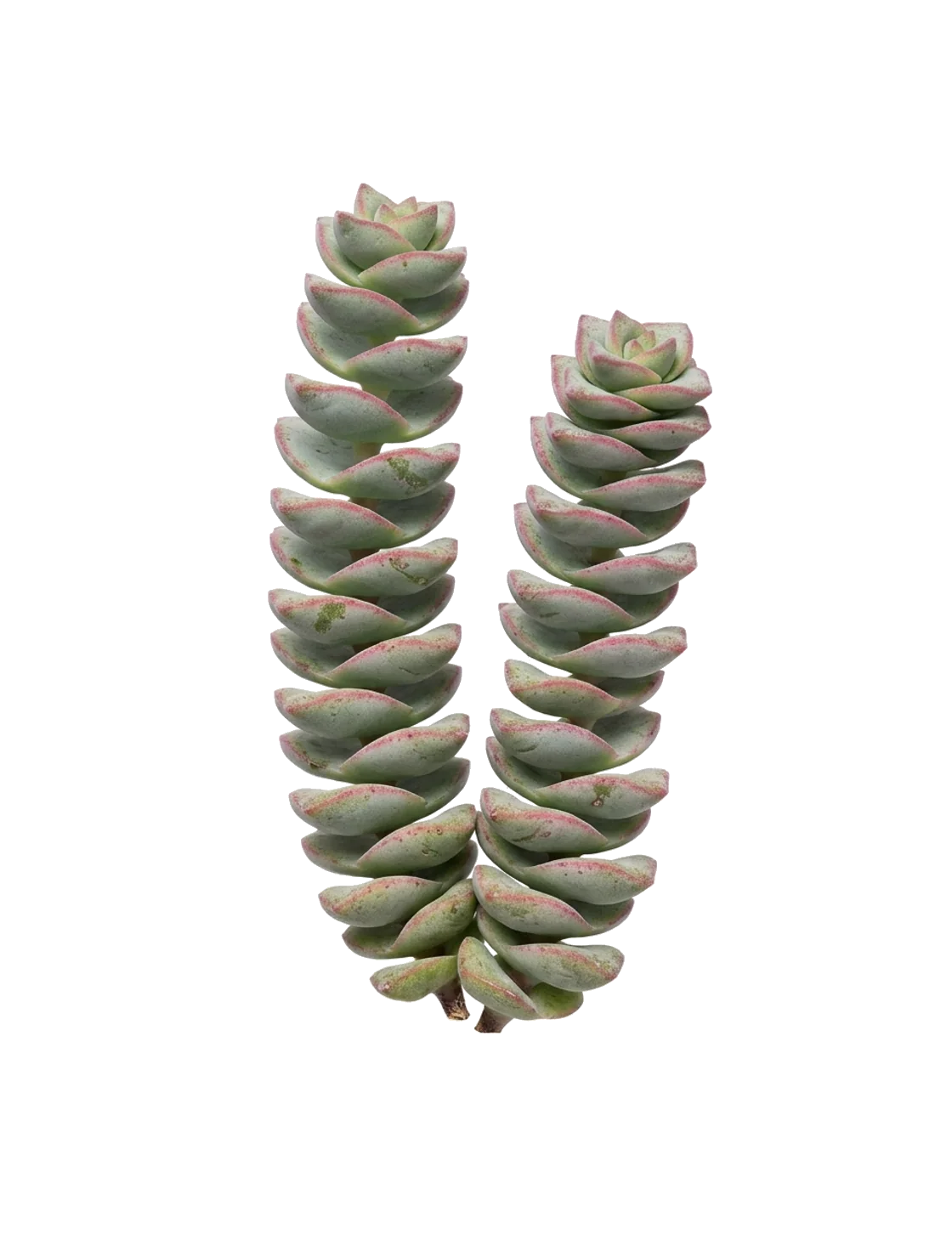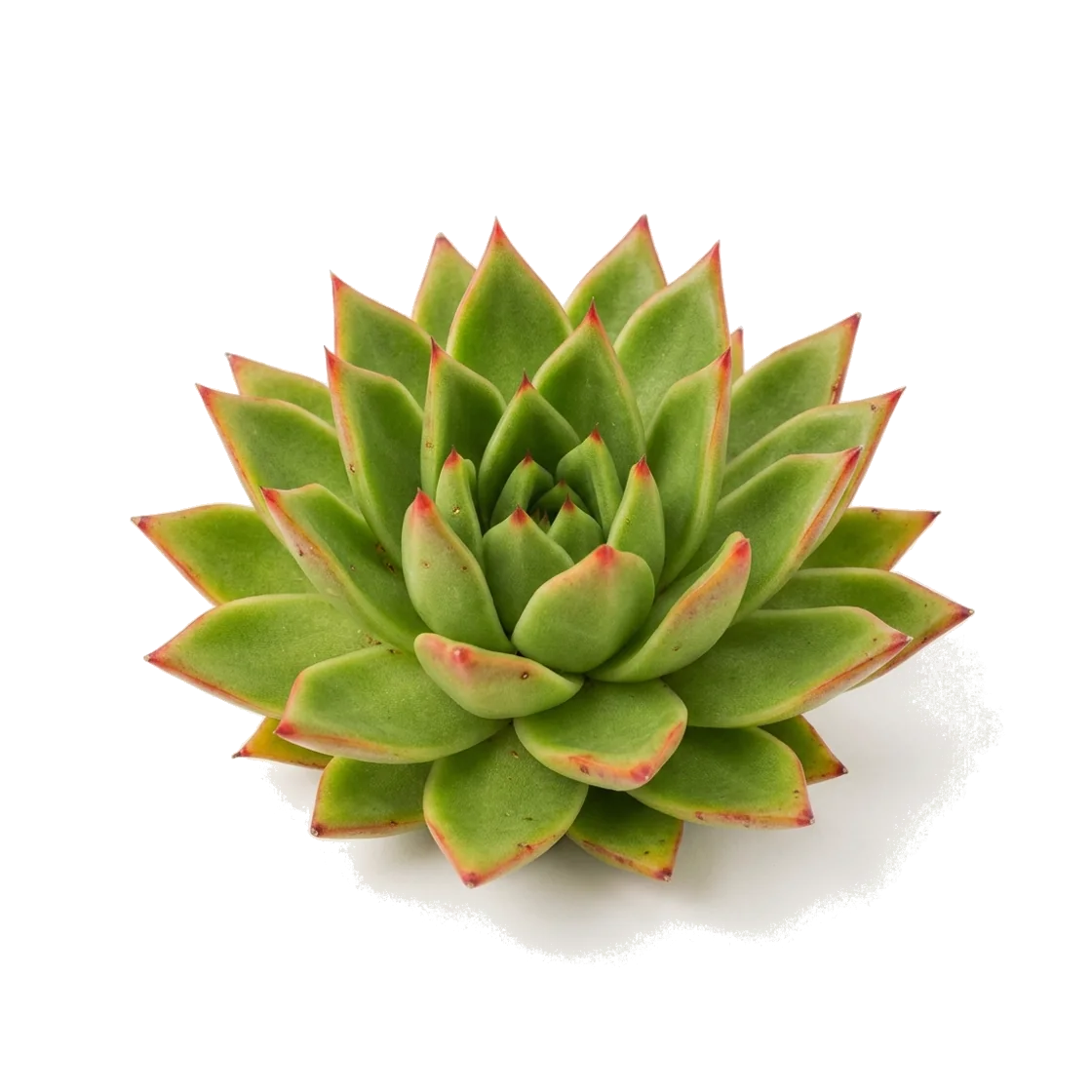
The molded wax agave (Echeveria agavoides) is a stemless succulent from the mountains of central Mexico, prized for its crisp geometric rosettes. Its thick triangular leaves of blue-green end in a fine reddish tip, and in strong light the margins blush pink or red. Adult rosettes reach about twenty centimetres across and in summer send up tall stems hung with bell-shaped flowers in red and yellow.
It is one of the most architectural echeverias, often used in rockeries, dry borders and minimalist pots where its symmetry stands out. Outdoors it takes full sun and copes with poor soils, provided drainage is sharp and winters stay mild. Indoors it demands the brightest possible window, because anything less stretches the rosette and washes out its colour.
Handling is simple if two rules are respected: sun without stint and water without excess. A gritty substrate, a pot with holes and a dry winter rest keep it tight and vividly edged for years. With that regime, molded wax agave offsets freely and rewards the grower with a colony of sculpted stars.
Did you know?Its stiff, triangular leaves end in a tiny point, and the whole rosette looks carved from wax, which inspired its English name.
Care. What it needs, point by point.
- Watering
- 1× a monthSoak the soil and let it dry fully between waterings, about weekly in summer heat. In winter water only once a month, keeping the leaves dry.
- Light
- Direct sunIt needs plenty of bright light with several hours of direct sun to stay compact. Indoors, the sunniest windowsill you have is mandatory.
- Temperature
- 18–26 °C ideal temperatureIt grows best between 18 °C and 26 °C and enjoys warm days with cool nights. Bring it indoors before frosts, as it dislikes anything below 5 °C.
- Soil
- Use a loose, gritty succulent mix that drains in seconds. Never use dense garden soil, which suffocates the roots.
- Fertilizer
- 3–4 weeks between feedsFeed every three to four weeks in spring and summer with diluted cactus fertiliser. Stop feeding in autumn so the rosette hardens before winter.
- Pruning
- No pruning is needed; remove dry lower leaves to keep the stem clean. Behead leggy rosettes in spring and re-root the crown.
- Propagation
- Root stem cuttings or offsets after letting the cut dry for several days. Leaves also root, though the new rosettes take months to form.
Where it grows. In the wild and in homes.
In the wild it grows in Mexico, in a desert or dry shrubland climate.
Range: Plants of the World Online, Royal Botanic Gardens, Kew
Is Molded wax agave toxic to cats and dogs?
Non-toxic to cats and dogs.

Cats
Non-toxic

Dogs
Non-toxic
Source · ASPCA Animal Poison Control
Common problems What tends to go wrong.
- Root rot
- Overwatering
- Mealybugs and scale
- Too little light
- Sunburn




Frequently asked questions What people ask most.
Why is my echeveria stretching tall?
Stretching with spaced-out leaves means it is starved of light and reaching for a window. Move it step by step to several hours of direct sun. The stretched stem will not shrink, but you can behead the rosette and re-root it.
How often should I water it?
Drench the pot and wait until the mix is bone dry before watering again, roughly weekly in hot weather. In winter once a month is enough. Water the soil, never the rosette, and empty the saucer.
Why are the lower leaves soft or falling?
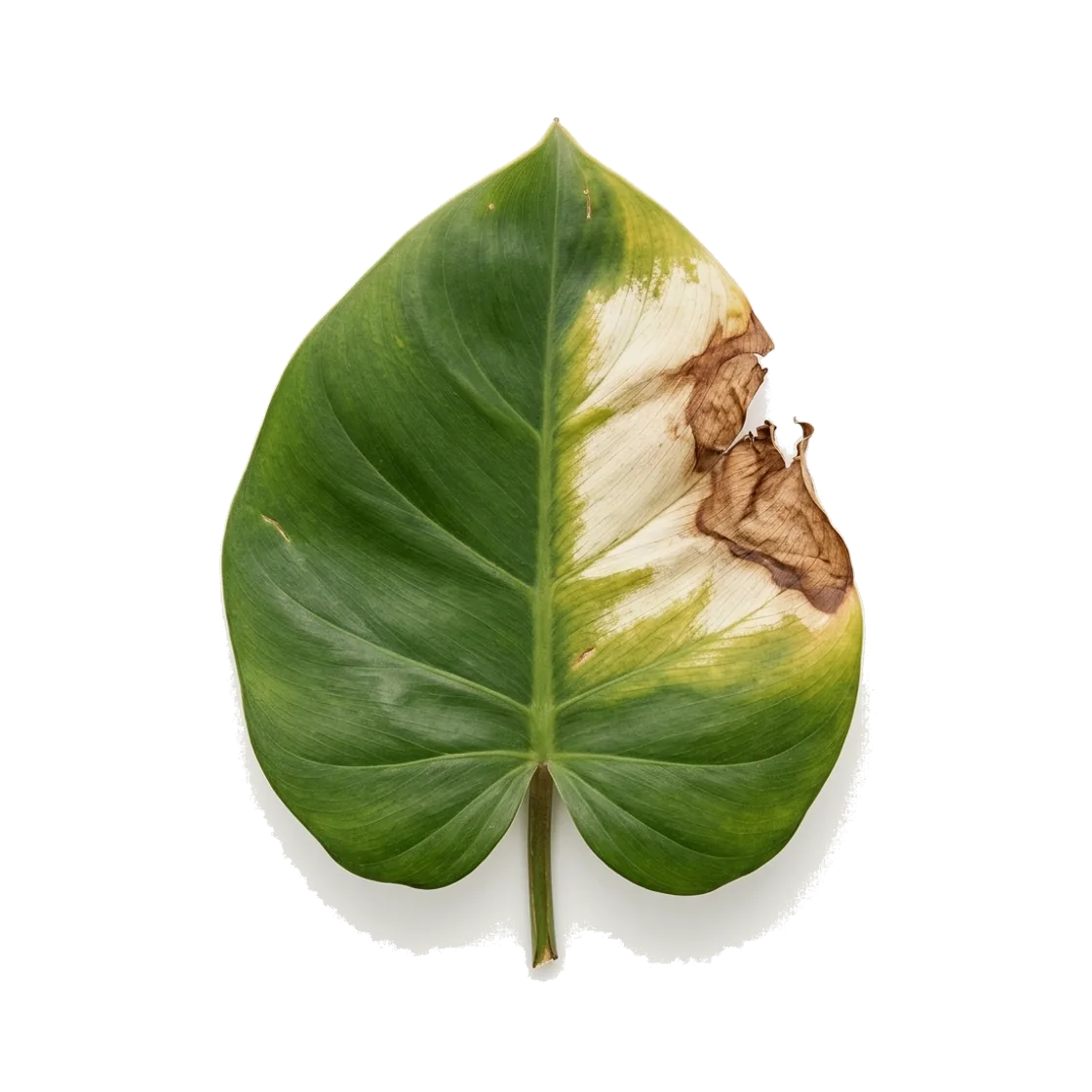
A few dry lower leaves are normal ageing, but soft translucent ones point to overwatering. Let the soil dry fully and remove the damaged leaves. If the stem is black, cut above the rot and re-root the healthy crown.
How do I get the red edges?
The red margins appear with strong light, mild water stress and cool nights. Give it direct morning sun and hold back water a little in autumn. Too much shade or feed keeps the leaves plain green.