Tree aeonium
Aeonium arboreum
Learn how to care for Tree aeonium: watering tips, light needs, well-draining soil, and propagation advice to keep your succulent rosettes thriving.
- Light
- Full sun
- Watering
- 2–3weeks between waterings
- Temperature
- 15–24 °Cideal temperature
- Toxicity
- Non-toxic
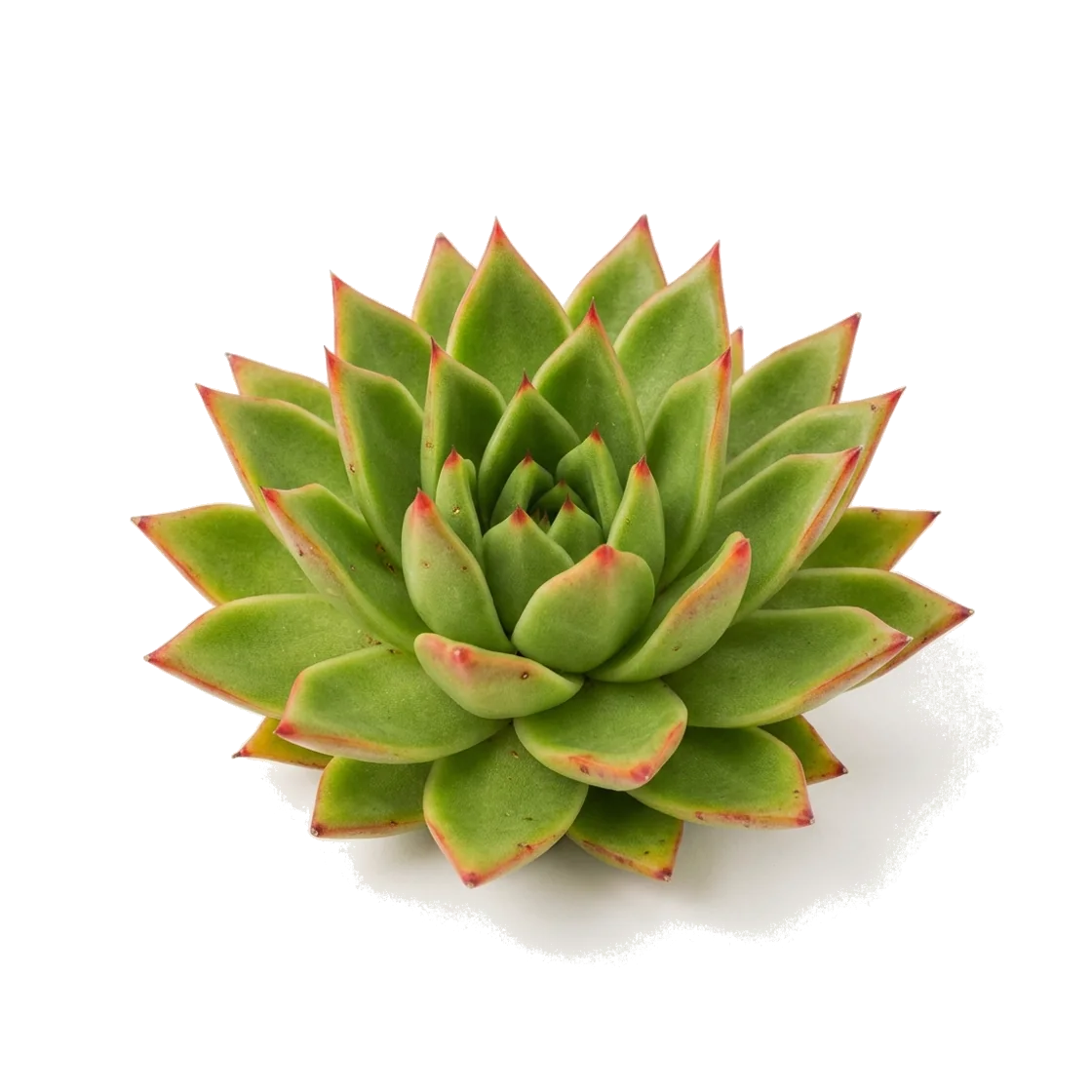
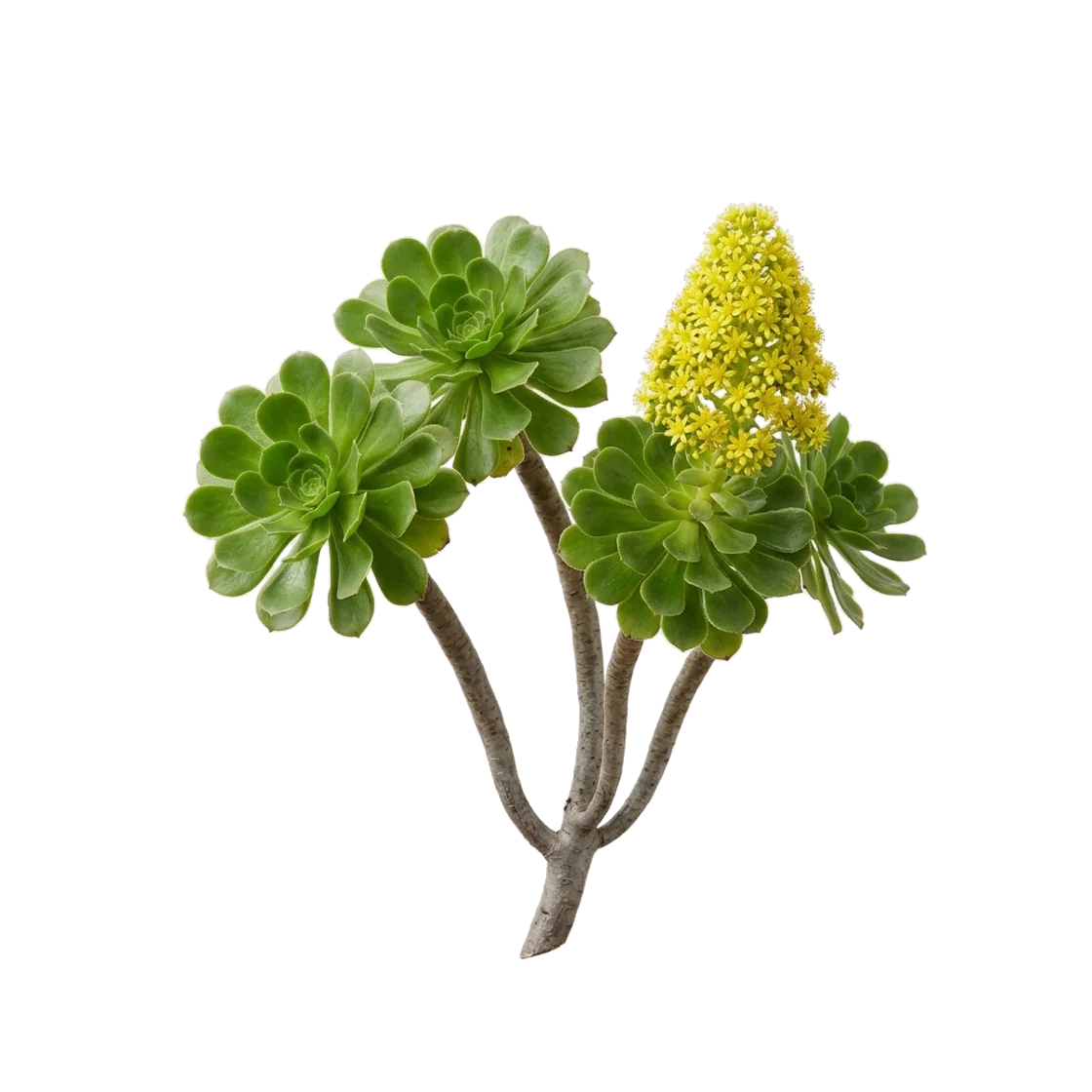
The Tree aeonium (Aeonium arboreum) is an eye-catching branching succulent native to the Canary Islands. It forms bold, dinner-plate rosettes of fleshy leaves atop thick, woody stems that give the plant a distinct shrub-like or small tree appearance over time. In optimal conditions, mature specimens can easily reach over three feet in height, making them popular focal points for rock gardens and patio containers.
Unlike many common houseplants and succulents, aeoniums follow an active growing season from autumn through spring and enter a dormant rest period during hot summer months. When summer dormancy kicks in, the outer leaves often close tightly to protect the center and minimize moisture loss. Understanding this natural rhythm is essential so you do not mistake summer rest for illness.
This architectural succulent is remarkably resilient and thrives with minimal fuss, provided it receives plenty of direct sunlight and sharp drainage. It stores moisture reliably within its plump leaves, allowing it to withstand dry spells, though it remains vulnerable to prolonged frost and overly soggy soil that can cause root decay.
Did you know?Each individual rosette is monocarpic and dies after blooming, but the surrounding stems stay alive and continue branching.
Care. What it needs, point by point.
- Watering
- 2–3 weeks between wateringsWater only when the potting mix has completely dried out from top to bottom. During its active growth in autumn and winter, watering once every two to three weeks is usually sufficient, but reduce it drastically during hot summer dormancy.
- Light
- Full sunIt thrives best in full direct sun to very bright partial shade throughout the day. Insufficient sunlight will cause the stems to stretch awkwardly and the rosettes to lose their compact shape.
- Temperature
- 15–24 °C ideal temperatureThe ideal temperature range for healthy growth is between 15 °C and 24 °C. It is not frost-hardy and should be brought indoors or sheltered if temperatures dip below 5 °C.
- Soil
- Use a gritty, well-draining succulent and cactus mix amended with perlite, pumice, or coarse sand. Excellent drainage is vital to protect the delicate root system from staying waterlogged.
- Fertilizer
- Feed once a month in autumn and spring with a balanced succulent fertilizer diluted to half strength. Suspend feeding entirely during summer when the plant is resting.
- Pruning
- Prune back leggy or overgrown branches in early spring to encourage dense, bushy branching.
- Propagation
- Propagate easily by taking stem cuttings topped with a healthy rosette. Allow the cut ends to callus over for several days before potting them in dry, gritty substrate.
Where it grows. In the wild and in homes.
In the wild it grows in Macaronesia and northern Africa, in a subtropical climate.
People have also taken it to 17 more regions where it now grows on its own: Europe, Africa, Australasia, and North America.
Range: Plants of the World Online, Royal Botanic Gardens, Kew
Is Tree aeonium toxic to cats and dogs?
The ASPCA doesn't list this species. If your pet has chewed it and seems unwell, call your vet.
Gallery As the community sees it.
Photo · H. Zell · CC BY-SA 3.0
Common problems What tends to go wrong.
- Root rot
- Overwatering
- Mealybugs and scale
- Too little light
- Cold damage





Frequently asked questions What people ask most.
Why do the rosettes close up tightly in summer?
This is a natural adaptation to conserve water during high summer temperatures when the plant enters dormancy. As weather cools in autumn, the rosettes will naturally reopen and resume active growth.
Why are the lower leaves turning yellow and falling off?
Losing older lower leaves is part of the plant's normal growth cycle as stems become woodier. If leaves fall rapidly while feeling squishy or translucent, it is almost certainly a sign of overwatering.
Does Tree aeonium die after flowering?
Only the specific rosette that flowers will die back, as each rosette is monocarpic. The rest of the branching plant remains healthy and will continue to produce new offshoots.
How do you fix a leggy or top-heavy Tree aeonium?
You can easily behead the overgrown rosette leaving a few inches of stem attached. Let the cut callous for a few days before replanting it, and prune the bare mother stem to stimulate fresh side shoots.