Flaming Katy
Kalanchoe blossfeldiana
Learn how to care for Flaming Katy (Kalanchoe blossfeldiana): light requirements, simple watering guidelines, and easy tips to encourage reblooming.
- Light
- Indirect
- Watering
- 10–14days between waterings
- Temperature
- 15–25 °Cideal temperature
- Pets
- Toxic
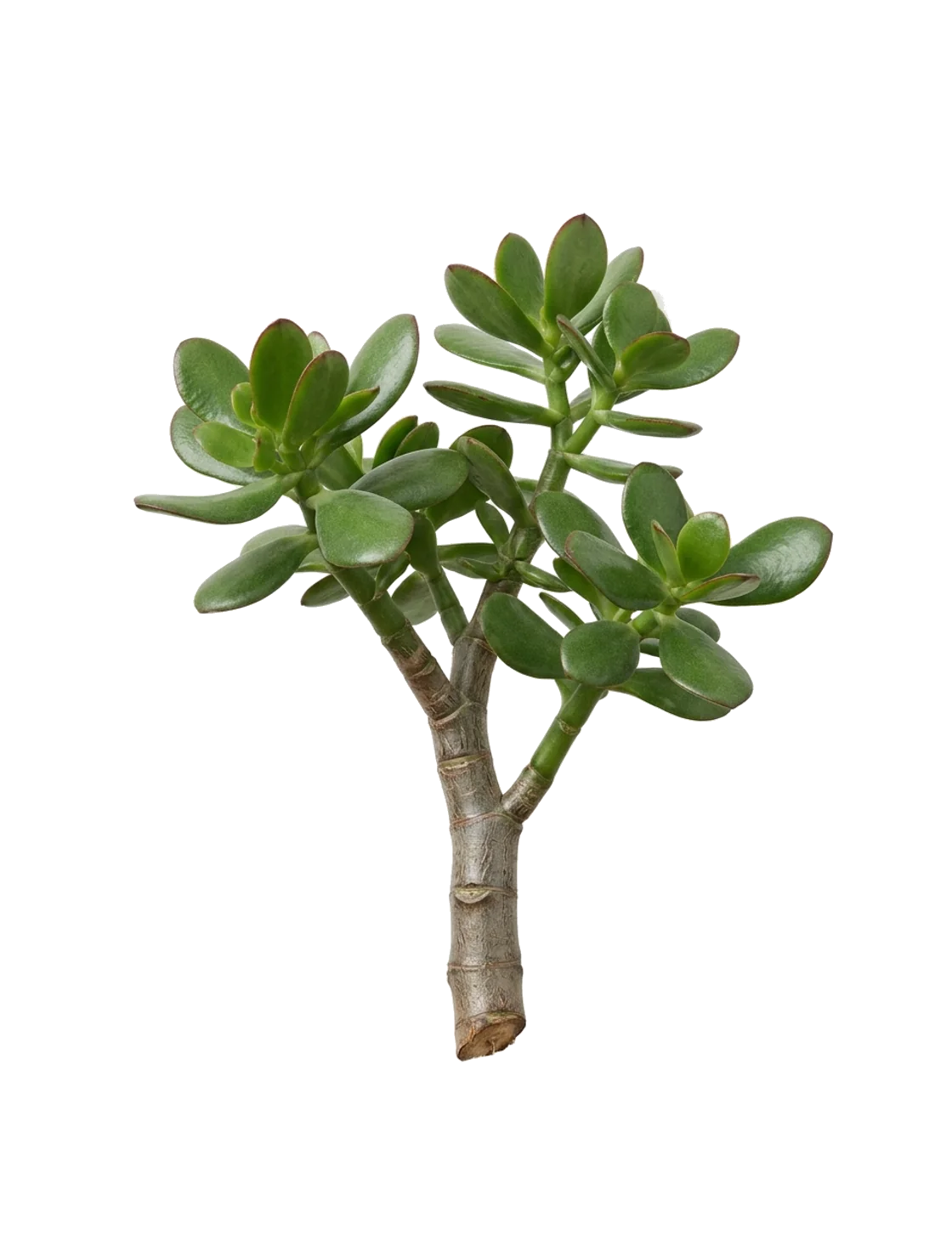
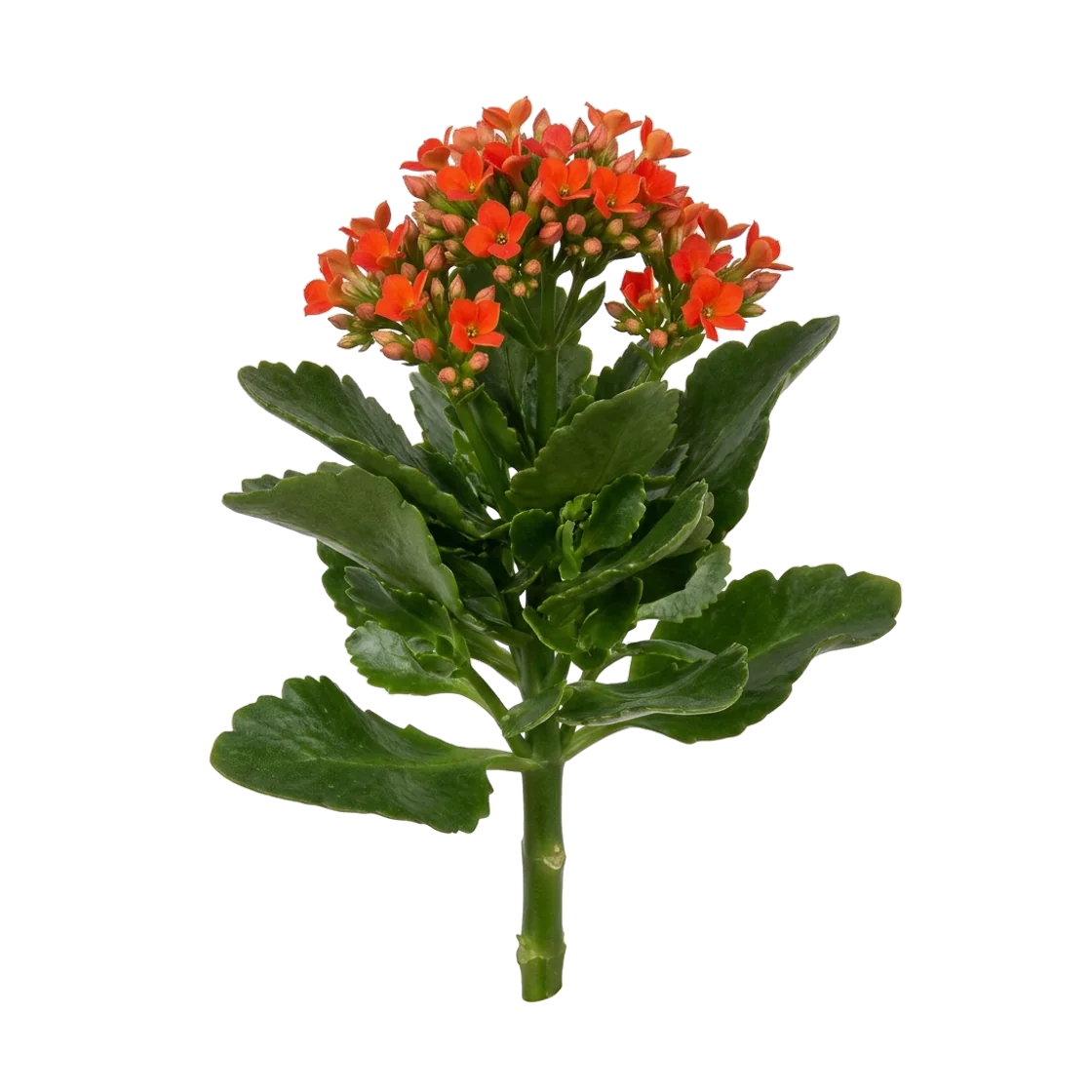
Flaming Katy (Kalanchoe blossfeldiana) is one of the most widely grown succulent houseplants, prized for its exceptionally long-lasting blooms and vibrant clusters of flowers. Native to Madagascar, it features thick, glossy, scalloped green leaves that store water efficiently, topped with dense clusters of small blossoms available in vivid shades of red, orange, pink, yellow, and white.
This plant is remarkably durable and forgiving, making it an ideal choice for both novice growers and seasoned indoor gardeners. Because it is naturally adapted to dry conditions, it handles underwatering far better than excess moisture. To thrive and maintain its compact, bushy silhouette, it requires bright light throughout the year, protected from scorching midday summer sun.
With proper seasonal care, Flaming Katy can easily produce waves of blooms year after year. Its compact habit makes it a charming addition to bright windowsills, desks, or patio planters, offering cheerful color for weeks on end with minimal hands-on maintenance.
Did you know?Flaming Katy is a photoperiodic plant that triggers flower buds only after experiencing prolonged periods of uninterrupted dark nights.
Care. What it needs, point by point.
- Watering
- 10–14 days between wateringsAllow the potting mix to dry out completely before watering again thoroughly. In spring and summer, watering every 10 to 14 days is typically sufficient, while in winter it should be reduced to once a month or less.
- Light
- IndirectProvide bright, indirect sunlight or mild morning direct sun for healthy, compact growth. Protect the fleshy leaves from harsh midday summer rays to prevent unsightly scorch marks.
- Temperature
- 15–25 °C ideal temperatureIt thrives in standard room temperatures ranging between 15 °C and 25 °C. Keep it away from cold winter drafts and temperatures dipping below 10 °C.
- Soil
- Plant in a loose, well-draining cactus and succulent mix enriched with perlite or coarse sand. Good drainage holes in the container are essential to prevent moisture from accumulating around the root system.
- Fertilizer
- Feed with a diluted, balanced succulent fertilizer once a month during spring and summer active growth. Do not fertilize during the fall and winter dormant periods.
- Pruning
- Trim spent flower stalks close to the stem to encourage fresh growth and keep the plant looking tidy. Prune leggy stems back occasionally to maintain a bushy, attractive form.
- Propagation
- Easily propagate by taking stem or individual leaf cuttings during the spring or early summer. Allow the cut ends to callus over for two days before setting them into slightly moist, well-draining soil.
Where it grows. In the wild and in homes.
In the wild it grows in the western Indian Ocean islands, in a seasonally dry tropical climate.
People have also taken it to 8 more regions where it now grows on its own: North America, South and Central America and the Caribbean, Europe, and Africa.
Range: Plants of the World Online, Royal Botanic Gardens, Kew
Is Flaming Katy toxic to cats and dogs?
Toxic to cats and dogs.

Cats
Toxic

Dogs
Toxic
Usual signs
Vomiting, diarrhea, and rarely, abnormal heart rhythm.
If your pet has chewed it and shows symptoms, call your vet or the nearest emergency vet.
Source · ASPCA Animal Poison Control
Common problems What tends to go wrong.
- Root rot
- Overwatering
- Mealybugs and scale
- Too little light
- Powdery mildew





Frequently asked questions What people ask most.
Why are my Flaming Katy leaves turning yellow and soft?
Soft, yellowing leaves are usually caused by overwatering or poorly draining soil. Allow the root ball to dry out completely between waterings and ensure the container empties freely.
How do I get my Flaming Katy to bloom again?
To initiate flowering, give the plant about six weeks of 14 hours of continuous total darkness each night in autumn. Once bud clusters form, move the plant back to bright light to allow the flowers to open.
Why is my plant becoming tall and leggy?
Leggy growth occurs when the plant is not receiving enough ambient light and stretches toward the light source. Move it to a brighter location with indirect sunlight and pinch back spindly stems to promote bushier growth.
Is it normal for bottom leaves to dry up and fall?
Yes, shedding older leaves near the base is part of natural aging as long as the new growth remains firm and healthy. Gently twist or cut away completely dry leaves to keep the foliage clean.