Mexican snowball
Echeveria elegans
Expert care guide for Mexican snowball (Echeveria elegans): learn how to water, provide optimal light, and propagate to maintain compact, frosty rosettes.
- Light
- 4–6 hof direct sun
- Watering
- 10–14days between waterings
- Temperature
- 18–26 °Cideal temperature
- Pets
- Non-toxic
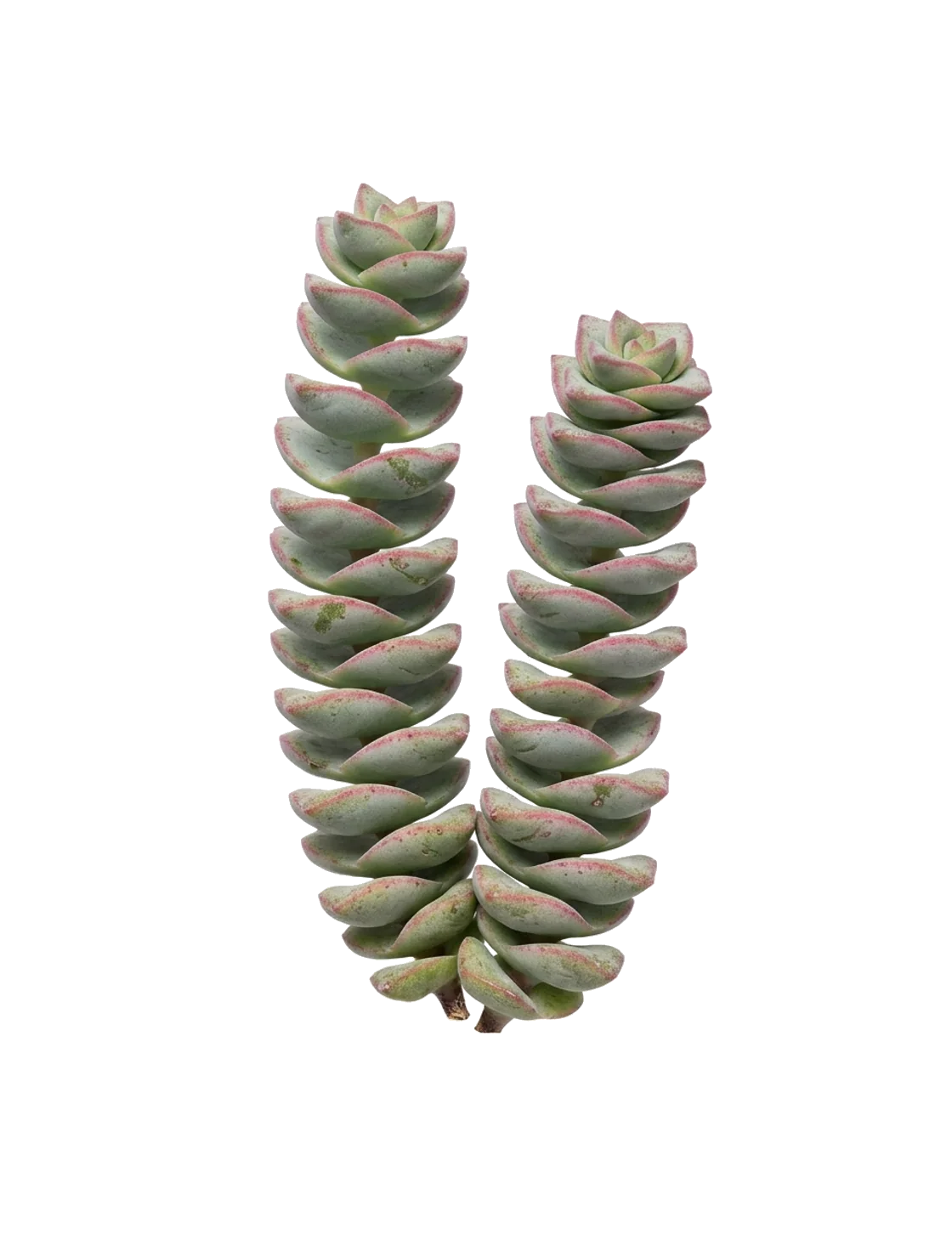
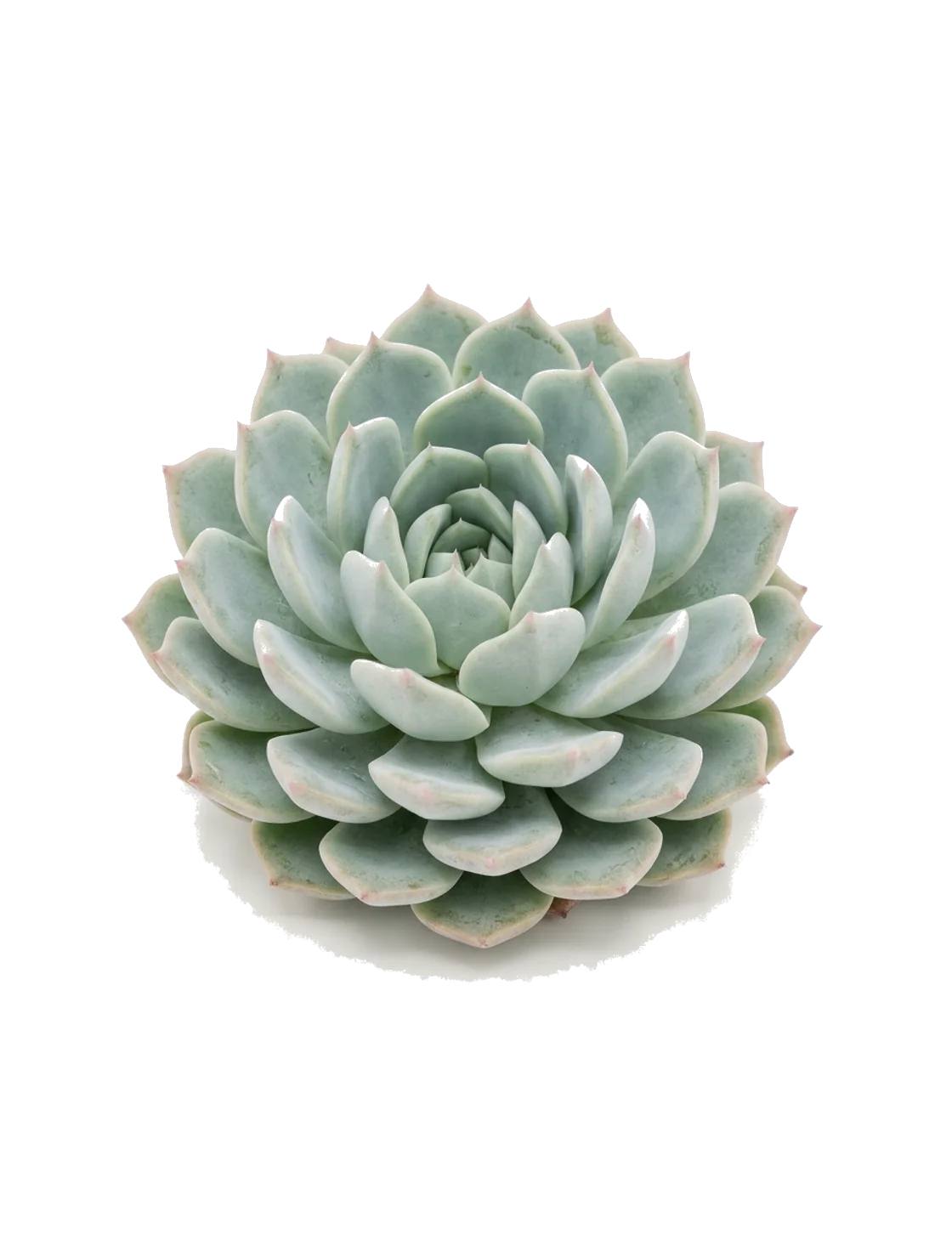
Echeveria elegans, widely known as the Mexican snowball or alabaster rose, is a popular succulent perennial native to the semi-arid mountain habitats of Hidalgo, Mexico. It forms tidy, stemless rosettes of thick, fleshy leaves colored pale bluish-gray with pale translucent margins. A delicate powdery coating blankets the foliage, giving the plant its distinctive frosty sheen.
Because of its compact growth habit, this succulent thrives on sunny indoor windowsills, patio containers, and rock gardens in arid landscapes. During late winter and spring, mature plants send up slender pink flower stems bearing nodding bell-shaped blooms with coral-pink bases and yellow tips. These showy flowers provide vivid contrast without sapping energy from the mother rosette.
Highly drought-tolerant and resilient, Mexican snowball is an exceptional choice for beginners and seasoned collectors alike. Its main requirements are bright sunshine and careful moisture management, as prolonged dampness around the roots or within the rosette can quickly lead to fungal decay and loss of foliage.
Did you know?The whitish dust on the leaves is farina, an epicuticular wax that shields the plant from intense sun and prevents water loss.
Care. What it needs, point by point.
- Watering
- 10–14 days between wateringsWater thoroughly only when the potting mix is dry all the way to the bottom, applying moisture around the base rather than into the rosette. In the growing season, watering every 10 to 14 days is typically sufficient, while in winter it should be reduced to once a month or paused entirely.
- Light
- 4–6 h of direct sunProvide at least 4 to 6 hours of direct sunlight daily to maintain tight rosettes and vibrant coloration. If grown outdoors in hot regions, offer light afternoon shade to prevent leaf scorching.
- Temperature
- 18–26 °C ideal temperatureIt thrives in temperatures ranging between 18 °C and 26 °C. It can tolerate brief drops down to 0 °C in bone-dry soil, but hard frost causes irreversible tissue damage.
- Soil
- Use a fast-draining cactus and succulent mix amended with 50% inorganic grit, perlite, or pumice. Always plant in a pot with functional drainage holes to prevent standing water.
- Fertilizer
- Feed with a diluted succulent fertilizer once a month during spring and early summer. Cease all feeding during autumn and winter when growth naturally slows down.
- Pruning
- Gently pull away dead lower leaves and snip off spent flower stalks at the base using sterile shears. This maintenance improves air circulation and discourages pest infestations.
- Propagation
- Propagate by gently separating lateral offsets (chicks) that form around the main rosette or by taking leaf cuttings. Allow calluses to form over cut surfaces for two or three days before placing them on dry soil.
Where it grows. In the wild and in homes.
In the wild it grows in Mexico, in a subtropical climate.
Range: Plants of the World Online, Royal Botanic Gardens, Kew
Is Mexican snowball toxic to cats and dogs?
Non-toxic to cats and dogs.

Cats
Non-toxic

Dogs
Non-toxic
Source · ASPCA Animal Poison Control
Common problems What tends to go wrong.
- Root rot
- Too little light
- Overwatering
- Mealybugs and scale
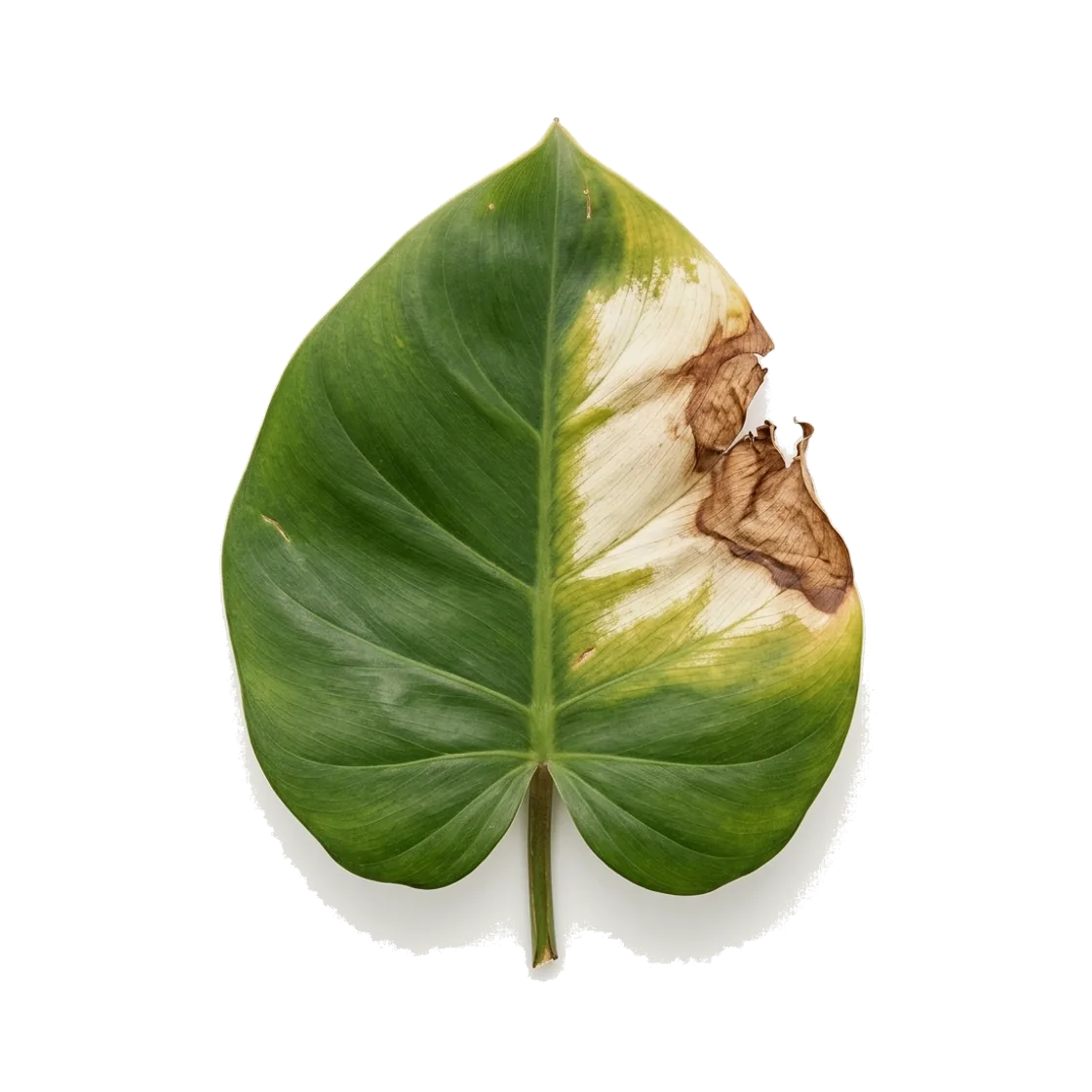
- Sunburn




Frequently asked questions What people ask most.
Why is my Mexican snowball stretching out and losing its compact shape?
This stretching, known as etiolation, happens when the plant receives insufficient direct sunlight. Move your succulent gradually to a sunnier window so that new center growth develops tightly.
Why are the bottom leaves turning yellow and translucent?
Translucent, squishy lower leaves indicate overwatering or poorly draining soil. Allow the potting mix to dry out completely and check the roots for signs of rot.
Can the chalky powder on the leaves be wiped off?
You should avoid touching the leaves because that powdery coating is farina, a natural sunscreen and water barrier. Once wiped off, it will not regenerate on existing leaves.
How do I know when my Mexican snowball needs water?
Check the soil moisture with a wooden skewer to ensure it is dry throughout the entire pot. You can also watch the lowest leaves, which will soften and show fine wrinkles when thirsty.