Mexican marigold
Tagetes erecta
Learn how to grow and care for Mexican marigold in your garden. Practical guide covering full sun exposure, watering needs, soil, and vibrant blooms.
- Light
- 6 hof direct sun
- Watering
- 2–3×a week
- Temperature
- 18–28 °Cideal temperature
- Toxicity
- Non-toxic
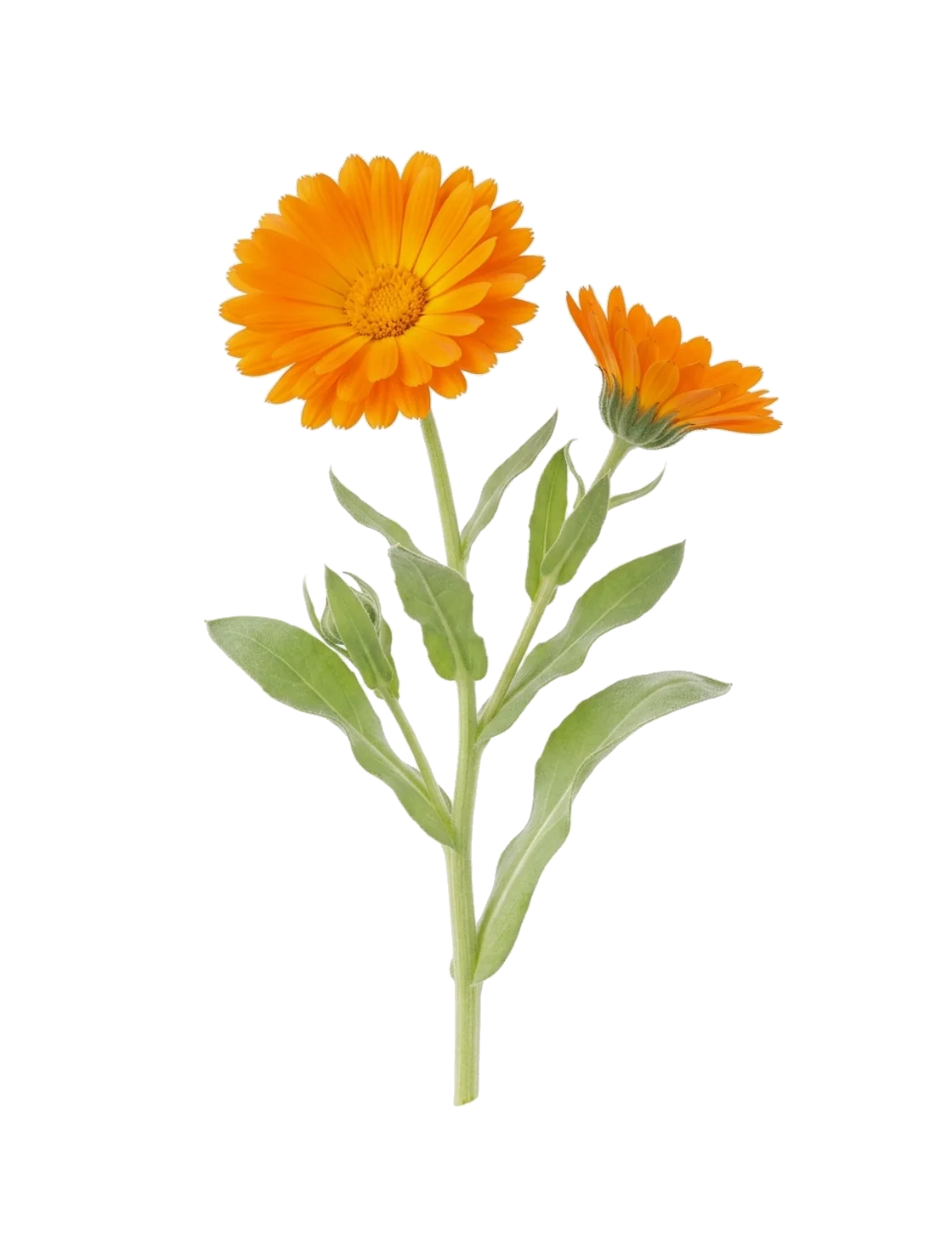
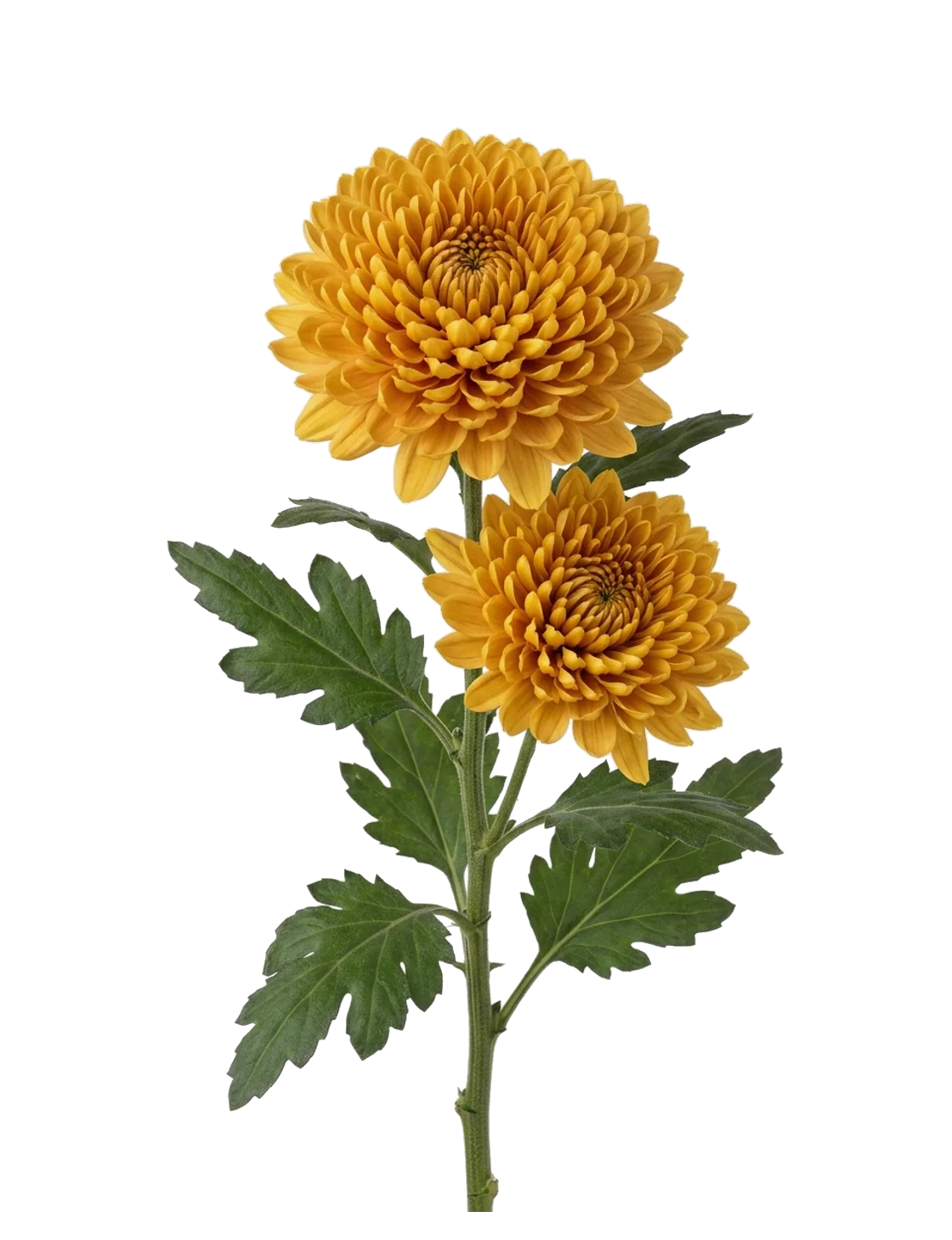
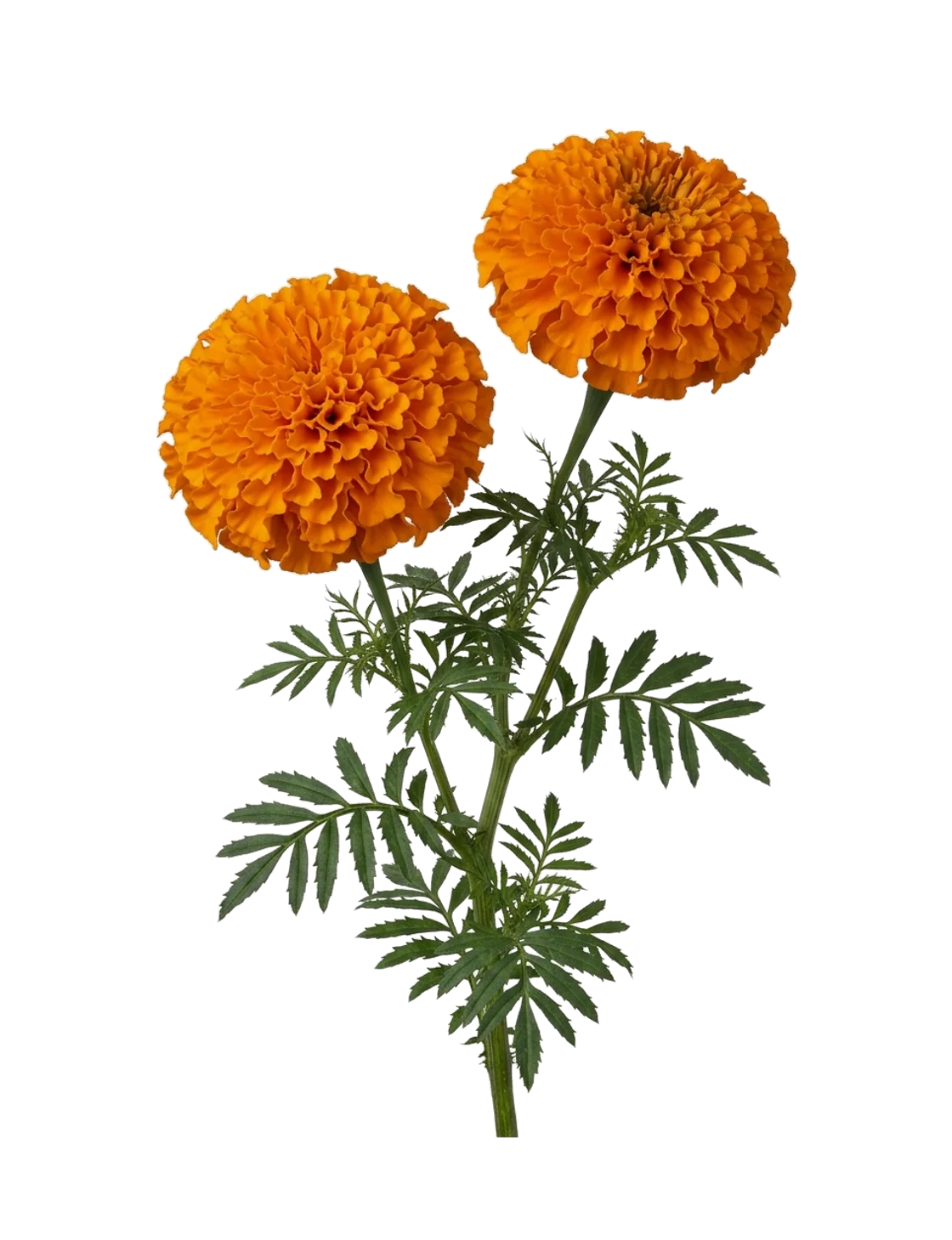
The Mexican marigold (Tagetes erecta), also widely known as Aztec marigold, is a vibrant annual herb native to Mexico and Central America. It is celebrated for its large, pompon-like flower heads in fiery shades of yellow and orange, paired with deeply divided, aromatic dark green foliage. In Mexican culture, it holds deep cultural significance as the central floral element of the Day of the Dead.
Gardeners appreciate this species not only for its striking beauty but also for its practical companion-planting qualities. Its roots release natural compounds that suppress harmful root-knot nematodes, making it a fantastic neighbor for vegetables like tomatoes and squash. It grows rapidly throughout warm weather, forming sturdy upright mounds that attract pollinators while deterring several garden pests.
Caring for this plant is straightforward, as long as it receives abundant direct sunlight to sustain its blooming energy and keep stems strong. Consistent watering that keeps the soil slightly moist without waterlogging, combined with regular deadheading of spent blossoms, will ensure a nonstop display of spectacular flowers from early summer until the first harsh frosts of late autumn.
Did you know?In Mexican folklore, the vivid color and strong scent of the marigold are believed to guide the spirits of departed loved ones back to their family altars on the Day of the Dead.
Care. What it needs, point by point.
- Watering
- 2–3× a weekWater two to three times a week during hot summer spells, easing back when the weather cools. Check the top inch of soil with your finger and irrigate only when it feels dry. Always apply water directly to the root zone to keep the dense flowers dry and prevent fungal rot.
- Light
- 6 h of direct sunMexican marigolds demand full sun, requiring at least six hours of direct sunlight each day to bloom profusely. Growing them in partial or deep shade leads to leggy growth and significantly fewer blossoms.
- Temperature
- 18–28 °C ideal temperatureThey thrive in temperatures between 18 °C and 28 °C during the active growing season. These plants are very sensitive to frost and will succumb once temperatures drop below 5 °C in late autumn.
- Soil
- Use a well-draining all-purpose potting soil enriched with organic compost. They adapt well to average garden soils, provided drainage is sharp and water never pools around the crown.
- Fertilizer
- 2–3 weeks between feedsFeed with a balanced or high-phosphorus liquid flower fertilizer every two to three weeks through the blooming months. Avoid fertilizers excessively high in nitrogen, which encourage foliage at the expense of floral buds.
- Pruning
- Pinch off spent flower heads promptly right above a healthy set of leaves throughout the season. This routine deadheading redirects plant energy into producing fresh buds rather than setting seeds.
- Propagation
- Propagate easily from seed started indoors in late winter or sown directly in garden beds after the last frost date. Seeds typically germinate within five to ten days in warm, moist soil.
Where it grows. In the wild and in homes.
In the wild it grows in Mexico and Central America, in a subtropical climate.
People have also taken it to 127 more regions where it now grows on its own: Europe, North America, South and Central America and the Caribbean, and Africa.
Range: Plants of the World Online, Royal Botanic Gardens, Kew
Is Mexican marigold toxic to cats and dogs?
The ASPCA doesn't list this species. If your pet has chewed it and seems unwell, call your vet.
Common problems What tends to go wrong.
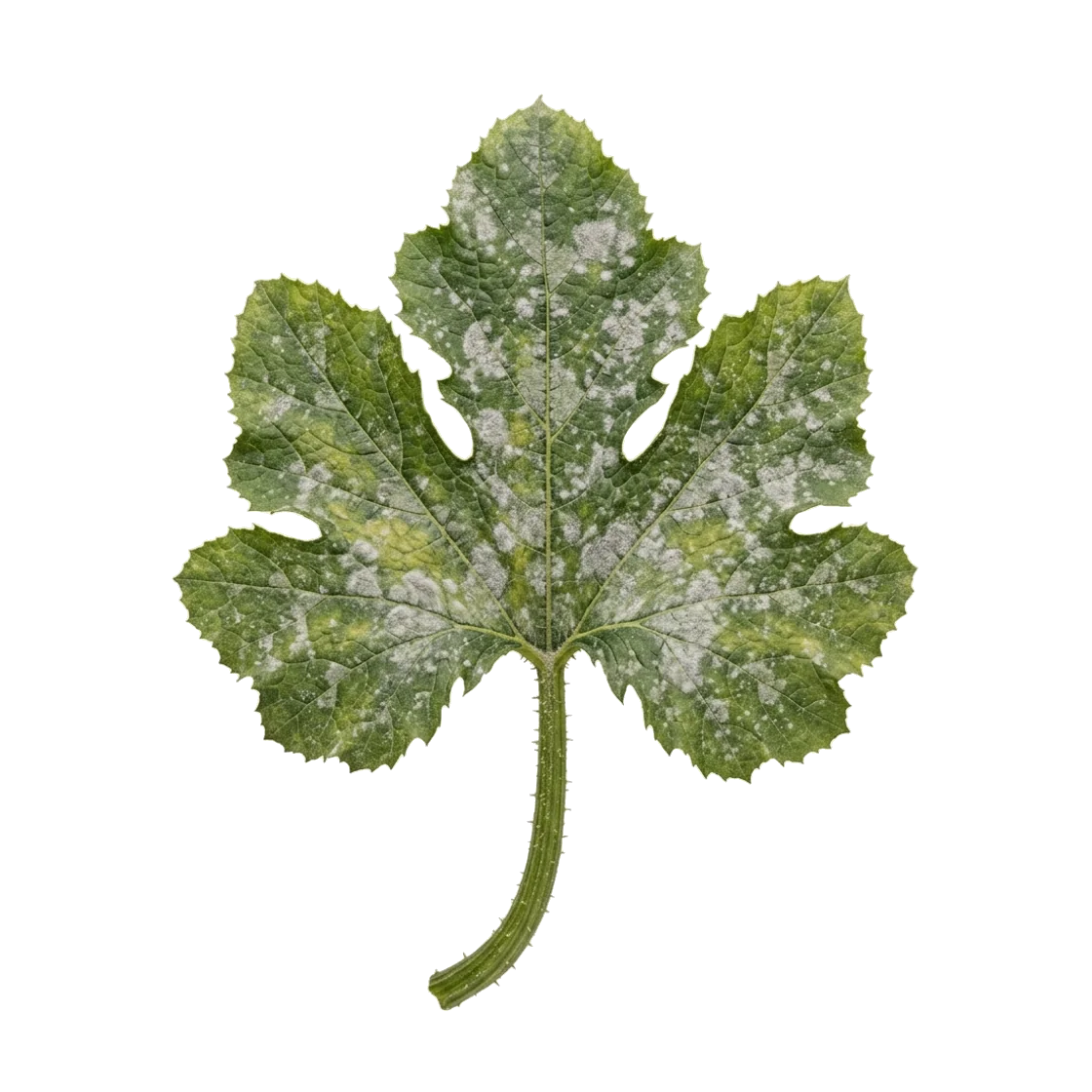
- Powdery mildew
- Botrytis (grey mould)
- Root rot
- Spider mites
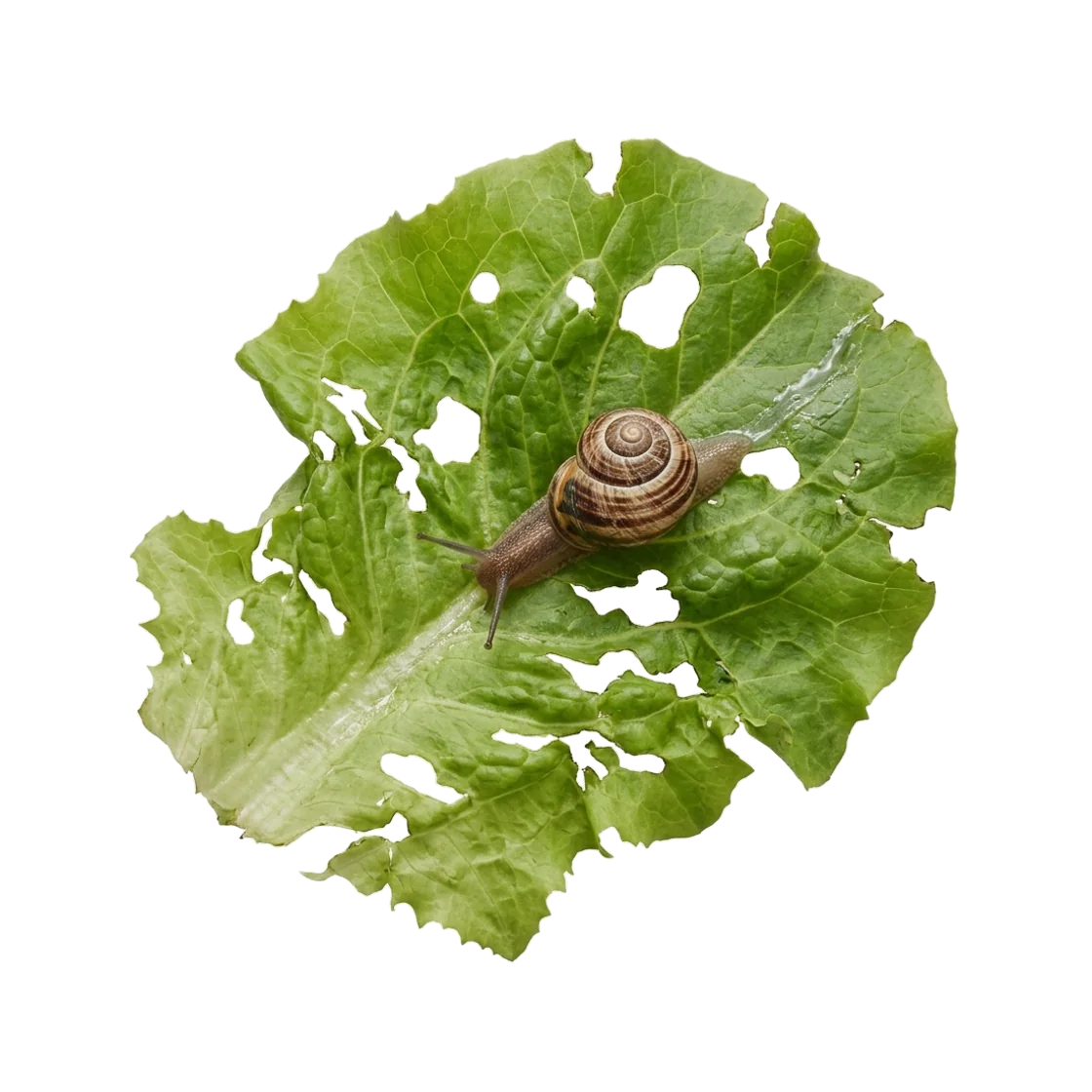
- Snails and slugs
- Too little light




Frequently asked questions What people ask most.
Why are the flower heads rotting or turning brown?
This is usually caused by overhead watering or high humidity trapped within the dense petals, which encourages fungal infections like gray mold. Always water the soil directly at the base of the stems and remove decaying blossoms promptly.
How do I keep my marigolds blooming all season long?
Regularly deadhead fading blooms to prevent the plant from putting energy into seed production. Pairing consistent deadheading with full sun exposure and a monthly flower fertilizer will keep blossoms coming.
Why are the lower leaves turning yellow?
Yellowing lower leaves typically indicate overwatering or poorly draining soil that suffocates roots. Alternatively, severe underwatering or spider mite infestations in dry heat can also cause leaves to yellow and dry out.
Do Mexican marigolds come back every year?
No, Tagetes erecta is treated as an annual plant that naturally dies back after flowering and setting seeds in late autumn. However, they readily produce copious seeds that you can easily harvest and sow again next spring.