Mexican fan palm
Washingtonia robusta
Mexican fan palm guide: watering, sun, soil and pruning tips for a tall, healthy and fast-growing palm in warm and coastal gardens year after year.
- Light
- Full sun
- Temperature
- 18–30 °Cideal temperature
- Toxicity
- Non-toxic
- Difficulty
- Easy
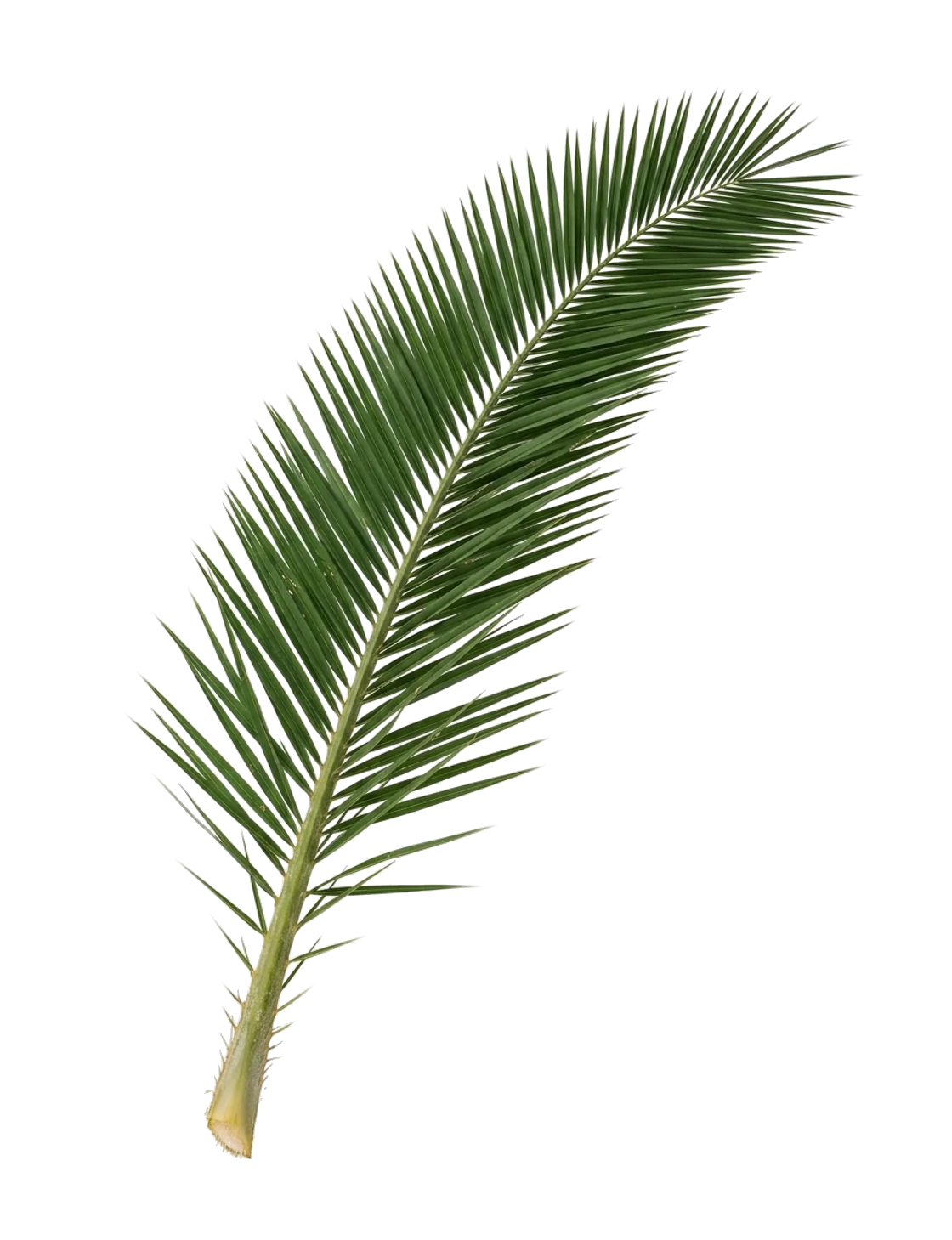
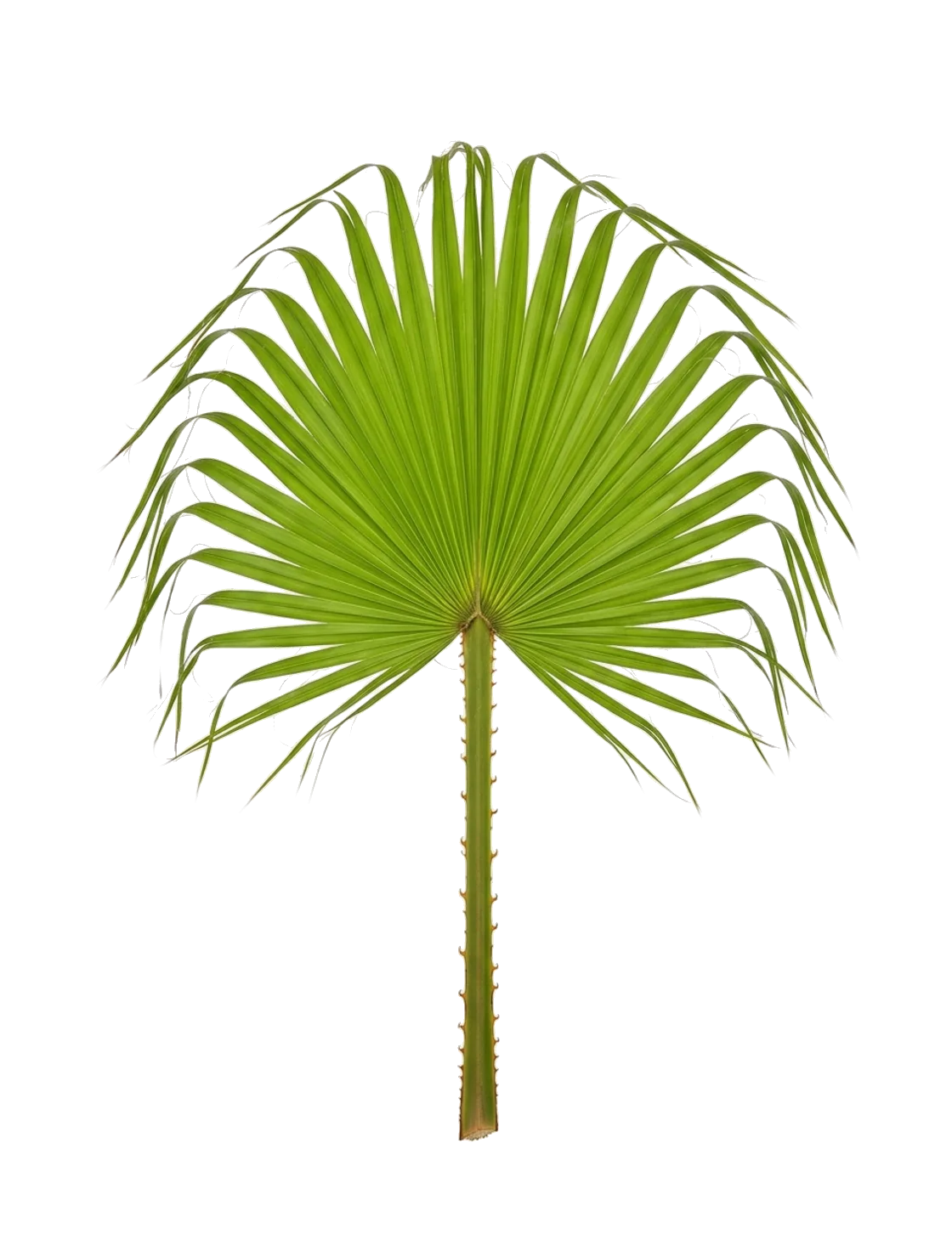
The Mexican fan palm (Washingtonia robusta) is a tall palm of the family Arecaceae, prized for its slender trunk and fast growth in warm gardens. Native to northwestern Mexico, it develops a straight grey trunk crowned by a rounded head of fan-shaped green leaves with drooping tips. In mild climates it can pass 15 metres, growing visibly every year once established.
It is an outdoor palm for gardens, avenues and courtyards in frost-free or nearly frost-free areas. Young plants grow well in large pots on sunny terraces, but they soon need planting out because of their vigorous roots. The palm asks for sun, space and drained soil, and established trees tolerate wind, drought and summer heat. Dry old leaves often hang around the trunk and are removed for a tidy look.
Mexican fan palms suit Mediterranean and coastal gardens, swimming-pool surrounds and street planting where their height frames the view. They pair with lavender, rosemary and agaves in dry beds that need little summer water. Given sun and room to rise, a palm becomes a landmark tree within a decade.
Did you know?Its trunk keeps the pattern of old leaf bases, which is why gardeners call its silhouette a skirt or petticoat.
Care. What it needs, point by point.
- Watering
- Water young palms regularly in warm weather, letting the surface dry between waterings. Established palms tolerate drought and heat, with deep watering only in long dry spells.
- Light
- Full sunGrow in full sun for fast strong growth and a straight trunk. Young plants accept light shade, but long-term shade produces a thinner trunk and sparse crown.
- Temperature
- 18–30 °C ideal temperatureIt grows best between 18 °C and 30 °C and tolerates brief frosts down to about -4 °C. Young palms need fleece protection when frost threatens.
- Soil
- Use well-drained, even sandy or poor soil, as it adapts to many ground types. It dislikes chalky waterlogged ground where the crown stays wet for days.
- Fertilizer
- Feed young palms in spring and summer with a palm fertilizer that includes magnesium and micronutrients. Mature garden palms in good soil need only one or two feeds a year.
- Pruning
- Remove only fully dry leaves and old flower stalks, cutting near the trunk without wounding it. Never cut the crownshaft area or the growing tip, which would kill the palm.
- Propagation
- Sow fresh seeds in spring in a warm spot near 25 °C, where they sprout over several weeks. Seedlings grow fast in sun and need deep pots for their long roots.
Where it grows. In the wild and in homes.
In the wild it grows in Mexico, in a desert or dry shrubland climate.
People have also taken it to 14 more regions where it now grows on its own: Africa, North America, Europe, and the Pacific.
Range: Plants of the World Online, Royal Botanic Gardens, Kew
Is Mexican fan palm toxic to cats and dogs?
The ASPCA doesn't list this species. If your pet has chewed it and seems unwell, call your vet.
Common problems What tends to go wrong.
- Mealybugs and scale
- Spider mites
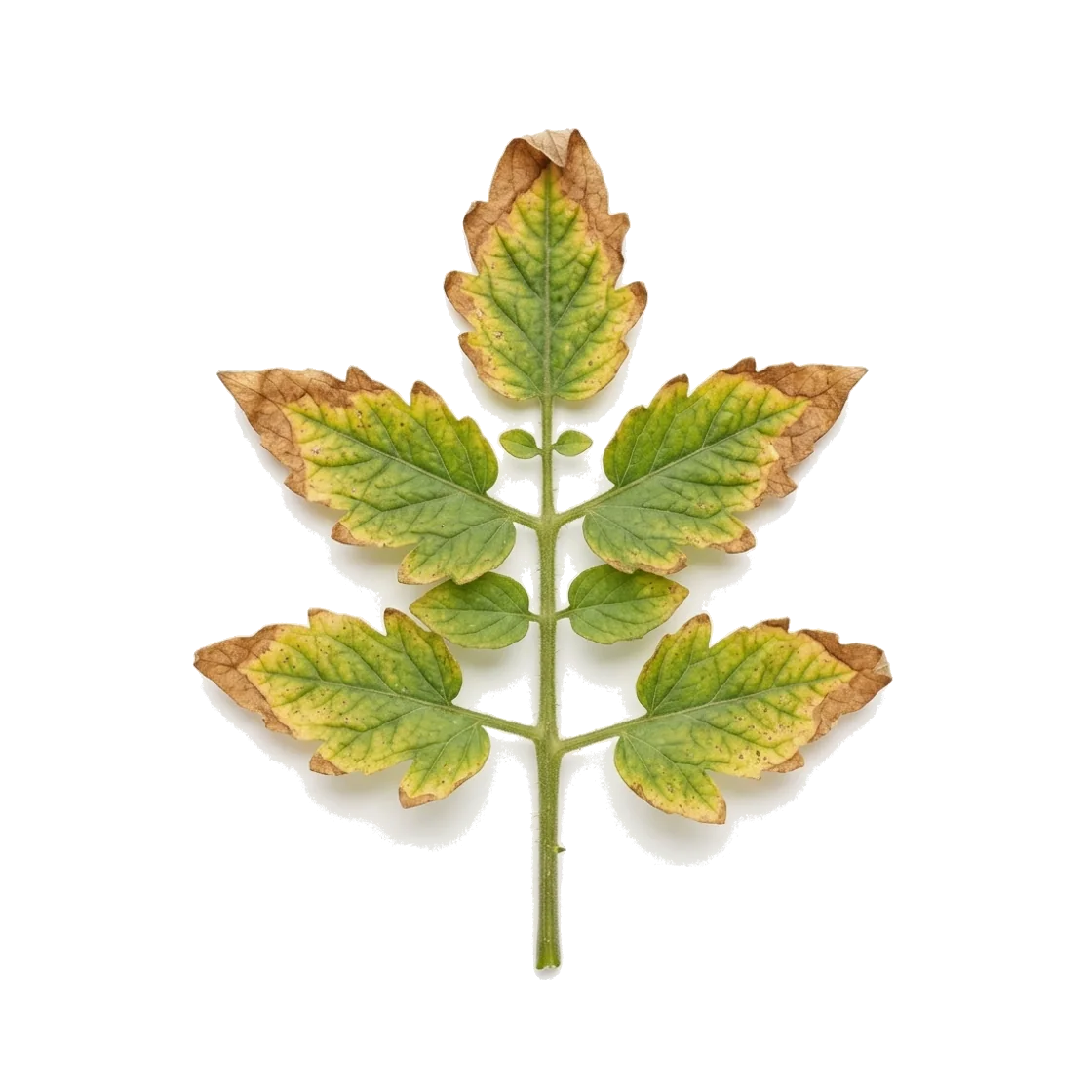
- Potassium deficiency
- Overwatering



Frequently asked questions What people ask most.
Why are the leaf tips of my fan palm turning brown?
Brown tips usually come from drought, salty water, or pots that dry out between waterings. Water deeply so moisture reaches the whole root ball and rinse container soil from time to time. Trim only the dry edges, keeping the green part of each leaflet.
How often should I water a Mexican fan palm?
Water young palms once or twice a week in warm weather, letting the surface dry between waterings. Established garden palms need extra water only in long droughts. In pots, check more often, because the root ball heats up and dries fast.
Can I grow a Mexican fan palm in a pot?
Yes, while young, in the largest pot you can handle with very drained compost. Place it in full sun and feed lightly in spring and summer. Plant it out or move it to a bigger container once roots fill the pot.
How do I prune a fan palm?
Cut only leaves that are fully dry and brown, plus old flower stalks, with clean sharp tools. Leave green and half-green leaves, which still feed the palm. Never cut the top bud, because the palm cannot branch again.
Why is my palm growing slowly?
Slow growth usually means too little sun, a small pot, or cool weather that pauses the palm. Move it to full sun, give roots more room, and feed lightly in the growing season. Growth resumes strongly once warmth returns.