Ladyfinger cactus
Mammillaria elongata
Learn how to care for the ladyfinger cactus (Mammillaria elongata): light needs, watering schedule, soil mix, and tips to encourage spring blooms.
- Light
- 4–6 hof direct sun
- Watering
- 10–14days between waterings
- Temperature
- 18–28 °Cideal temperature
- Toxicity
- Non-toxic
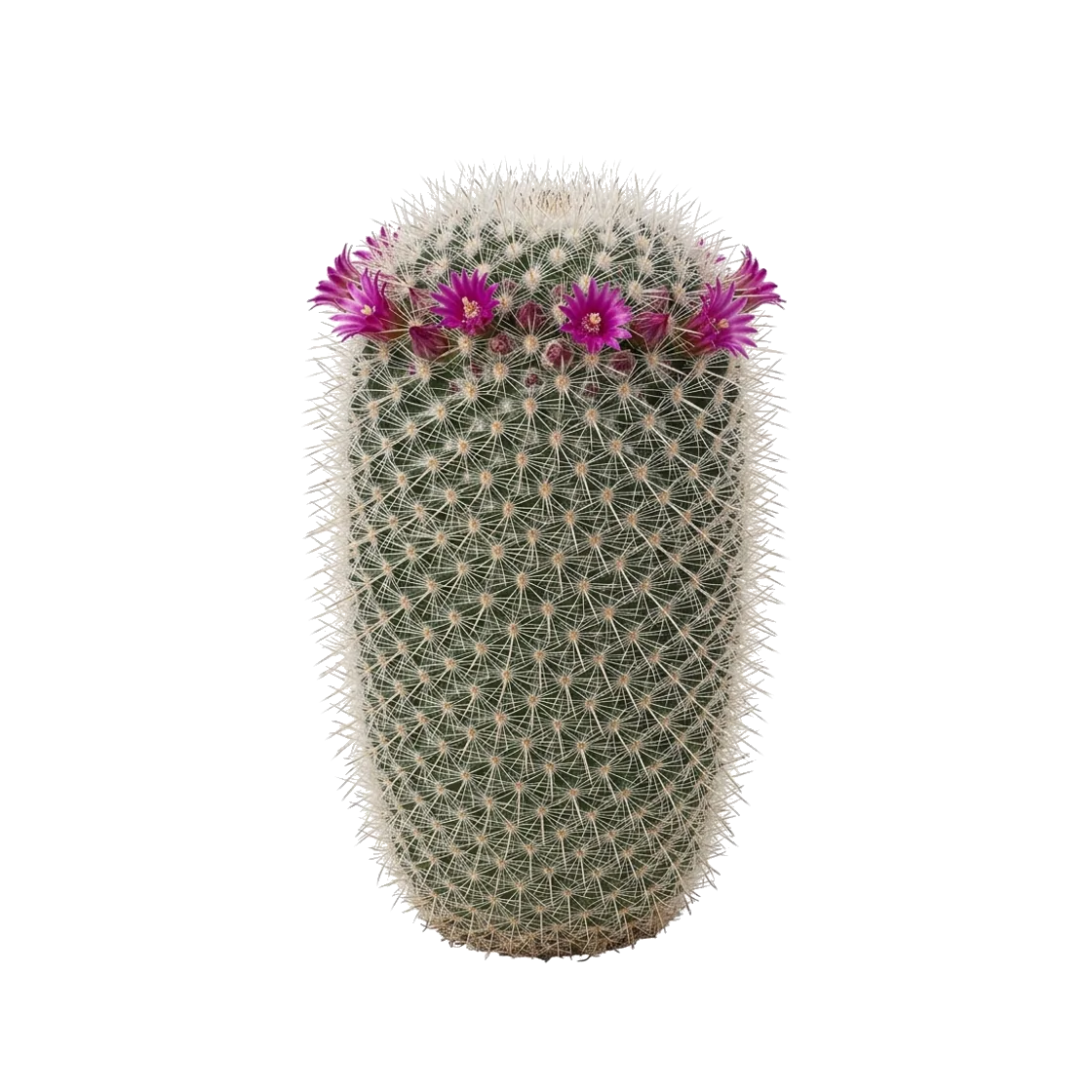
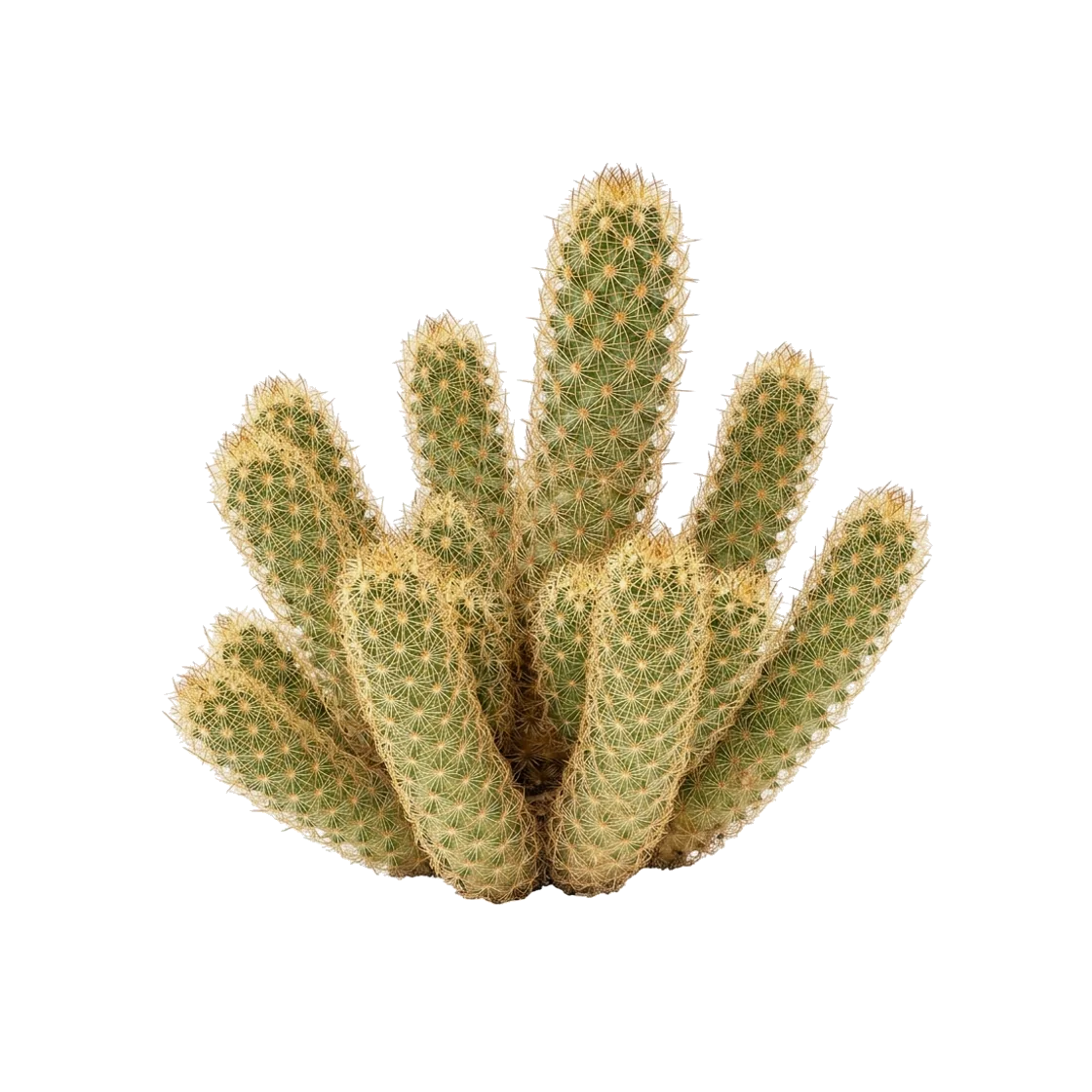
Mammillaria elongata, commonly known as the ladyfinger cactus, is an attractive succulent native to the semi-arid scrublands and rocky outcrops of central Mexico. It is renowned for producing clusters of slender, cylindrical stems that grow upright or gently trail, branching profusely from the base over time to establish dense, cushion-like colonies in containers and rockeries.
The surface of each stem features numerous small tubercles, each crowned with an intricate star-like rosette of radial spines that range in color from pale gold to copper. From late winter into spring, mature plants produce a charming ring of small, funnel-shaped flowers in shades of creamy white or soft yellow, which are frequently succeeded by tiny red fruits.
This resilient cactus makes an outstanding choice for beginners and windowsill growers who appreciate low-maintenance houseplants. It thrives with plenty of bright direct sunshine, sharply draining mineral soil, and a restrained watering schedule that allows the substrate to dry out thoroughly between waterings, rewarding attentive caretakers with steady growth and reliable spring blooms.
Did you know?Its radial spines interlock closely like golden stars, forming a reflective shield that protects the green tissue from fierce desert sun and temperature extremes.
Care. What it needs, point by point.
- Watering
- 10–14 days between wateringsWater only after the potting medium has dried out completely, generally every 10 to 14 days during spring and summer. Suspend watering almost entirely throughout the winter to keep the root system healthy during dormancy.
- Light
- 4–6 h of direct sunProvide at least four to six hours of direct sunlight each day to maintain tight stem clusters and rich spine color. In regions with scorching summer afternoons, light filtered light helps avoid thermal stress.
- Temperature
- 18–28 °C ideal temperatureIt thrives at temperatures between 18 °C and 28 °C during its active growing cycle. While dry plants can withstand brief drops near 0 °C, they stay healthiest when kept above 5 °C.
- Soil
- Use a specialized cactus mix containing at least 50% inorganic drainage components such as perlite, pumice, or coarse grit.
- Fertilizer
- Feed once a month from mid-spring through late summer using a diluted, low-nitrogen cactus fertilizer.
- Pruning
- No pruning is needed aside from carefully removing shriveled or compromised stems using clean tweezers.
- Propagation
- Propagate by detaching basal offsets during warm spring or summer weather. Allow the cutting to callous over for three to four days before setting it into dry, gritty potting mix.
Where it grows. In the wild and in homes.
In the wild it grows in Mexico, in a desert or dry shrubland climate.
People have also taken it to one more region where it now grows on its own: southwestern Europe.
Range: Plants of the World Online, Royal Botanic Gardens, Kew
Is Ladyfinger cactus toxic to cats and dogs?
The ASPCA doesn't list this species. If your pet has chewed it and seems unwell, call your vet.
Common problems What tends to go wrong.
- Overwatering
- Root rot
- Too little light
- Mealybugs and scale
- Cold damage





Frequently asked questions What people ask most.
Why are the stems stretching and turning pale?
Stretching is called etiolation and happens when the cactus does not receive enough direct sunlight. Gradually relocate the pot to a sunnier window or outdoor spot to restore thick, tight growth.
Why are the stems becoming soft or wrinkled?
Soft, discolored stems at soil level indicate rot brought on by excessive moisture or compacted earth. If the stems are wrinkled but the soil has been dry for weeks, the cactus is simply thirsty and will plump up after a drink.
How can I encourage my ladyfinger cactus to bloom?
A cool, dry dormancy period in winter is essential to initiate flower buds. Keep the plant in bright, cool conditions and withhold water until late winter, resuming care as temperatures warm in spring.
When should I repot this cactus?
Repot every two to three years in early spring using a wide, shallow container that accommodates its expanding colony habit. Always choose a pot with drainage holes and use folded cardboard or soft tongs to protect both your hands and the plant.