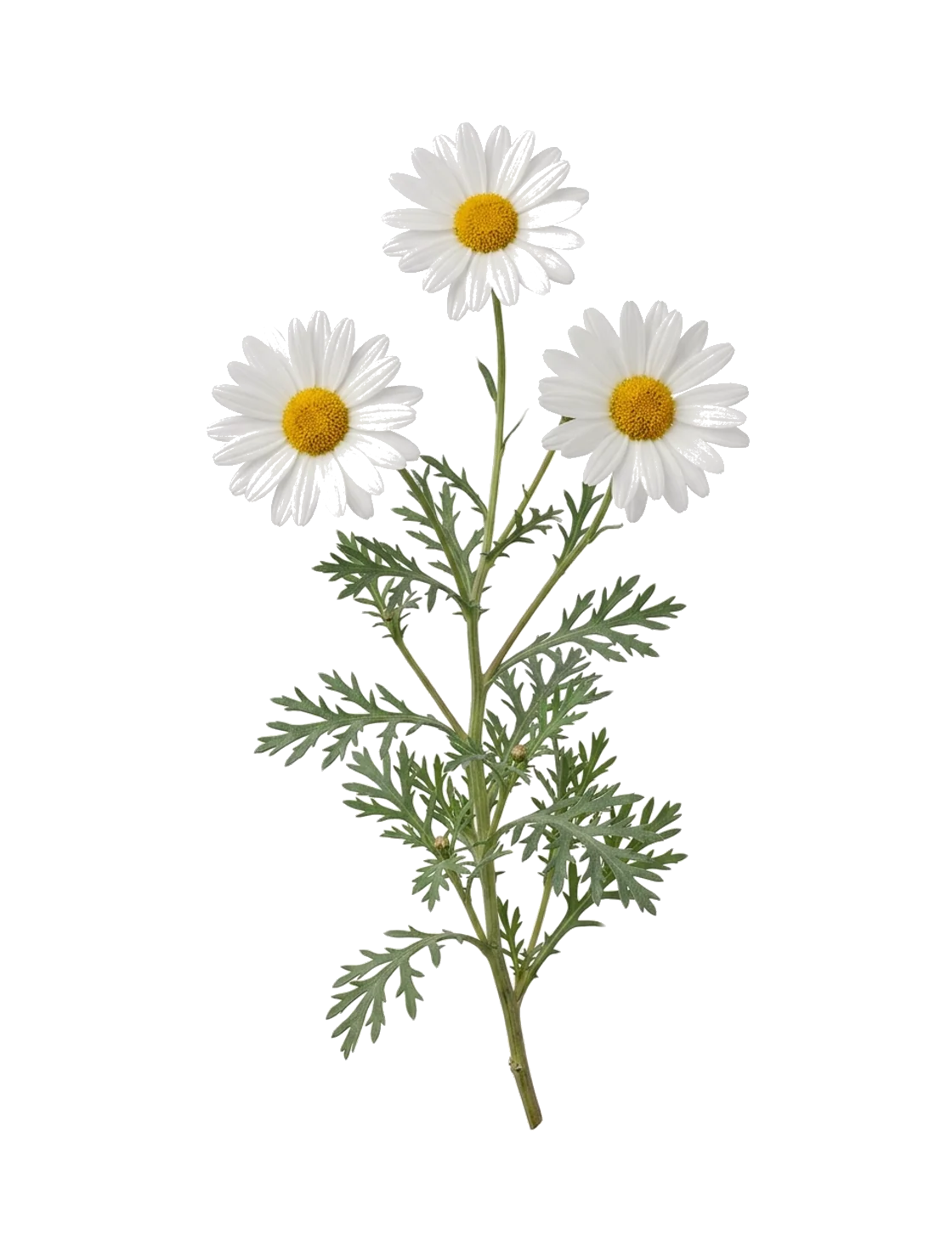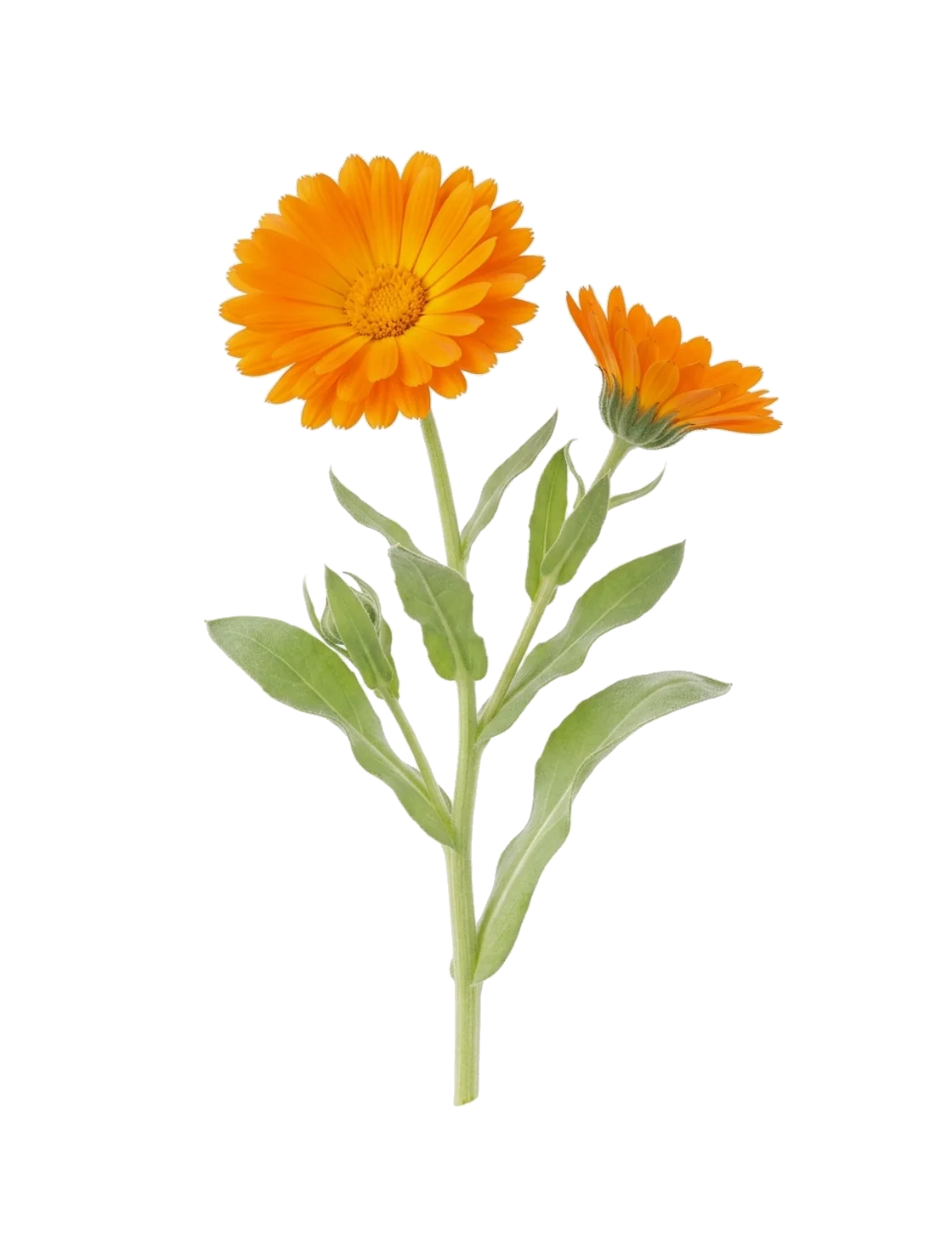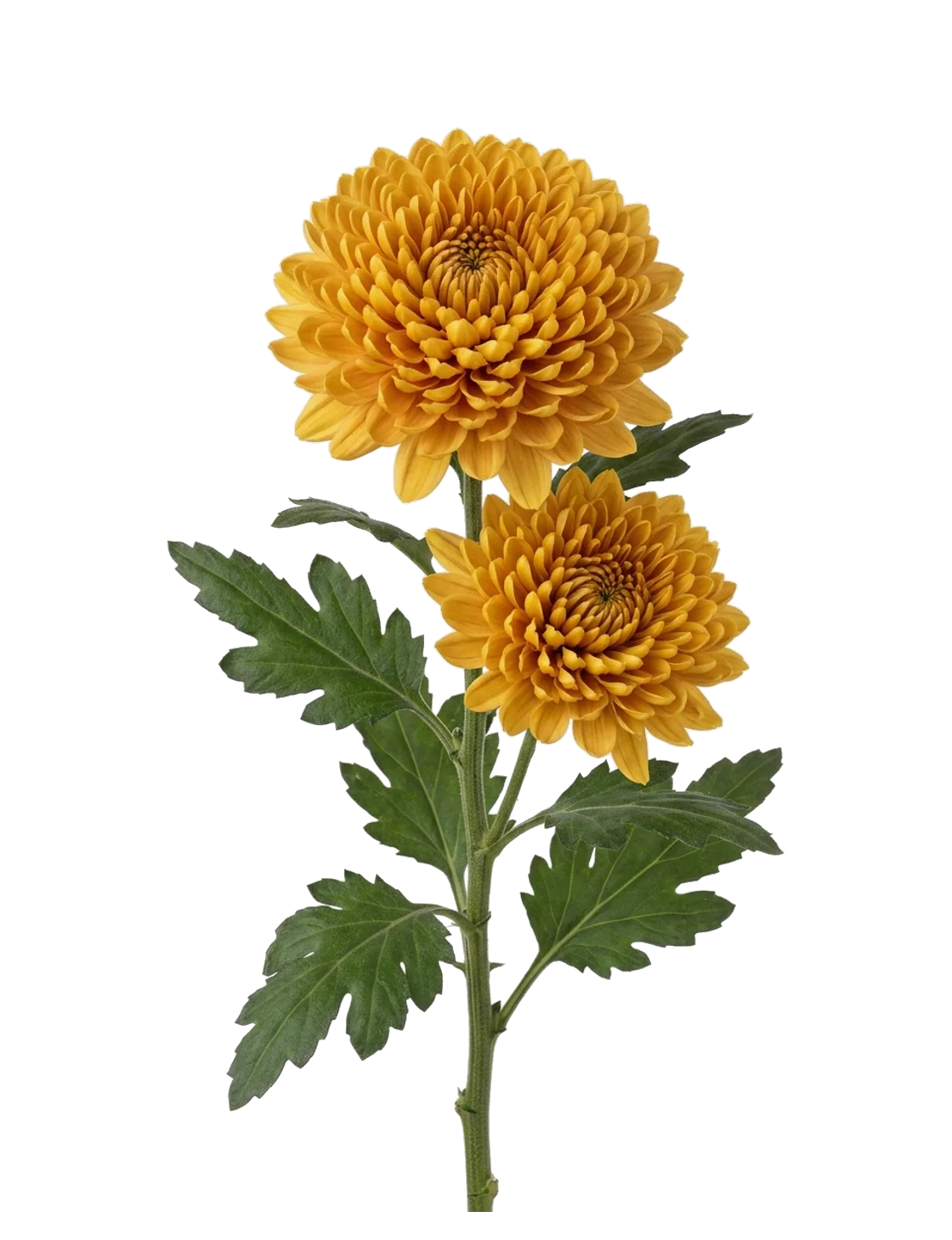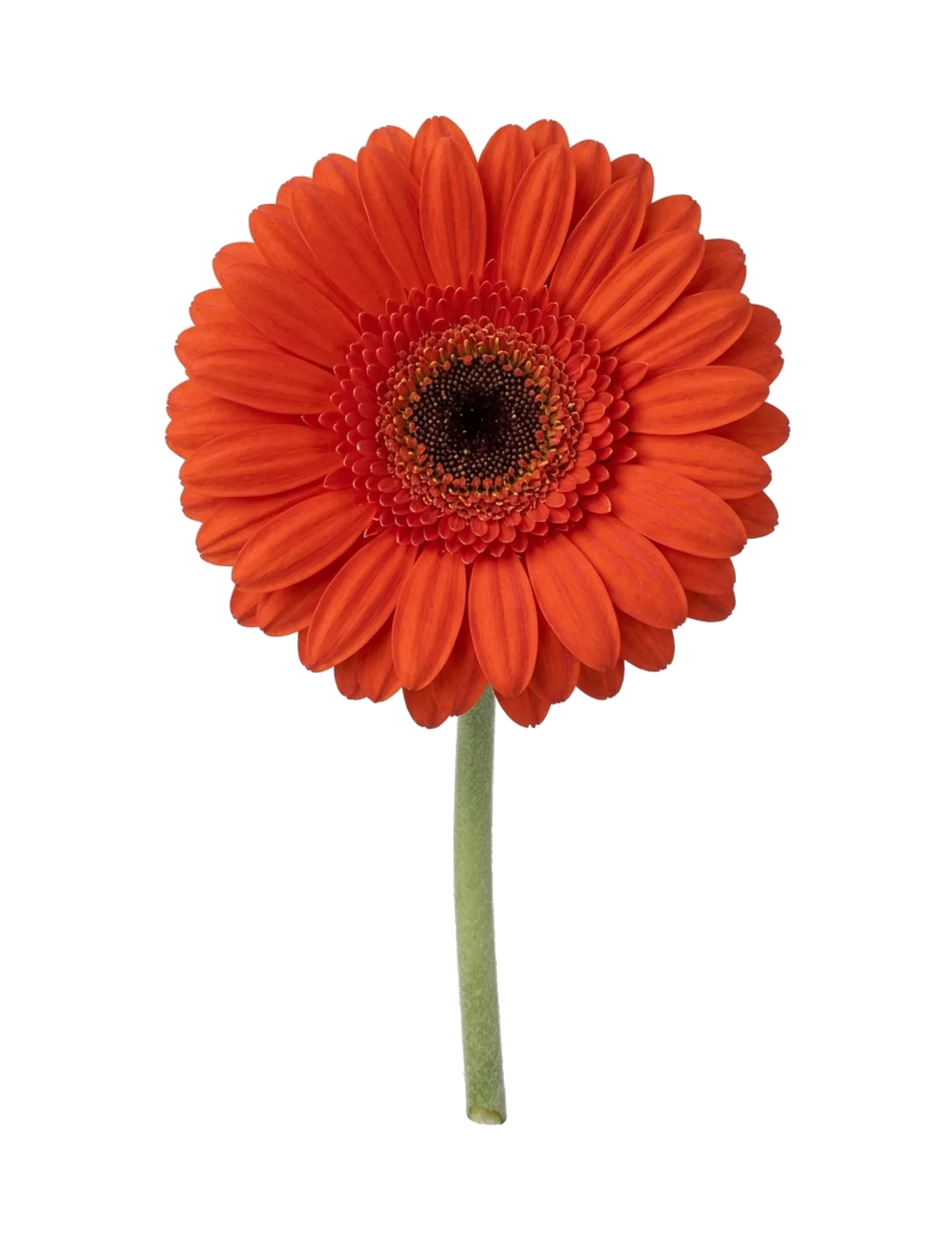
The Gerbera daisy (Gerbera jamesonii), also known as the Barberton or Transvaal daisy, is a striking perennial herb celebrated for its large, brightly colored flower heads. Each daisy-like bloom sits atop a sturdy, leafless stem, showcasing a vivid spectrum that spans shades of yellow, orange, scarlet, deep pink, and clean white.
Native to southern Africa, this plant forms a low, tidy rosette of lobed, coarse-textured foliage with slightly velvety undersides. Although widely sold as a flowering gift plant for bright indoor spaces, it thrives as an outdoor perennial in mild, frost-free regions when settled into patio pots or well-aerated garden beds.
Growing gerberas successfully relies heavily on avoiding moisture buildup around the sensitive crown, as excessive water quickly causes fungal issues and rot. With ample gentle sunlight, moderate warmth, and steady air circulation, your plant will reward you with recurring blooms from mid-spring well into autumn.
Did you know?It was named in honor of German botanist Traugott Gerber and later introduced to cultivation after being collected by Robert Jameson in Barberton, South Africa. It ranks among the top commercial cut flowers globally.
Care. What it needs, point by point.
- Watering
- 1–2× a weekWater thoroughly when the top two inches of potting mix feel dry, being careful never to pour water directly onto the central crown. In warm spring and summer days, watering once or twice a week is usually sufficient, scaling back during winter dormancy.
- Light
- IndirectProvide plenty of bright, indirect sunlight, with direct exposure restricted to early morning or late afternoon hours. Protect the plant from intense midday heat, which scorches the leaves and causes blooms to fade prematurely.
- Temperature
- 16–24 °C ideal temperatureThe optimal temperature range for growth is between 16 °C and 24 °C (60 °F to 75 °F). It cannot tolerate frost or prolonged temperatures below 5 °C (41 °F), requiring shelter indoors before winter arrives.
- Soil
- Plant in a loose, fast-draining potting medium containing peat, perlite, and coarse sand to prevent standing moisture. Ensure the container has ample drainage holes so excess water drains freely away from root systems.
- Fertilizer
- 2–3 weeks between feedsFeed with a balanced, potassium-rich liquid fertilizer every two to three weeks during active spring and summer blooming. Withhold feeding entirely during the cooler autumn and winter months.
- Pruning
- Deadhead spent blooms by snipping the flower stalks down near the crown to encourage continuous bud production. Snip off any yellowing or damaged outer leaves at the base to improve airflow around the crown.
- Propagation
- Propagate by crown division in early spring, separating established root clumps that have healthy growing points attached. You can also grow them from fresh seed sown indoors with gentle bottom warmth in late winter.
Where it grows. In the wild and in homes.
In the wild it grows in southern Africa, in a subtropical climate.
People have also taken it to 22 more regions where it now grows on its own: South and Central America and the Caribbean, Africa, tropical Asia, and the Pacific.
Range: Plants of the World Online, Royal Botanic Gardens, Kew
Is Gerbera daisy toxic to cats and dogs?
Non-toxic to cats and dogs.

Cats
Non-toxic

Dogs
Non-toxic
Source · ASPCA Animal Poison Control
Common problems What tends to go wrong.
- Powdery mildew
- Root rot
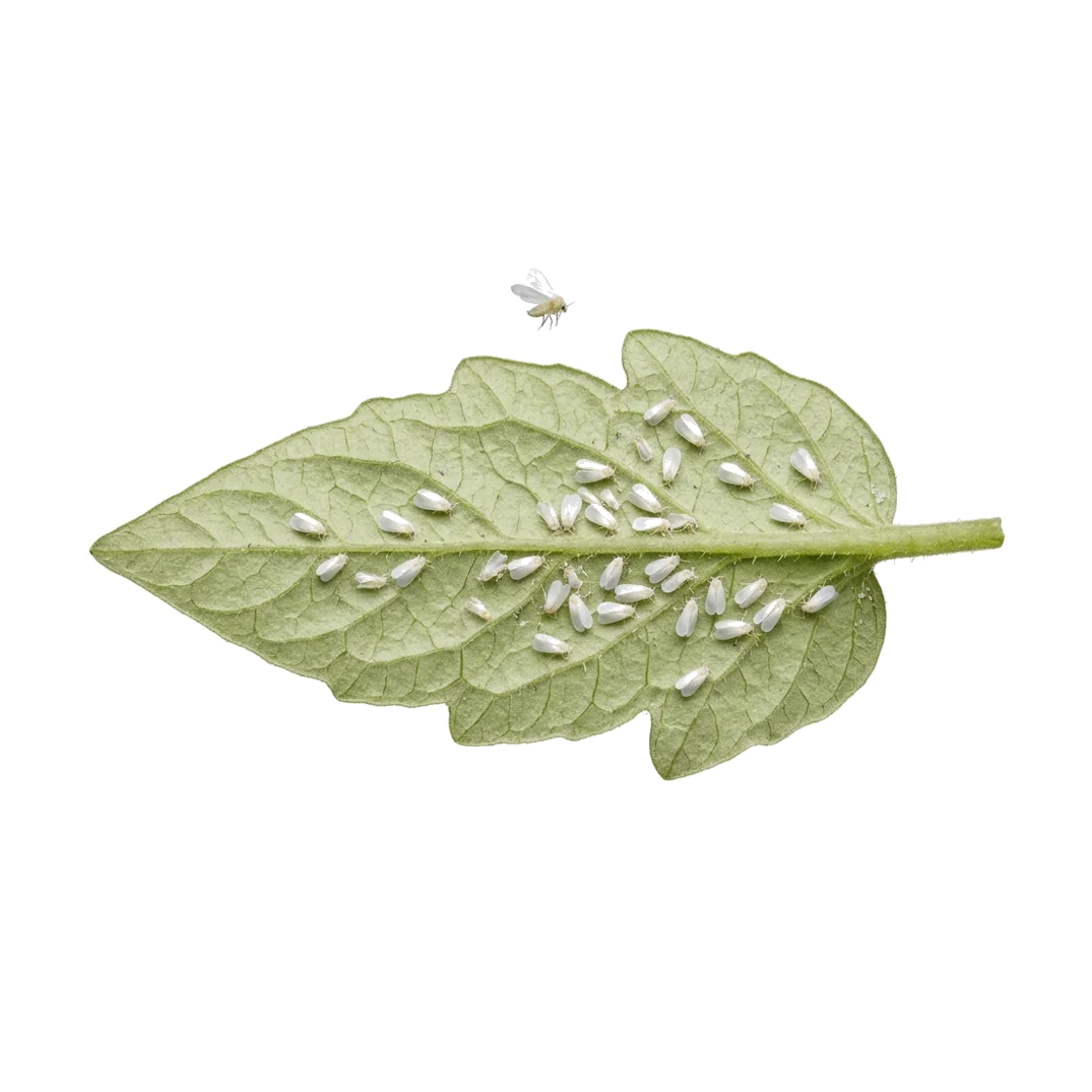
- Whitefly
- Spider mites
- Overwatering




Frequently asked questions What people ask most.
Why is my Gerbera daisy not blooming?
A lack of blooms is almost always caused by insufficient sunlight or low nutrient levels in the soil during the active growth period. Move your plant to a spot with bright morning light and feed it with a blooming fertilizer every few weeks.
Why is the crown of my Gerbera rotting?
Crown rot occurs when water accumulates directly inside the leafy central base or when the potting soil remains waterlogged. Always water around the soil perimeter or from below via a saucer, discarding drained water after twenty minutes.
Can Gerbera daisies survive the winter?
They can survive outdoors only in mild climates where temperatures remain above freezing throughout the winter. In colder regions, bring potted gerberas indoors before the first frost, reduce watering, and let them rest in a cool, bright spot.
Why are white powdery patches appearing on the leaves?
This white residue is powdery mildew, a fungal problem brought on by poor air circulation combined with humid, crowded conditions. Increase ventilation around the plant, keep foliage completely dry during watering, and treat with a mild organic fungicide if symptoms spread.