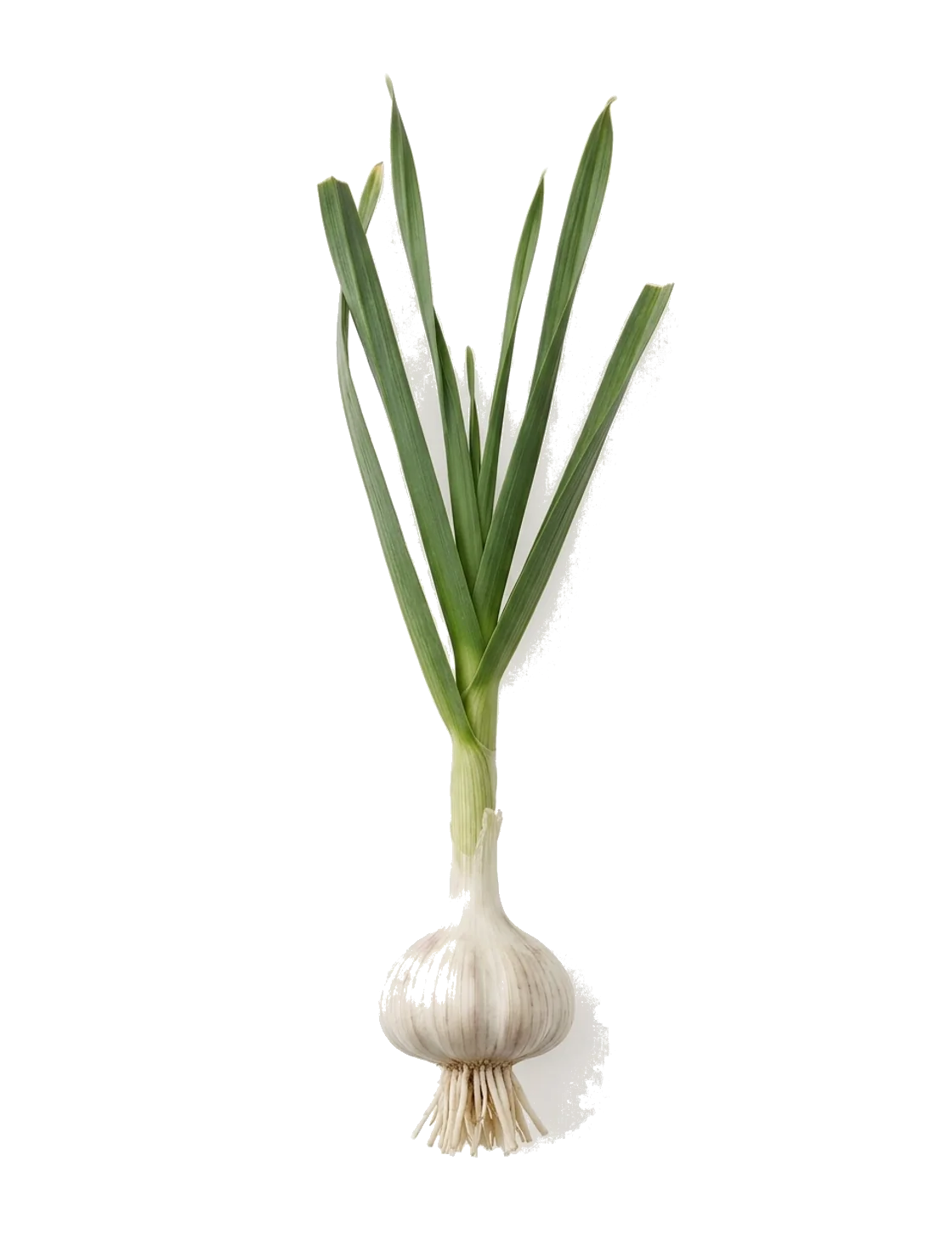
Garlic (Allium sativum) is a bulbous vegetable of the family Amaryllidaceae, grown for the heads used daily in kitchens around the world. Native to Central Asia, it forms narrow flat green leaves and a bulb divided into cloves wrapped in papery skins. Softneck types suit mild winters and store for months, while hardneck types prefer cold winters and give stronger flavour.
It is an outdoor crop for vegetable plots, raised beds and deep pots on sunny balconies. Cloves are planted in autumn or late winter and roots grow through the cold months before leaves stretch in spring. The crop asks for sun, loose soil and even moisture while growing, then warmth and dryness for harvest. When the lower leaves yellow in early summer, heads are lifted and dried in airy shade.
Garlic fits rotation plans after potatoes or beans and beside carrots, lettuce and flowers that bring pollinators to the plot. It takes little space, needs no staking, and cured heads keep for months in a cool dry place. Given winter cold, sun and drained soil, even beginners harvest full heads in the first year.
Did you know?Each planted clove multiplies into a whole head by summer, with the number of cloves depending on the variety.
Care. What it needs, point by point.
- Watering
- Water steadily while leaves grow in spring, letting the surface dry slightly between waterings. Stop watering once lower leaves yellow so bulbs cure cleanly in the ground.
- Light
- 6 h of direct sunGrow in full sun with at least six hours of direct light for solid bulbs. Shade leads to weak leafy plants that store poorly.
- Temperature
- 10–22 °C ideal temperatureIt grows best between 10 °C and 22 °C and needs winter cold to form heads well. Plants withstand frosts down to about -15 °C under mulch.
- Soil
- Use loose, fertile, well-drained soil with a neutral reaction. Heavy ground benefits from ridges or raised beds that keep winter water away from the bulbs.
- Fertilizer
- Fork compost into the bed before planting and add little else in good soil. Too much nitrogen gives lush leaves and small splitting heads.
- Pruning
- Garlic needs no pruning; simply clear yellow leaves and weeds that compete for water. Remove any flower stalks on hardneck types to favour the bulb.
- Propagation
- Plant individual cloves upright in autumn or late winter, 5 centimetres deep and 12 centimetres apart. Each clove forms a whole new head by midsummer.
Where it grows. In the wild and in homes.
In the wild it grows in Central Asia and western Asia, in a temperate climate.
People have also taken it to 69 more regions where it now grows on its own: Europe, temperate Asia, North America, and Africa.
Range: Plants of the World Online, Royal Botanic Gardens, Kew
Is Garlic toxic to cats and dogs?
Toxic to cats and dogs.

Cats
Toxic

Dogs
Toxic
Usual signs
Vomiting, breakdown of red blood cells (hemolytic anemia, Heinz body anemia), blood in urine, weakness, rapid heart rate and panting.
If your pet has chewed it and shows symptoms, call your vet or the nearest emergency vet.
Source · ASPCA Animal Poison Control
Common problems What tends to go wrong.
- Rust
- Downy mildew
- Root-knot nematodes
- Overwatering
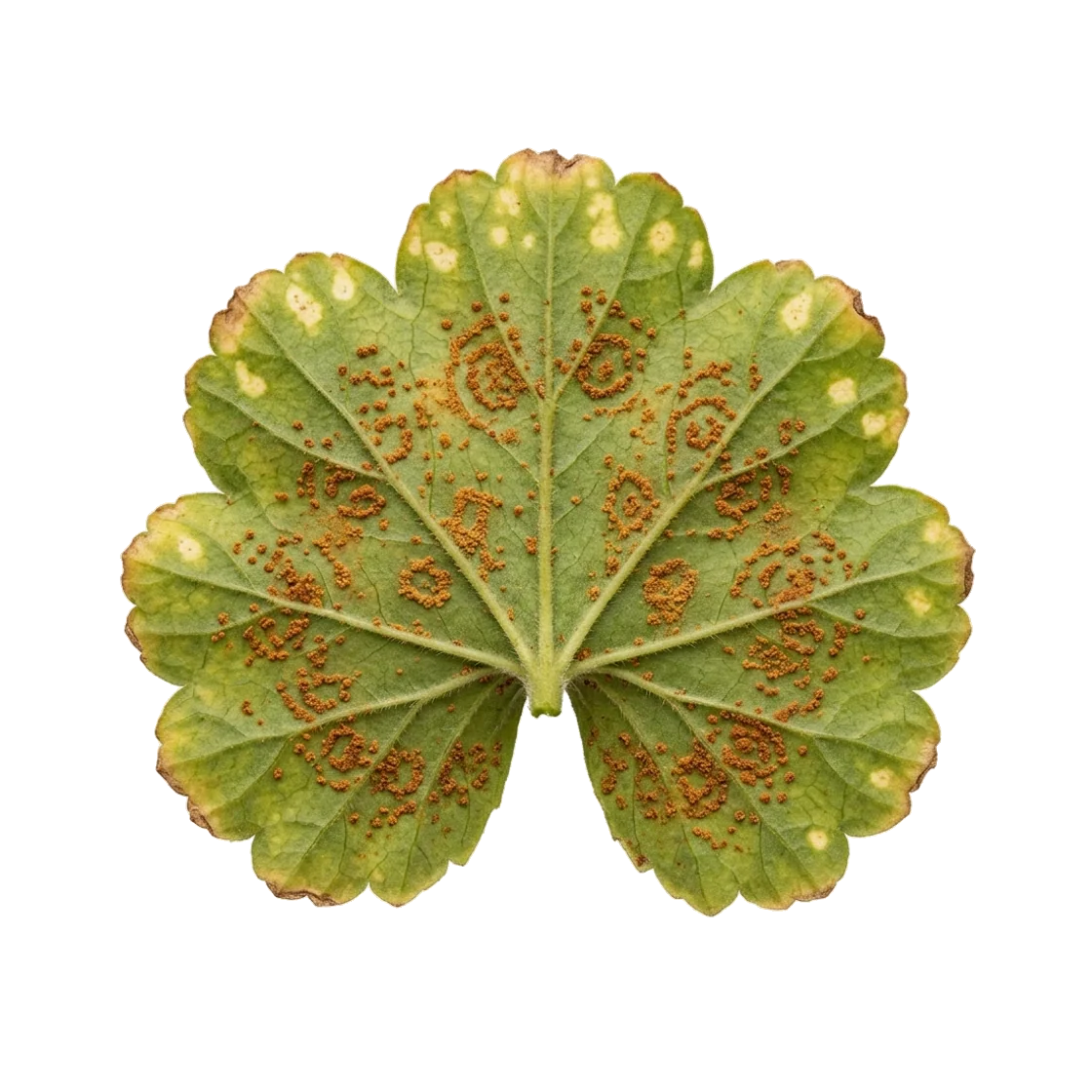
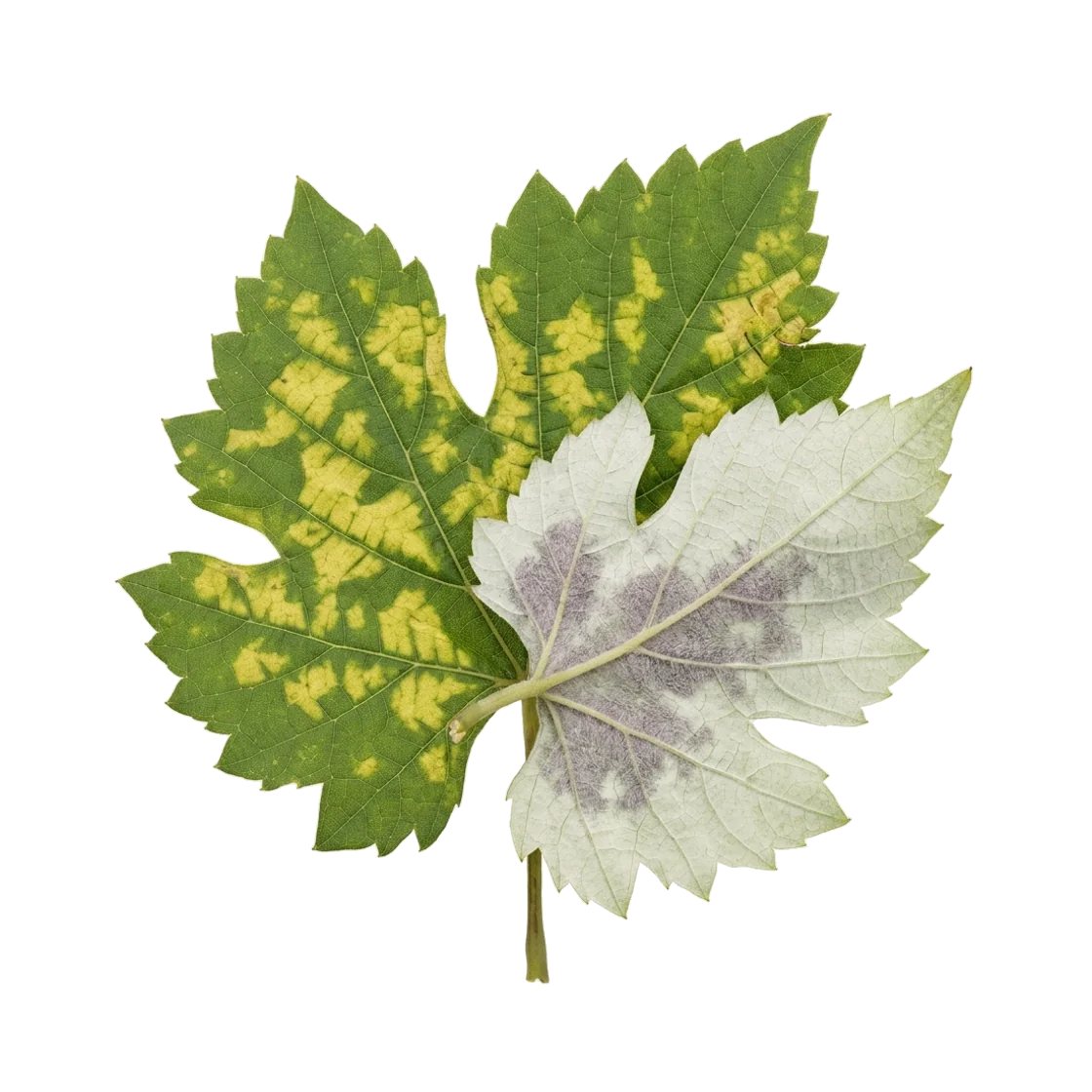
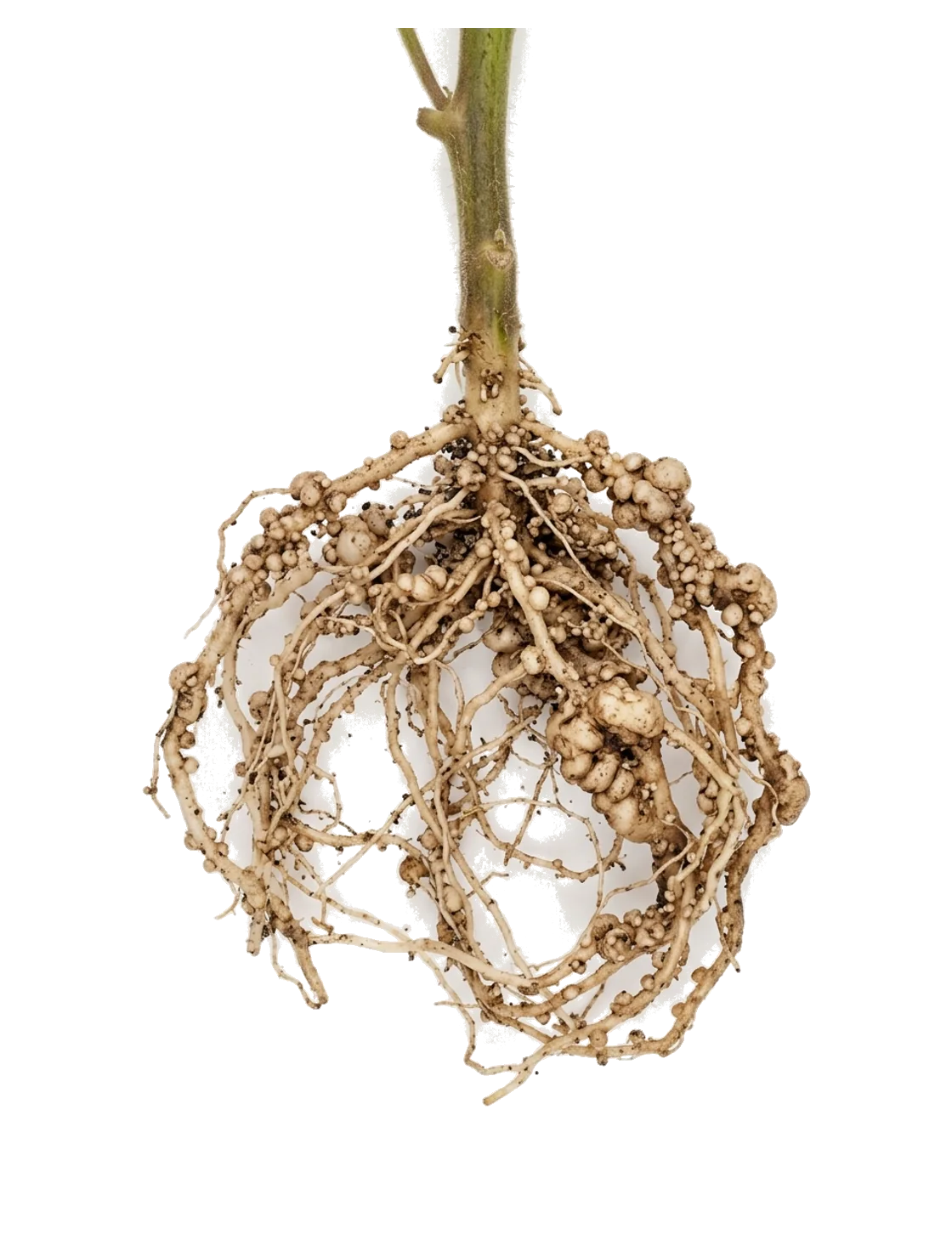

Frequently asked questions What people ask most.
How often should I water garlic?
Water regularly in spring while leaves grow and heads begin to form, letting the surface dry between waterings. Once the lower leaves yellow, stop watering so bulbs dry in the ground. Late watering stains the skins and shortens storage.
Why are my garlic leaves turning yellow?
Lower leaves yellow naturally in early summer when heads mature for harvest. Earlier yellowing may come from waterlogging, drought or rust after wet weather. Check drainage, water evenly, and lift a plant to inspect the bulb.
When do I harvest garlic?
Harvest when the lower two or three leaves have dried but several green leaves remain, usually in early summer. Lift on a dry day and cure heads for two to three weeks in airy shade. Store only clean dry heads in a cool dark place.
Why did my garlic form small bulbs?
Small heads usually mean late planting, shade, crowded cloves, or lack of winter cold. Plant large outer cloves in autumn, 12 centimetres apart, in full sun. Good drainage and steady spring moisture also help heads swell.
Can I grow garlic in pots?
Yes, use deep pots with drained compost and plant cloves 5 centimetres deep in autumn. Place the pot in full sun and water steadily in spring until leaves yellow. Pots suit softneck varieties in areas with mild winters.