Common zinnia
Zinnia elegans
Complete common zinnia guide: watering, sunlight, soil and deadheading for months of bright blooms in sunny gardens and pots, with easy step-by-step tips.
- Light
- 6 hof direct sun
- Temperature
- 18–28 °Cideal temperature
- Pets
- Non-toxic
- Difficulty
- Easy
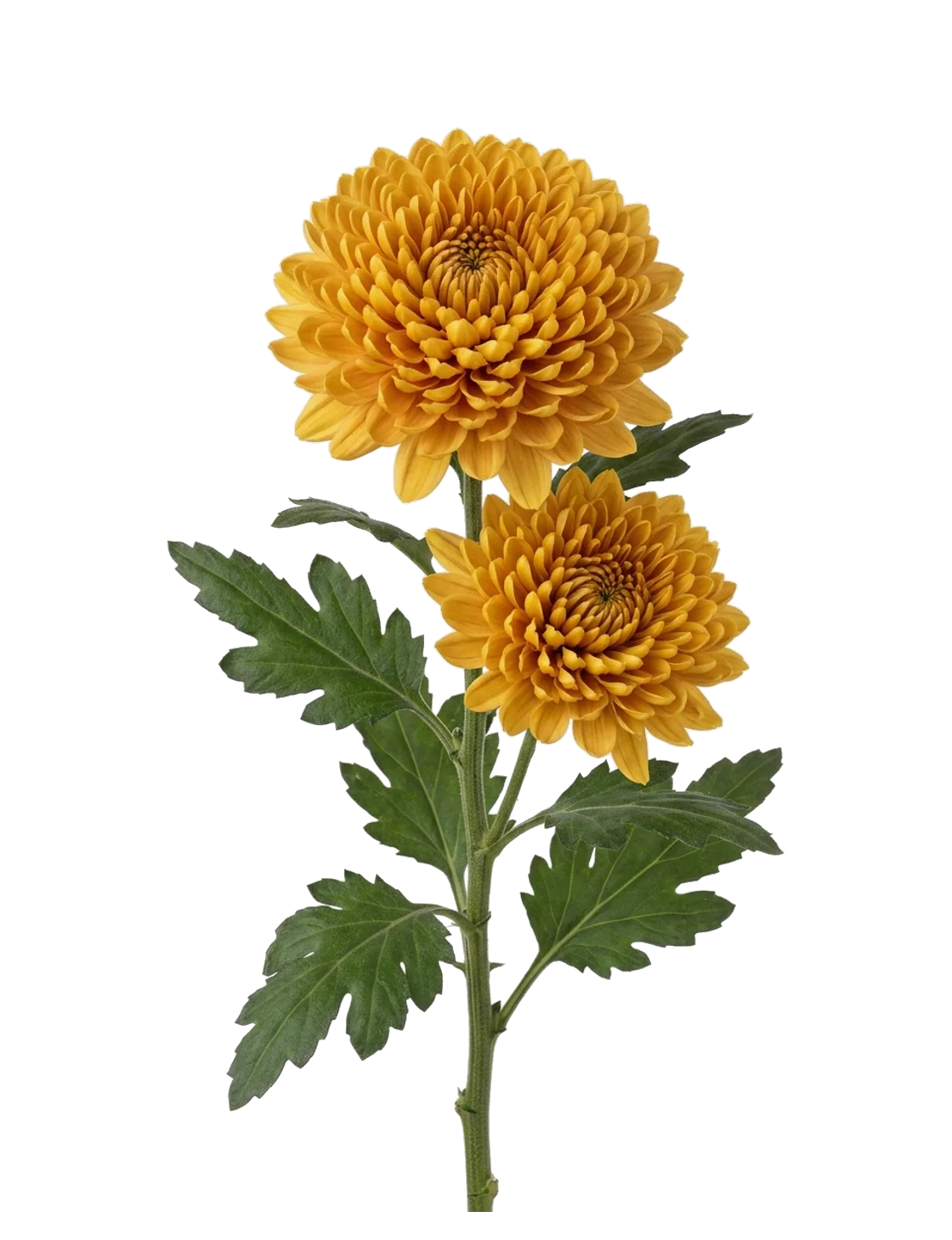
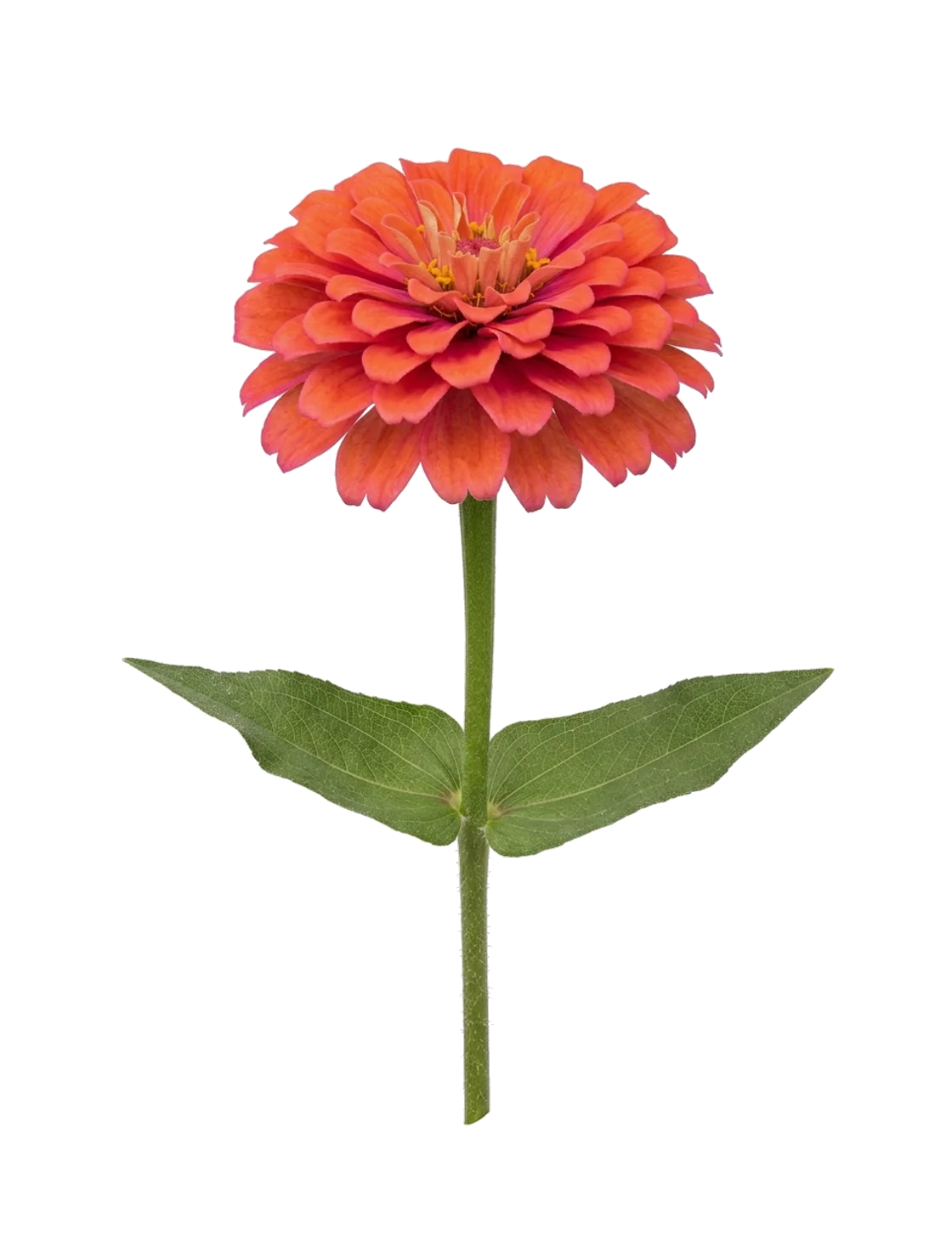
The common zinnia (Zinnia elegans) is an annual plant from the daisy family, Asteraceae, grown for its long and generous flowering season from early summer to the first autumn frosts. Native to Mexico, it forms upright clumps 30 to 90 centimetres tall depending on the variety, with sturdy, slightly rough stems and deep green opposite leaves. Its single or double flower heads come in a wide range of colours, including white, yellow, orange, pink, red and violet.
It is an outdoor plant that asks for full sun to bloom heavily and keep a compact shape. With six or more hours of direct sun it produces more flowers in stronger colours, while in shade it stretches and blooms poorly. Plant it out in spring once frost risk has passed, in beds, borders and cutting gardens as well as in deep pots for the terrace. Removing faded flowers regularly extends the display by many weeks.
Zinnias are easy to raise from seed, sown directly in the ground or in trays, and they sprout within days in gentle warmth. They prefer loose, well-drained soil, steady watering without waterlogging, and light feeding while flowering. They are an excellent choice for drawing butterflies and other pollinators into the vegetable plot and the flower garden.
Did you know?Each flower head is a cluster of many tiny florets, and butterflies visit them constantly through summer.
Care. What it needs, point by point.
- Watering
- Water regularly during warm weather, letting the top few centimetres of soil dry between waterings. Water at the base in the morning so the foliage stays dry through the day.
- Light
- 6 h of direct sunGrow in full sun with at least six hours of direct light per day. In shade the stems stretch, flowering drops off, and mildew problems increase.
- Temperature
- 18–28 °C ideal temperatureIt grows best between 18 °C and 28 °C and does not tolerate frost. Growth stalls below about 12 °C, so sow only once nights stay mild.
- Soil
- Use loose, fertile soil with good drainage and a near-neutral pH. In pots, choose deep containers with drainage holes and a quality universal mix.
- Fertilizer
- 2–3 weeks between feedsFeed every two to three weeks during flowering with a balanced liquid fertilizer for flowering plants. Too much nitrogen produces leaves at the expense of blooms.
- Pruning
- Deadhead faded flowers regularly to extend blooming into autumn. Pinch young plants once above the second or third pair of leaves for bushier growth.
- Propagation
- Sow seeds in spring after the last frost, either outdoors or in trays kept near 20 °C. Seedlings germinate within a few days and are transplanted out once they have two pairs of true leaves.
Where it grows. In the wild and in homes.
In the wild it grows in Mexico and Central America, in a seasonally dry tropical climate.
People have also taken it to 82 more regions where it now grows on its own: Europe, tropical Asia, Africa, and North America.
Range: Plants of the World Online, Royal Botanic Gardens, Kew
Is Common zinnia toxic to cats and dogs?
Non-toxic to cats and dogs.

Cats
Non-toxic

Dogs
Non-toxic
Source · ASPCA Animal Poison Control
Common problems What tends to go wrong.
- Powdery mildew
- Fungal or bacterial leaf spots
- Aphids
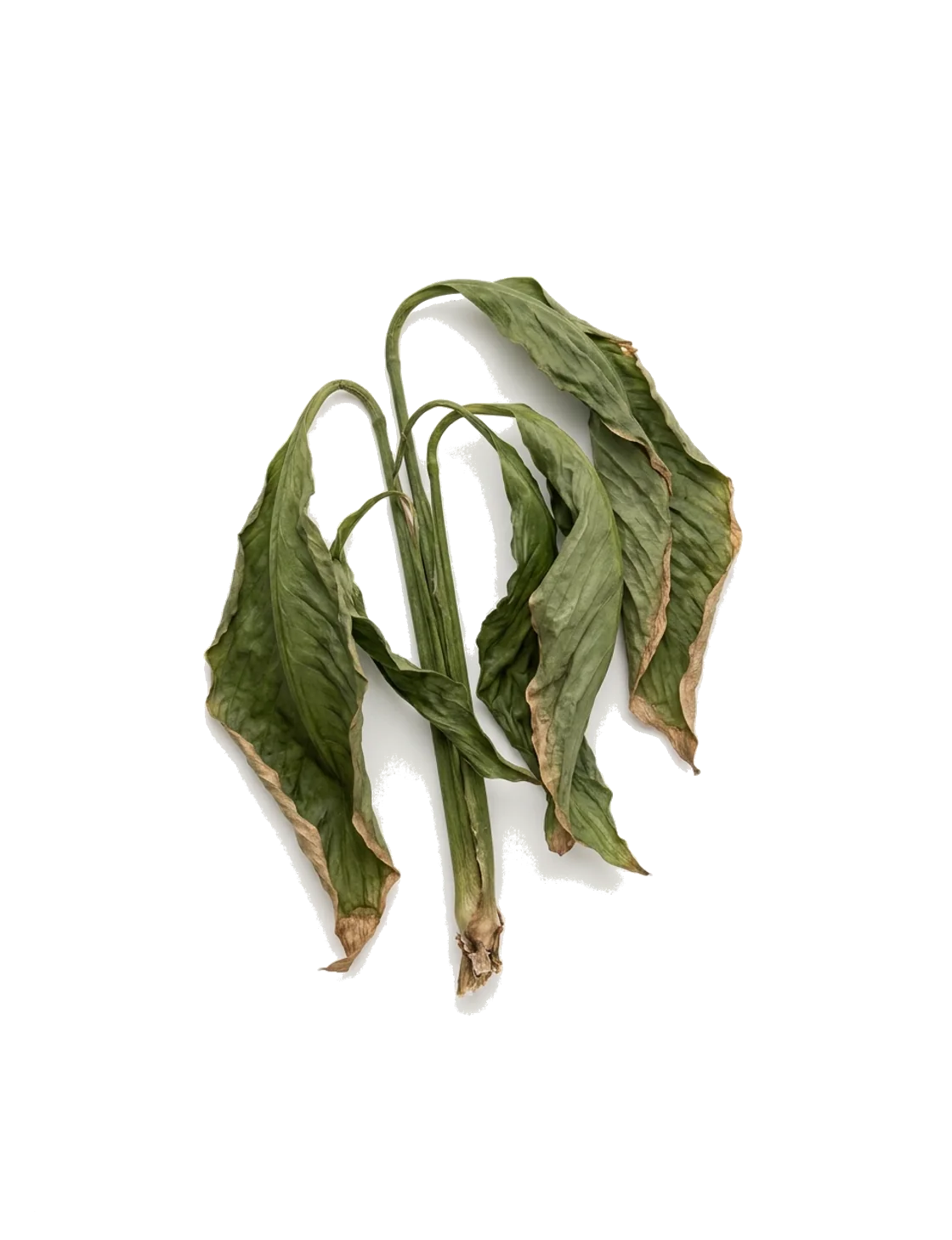
- Underwatering



Frequently asked questions What people ask most.
Why do my zinnia leaves have a white powdery coating?
That white coating is usually powdery mildew, common in crowded plantings with wet foliage. Space plants for good airflow, water at the base, and remove the worst affected leaves. New growth in full sun is often healthy again.
How often should I water zinnias?
In warm weather, water deeply two or three times a week, letting the top layer of soil dry between waterings. Container plants may need daily watering during heatwaves. Always water the soil, not the leaves, to limit leaf diseases.
How do I keep zinnias blooming for months?
Cut or deadhead faded flowers at least once a week so the plant keeps producing buds. Picking stems for vases has the same effect and encourages branching. A light liquid feed every two to three weeks supports continuous bloom.
Can I grow zinnias in pots?
Yes, compact varieties do well in pots at least 25 centimetres deep with drainage holes. Use a quality universal compost and place the pot in full sun. Water more often than plants in the ground, especially on hot, windy days.
When and how do I sow zinnias?
Sow after the last frost, when nights stay above about 12 °C, either outdoors or indoors near 20 °C. Cover seeds lightly, keep the soil just moist, and seedlings appear within days. Harden off indoor seedlings before planting them outside.