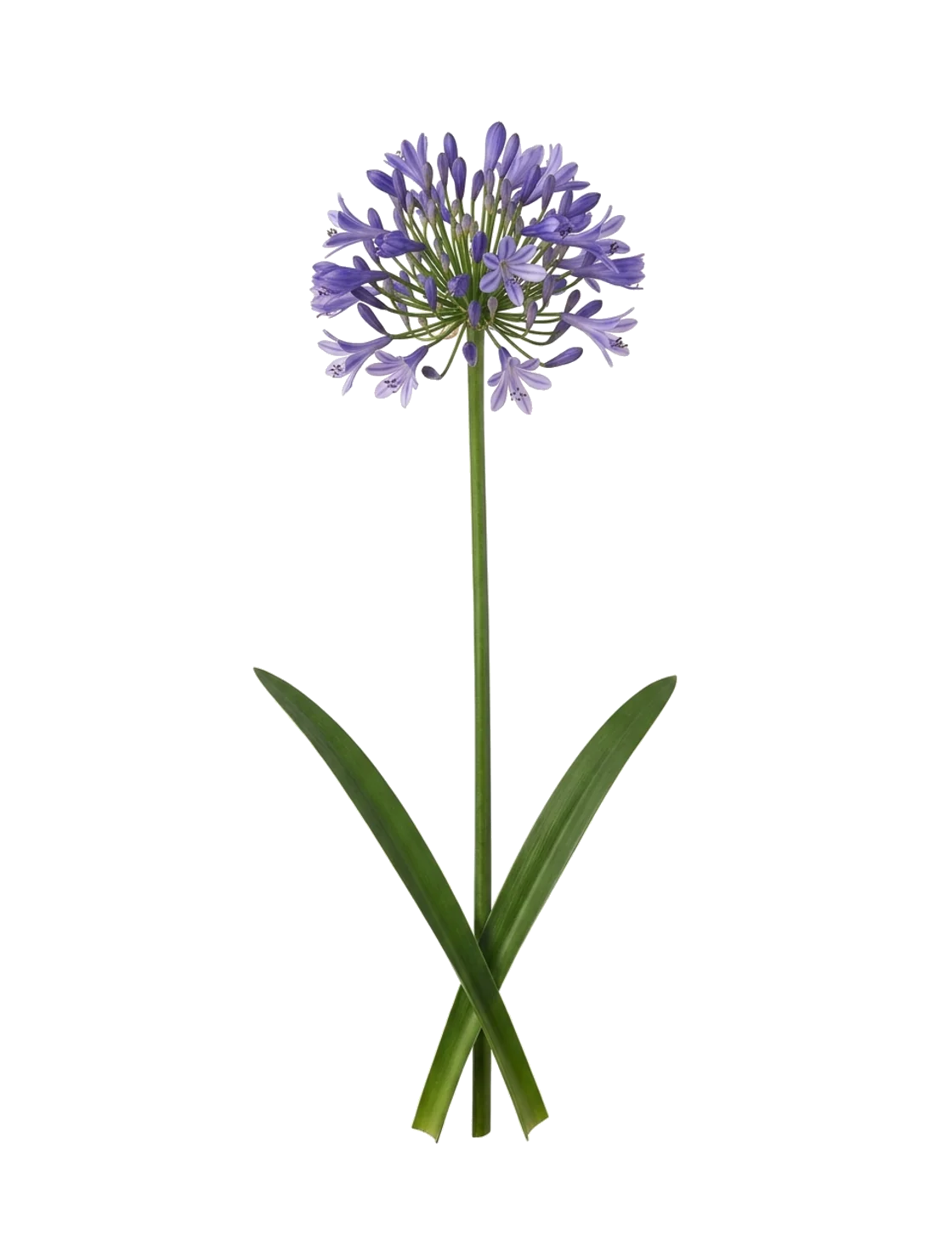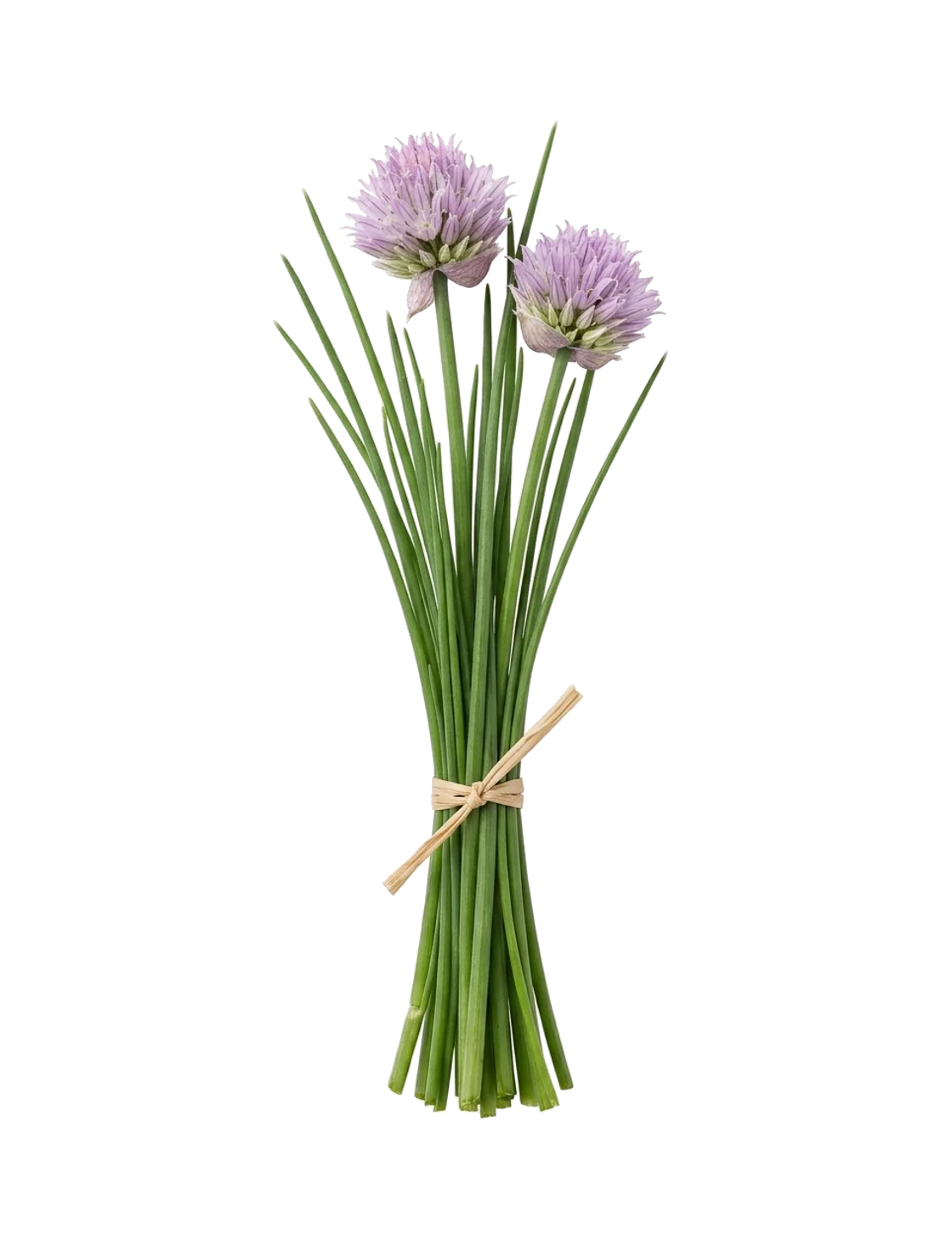
Chives (Allium schoenoprasum) are a hardy perennial herb belonging to the Amaryllidaceae family, closely related to onions, garlic, and leeks. They form dense, attractive clumps of slender, hollow, cylindrical leaves that offer a delicate onion-like flavor. In late spring and early summer, mature clumps produce decorative spherical pom-poms of lavender-pink flowers.
This versatile culinary herb thrives equally well in open garden beds, raised planters, and kitchen containers placed on bright windowsills. Chives prefer fertile, moisture-retentive yet well-draining soil and perform best under plenty of direct sunlight. They are extremely cold-hardy, dying back naturally in freezing winters before emerging vigorously once temperatures warm in spring.
Cultivating chives is straightforward and rewarding for gardeners of all experience levels. Regular harvesting encourages dense, tender growth throughout the entire growing season while preventing the plant from becoming crowded. With consistent moisture and good air circulation, a single clump will remain productive and healthy for many seasons with minimal fuss.
Did you know?The lavender blossoms of chives are entirely edible and make a colorful, mildly onion-flavored addition to salads.
Care. What it needs, point by point.
- Watering
- 2–3× a weekWater two to three times a week during warm weather, allowing the top inch of soil to dry out between applications. Reduce frequency in cooler months, taking care never to let the container sit in stagnant water.
- Light
- 4–6 h of direct sunChives grow best in full sun to light partial shade, needing at least four to six hours of sunlight daily. Indoors, place them on your brightest, south-facing windowsill to keep the stems strong and upright.
- Temperature
- 15–22 °C ideal temperatureThey thrive best in temperatures between 15 °C and 22 °C, showing remarkable resilience across different climates. Established plants easily survive freezing winter temperatures below 0 °C, going dormant until spring.
- Soil
- Use a rich, loamy potting mix that drains freely while retaining moderate moisture. Amending regular potting soil with organic compost and perlite provides an ideal environment.
- Fertilizer
- Apply a light dressing of organic compost or a balanced liquid fertilizer in early spring. Avoid excessive nitrogen, which can lead to weak, floppy growth and diluted flavor.
- Pruning
- Harvest or trim stems down to about one inch above soil level to stimulate fresh, robust growth. Deadhead spent flower heads to encourage continuous leaf production if growing primarily for culinary use.
- Propagation
- Propagate by dividing established clumps every three to four years in early spring or autumn. You can also start chives from seed in spring, keeping the soil consistently moist until seedlings emerge.
Where it grows. In the wild and in homes.
In the wild it grows in North America, Europe, temperate Asia, and tropical Asia, in a temperate climate.
People have also taken it to 15 more regions where it now grows on its own: South and Central America and the Caribbean, Africa, North America, and Europe.
Range: Plants of the World Online, Royal Botanic Gardens, Kew
Is Chives toxic to cats and dogs?
Toxic to cats and dogs.

Cats
Toxic

Dogs
Toxic
Usual signs
Vomiting, breakdown of red blood cells (hemolytic anemia, Heinz body anemia), blood in urine, weakness, high heart rate, and panting.
If your pet has chewed it and shows symptoms, call your vet or the nearest emergency vet.
Source · ASPCA Animal Poison Control
Common problems What tends to go wrong.
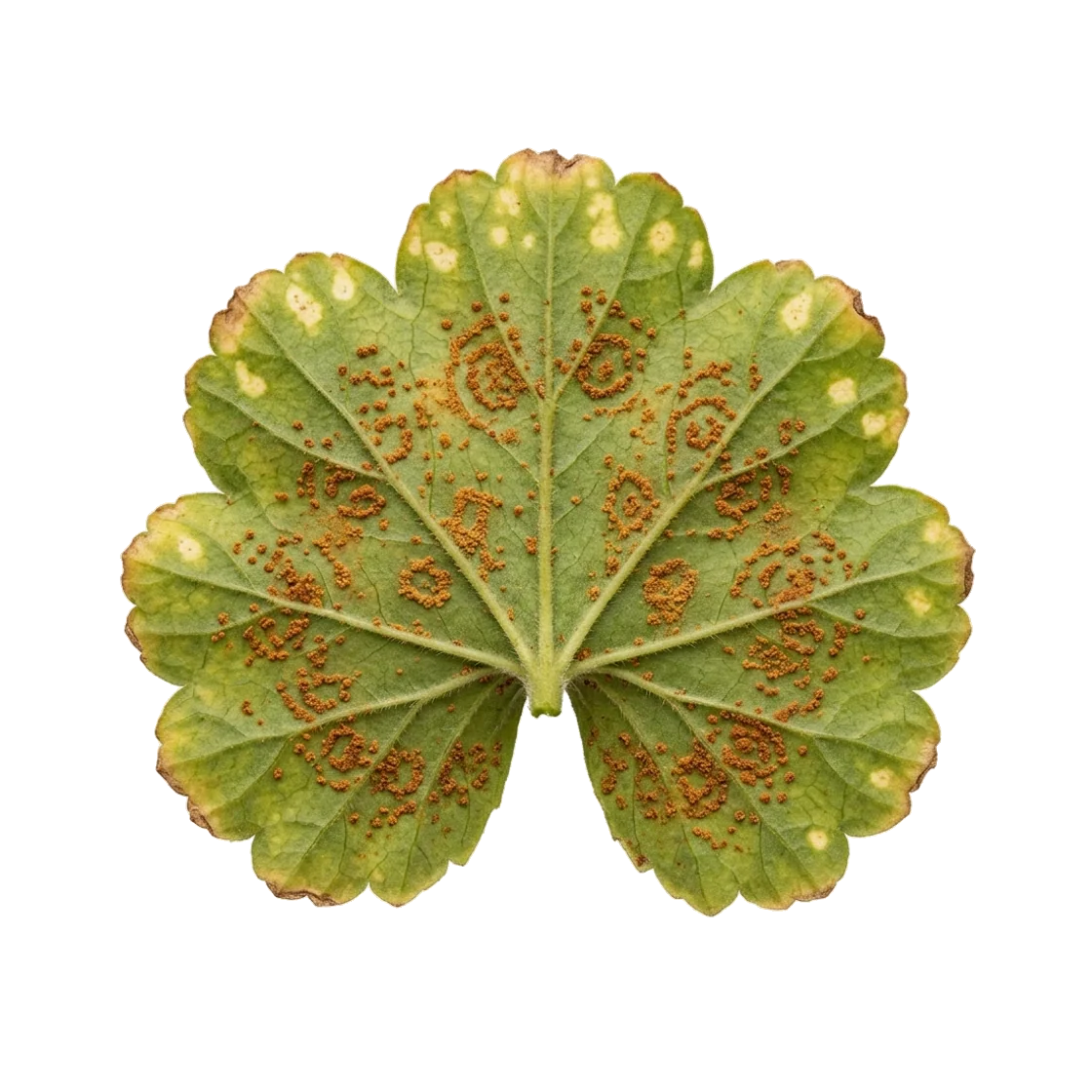
- Rust
- Aphids
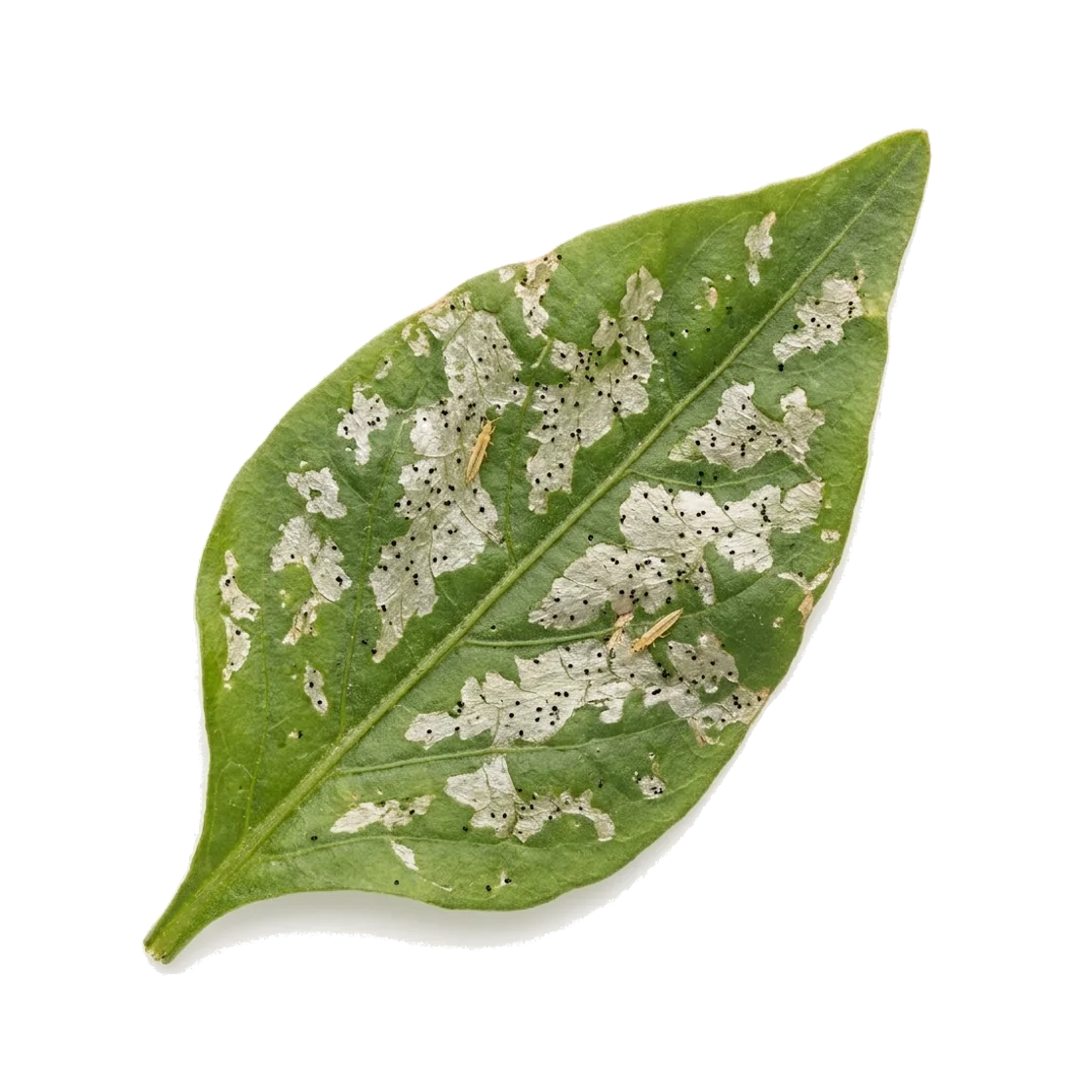
- Thrips
- Root rot


Frequently asked questions What people ask most.
Why are the tips of my chives turning yellow or brown?
Yellowing tips typically indicate under-watering, high heat, or dry indoor air. Check the soil moisture and ensure the plant receives consistent water without becoming waterlogged.
How do I harvest chives correctly?
Use clean kitchen shears to cut the outer stems about an inch above the soil line once they reach around six inches tall. Always harvest from the outside of the clump inward so the center can continue producing new shoots.
Should I cut off the flowers on my chives?
Leaving the flowers supports pollinators, but it can make the surrounding foliage slightly tougher and slower to regenerate. If your main goal is tender culinary foliage, snip off buds before they bloom.
Why are my indoor chives floppy and weak?
Floppy stems are almost always caused by insufficient sunlight, causing the plant to stretch and weaken. Move your pot to a brighter window or supplement with a grow light, and cut the foliage back to restart healthy growth.