Burro's tail
Sedum morganianum
Learn how to care for burro's tail (Sedum morganianum): proper light, infrequent watering, well-draining soil, and propagation tips for trailing success.
- Light
- Indirect
- Watering
- 3–4weeks between waterings
- Temperature
- 18–26 °Cideal temperature
- Pets
- Non-toxic
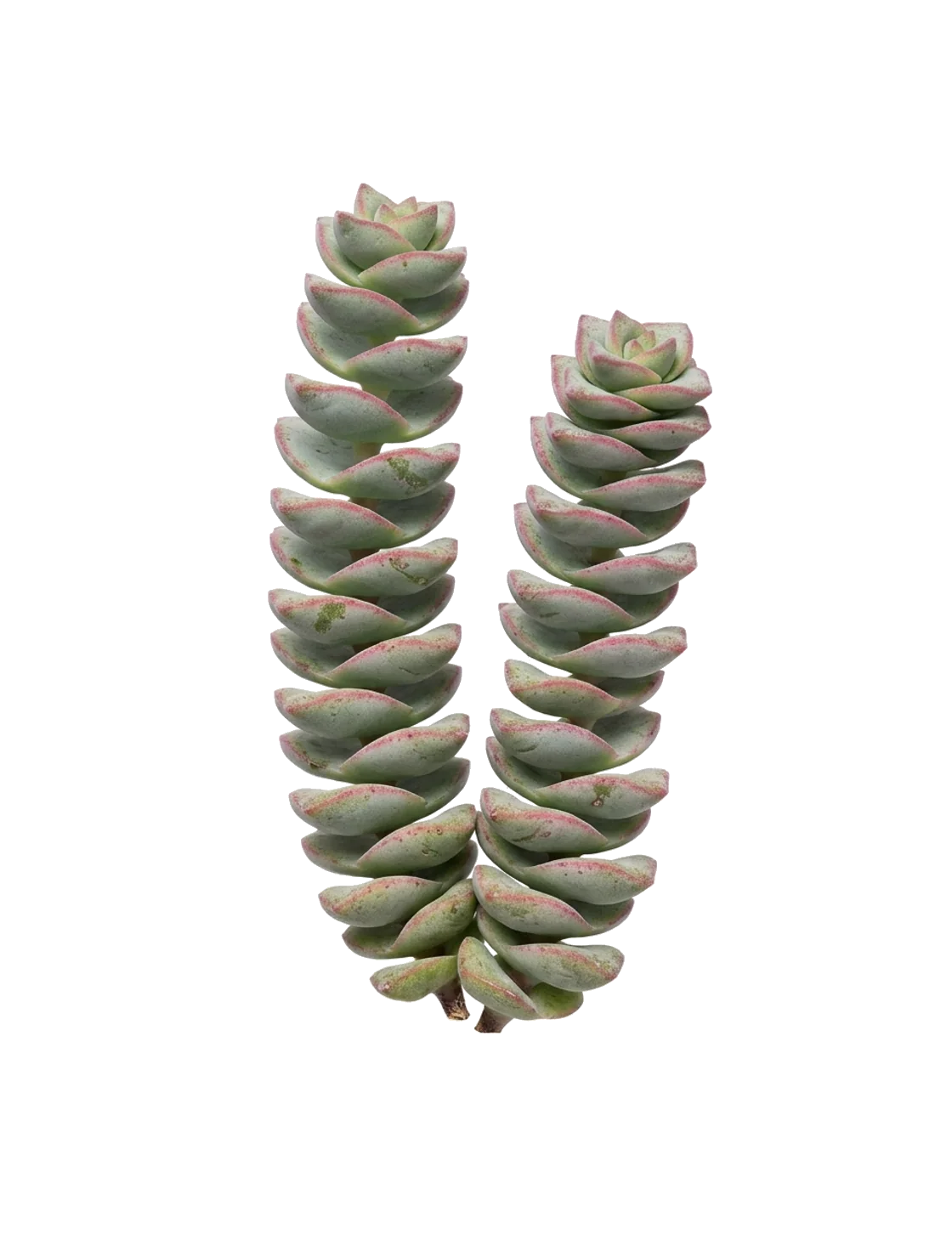
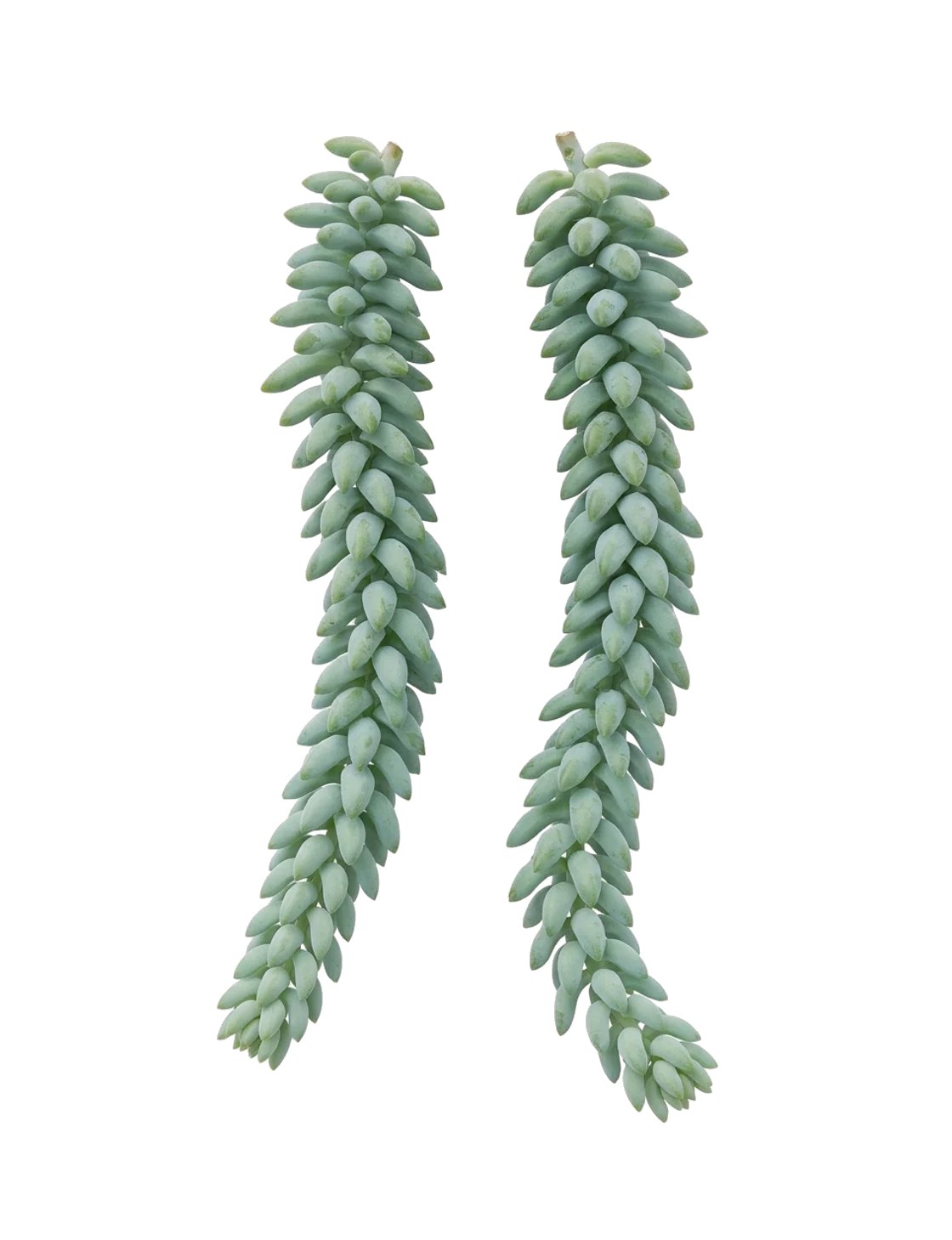
Sedum morganianum, commonly known as burro's tail or donkey's tail, is a distinctive trailing succulent native to southern Mexico. It is admired for its cascading, rope-like stems packed with thick, cylindrical, blue-green leaves that resemble woven braids or animal tails.
This species makes an exceptional display in hanging baskets, tall planters, or high shelves where its heavy stems can freely tumble downward, often reaching two to three feet in length. The foliage is coated with a delicate, chalky powder known as farina, which serves as a natural sunblock and helps retain internal moisture.
While remarkably durable and forgiving of dry spells, burro's tail has notably brittle foliage that dislodges at the slightest bump or brush. Position it in a quiet spot sheltered from drafts and frequent household foot traffic so its dense, trailing structure remains lush and intact.
Did you know?Virtually every plump leaf that falls from the stems can sprout roots and start an entirely new baby plant if laid on dry soil.
Care. What it needs, point by point.
- Watering
- 3–4 weeks between wateringsWater thoroughly only when the potting mix has completely dried out from top to bottom, allowing excess water to drain out freely. Reduce watering significantly during winter, offering moisture only once every three to four weeks to prevent root rot.
- Light
- IndirectProvide bright, indirect sunlight or a few hours of gentle morning sun each day. Protect the plant from intense, scorching midday rays during hot summers, which can cause leaf burn.
- Temperature
- 18–26 °C ideal temperatureIt thrives in warm conditions between 18 °C and 26 °C. It cannot handle frost, so bring it indoors whenever ambient temperatures dip below 7 °C.
- Soil
- Plant in a gritty, fast-draining cactus and succulent mix amended with perlite or coarse sand. Ensure the pot has functional drainage holes to prevent standing water around the roots.
- Fertilizer
- Feed with a balanced, diluted succulent fertilizer once a month throughout spring and summer. Withhold fertilizer completely during autumn and winter when growth slows down.
- Pruning
- Pruning is rarely necessary except to trim back bare, leggy stems or shape unruly growth. Always use clean shears and save healthy cuttings to root new plants.
- Propagation
- It propagates easily from stem cuttings or by simply placing dislodged leaves on top of well-draining soil. Tiny roots and rosettes will emerge from the base of the leaf within a few weeks.
Where it grows. In the wild and in homes.
In the wild it grows in Mexico, in a seasonally dry tropical climate.
People have also taken it to one more region where it now grows on its own: the Caribbean.
Range: Plants of the World Online, Royal Botanic Gardens, Kew
Is Burro's tail toxic to cats and dogs?
Non-toxic to cats and dogs.

Cats
Non-toxic

Dogs
Non-toxic
Source · ASPCA Animal Poison Control
Common problems What tends to go wrong.
- Root rot
- Overwatering
- Underwatering
- Too little light
- Mealybugs and scale
- Cold damage





Frequently asked questions What people ask most.
Why are the leaves falling off so easily?
Dropping leaves upon physical contact is a natural adaptation that helps the plant propagate, but excessive loss can also stem from overwatering. If the fallen leaves appear mushy, yellow, or translucent, reduce your watering routine immediately.
Why are the stems stretching out and looking sparse?
Stretching or leggy growth indicates that the plant is starving for sunlight and trying to reach a light source. Move it closer to a bright window or introduce a few hours of direct morning sun to encourage compact foliage.
How do I know when burro's tail needs water?
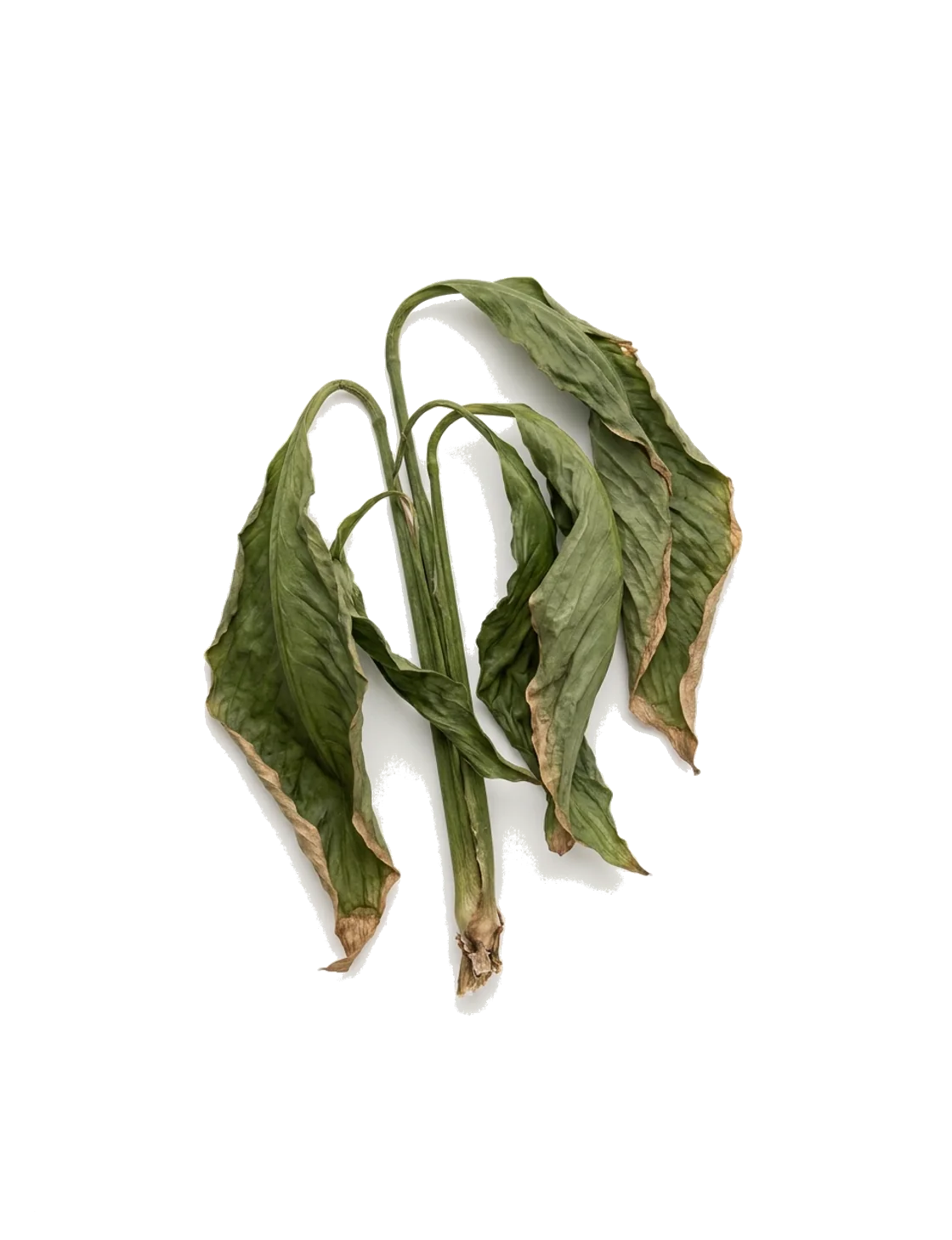
The plump leaves will begin to look slightly puckered, wrinkled, and soft to the touch when the plant runs out of moisture. A thorough soak will rehydrate the leaves and restore their plump texture within a day or two.
Should I mist the leaves to increase humidity?
No, misting is harmful because trapped moisture between the dense leaves invites fungal rot and mildew. Additionally, water droplets can wash away the protective powdery farina on the foliage.