African daisy
Osteospermum ecklonis
African daisy: big colourful daisy blooms from spring until autumn. Sun, watering and deadheading tips for many months of bright garden colour.
- Light
- 6 hof direct sun
- Temperature
- 15–24 °Cideal temperature
- Toxicity
- Non-toxic
- Difficulty
- Easy
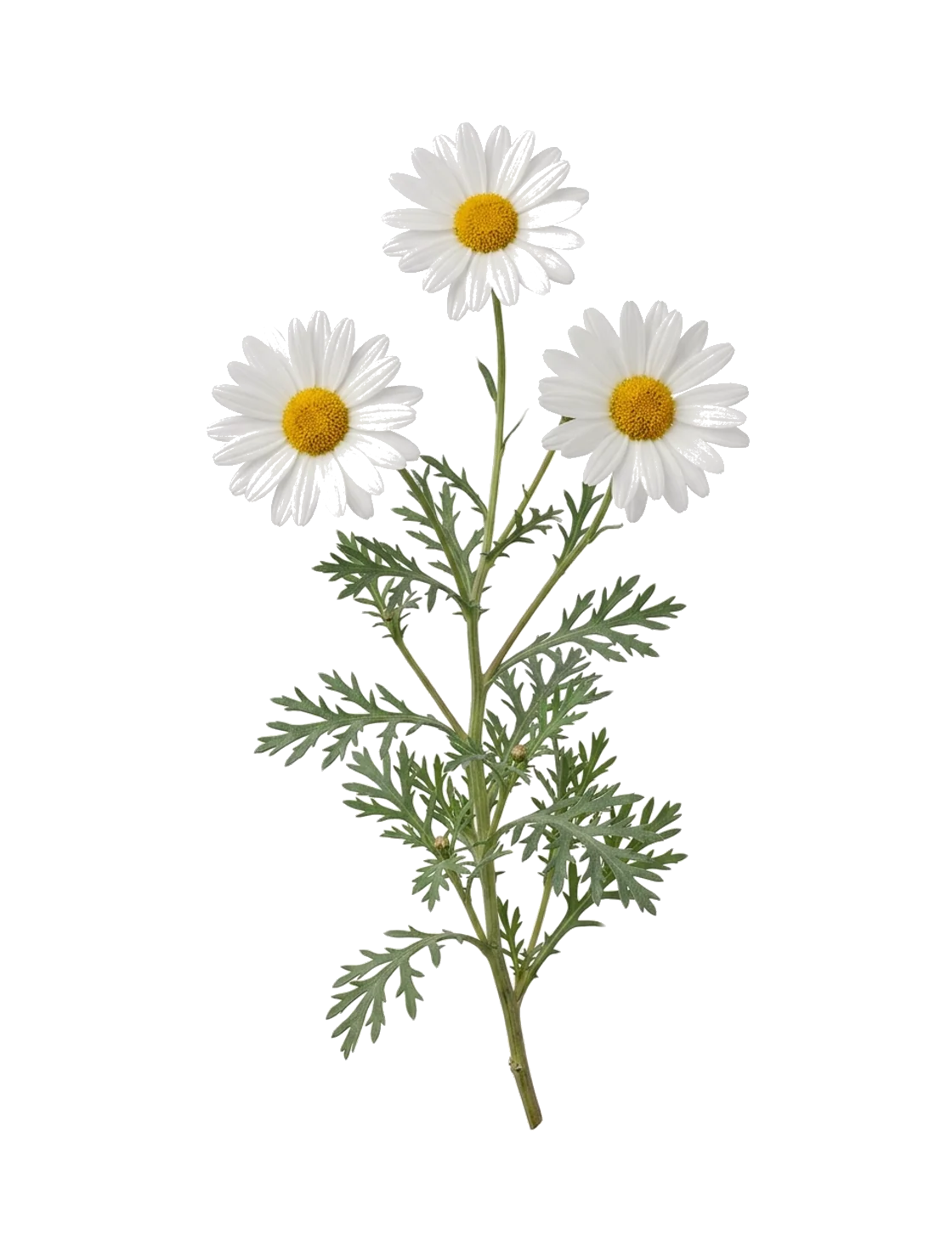
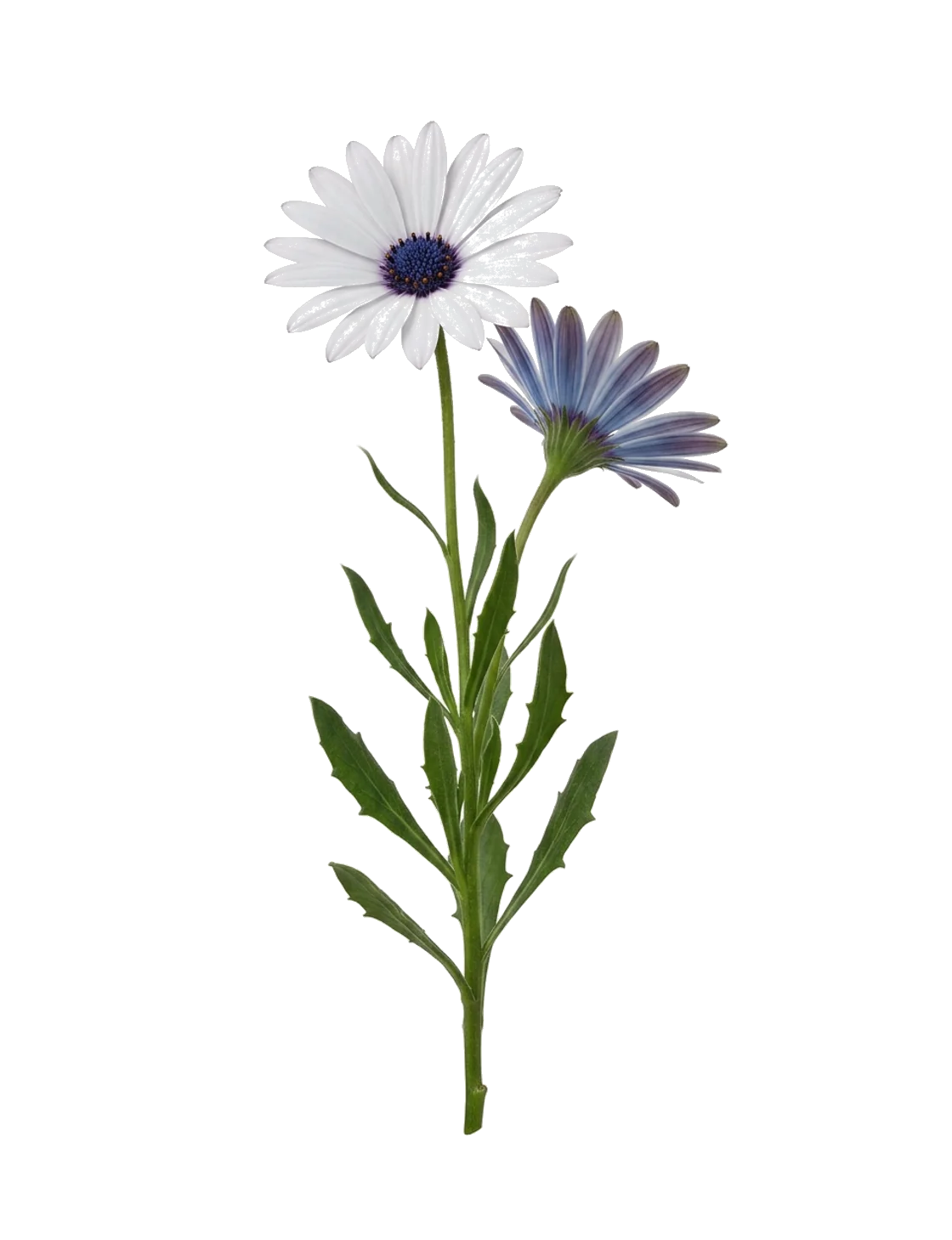
The African daisy (Osteospermum ecklonis) is a bushy perennial grown for its large daisy flowers in white, pink, purple or yellow with dark centres. Native to the Cape region of South Africa, it blooms most generously in spring and autumn, pausing in extreme summer heat. It suits borders, rock gardens and sunny pots alike.
The flower heads open wide in sunshine and close at dusk, giving the plant a different face morning and evening. Modern varieties hold their colour well and rebloom for months if faded heads are removed. Compact plants form neat mounds that mix easily with other sun lovers, and the blooms attract butterflies and bees on warm sunny days.
Give it full sun, light well-drained soil and regular deadheading for the longest display. Water steadily in warm spells without waterlogging, and feed every two weeks while it blooms. In frost-free areas it behaves as a short-lived perennial; elsewhere, grow it as a summer annual or overwinter cuttings inside.
Did you know?Its petals close in the evening and on dull days, and each flower head follows the sun while it is young.
Care. What it needs, point by point.
- Watering
- Water regularly in warm weather, letting the surface dry slightly between waterings. It dislikes both drying out fully and sitting in soggy compost.
- Light
- 6 h of direct sunIt flowers best in full sun, with at least six hours of direct light a day. In shade it stretches and produces few daisies.
- Temperature
- 15–24 °C ideal temperatureIt grows best between 15 °C and 24 °C and tolerates light frosts to about -4 °C. In cold areas, grow it as an annual or shelter cuttings indoors for winter.
- Soil
- It wants light, well-drained soil of average fertility. In pots use a quality compost with extra perlite or coarse sand for drainage.
- Fertilizer
- 2 weeks between feedsFeed every two weeks in spring and summer with a liquid fertilizer for flowering plants. Too much nitrogen gives leaves instead of blooms.
- Pruning
- Deadhead faded flowers regularly to keep new buds coming until autumn. Shear leggy plants lightly in midsummer to renew the mound.
- Propagation
- Take soft cuttings in late summer and root them indoors in a light mix for next spring. Sow seeds in early spring in warmth, though named varieties vary.
Where it grows. In the wild and in homes.
In the wild it grows in southern Africa, in a subtropical climate.
People have also taken it to 13 more regions where it now grows on its own: Africa, Australasia, Europe, and North America.
Range: Plants of the World Online, Royal Botanic Gardens, Kew
Is African daisy toxic to cats and dogs?
The ASPCA doesn't list this species. If your pet has chewed it and seems unwell, call your vet.
Common problems What tends to go wrong.
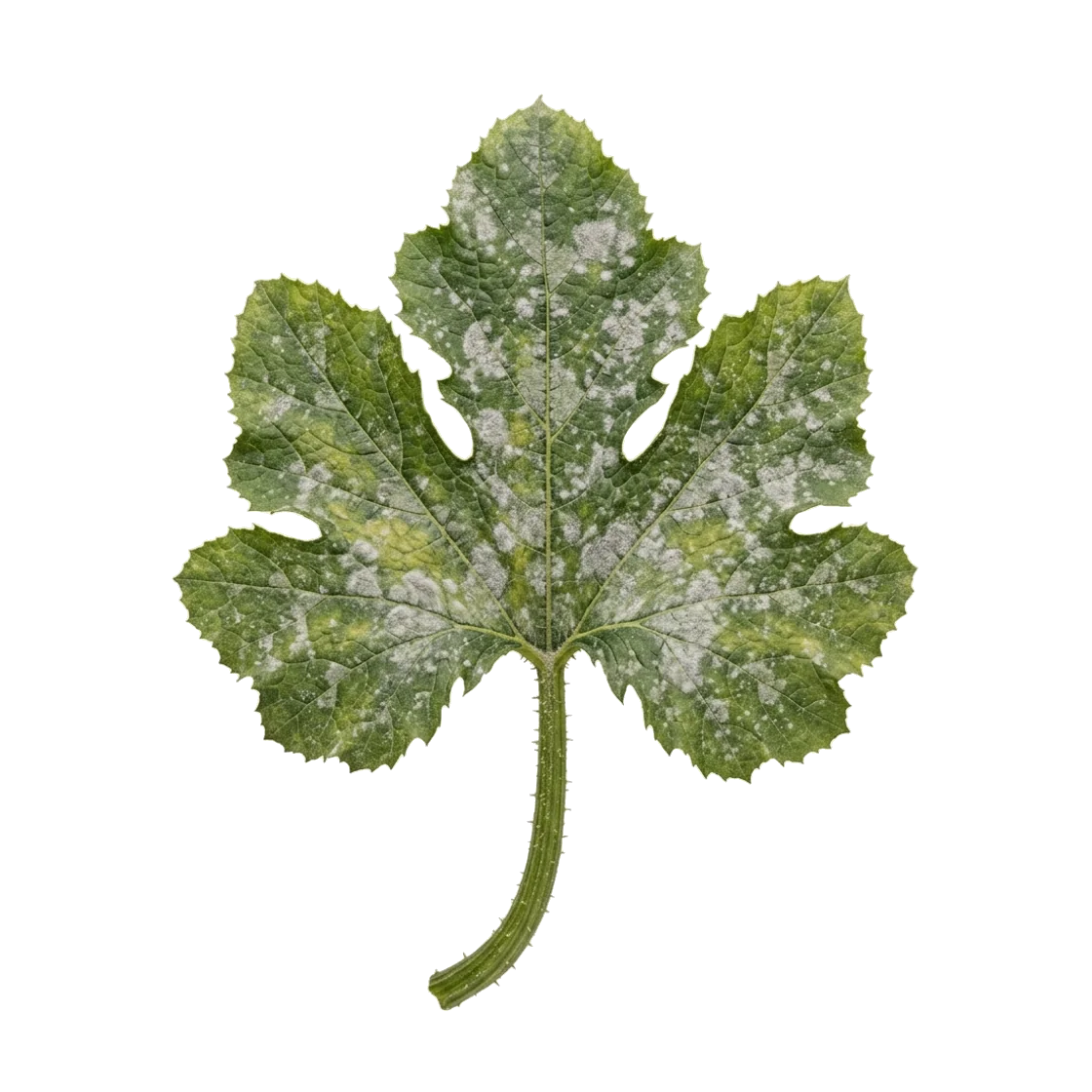
- Powdery mildew
- Botrytis (grey mould)
- Aphids
- Overwatering



Frequently asked questions What people ask most.
Why does my African daisy stop flowering in summer?
Heat above 30 °C pauses blooming naturally, and the plant restarts when nights cool. Keep watering lightly, shear it back a little and deadhead faded heads. Fresh buds usually appear within a few weeks of cooler weather.
How often should I water it?
Water whenever the top of the soil dries out, more often in pots during heatwaves. Let excess water drain fully, since soggy compost rots the crown. In mild weather, deep watering twice a week is usually enough.
Should I deadhead African daisies?
Yes, removing faded heads regularly is the best way to keep flowers coming until autumn. Cut each stem back to the next side bud so new blooms form quickly. If you skip deadheading, the plant sets seed and slows down.
Can I keep it alive through winter?
It survives mild winters outdoors down to about -4 °C with sharp drainage and shelter. In colder areas, take cuttings in late summer and keep them in a bright, frost-free room. Plant them out in spring after the last frosts.