Zucchini
Cucurbita pepo
Discover how to grow zucchini successfully: practical tips on watering, sun exposure, nutrient-rich soil, and handling common pests in your home garden.
- Light
- 6–8 hof direct sun
- Watering
- 2–3×a week
- Temperature
- 18–28 °Cideal temperature
- Pets
- Non-toxic
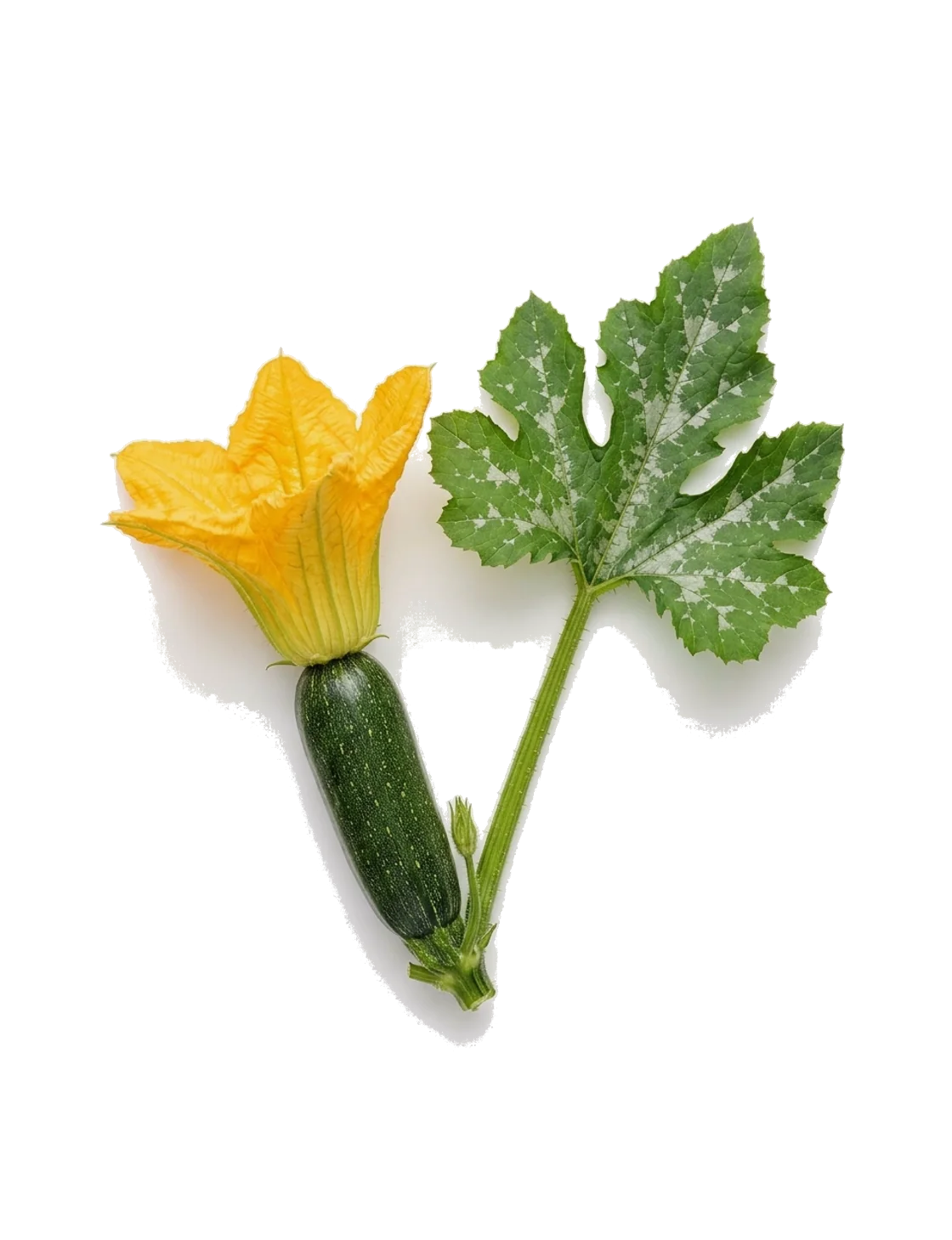
Zucchini, also known as courgette or summer squash, is a fast-growing annual herbaceous plant belonging to the gourd family. Highly prized in vegetable gardens and raised beds worldwide, it provides an exceptionally bountiful harvest within just a few weeks of planting, making it one of the most rewarding crops for home growers.
The plant forms a large bush with expansive, deeply lobed leaves mottled with silvery patterns and thick stems covered in bristly hairs. It produces large, edible golden flowers, bearing separate male and female blossoms on the same vine. Harvesting the fruits frequently while they are young and tender encourages continuous production throughout the entire summer season.
Successful cultivation requires direct full sunlight and fertile, well-draining soil rich in organic matter. Because zucchini is frost-sensitive, it must be grown in warm weather with steady root-level watering, which keeps foliage dry, prevents fungal diseases, and guarantees high-yielding plants right up until the first autumn chill.
Did you know?Zucchini plants produce separate male and female blossoms on the same plant, and both the squash and the flowers are culinary delicacies.
Care. What it needs, point by point.
- Watering
- 2–3× a weekWater deeply two to three times a week, increasing frequency when temperatures rise and fruits are swelling. Check that the top couple of centimeters of soil dry out slightly before watering, and always deliver moisture at the base rather than over the leaves.
- Light
- 6–8 h of direct sunNeeds full direct sunlight for at least six to eight hours each day. Low light conditions result in poor fruit setting and make the foliage susceptible to mildew.
- Temperature
- 18–28 °C ideal temperatureThrives best in warm weather between 18 °C and 28 °C. Growth stalls below 10 °C, and the plant cannot tolerate freezing conditions.
- Soil
- Requires a rich, loose, and well-draining soil thoroughly mixed with mature compost or aged manure.
- Fertilizer
- Incorporate generous compost into the soil before planting, then apply a balanced organic potassium-rich fertilizer once blossoms begin to appear.
- Pruning
- No structural pruning is required, though trimming away yellowing lower leaves touching the ground improves airflow and deters disease.
- Propagation
- Easily grown from seed sown directly outdoors once spring soil has warmed up thoroughly. Seeds germinate reliably in five to seven days when kept consistently moist and warm.
Where it grows. In the wild and in homes.
In the wild it grows in Mexico, in a subtropical climate.
People have also taken it to 93 more regions where it now grows on its own: North America, South and Central America and the Caribbean, Europe, and Africa.
Range: Plants of the World Online, Royal Botanic Gardens, Kew
Is Zucchini toxic to cats and dogs?
Non-toxic to cats and dogs.

Cats
Non-toxic

Dogs
Non-toxic
Source · ASPCA Animal Poison Control
Common problems What tends to go wrong.
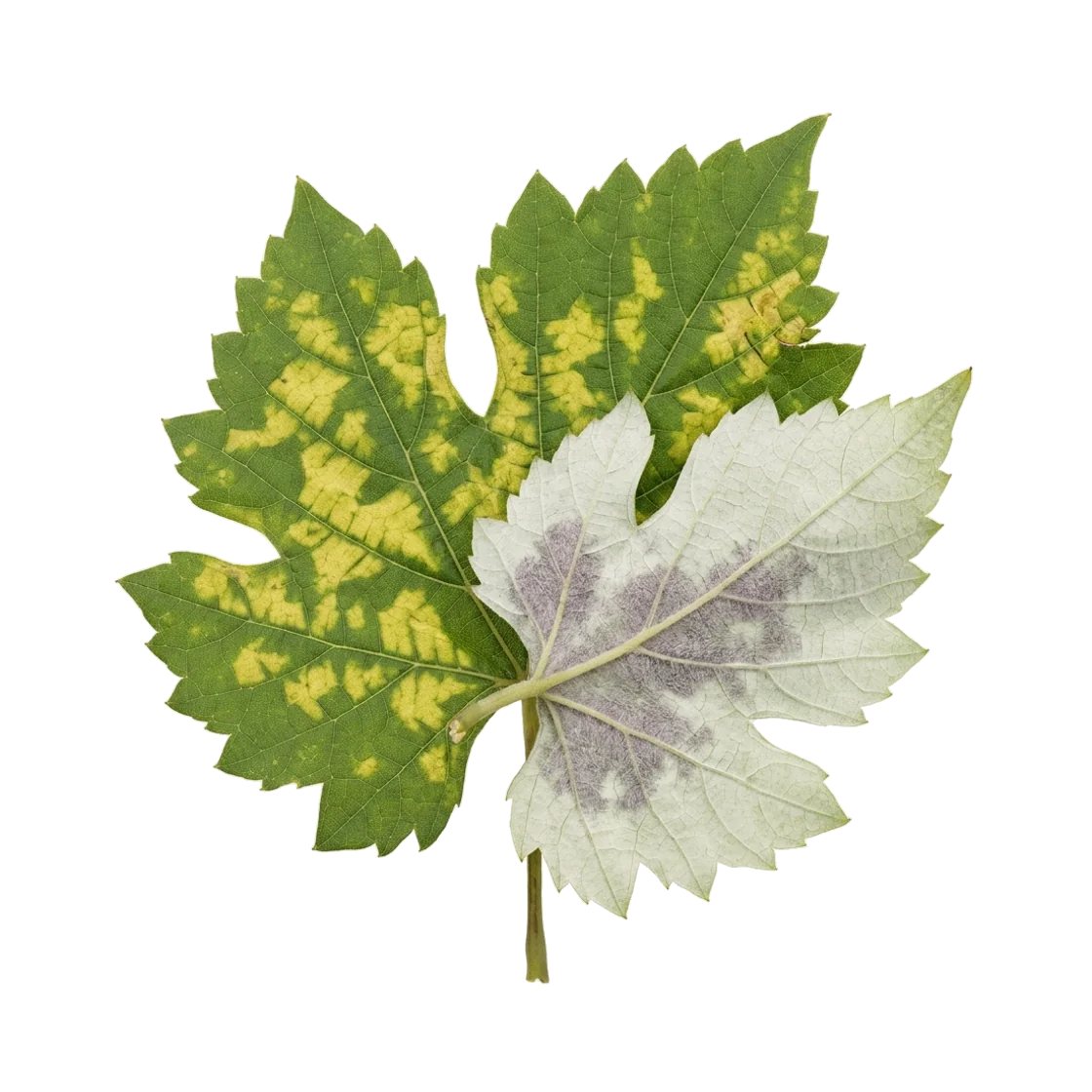
- Powdery mildew
- Downy mildew
- Aphids
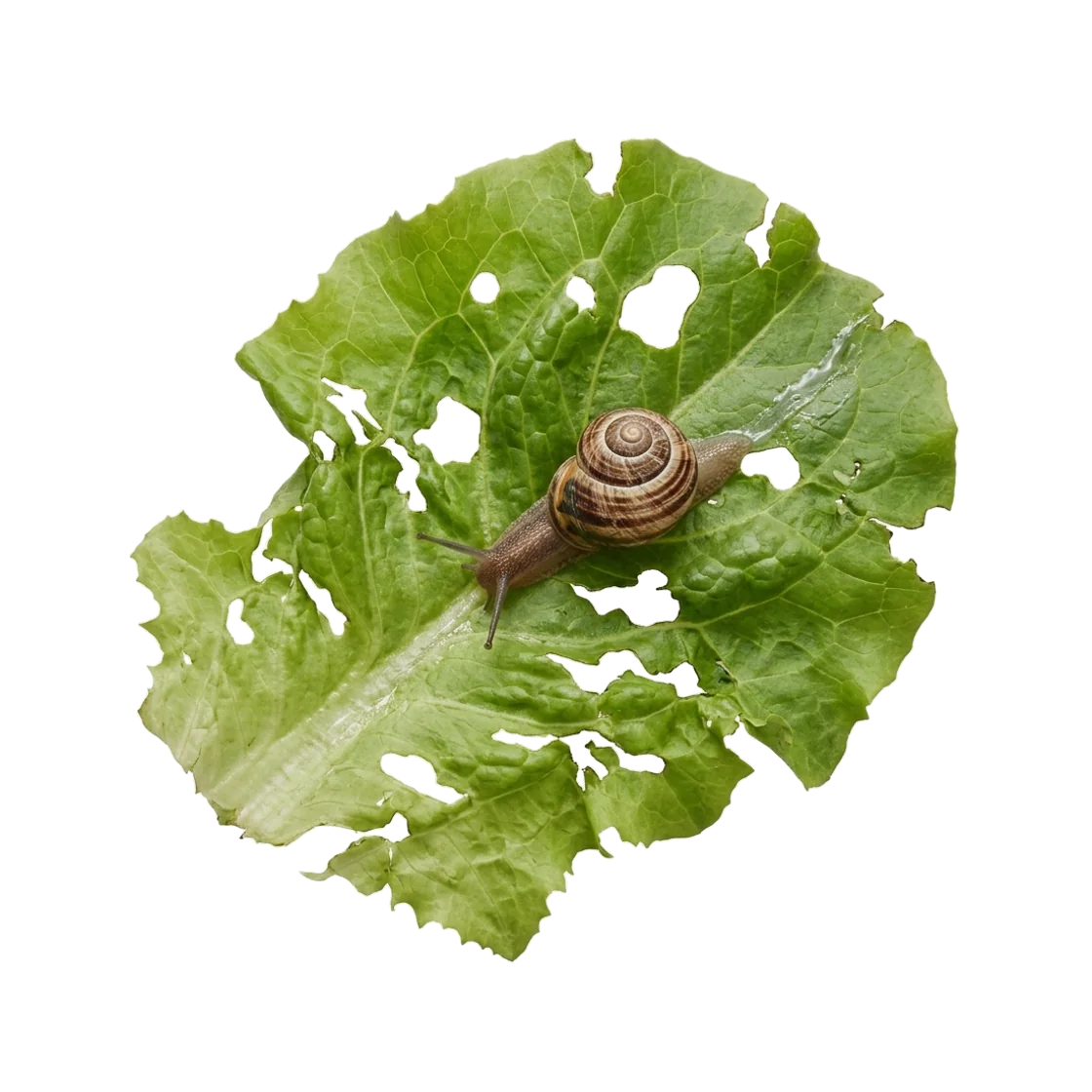
- Snails and slugs


Frequently asked questions What people ask most.
Why are baby zucchinis rotting at the ends?
This is typically blossom end rot caused by uneven watering interfering with calcium uptake, or poor pollination of female flowers. Maintaining steady moisture levels and encouraging bees into the garden generally solves the problem.
Why are flowers dropping off without producing squash?
Early in the season, zucchini plants produce primarily male flowers on thin stems that drop off naturally after blooming. Female flowers, identified by the tiny immature fruit behind the petals, will set fruit once pollinators transfer pollen from the males.
How can I prevent white powder on zucchini leaves?
The white coating is powdery mildew, a fungal infection triggered by high humidity and stagnant air. Prevent it by watering exclusively at ground level, giving plants plenty of spacing, and thinning out dense lower foliage.
Can zucchini be grown in containers?
Yes, zucchini can thrive in pots provided each plant has a container of at least 35 to 40 liters with generous drainage holes. Potted plants dry out faster and need more frequent watering alongside regular organic feeding.