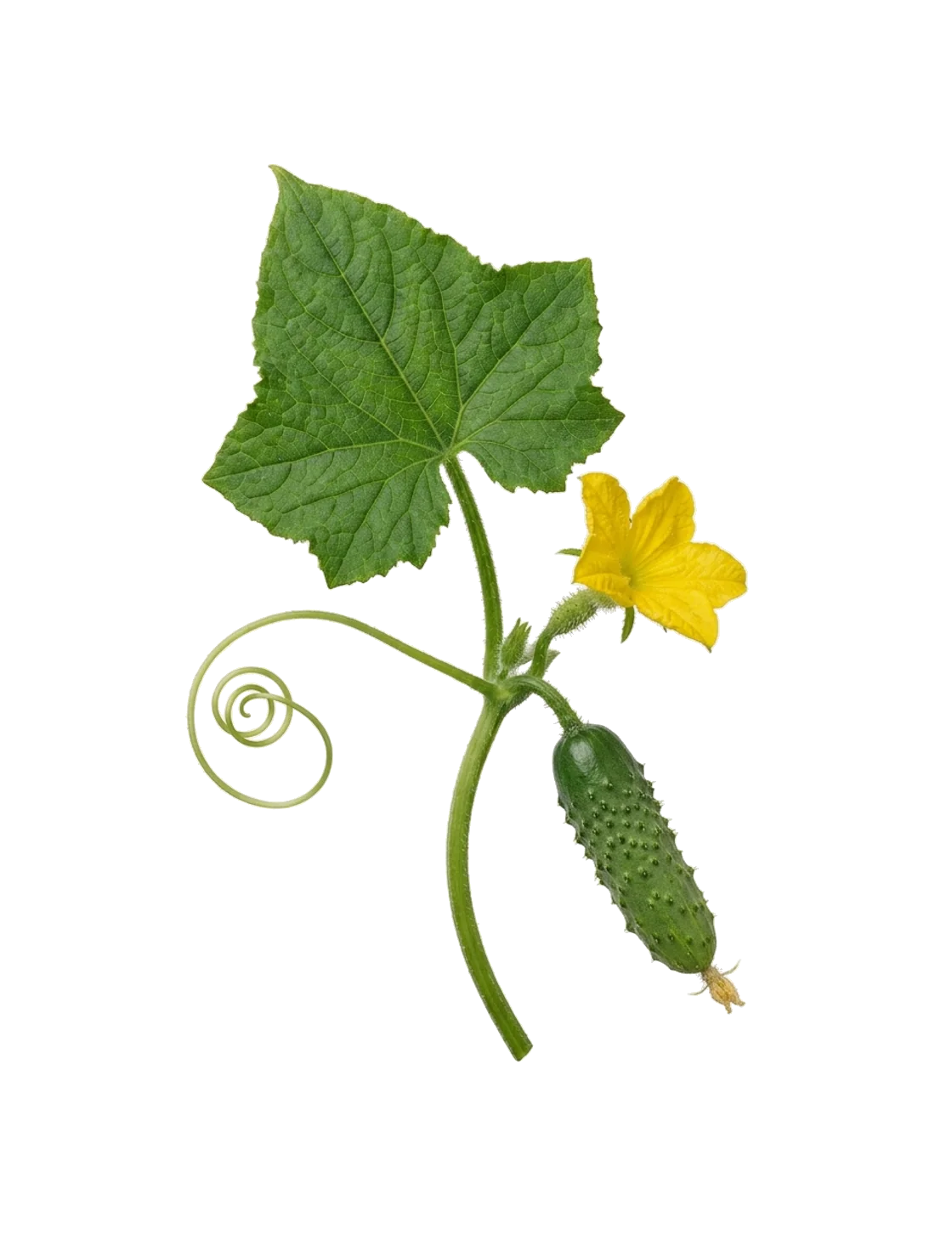
The cucumber (Cucumis sativus) is a fast-growing annual vine belonging to the gourd family, Cucurbitaceae. Native to the warm regions of South Asia, it is recognized for its rough, angular stems equipped with slender climbing tendrils, broad triangular leaves, and bright yellow blossoms that give rise to crisp, refreshing fruits.
Cucumbers are a rewarding and staple crop in home vegetable plots, raised beds, and large containers. While they naturally sprawl across the garden floor, training vines onto trellises, netting, or cages saves valuable ground space, keeps the foliage dry to curb fungal infections, and produces straight, clean fruits that are easy to harvest.
To achieve high yields of crisp cucumbers without bitterness, provide plenty of direct sunlight and consistent moisture. Fluctuating watering levels can stress the root system and diminish harvest quality, while balanced fertilization and nutrient-dense soil support continuous flower and fruit development throughout the entire summer season.
Did you know?Cucumbers are roughly 95 percent water and have been cultivated for over 3,000 years. Their climbing tendrils can wrap around a trellis within minutes of physical contact.
Care. What it needs, point by point.
- Watering
- 3–4× a weekWater deeply and consistently about 3 to 4 times per week in warm weather, directing moisture to the soil rather than the leaves. Check that the top inch of soil is dry before watering to prevent root rot.
- Light
- 6–8 h of direct sunRequires full direct sun, receiving at least 6 to 8 hours daily for healthy flower set and fruit development. In extremely hot climates, light afternoon shade helps prevent heat stress.
- Temperature
- 18–28 °C ideal temperatureGrows best in temperatures between 18 °C and 28 °C. Plant growth stops below 12 °C, and foliage is severely damaged by freezing conditions.
- Soil
- pH 6.0–6.8Thrives in rich, loamy, well-draining soil with plenty of organic matter and a pH between 6.0 and 6.8. Excellent drainage is essential to safeguard against fungal soil pathogens.
- Fertilizer
- 2 weeks between feedsIncorporate well-rotted compost before planting, then feed every two weeks with a balanced, potassium-rich fertilizer once flowering starts.
- Pruning
- Pinch out lower side shoots and remove older yellowing leaves to promote good airflow through the canopy. Training the main vine onto a trellis keeps the plant healthy and manageable.
- Propagation
- Sow seeds directly in the ground or in seedling trays in early spring at a depth of about 2 centimeters. Seeds germinate within 5 to 10 days in warm, moist potting medium.
Where it grows. In the wild and in homes.
In the wild it grows in the Indian subcontinent, China, and Indochina, in a seasonally dry tropical climate.
People have also taken it to 66 more regions where it now grows on its own: North America, South and Central America and the Caribbean, Europe, and tropical Asia.
Range: Plants of the World Online, Royal Botanic Gardens, Kew
Is Cucumber toxic to cats and dogs?
Non-toxic to cats and dogs.

Cats
Non-toxic

Dogs
Non-toxic
Source · ASPCA Animal Poison Control
Common problems What tends to go wrong.
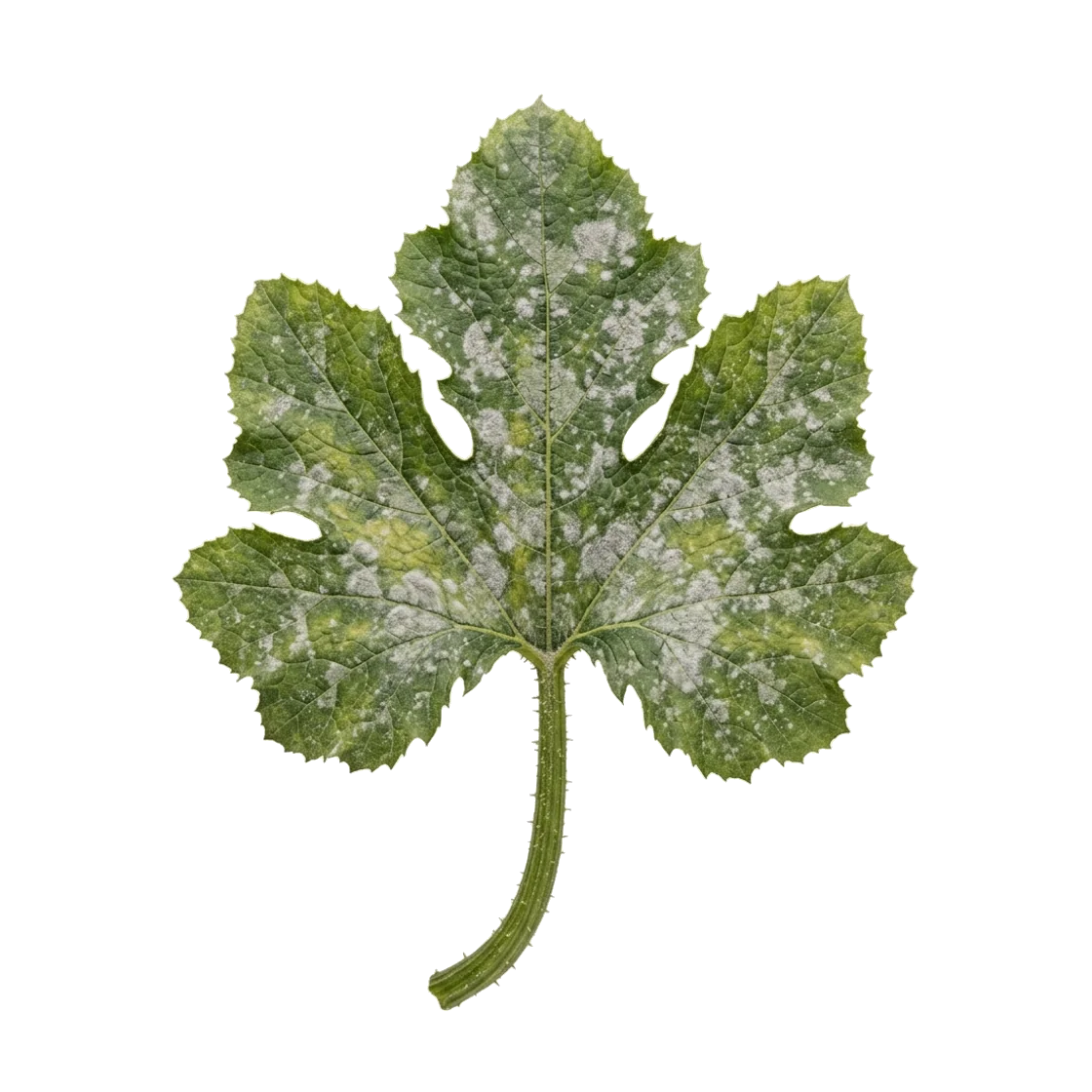
- Powdery mildew
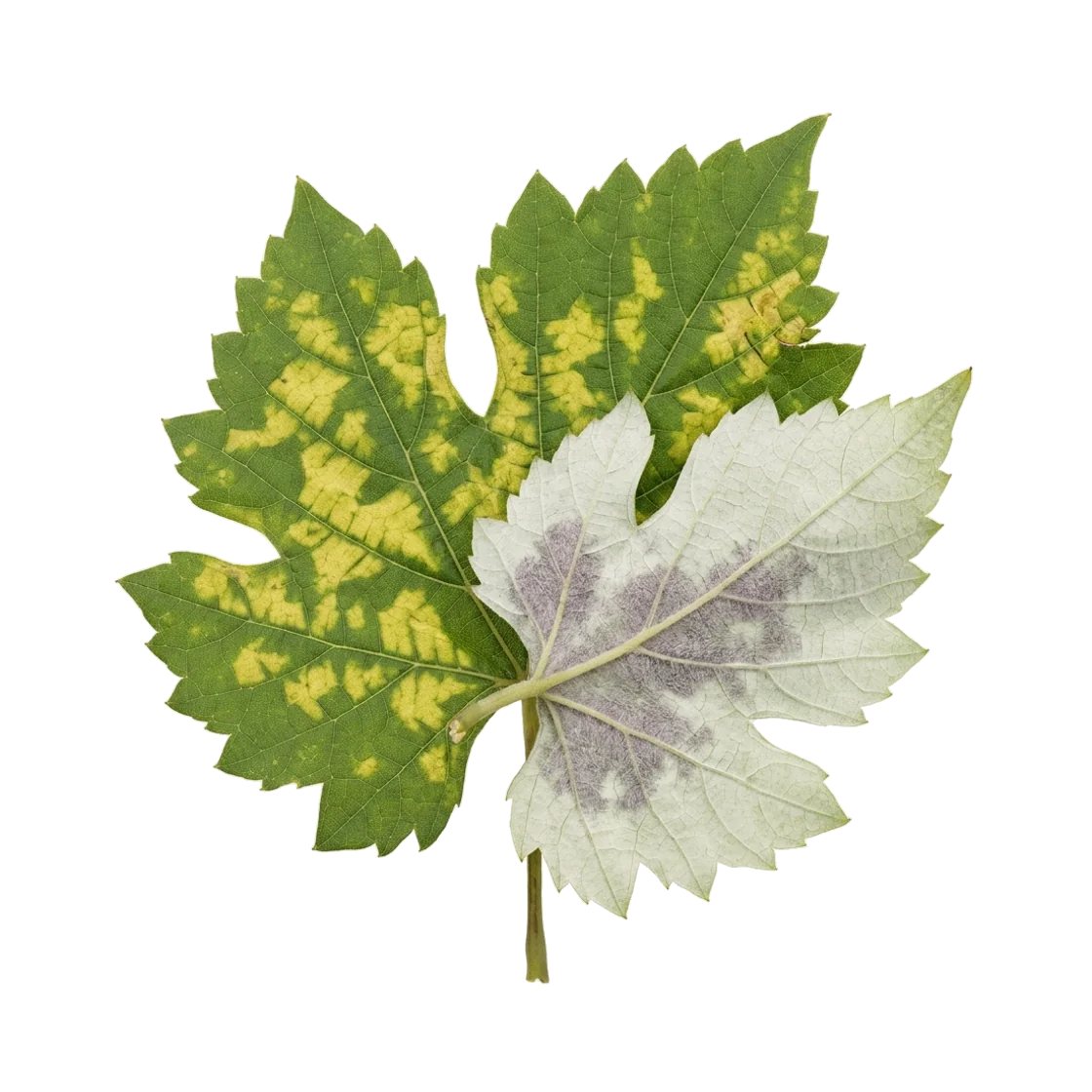
- Downy mildew
- Spider mites
- Aphids
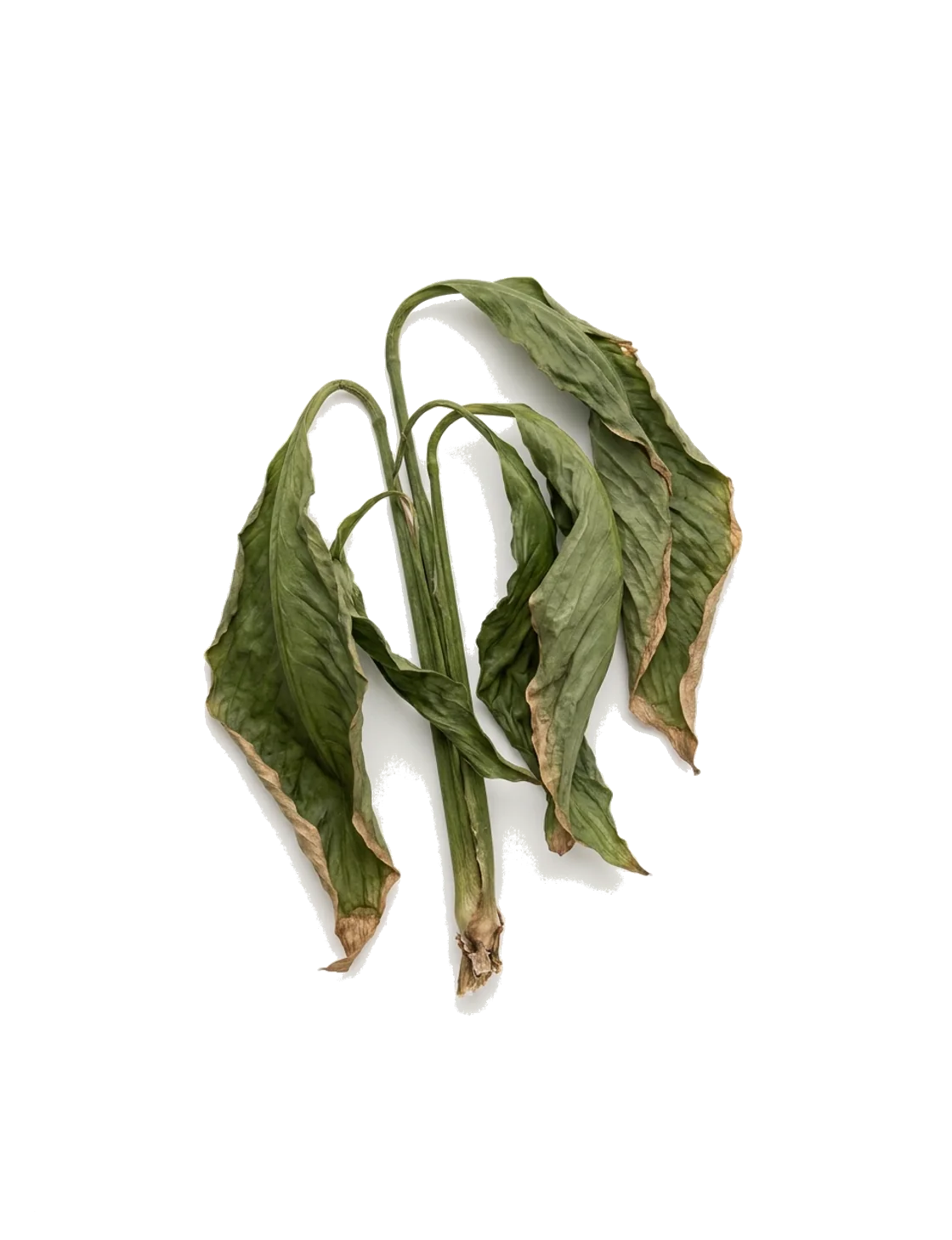
- Underwatering


Frequently asked questions What people ask most.
Why do my cucumbers taste bitter?
Bitterness is caused by cucurbitacin buildup, usually triggered by inconsistent watering or high temperature stress. Maintain steady soil moisture and apply a thick layer of organic mulch around the base.
Why are tiny baby cucumbers turning yellow and dropping off?
This typically happens when female flowers are not properly pollinated, or when the plant experiences sharp temperature swings. Encourage pollinating insects in the garden or hand-pollinate blooms with a clean small paintbrush.
Do cucumbers really need a trellis to grow?
A trellis is not mandatory, but vertical growing is highly advantageous. It improves air circulation, keeps leaves away from damp ground, reduces diseases like powdery mildew, and keeps the cucumbers clean and straight.
Why are the lower leaves on my cucumber plant turning yellow?
Yellowing lower foliage often stems from overwatering, poor drainage, or a nitrogen deficiency as the plant directs energy to new growth. Inspect the undersides of leaves as well to rule out spider mites or aphids.