Orange tree
Citrus sinensis
Discover practical care tips for growing a healthy orange tree, from watering schedules and sunlight needs to proper pruning for a bountiful home harvest.
- Light
- 6–8 hof direct sun
- Temperature
- 15–30 °Cideal temperature
- Pets
- Toxic
- Difficulty
- Medium
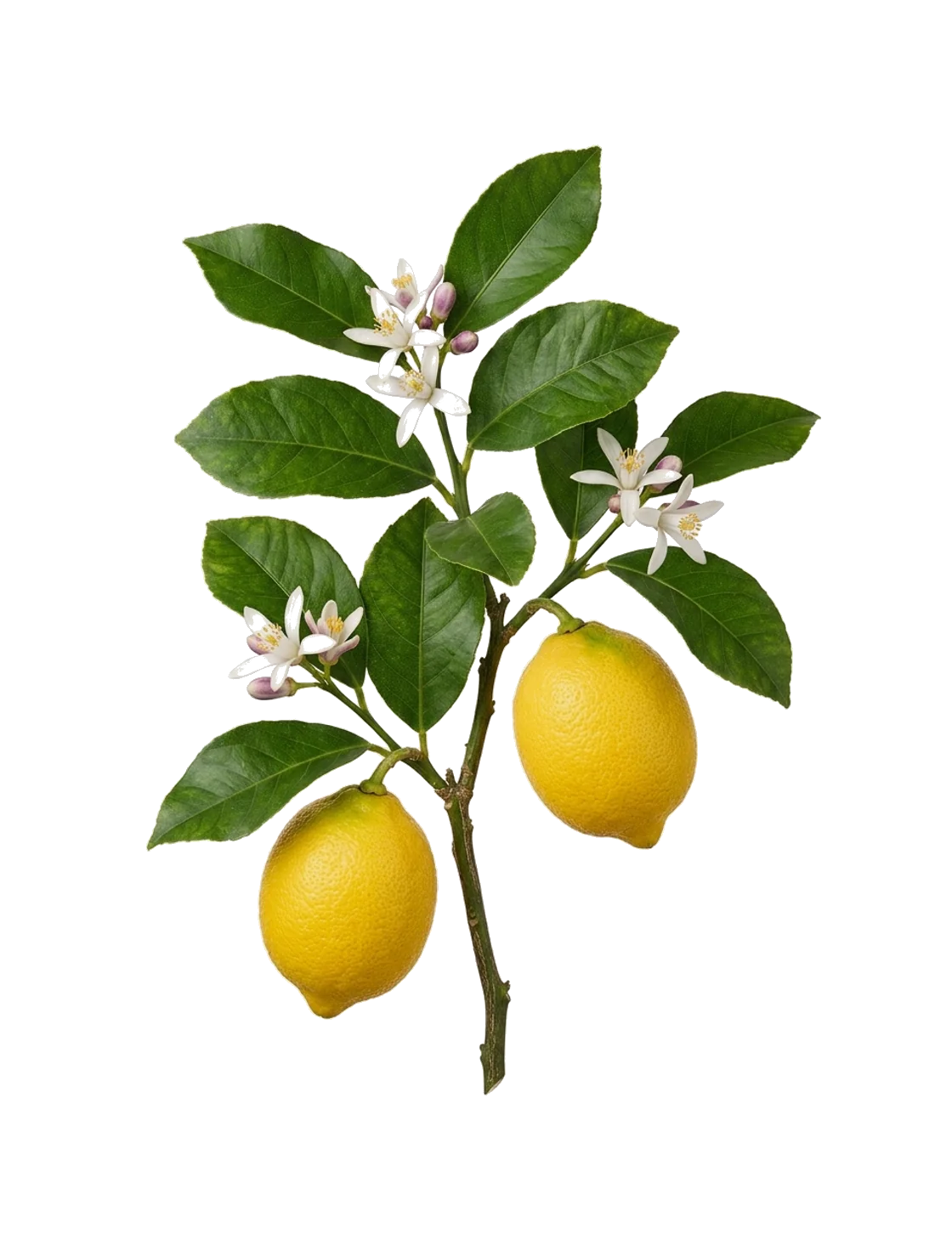
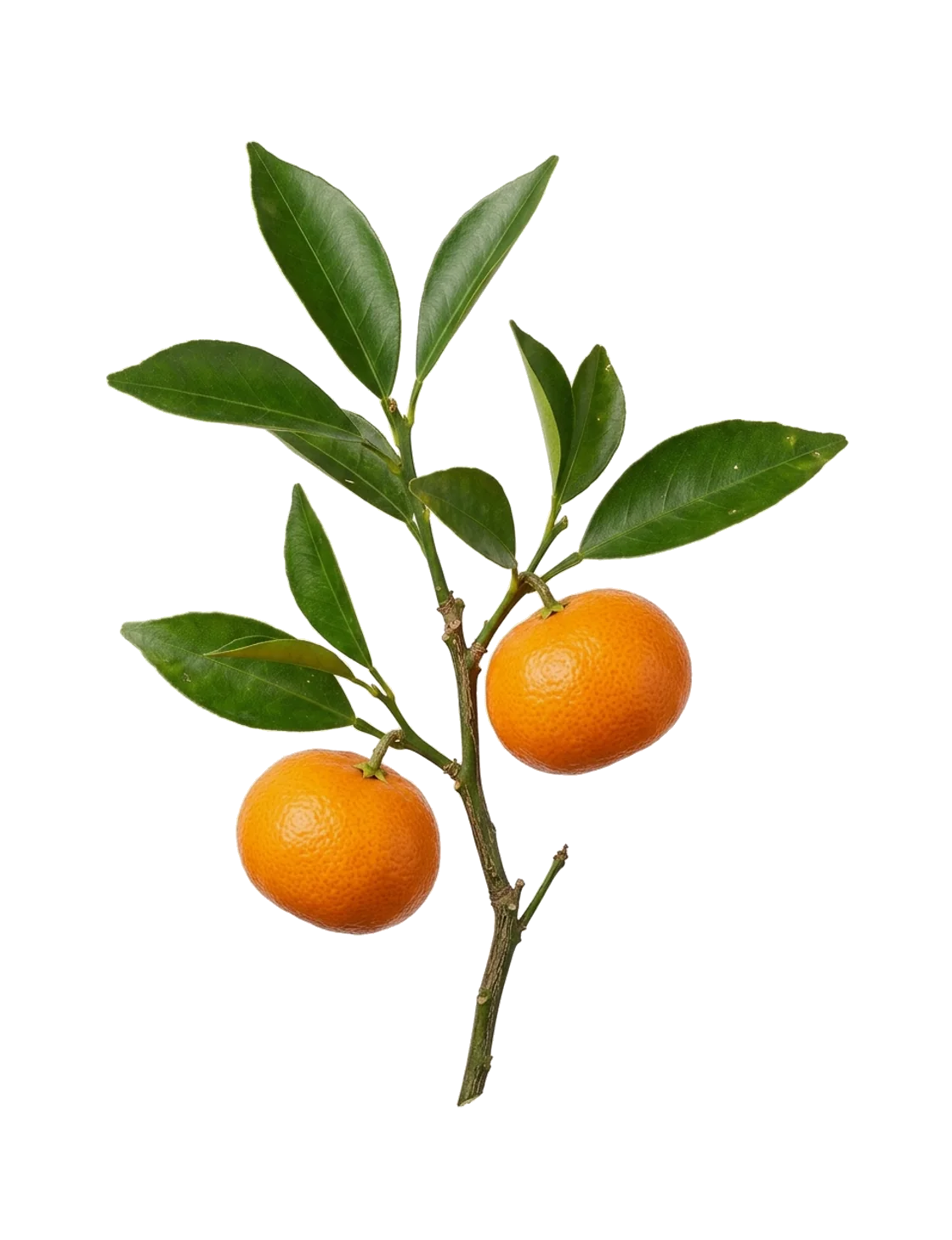
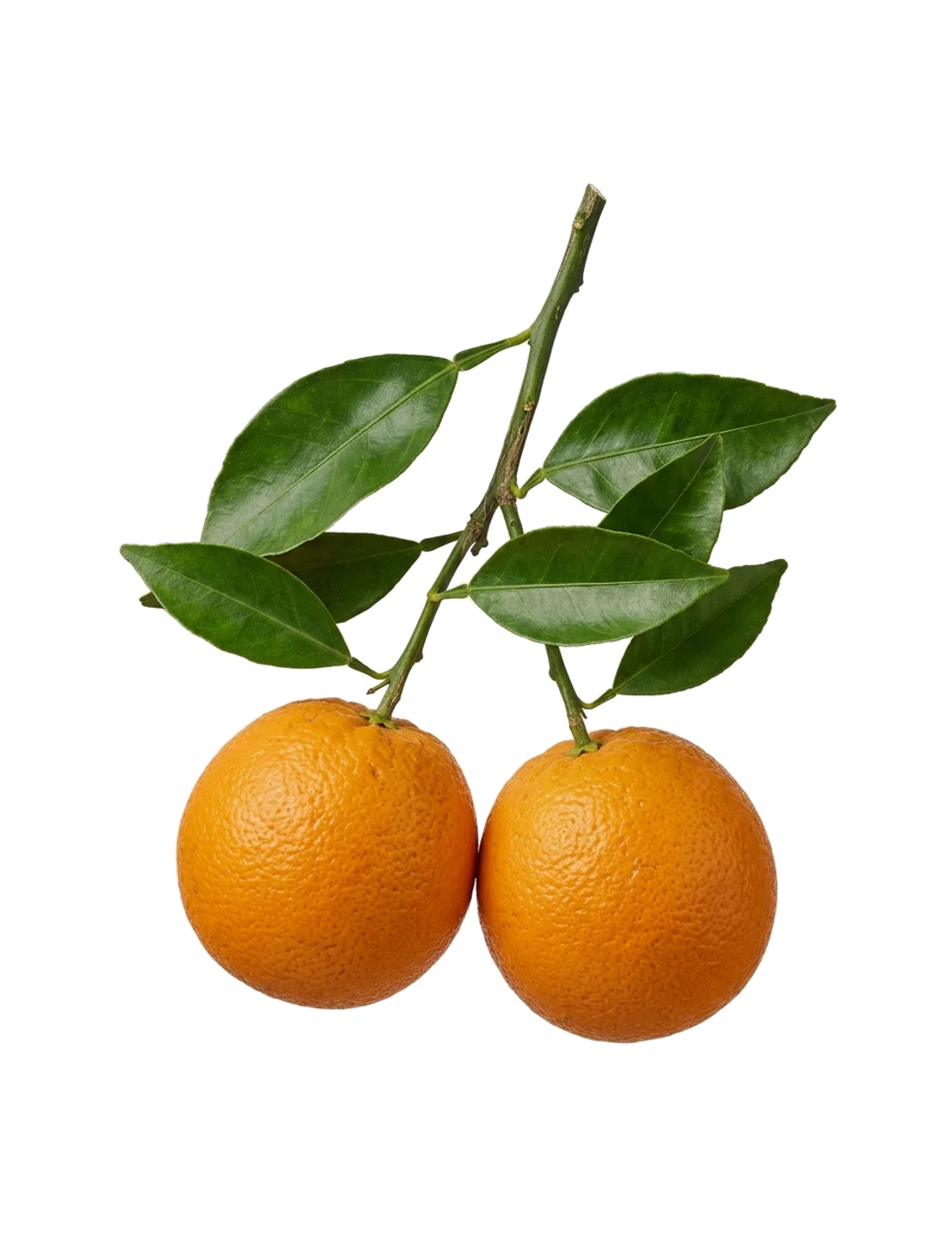
The orange tree (Citrus sinensis) is a beloved evergreen fruit tree celebrated worldwide for its sweet, juicy citrus and fragrant white blossoms. It features a dense, rounded crown with glossy, deep green foliage that makes it an attractive focal point in home orchards, sunny gardens, or large patio containers.
To thrive and produce quality fruit, this sun-loving tree demands maximum direct light and a fertile, well-draining soil mix that prevents water from accumulating around the root zone. While established trees can tolerate brief dry periods, consistent moisture is vital during flowering and fruit development to ensure a generous and flavorful harvest.
Growing an orange tree is relatively straightforward when provided with warm conditions and shelter from freezing winds. With light annual pruning to open up the canopy for better air circulation and seasonal feedings of citrus-specific nutrients, an orange tree will reward you with steady growth and fruit for decades.
Did you know?Orange blossoms produce an intoxicating fragrance and have historically symbolized good fortune and purity in Mediterranean cultures.
Care. What it needs, point by point.
- Watering
- Water deeply and thoroughly, allowing the top two inches of soil to dry out completely before irrigating again. In hot summer months, container-grown trees may need water every few days, while winter requirements drop significantly. Always check soil moisture with your finger or a probe before adding water to prevent soggy roots.
- Light
- 6–8 h of direct sunOrange trees require full sun to thrive, needing at least six to eight hours of unfiltered sunlight every day. Insufficient light results in weak, leggy branch growth and poor fruit production.
- Temperature
- 15–30 °C ideal temperatureThey perform best in warm conditions between 15 °C and 30 °C. The tree cannot endure hard frosts below -2 °C, so protect it with frost blankets or move potted specimens to shelter during freezing weather.
- Soil
- pH 6.0–7.0Use a well-aerated, sandy-loam potting mix or garden soil that drains freely to avoid root rot. A slightly acidic to neutral pH between 6.0 and 7.0 provides the best nutrient availability.
- Fertilizer
- Feed regularly with a balanced citrus fertilizer containing nitrogen, potassium, and trace minerals from early spring through late summer. Supplementary iron chelate applications help prevent chlorosis in alkaline soils.
- Pruning
- Prune in late winter to remove dead wood, suckers, and crossing branches that block light from the inner canopy. Avoid heavy pruning, as this can dramatically reduce your fruit yield for the upcoming season.
- Propagation
- Orange trees are most reliably propagated by budding or grafting onto disease-resistant citrus rootstocks. Softwood cuttings can also be rooted in warm, humid environments, though grafted trees generally perform much better.
Is Orange tree toxic to cats and dogs?
Toxic to cats and dogs.

Cats
Toxic

Dogs
Toxic
Usual signs
Ingestion of plant parts or citrus peel can cause vomiting, diarrhea, lethargy, and potential dermatitis, though the fruit pulp is edible.
If your pet has chewed it and shows symptoms, call your vet or the nearest emergency vet.
Source · ASPCA Animal Poison Control
Common problems What tends to go wrong.
- Iron chlorosis
- Mealybugs and scale
- Aphids
- Spider mites
- Overwatering
- Cold damage





Frequently asked questions What people ask most.
Why is my orange tree dropping its leaves?
Sudden leaf drop is typically triggered by environmental stress such as freezing drafts, rapid temperature swings, or overwatering. Check the soil drainage and ensure the tree is placed in a sheltered, warm location.
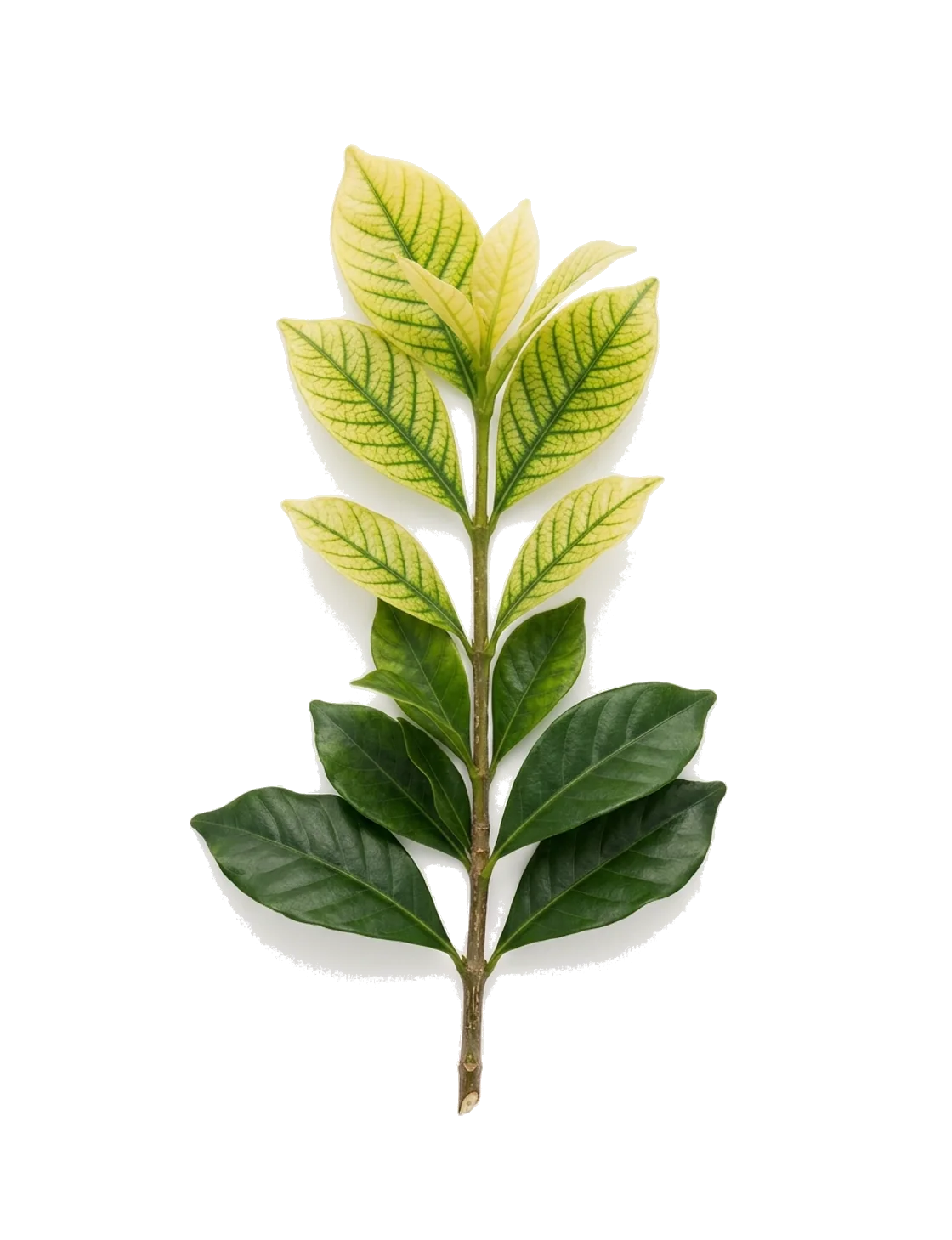
Why are the leaves turning yellow with green veins?
This pattern indicates iron chlorosis, which often occurs when high soil pH prevents the roots from taking up iron. Treat the plant with chelated iron and verify that the soil remains well-draining.
Why are blossoms dropping before fruit forms?
A modest drop in blossoms is natural, but severe drop is usually caused by erratic watering, extreme heat, or sudden cold snaps during bloom. Keep soil moisture consistent and protect the tree from harsh winds during flowering.
Can I grow an orange tree in a pot?
Yes, dwarf varieties and trees grafted onto dwarfing rootstocks adapt well to large patio containers. Choose a container with ample drainage holes and position it in your sunniest outdoor location.