Lemon tree
Citrus limon
Learn how to grow and care for a lemon tree in pots or gardens: essential tips on watering, full sun exposure, citrus feeding, and common pests.
- Light
- 6–8 hof direct sun
- Watering
- 2–3×a week
- Temperature
- 15–30 °Cideal temperature
- Toxicity
- Non-toxic
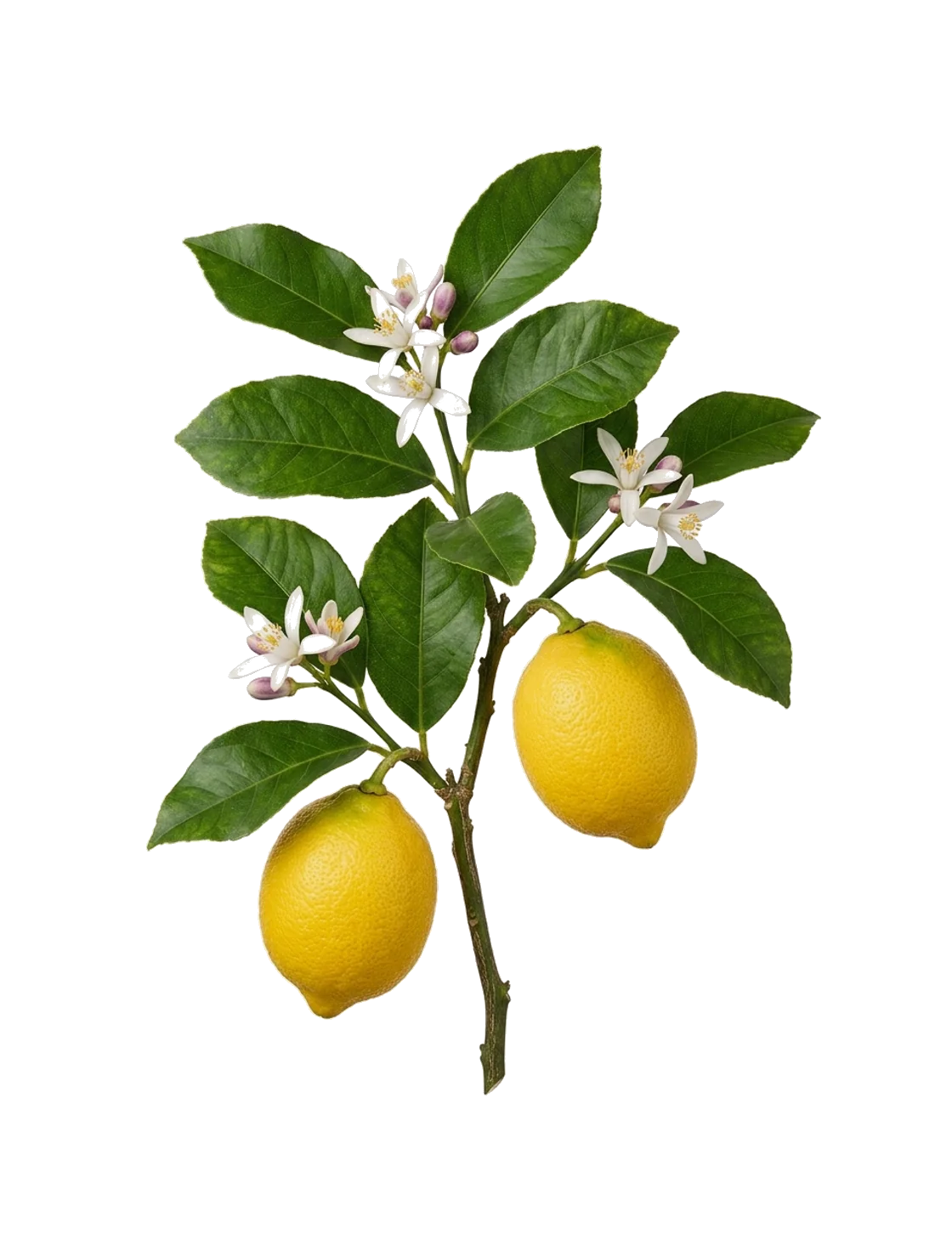
The lemon tree (Citrus limon) is among the most rewarding fruit trees you can grow in a home garden or large patio container. Cherished for its glossy evergreen foliage, delightfully fragrant white blossoms, and vibrant yellow fruit, this compact citrus brings both ornamental charm and fresh harvests to sunny outdoor spaces. Under suitable conditions, many cultivars can produce blooms and fruit across several seasons.
Successful cultivation depends on giving the tree ample direct sunlight, well-draining soil, and consistent moisture without waterlogging. Citrus root systems are especially vulnerable to standing water, so allowing the top layer of soil to dry out between waterings is essential. In addition, lemons are heavy feeders that require specialized fertilizer enriched with micronutrients like iron and magnesium to maintain lush, deep-green foliage.
While lemon trees thrive in warmth, they are vulnerable to freezing temperatures and sudden cold snaps. In cooler climates, growing them in large containers allows you to move them into a sunny indoor spot or unheated greenhouse during winter. With sensible pruning to thin out crowded branches and periodic checks for sap-sucking pests, your lemon tree will thrive for decades.
Did you know?A healthy lemon tree can display blossoms, immature green lemons, and ripe yellow fruit all at the same time on the very same branch.
Care. What it needs, point by point.
- Watering
- 2–3× a weekWater deeply whenever the top two inches of soil have dried out completely. During the warm growing season, this usually means watering two to three times a week, tapering down during cooler winter months.
- Light
- 6–8 h of direct sunProvide at least six to eight hours of direct sunlight each day for optimal flowering and fruit set. A south-facing patio, courtyard, or sunny balcony is ideal for container-grown specimens.
- Temperature
- 15–30 °C ideal temperatureLemon trees thrive best in temperatures between 15°C and 30°C. They cannot tolerate hard frosts below 0°C, so bring potted trees into shelter before sub-zero winter temperatures arrive.
- Soil
- Plant in a loose, well-draining, slightly acidic to neutral potting mix; adding perlite, pumice, or coarse sand prevents the root zone from becoming compacted.
- Fertilizer
- 2 weeks between feedsFeed with a balanced citrus fertilizer formulated with iron and trace elements every two weeks throughout spring and summer. Halt or reduce feeding in winter when vegetative growth naturally slows.
- Pruning
- Prune lightly in late winter to remove water sprouts, dead wood, and crossing inner branches that block sunlight from entering the canopy.
- Propagation
- Propagate using semi-hardwood cuttings taken in late summer or by grafting onto hardy citrus rootstocks in spring. Growing from seed is simple but can take up to a decade to fruit, and the resulting lemons may not match the parent tree.
Is Lemon tree toxic to cats and dogs?
The ASPCA doesn't list this species. If your pet has chewed it and seems unwell, call your vet.
Common problems What tends to go wrong.
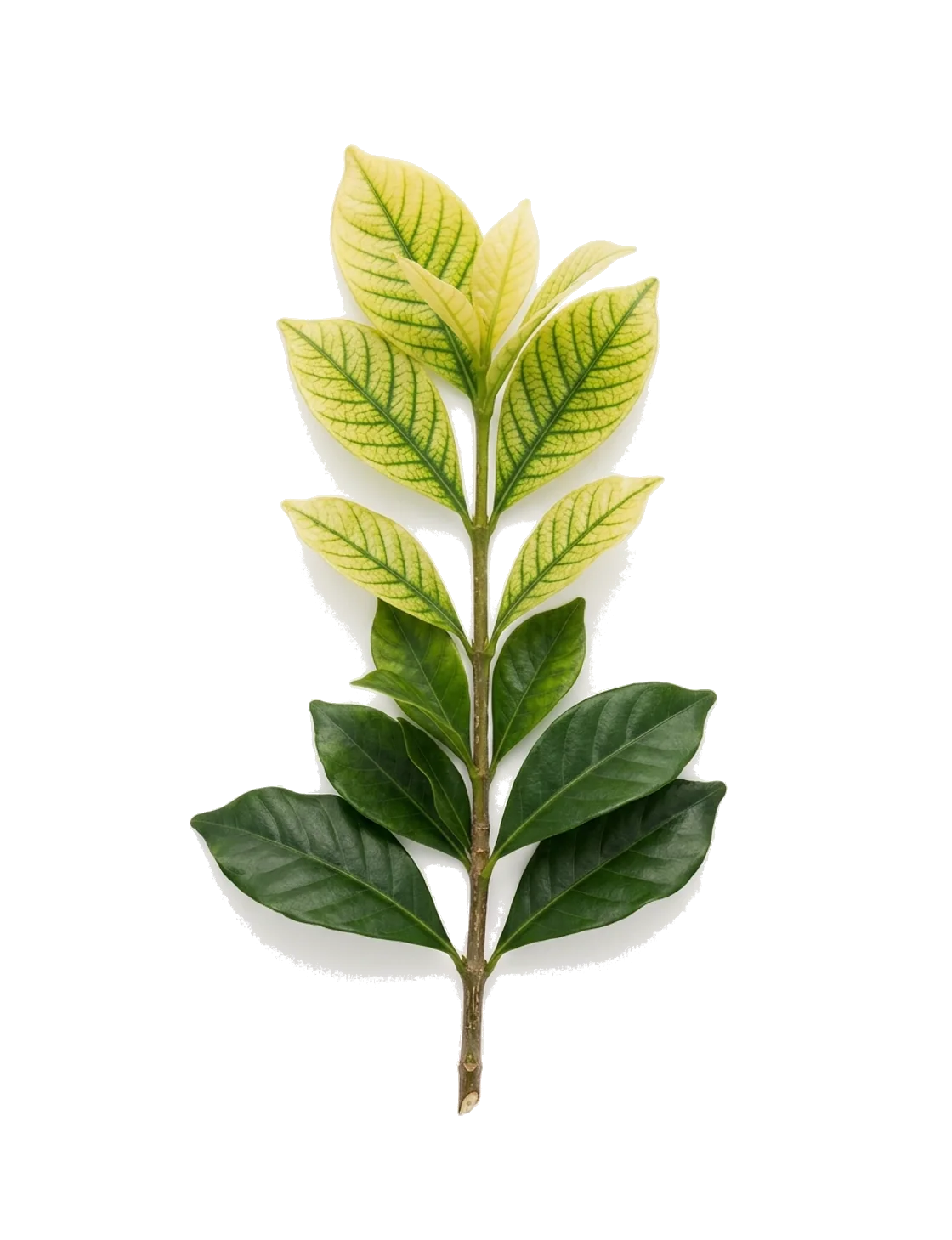
- Iron chlorosis
- Root rot
- Aphids
- Mealybugs and scale
- Cold damage




Frequently asked questions What people ask most.
Why is my lemon tree dropping its leaves?
Leaf drop is most commonly caused by overwatering, sudden temperature drops, or low indoor light levels. Allow the soil to dry out between waterings and avoid exposing the plant to cold drafts.
Why are the leaves turning yellow with dark green veins?
This pattern is a clear sign of iron chlorosis, which often occurs in alkaline soils or tap water with high mineral content. Apply a chelated iron drench to restore normal chlorophyll production and correct yellowing.
Can I grow a lemon tree indoors year-round?
It is possible only if placed directly in front of an unobstructed south-facing window that receives several hours of direct sun daily. Keep it away from heating radiators, as dry indoor heat can stress foliage and attract spider mites.
How do I know when lemons are ready to harvest?
Lemons are ready when they develop an even, deep yellow skin and yield slightly to gentle thumb pressure. Clip them off using clean pruning shears flush with the stem to protect both the branch and the fruit.