Mandarin
Citrus reticulata
Mandarin tree care at home: plenty of sun, regular watering, frost shelter and balanced feeding for sweet, abundant, easy-to-peel fruit each season.
- Light
- 6 hof direct sun
- Temperature
- 18–28 °Cideal temperature
- Toxicity
- Non-toxic
- Difficulty
- Medium
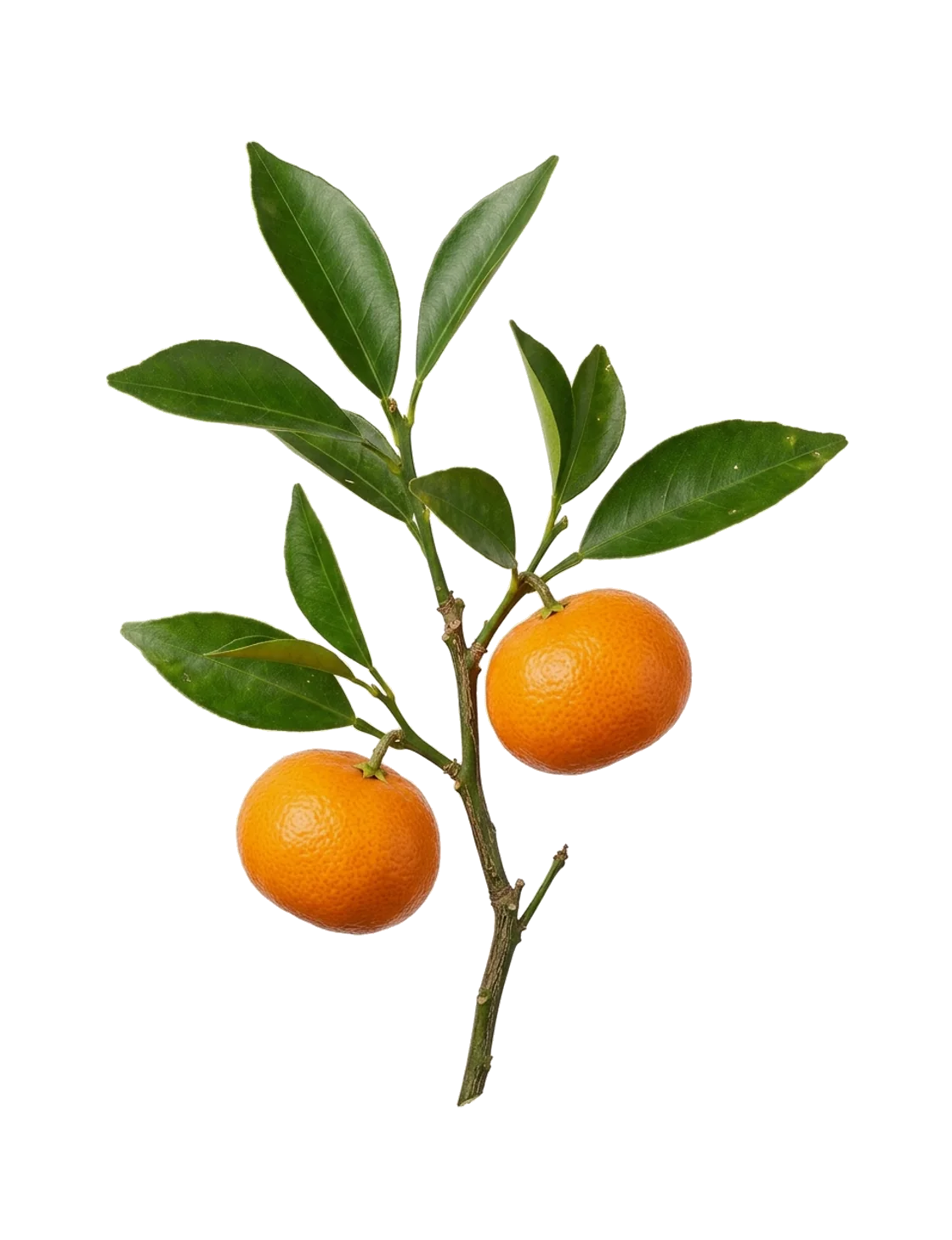
The mandarin (Citrus reticulata) is a small evergreen fruit tree in the rue family, native to Southeast Asia, between southern China and Vietnam. It has glossy leaves, intensely fragrant white blossom, and the familiar easy-peel fruit that ripens from autumn into winter. Among citrus trees it stands out for its relatively compact size and its sweeter, more aromatic fruit.
It loves sun and warmth but tolerates cool weather better than most citrus once adult, handling brief light frosts. In cold climates it thrives in a large pot that can move to a bright, frost-free spot for winter. Good drainage is essential, since its roots suffer quickly in soggy soil.
Mandarins are picked when fully colored and slightly soft, and they keep well in a cool place for weeks. The tree flowers in spring and the fruit slowly sweetens through autumn, a cycle that asks for steady watering and regular feeding. With sun, shelter from hard frost, and watchful watering, it is one of the most rewarding citrus trees for a home garden or terrace.
Did you know?Its segments separate cleanly and its skin peels almost by itself, which is why it is the easiest citrus to eat out of hand.
Care. What it needs, point by point.
- Watering
- Water regularly from spring to autumn, letting the surface dry a couple of centimeters between waterings. In pots it needs more frequent watering, always with drainage so the roots never sit in water.
- Light
- 6 h of direct sunIt needs full sun, at least six hours of direct light a day, to sweeten the fruit. In shade the mandarins stay sour and the tree weakens.
- Temperature
- 18–28 °C ideal temperatureIt grows well between 18 and 28 °C and tolerates light frosts down to around -5 °C once established. In cold zones, grow it in a pot to shelter it indoors during hard frosts.
- Soil
- It prefers loose, well-drained, slightly acid or neutral soil. In pots, use a citrus mix with sand or perlite and a pot with large drainage holes.
- Fertilizer
- Feed in spring and early summer with a citrus fertilizer or compost, split into two or three doses. On chalky soils, add iron chelate if the new leaves turn yellow with green veins.
- Pruning
- Prune lightly in spring after the frost risk passes, removing dry, crossing, and inward branches. It needs little else: mandarins fruit on the outer crown and dislike heavy pruning.
- Propagation
- Varieties are multiplied by grafting onto hardy rootstocks that suit the soil and improve cold tolerance. Seed sowing does not preserve the variety and seedlings take many years to bear.
Where it grows. In the wild and in homes.
In the wild it grows in China, in a subtropical climate.
Range: Plants of the World Online, Royal Botanic Gardens, Kew
Is Mandarin toxic to cats and dogs?
The ASPCA doesn't list this species. If your pet has chewed it and seems unwell, call your vet.
Common problems What tends to go wrong.
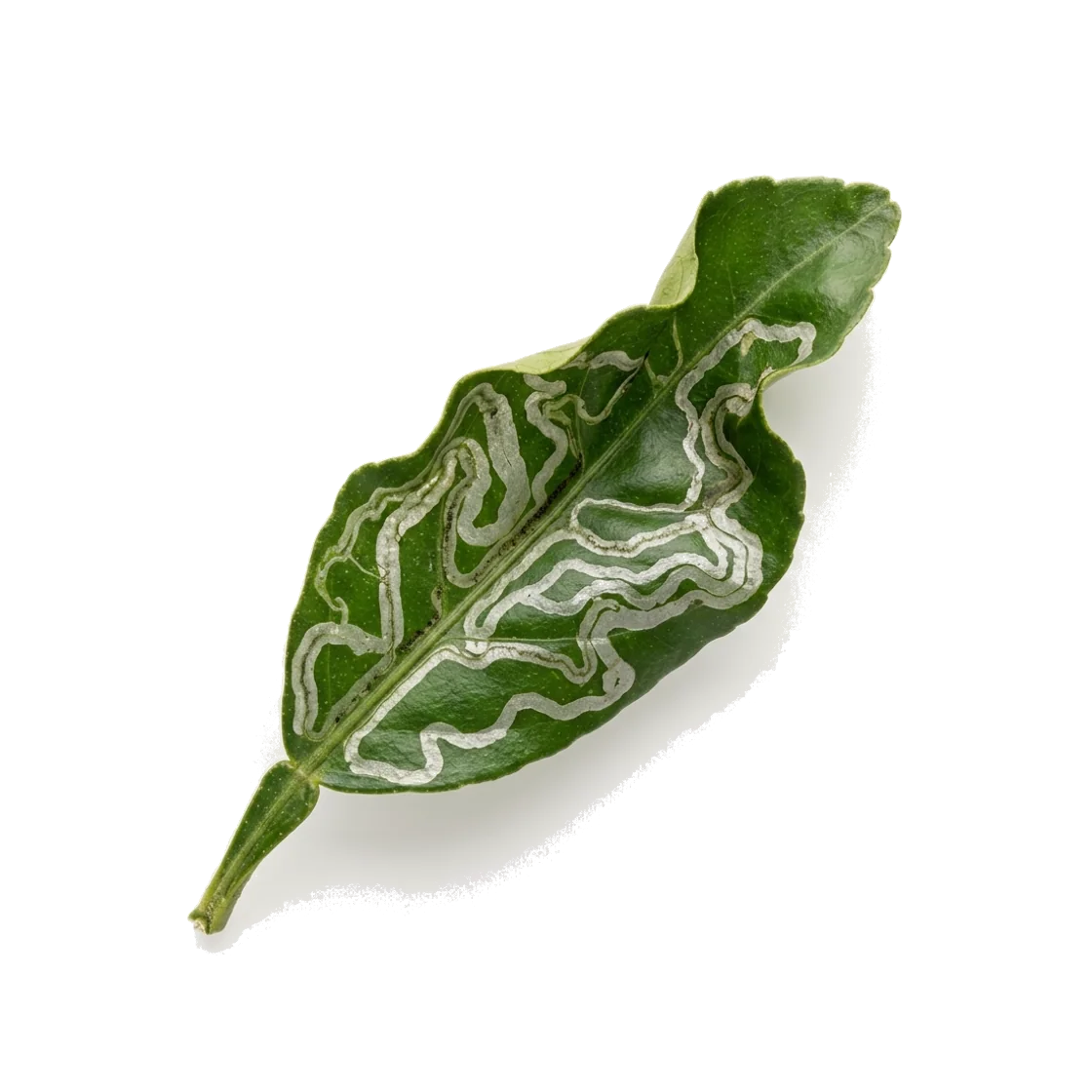
- Leaf miner
- Mealybugs and scale
- Aphids
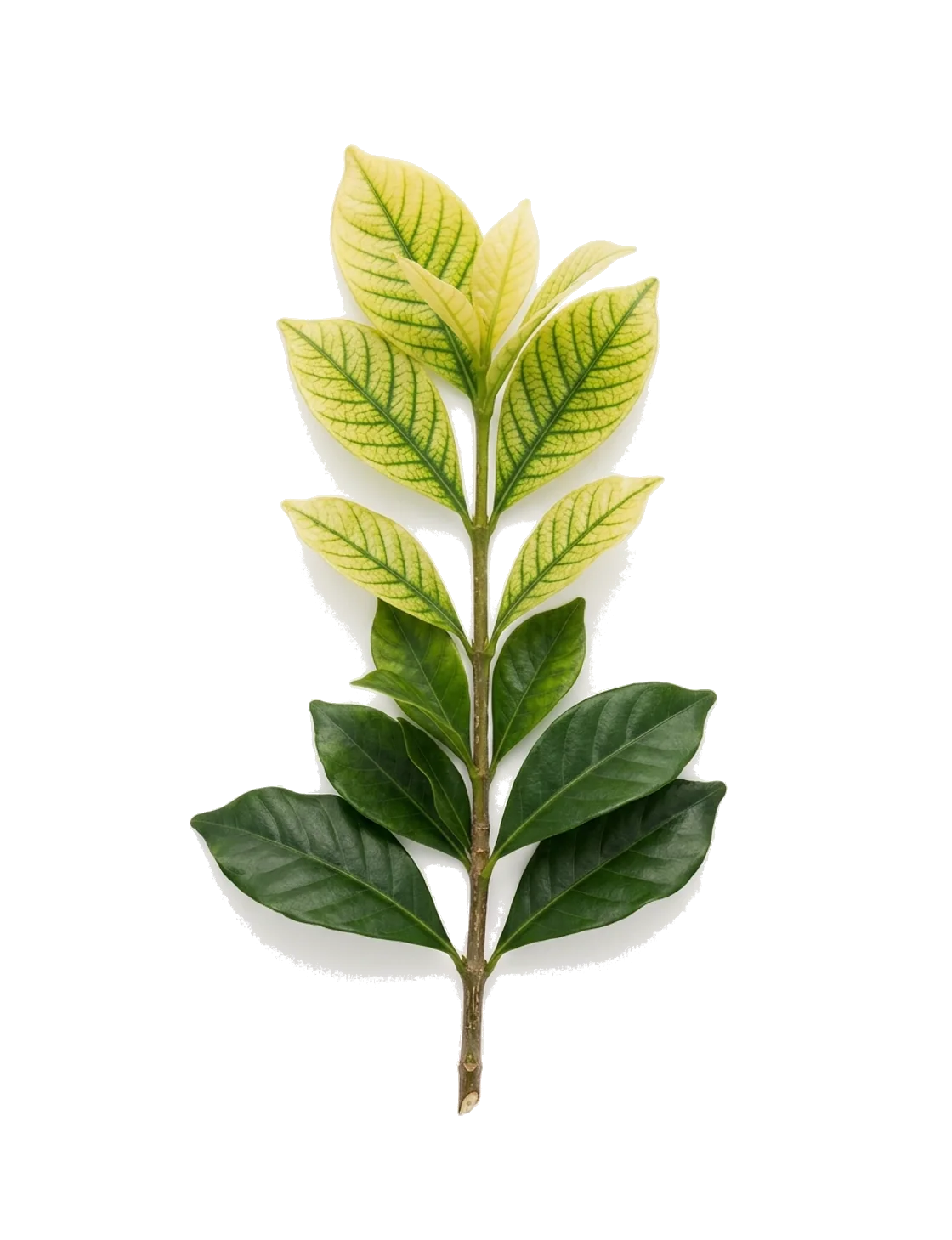
- Iron chlorosis


Frequently asked questions What people ask most.
Why are my mandarins sour?
They were probably picked too early, since mandarins only sweeten on the tree. Lack of sun and overwatering near harvest also leave the fruit bland, so let them color fully before picking.
Why do the leaves turn yellow with green veins?
That pattern is iron chlorosis, typical on chalky soils or with hard irrigation water. Water with soft water when possible and apply iron chelate in spring following the product dose.
How is a mandarin grown in a pot?
Choose a large pot with drainage, citrus substrate, and a sunny, wind-sheltered corner. Water often in small amounts, feed from spring to late summer, and move it under cover when hard frost threatens.
What are those winding trails on the young leaves?
They are galleries of the citrus leafminer, a tiny moth larva that draws silvery tunnels on tender shoots. Remove the worst shoots and protect new flushes; the adult tree tolerates it, but young plants suffer more.