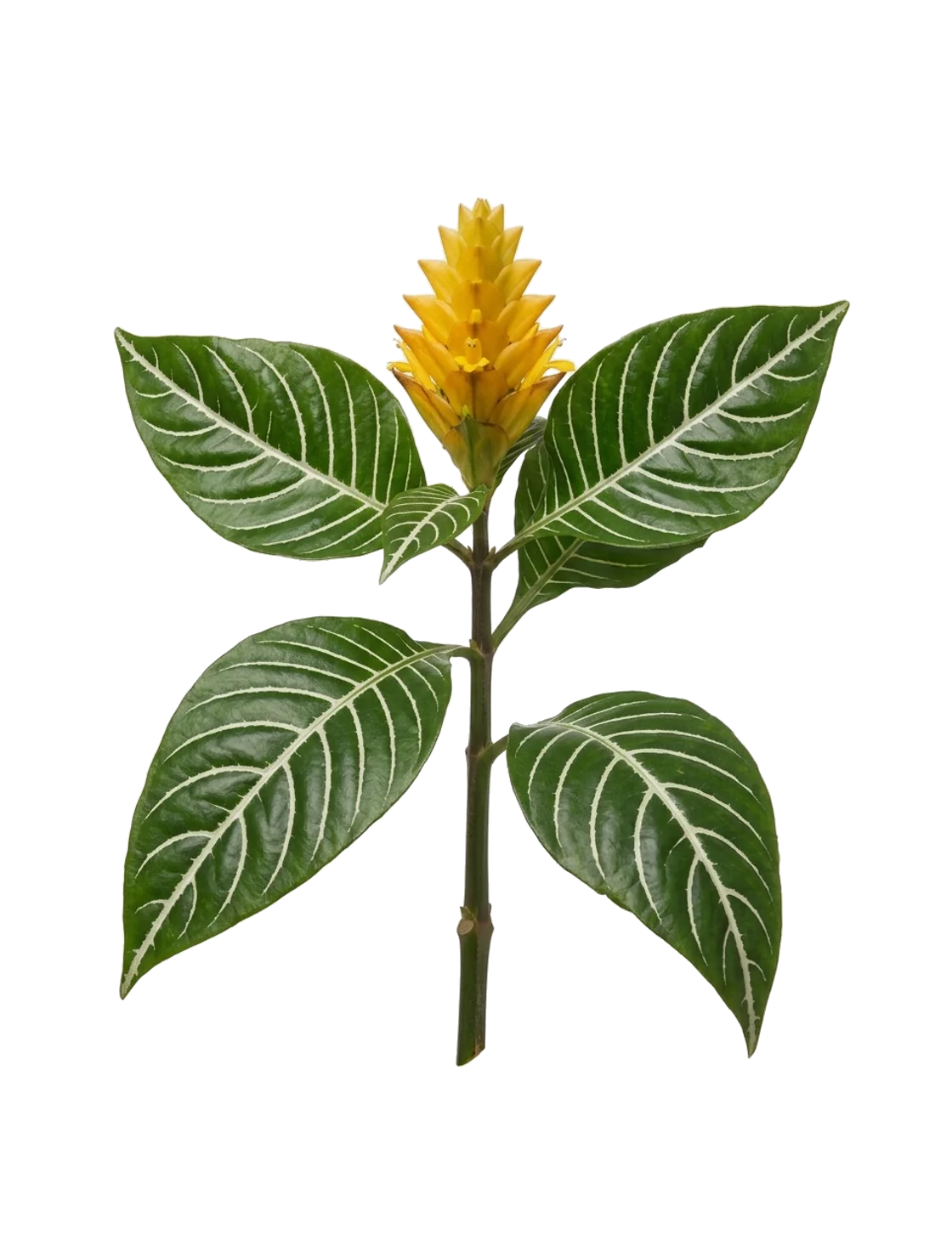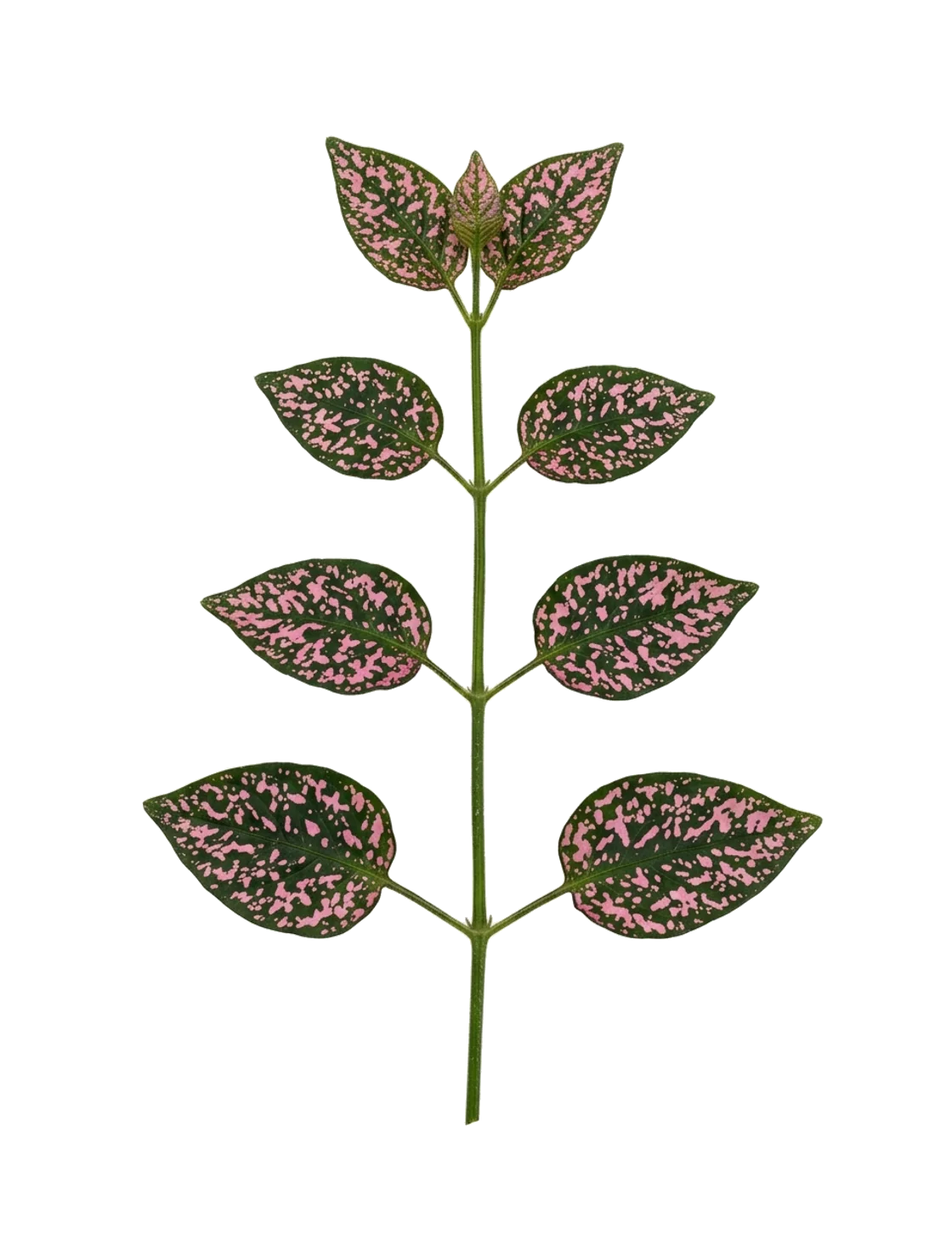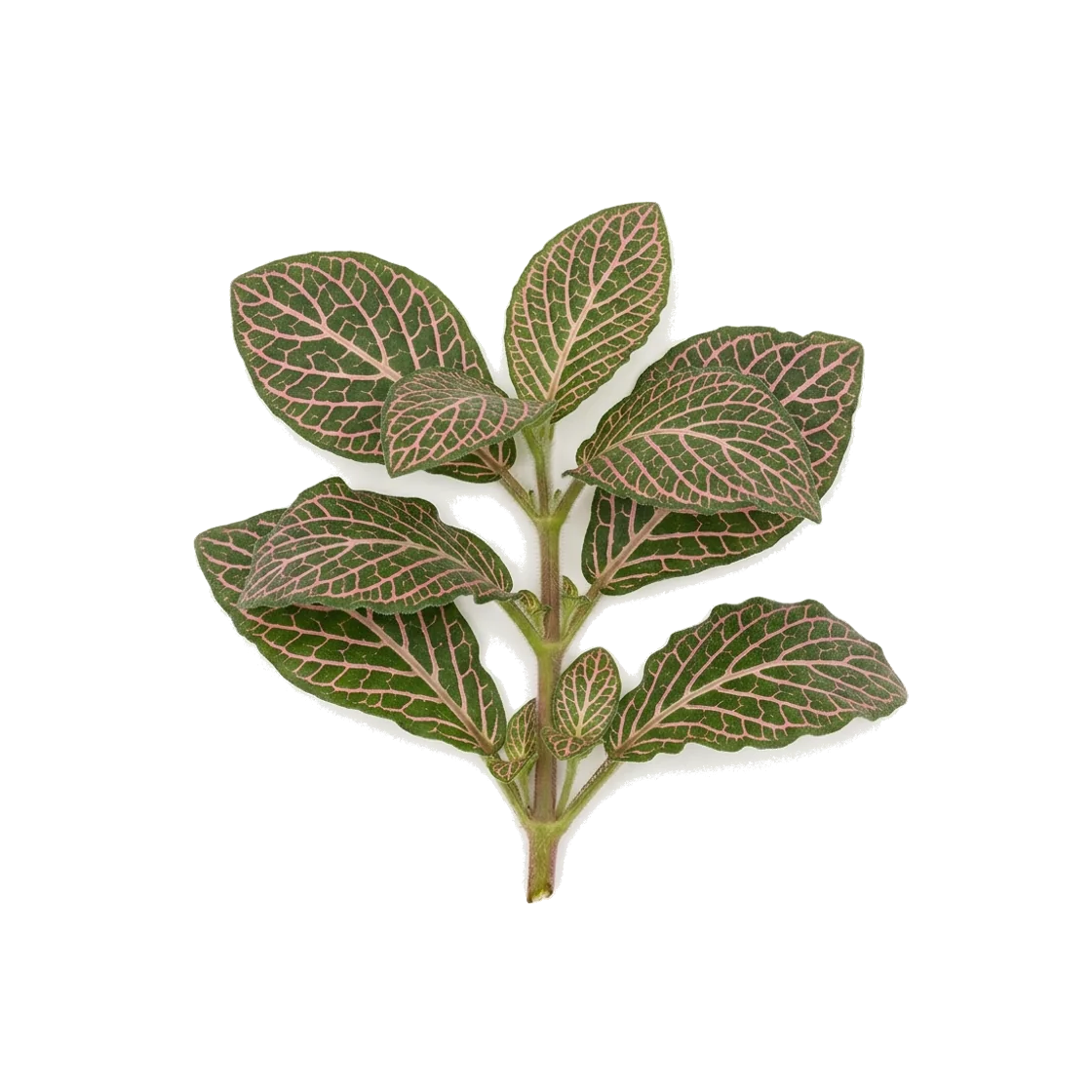
The nerve plant (Fittonia albivenis) is a charming, low-growing evergreen perennial native to the tropical rainforest floor of South America. It is celebrated worldwide for its stunningly ornamental foliage, characterized by deep green leaves intricately patterned with vivid veins of crisp white, bright pink, or rich crimson red.
Thriving beneath the dense tropical forest canopy, this compact species naturally demands warm temperatures and consistently high ambient humidity to maintain soft, supple leaves. Due to its miniature creeping habit and preference for moist environments, it is widely considered one of the very best plants for closed terrariums, bottle gardens, and bright bathrooms.
While it often carries a reputation for being somewhat finicky because of its dramatic fainting spells whenever the potting mix dries out, it is actually wonderfully communicative and resilient. By offering it steady moisture without waterlogging the roots, filtered light, and shelter from cold drafts, you will easily maintain a dense, colorful carpet year-round.
Did you know?It is widely nicknamed the 'drama queen' of houseplants because it dramatically collapses when thirsty, only to bounce back completely within hours of watering.
Care. What it needs, point by point.
- Watering
- 2–3× a weekWater approximately two to three times a week in warm seasons and reduce the frequency in winter, ensuring the top layer of soil never dries out completely. Always discard excess water sitting in the saucer to protect the root system from standing water.
- Light
- IndirectProvide medium to bright indirect sunlight to preserve the intense coloration of its patterned veins. Keep it away from direct sun exposure, which quickly scorches and crisps the delicate leaves.
- Temperature
- 18–26 °C ideal temperatureMaintain comfortable temperatures between 18 °C and 26 °C throughout the year. Protect the plant from cold drafts, air conditioning vents, and temperatures dipping below 15 °C.
- Soil
- Plant in a loose, peat- or coco-coir-based potting mix amended with perlite to retain even moisture while promoting adequate aeration.
- Fertilizer
- Feed once a month during spring and summer with a balanced liquid houseplant fertilizer diluted to half strength.
- Pruning
- Pinch back the growing stem tips regularly to encourage bushy, lateral growth and snip off any small flower spikes to conserve leaf energy.
- Propagation
- Stem cuttings root very readily when taken during the active spring or summer growing season. Simply trim a stem with several leaf nodes and place it in water or moist soil until roots establish.
Where it grows. In the wild and in homes.
In the wild it grows in western South America, Brazil, and northern South America, in a wet tropical climate.
People have also taken it to 5 more regions where it now grows on its own: tropical Asia, South and Central America and the Caribbean, and the Pacific.
Range: Plants of the World Online, Royal Botanic Gardens, Kew
Is Nerve plant toxic to cats and dogs?
Non-toxic to cats and dogs.

Cats
Non-toxic

Dogs
Non-toxic
Source · ASPCA Animal Poison Control
Common problems What tends to go wrong.
- Underwatering
- Overwatering
- Dry air
- Root rot
- Sunburn



Frequently asked questions What people ask most.
Why did my nerve plant suddenly faint and collapse?
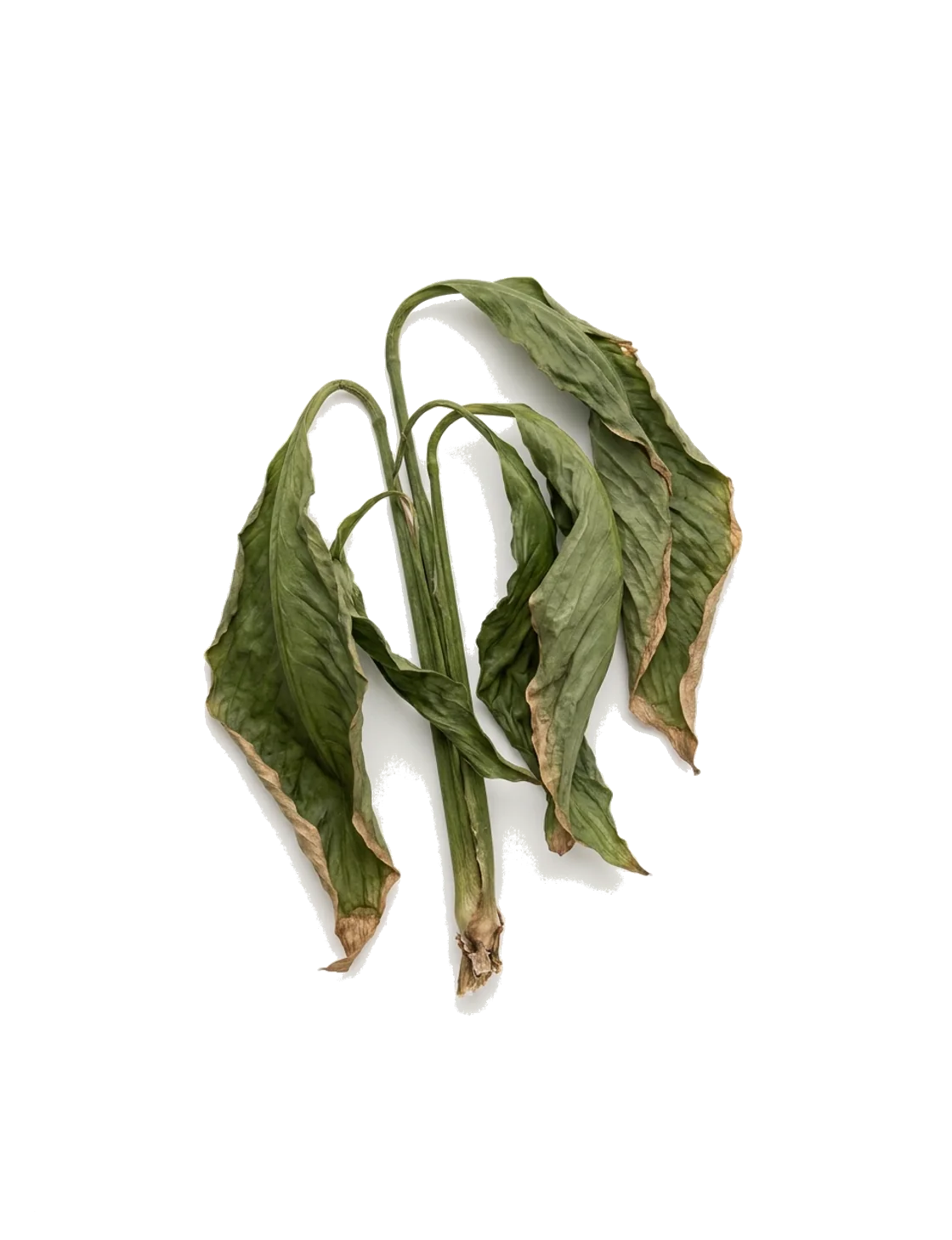
A dramatic wilt is almost always a sign that the potting mix has dried out completely. Water the plant thoroughly from top to bottom, and it should perk back up within a few hours.
Why are the leaf edges turning crispy and brown?
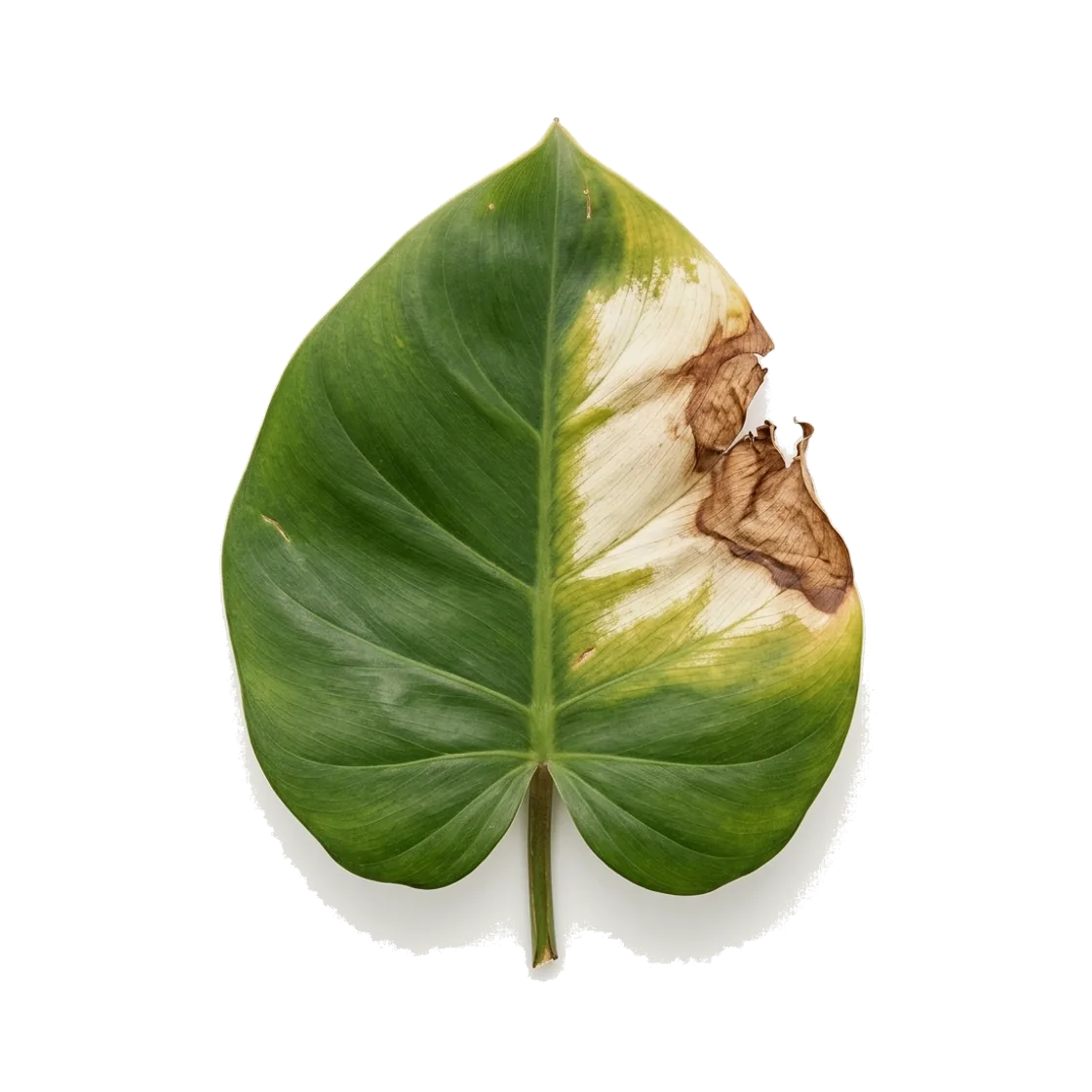
Crispy margins indicate that the indoor air is too dry for this humidity-loving rainforest plant. Group your plants together, run a room humidifier, or move the plant into a glass terrarium.
Why are the colorful leaf veins fading or losing contrast?
Insufficient lighting causes the plant to produce more chlorophyll, turning the leaves predominantly green and muting the veining. Shift it closer to an east-facing window or under gentle indirect light.
Why are the lower leaves turning yellow and falling off?
Yellowing lower leaves typically point to overwatering or poorly draining soil that suffocates the roots. Allow the top centimeter of soil to breathe slightly before watering again and check pot drainage.