Olive tree
Olea europaea
Discover practical care tips for the olive tree (Olea europaea): sunlight demands, sparse watering routines, soil drainage, and pruning advice.
- Light
- 6 hof direct sun
- Watering
- 7–10days between waterings
- Temperature
- 15–30 °Cideal temperature
- Toxicity
- Non-toxic
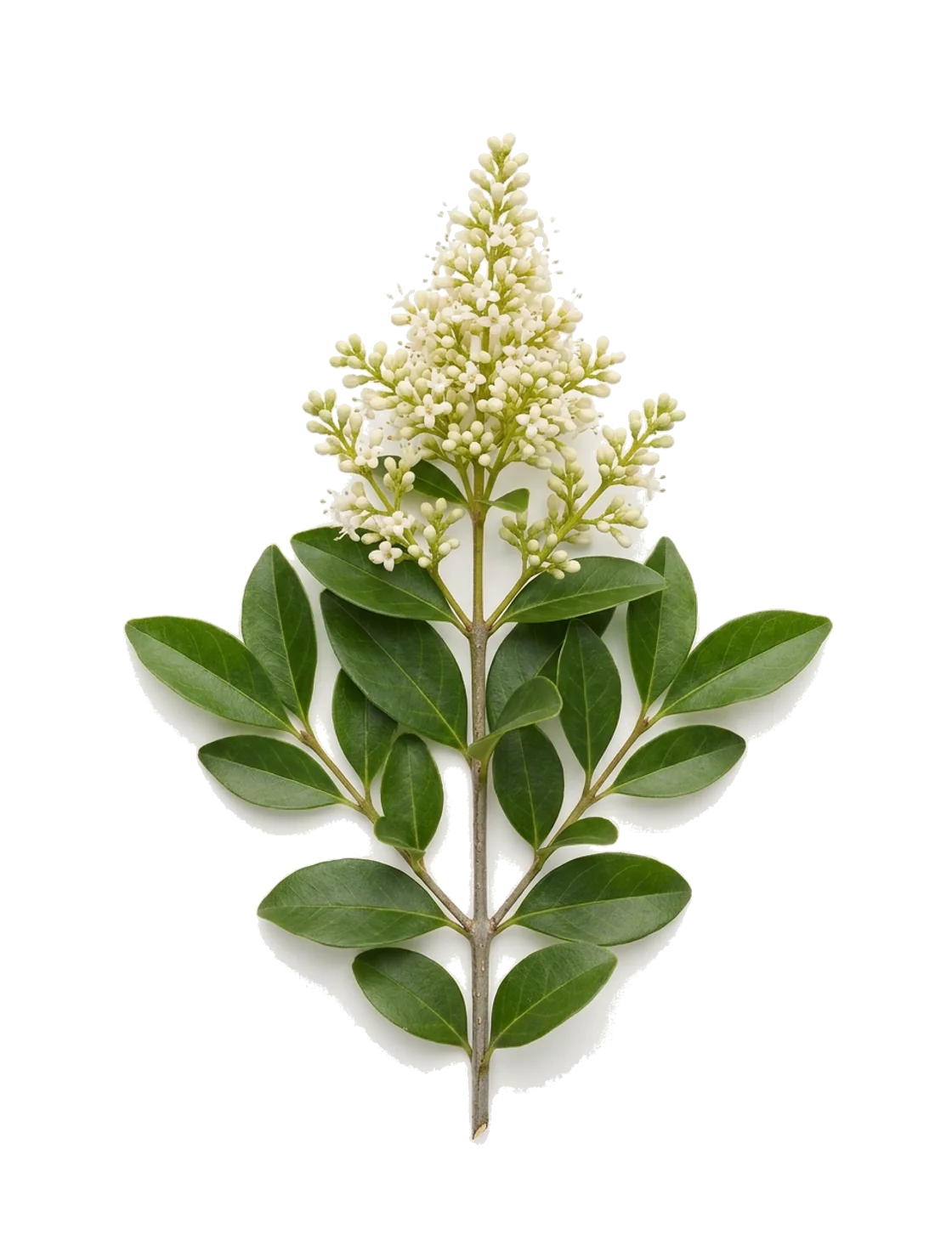
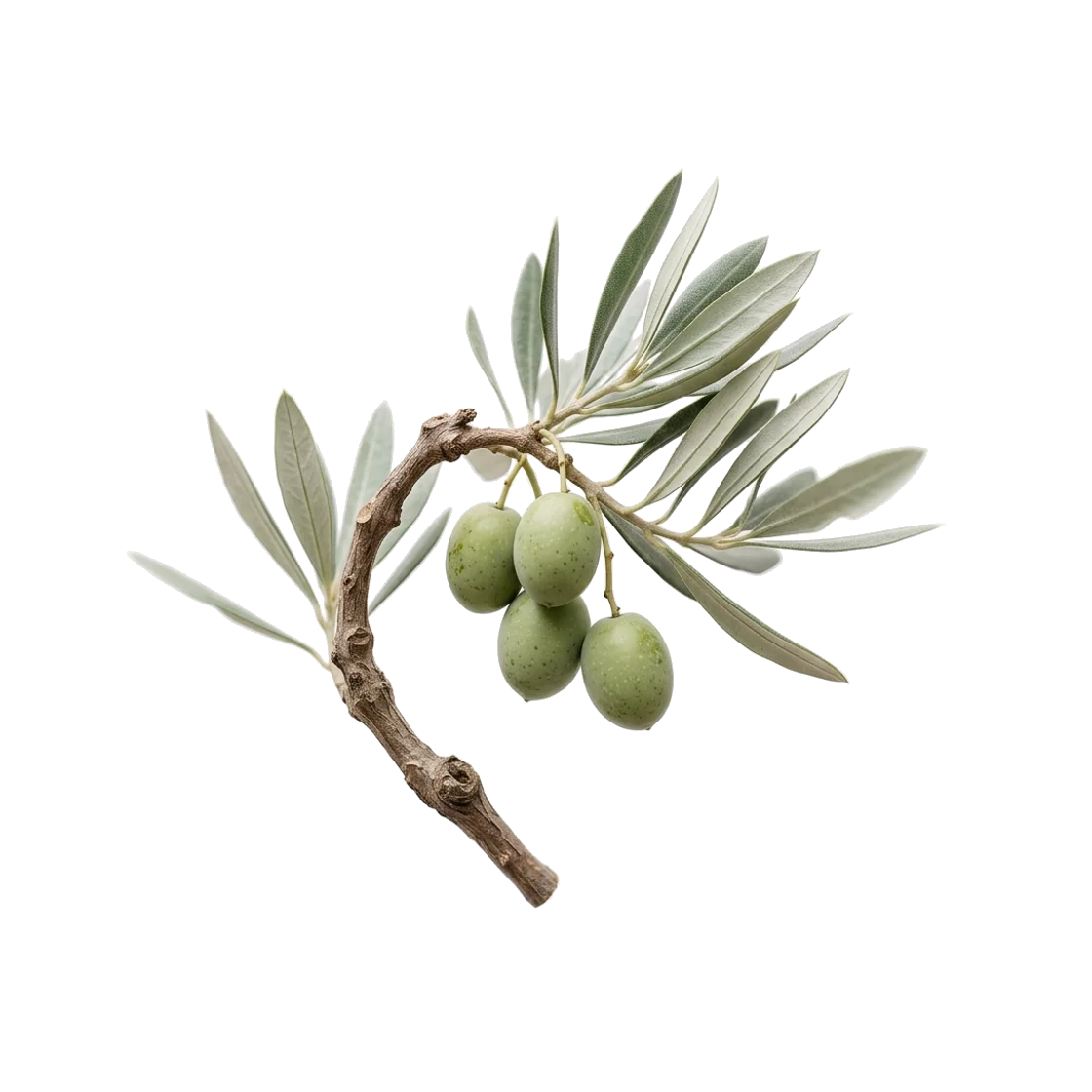
The olive tree (Olea europaea) is an iconic evergreen native to the Mediterranean basin, admired worldwide for its gnarled woody trunk and narrow, silver-green leaves. It is an exceptionally long-lived and resilient species, thriving outdoors in garden soil, as a container specimen on patios, or in very bright, sunny indoor spaces.
Renowned for its hardiness, the olive tree exhibits remarkable drought resistance once established and performs best in lean, well-aerated substrates. It craves all-day sunshine, which encourages compact branching, sturdy growth, and its picturesque architectural form. In late spring, small clusters of fragrant, creamy-white blossoms appear, eventually developing into olives under favorable conditions.
The most frequent pitfalls in olive tree care are persistent overwatering and insufficient light exposure. Provided you let the growing medium dry thoroughly between deep waterings and ensure ample airflow alongside strong sunlight, this venerable tree remains remarkably low-maintenance and brings timeless Mediterranean character to any setting.
Did you know?Olive trees can live for thousands of years because their root system and trunk possess an extraordinary ability to regenerate continuously. Their silvery leaf undersides reflect sunlight to conserve precious moisture in arid climates.
Care. What it needs, point by point.
- Watering
- 7–10 days between wateringsWater thoroughly only after the root zone and potting mix have dried out completely from top to bottom. In containers during warm weather, watering once every seven to ten days is generally sufficient, extending to every two or three weeks in winter. Always verify dryness by inserting a wooden skewer deep into the soil before watering.
- Light
- 6 h of direct sunProvide full sun with at least six hours of direct sunlight each day to maintain dense foliage and vigorous growth. When kept indoors, place the tree right beside your brightest south- or west-facing window.
- Temperature
- 15–30 °C ideal temperatureIt thrives best in temperatures between 15 and 30 °C, easily enduring extreme summer heat. Mature specimens can tolerate brief cold snaps down to -7 °C in dry soil, though potted trees should be protected from prolonged winter freezes.
- Soil
- Plant in a gritty, free-draining potting mix composed of quality potting soil amended with pumice, coarse sand, or perlite. Avoid dense or clay-heavy soils that trap moisture around the root system.
- Fertilizer
- Feed with a balanced fertilizer formulated for Mediterranean plants or a slow-release organic mix from early spring to late summer. Stop fertilizing during autumn and winter to allow the tree to enter natural dormancy.
- Pruning
- Prune lightly in late winter to open up the canopy center and improve interior air circulation and light penetration. Remove dead wood, crossing branches, and any vigorous suckers sprouting from the base of the trunk.
- Propagation
- Propagate by taking semi-hardwood cuttings in early summer and dipping them in rooting hormone before planting in a gritty medium. It can also be propagated from hardwood cuttings or rooted basal suckers in early spring.
Where it grows. In the wild and in homes.
In the wild it grows in Africa, Europe, temperate Asia, and tropical Asia, in a subtropical climate.
People have also taken it to 22 more regions where it now grows on its own: temperate Asia, Africa, Europe, and the Pacific.
The Florami community has photographed it in España.
Range: Plants of the World Online, Royal Botanic Gardens, Kew
Is Olive tree toxic to cats and dogs?
The ASPCA doesn't list this species. If your pet has chewed it and seems unwell, call your vet.
Common problems What tends to go wrong.
- Root rot
- Mealybugs and scale
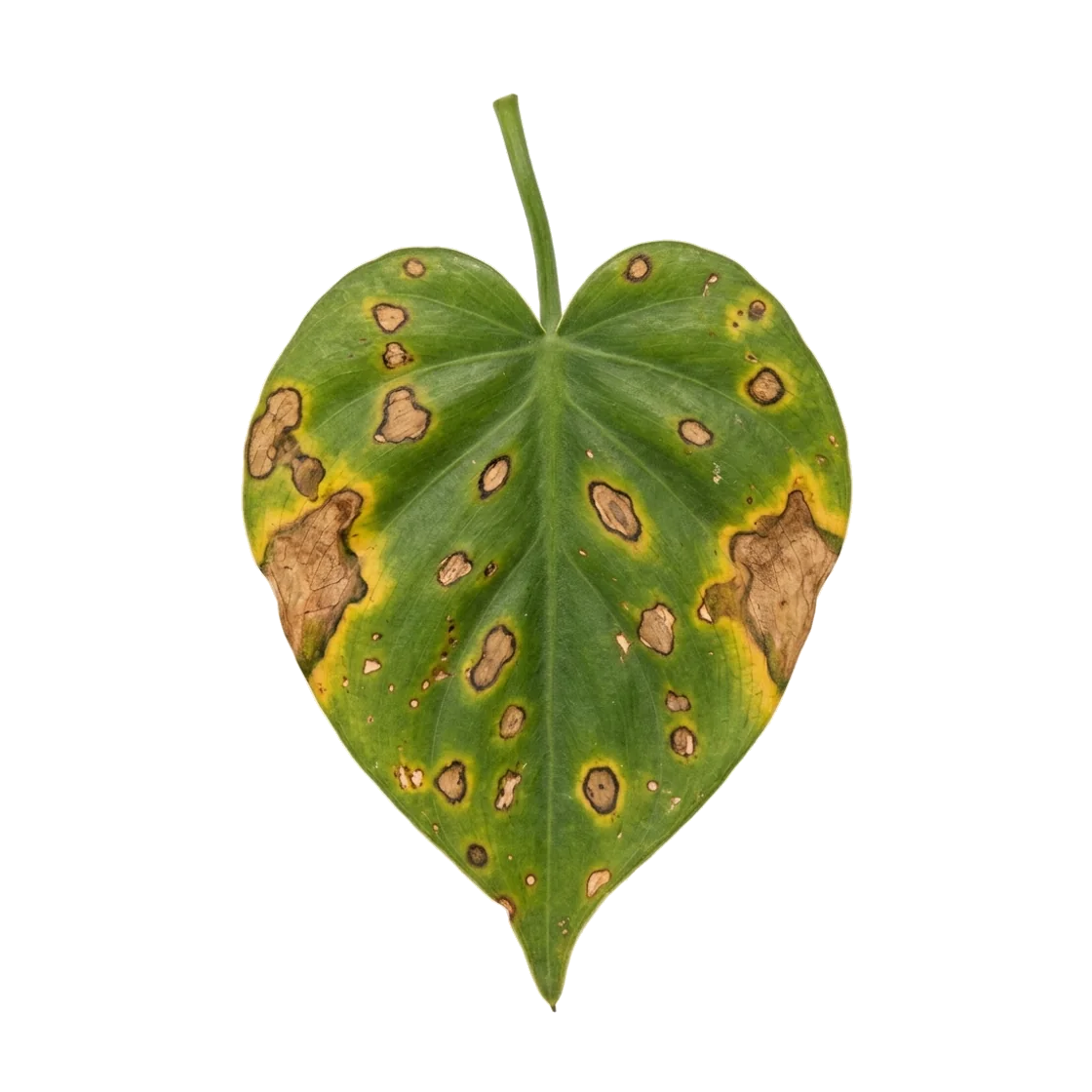
- Fungal or bacterial leaf spots
- Too little light
- Overwatering




Frequently asked questions What people ask most.
Why is my olive tree dropping leaves?
Leaf drop is most frequently caused by inadequate light or soggy, waterlogged soil that damages the roots. Indoors, low light combined with poor air circulation will cause the plant to shed foliage rapidly to conserve energy. Move the tree to a sunny location and let the soil dry out thoroughly between waterings.
How often should I water a potted olive tree?
Check the moisture depth with a wooden dowel; water only when the substrate is completely dry to the bottom. During summer, this typically means soaking the container once a week, while in winter once every two to three weeks is plenty. Always empty excess runoff from drainage saucers immediately.
Can an olive tree grow indoors successfully?
Yes, but only if it receives extensive direct sunlight from an unobstructed south-facing window. Ensure good ventilation and keep the plant away from central heating vents, which can dry out the canopy and promote pest infestations.
Why are the leaves turning yellow?
Occasional yellowing on the oldest inner leaves is simply part of the natural leaf shedding cycle. However, widespread yellow foliage usually indicates poor drainage or overwatering, so inspect the roots and reduce watering frequency.