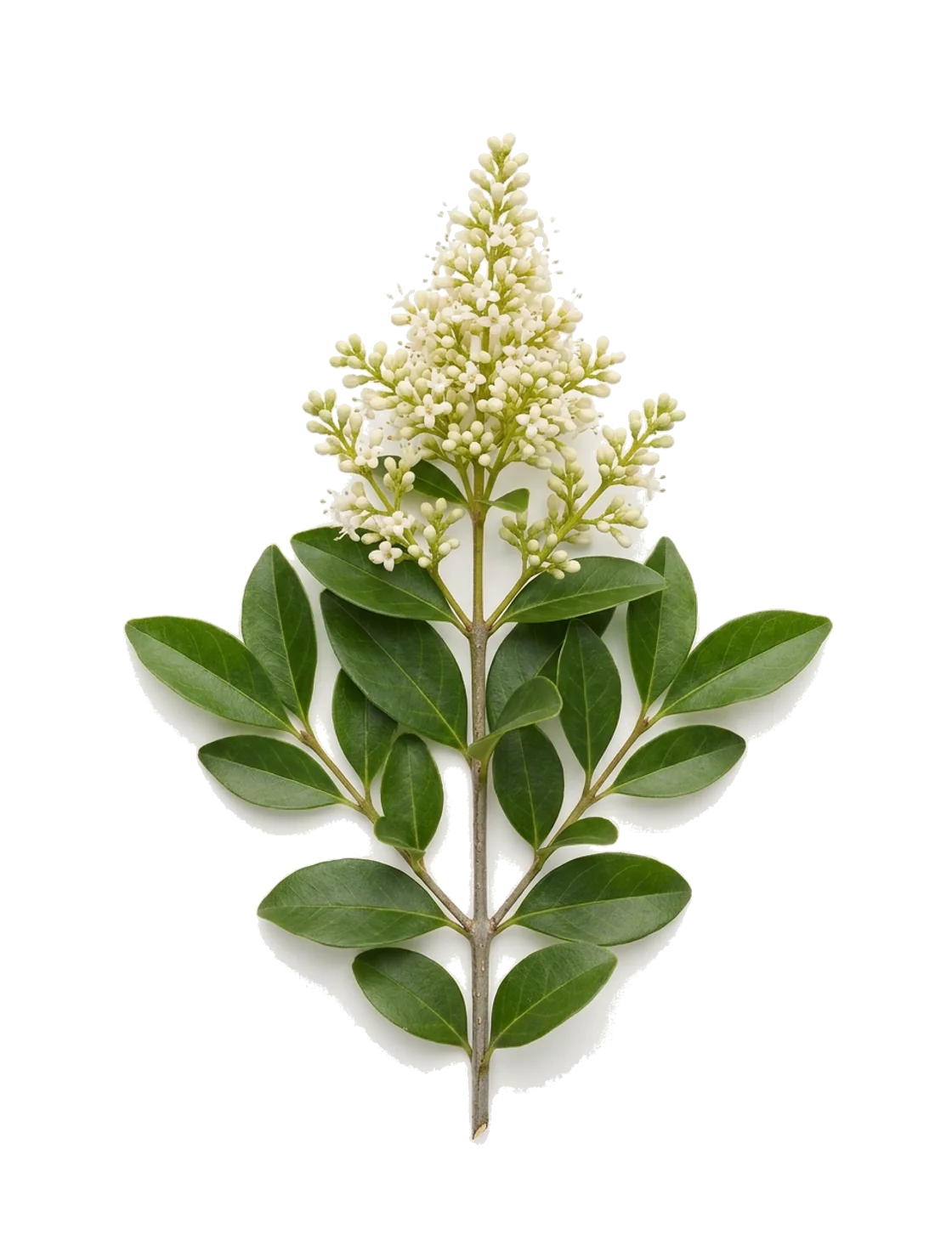
Japanese privet (Ligustrum japonicum) is a sturdy evergreen shrub or small tree widely used for hedges in city and coastal gardens. Native to Japan and Korea, it carries thick glossy leaves that withstand wind, drought and pollution better than most hedging plants. It usually grows two to four metres tall, though free-standing specimens can become small trees.
In early summer it produces large panicles of small white flowers with a strong sweet scent that fills the whole garden. The blossom is followed by bunches of round black berries that ripen in autumn and persist into winter. The dense canopy gives reliable privacy all year and clips into crisp formal shapes.
It is one of the toughest hedging plants for beginners: it accepts sun or partial shade, poor soils and regular clipping. Its only real demands are good drainage and enough space for air to move through the hedge. With a yearly trim and a spring mulch, a Japanese privet hedge stays green, dense and tidy for decades.
Did you know?Its clusters of black berries feed winter birds, and a neglected hedge can be cut back almost to the stump and still resprout.
Care. What it needs, point by point.
- Watering
- Water deeply during the first year, letting the surface dry between waterings. Established plants withstand drought, and in normal soils rainfall plus occasional summer watering is enough.
- Light
- Full sunIt grows in full sun and in partial shade, though flowering and fruiting are best with good light. Deep shade is tolerated but thins the canopy.
- Temperature
- 15–26 °C ideal temperatureIt grows well between 15 and 26 °C and tolerates frosts down to about -12 °C once established. Prolonged freezes below that can brown the leaf margins, but the plant reshoots in spring.
- Soil
- It accepts almost any well-drained soil, including chalky and poor ground. Only permanently waterlogged soil causes it real trouble.
- Fertilizer
- Top-dress with compost in spring; established hedges rarely need more. In pots, add a balanced fertilizer in spring and repeat lightly in midsummer.
- Pruning
- Trim hedges after the early-summer flowering if you want to keep the blossom, or at any time for a purely green screen. It resprouts from old wood, so neglected hedges can be renovated with a hard late-winter cut.
- Propagation
- Semi-ripe cuttings taken in late summer root easily in a sheltered, humid spot. Hardwood cuttings in winter also work and need almost no care.
Where it grows. In the wild and in homes.
In the wild it grows in East Asia and China, in a temperate climate.
People have also taken it to 5 more regions where it now grows on its own: the southeastern U.S., southern Africa, and the northwestern Pacific.
Range: Plants of the World Online, Royal Botanic Gardens, Kew
Is Japanese privet toxic to cats and dogs?
Toxic to cats and dogs.

Cats
Toxic

Dogs
Toxic
Usual signs
Gastrointestinal upset (most common), incoordination, increased heart rate and, rarely, death.
If your pet has chewed it and shows symptoms, call your vet or the nearest emergency vet.
Source · ASPCA Animal Poison Control
Common problems What tends to go wrong.
- Mealybugs and scale
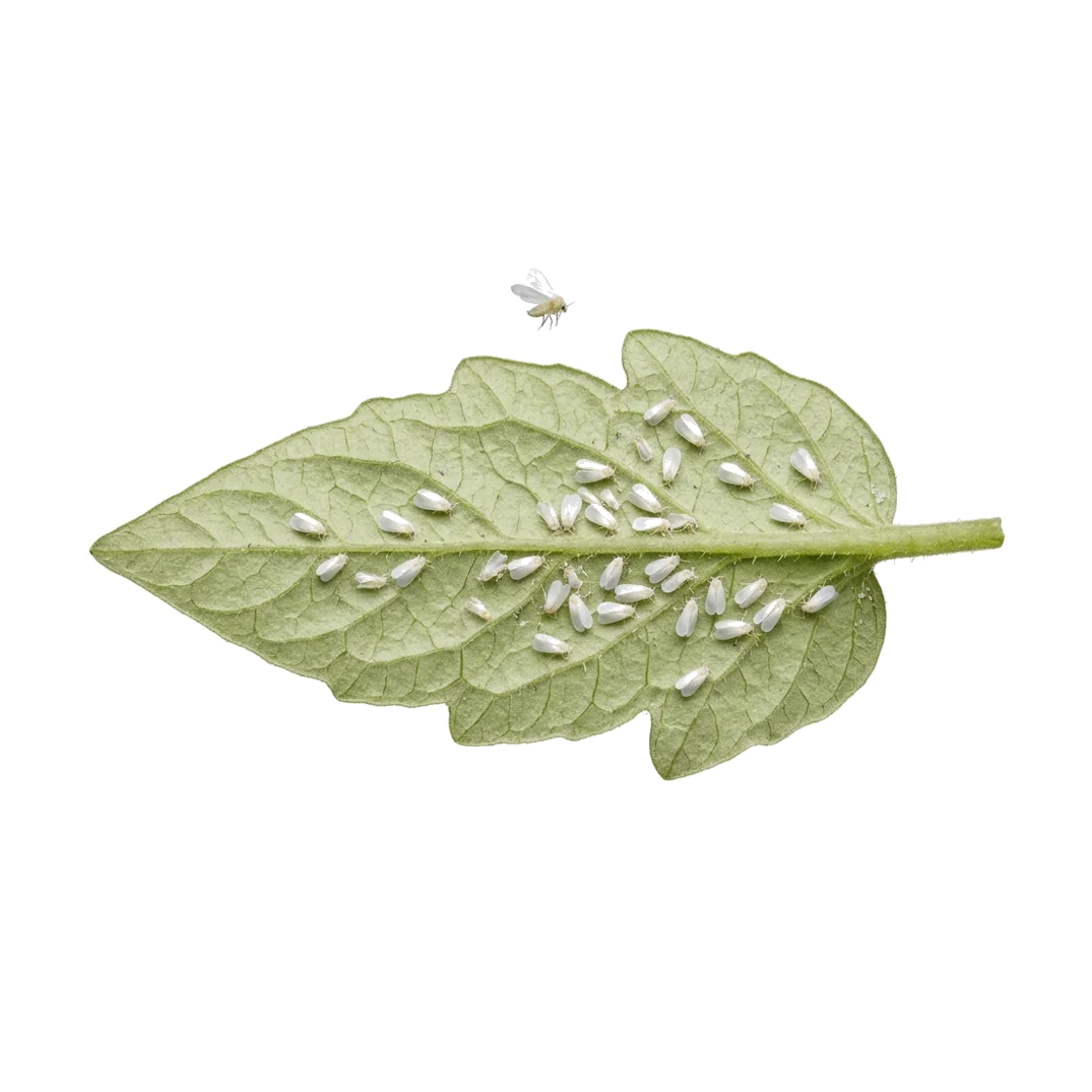
- Whitefly
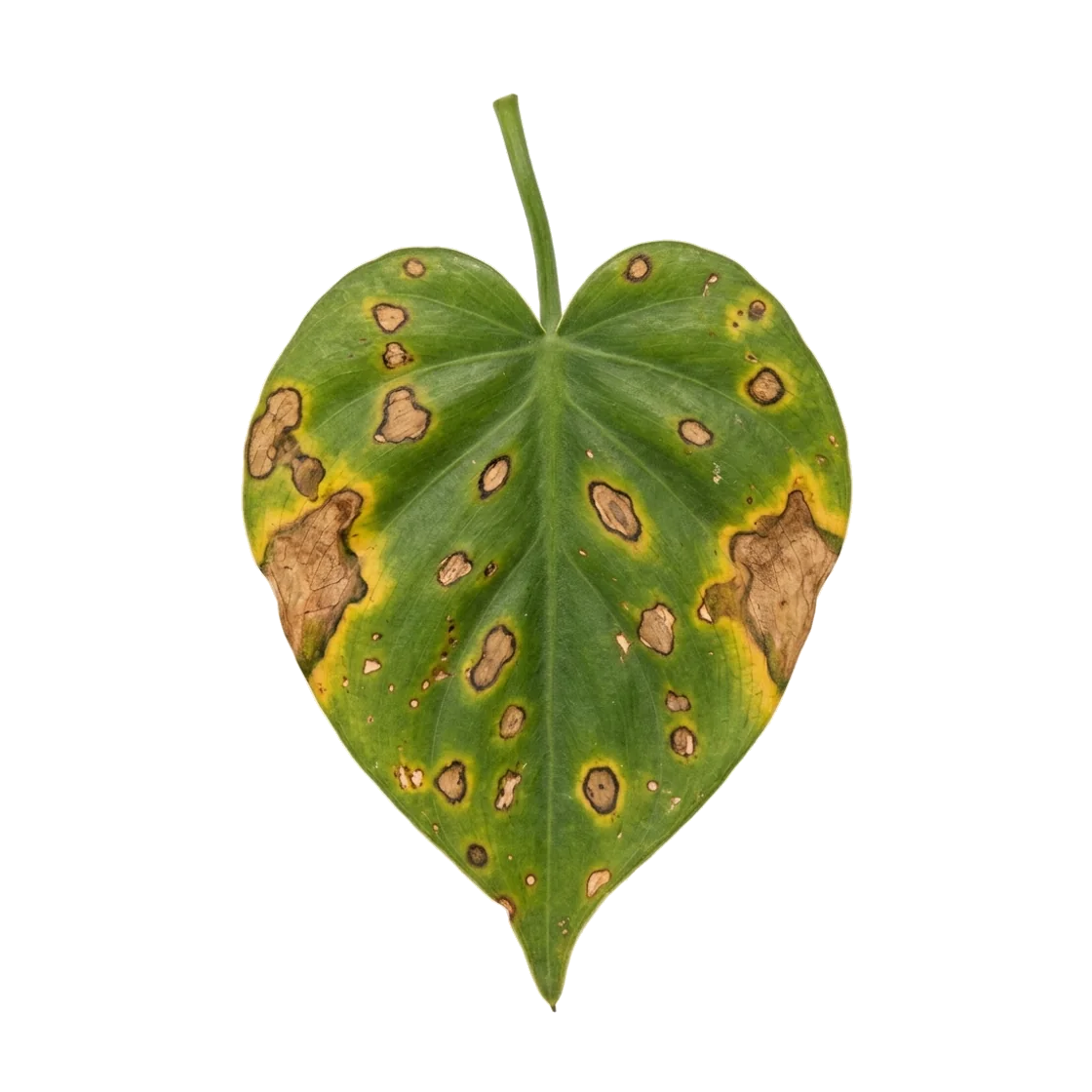
- Fungal or bacterial leaf spots
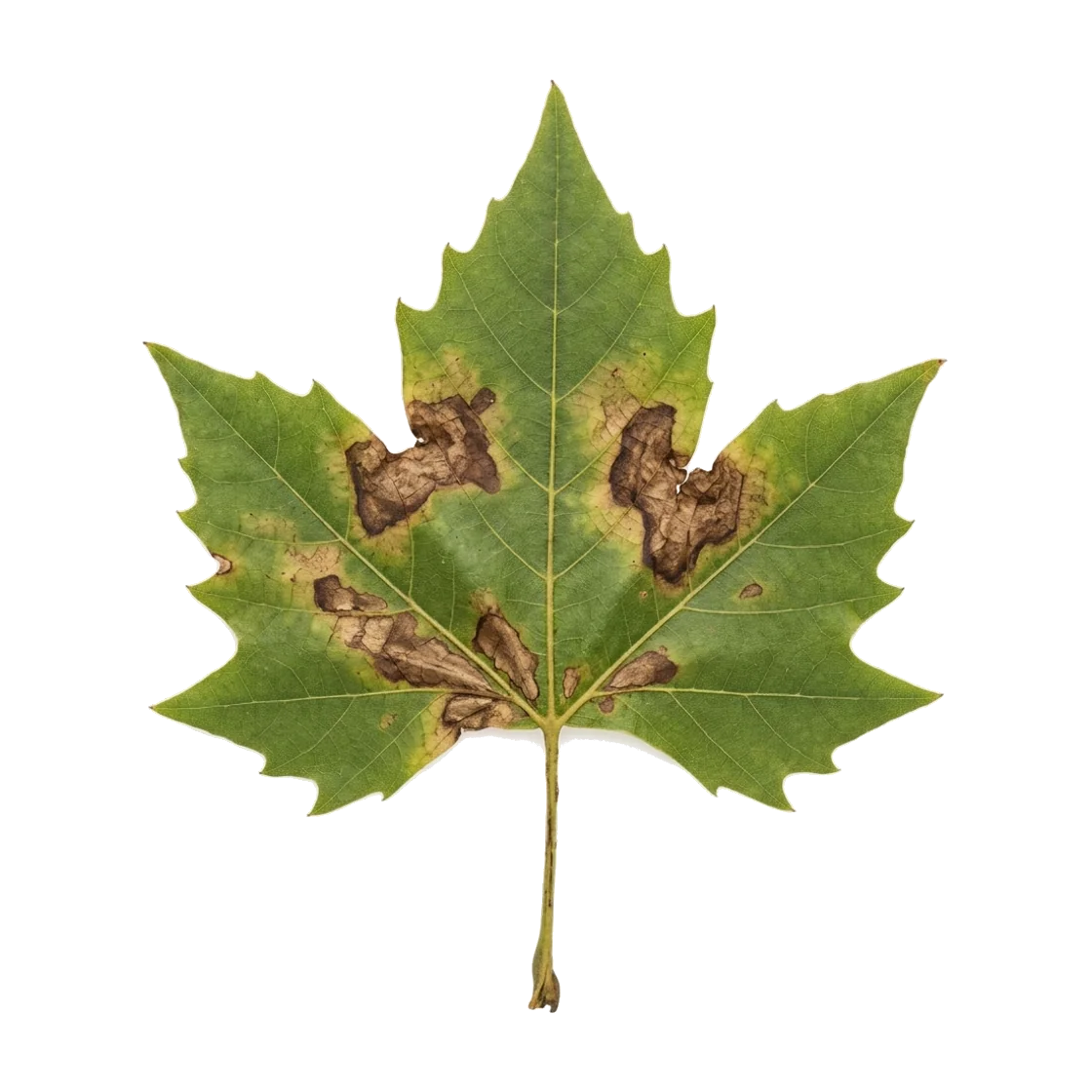
- Anthracnose

Frequently asked questions What people ask most.
Why does my privet hedge have yellow leaves?
Patchy yellowing usually points to waterlogging or an exhausted, compacted soil. Loosen the surface, improve drainage and mulch with compost in spring. If the whole hedge pales at once after heavy rain, let the ground dry thoroughly before watering again.
How often should I water a new hedge?
Soak the root balls deeply once or twice a week during the first year, especially in summer. From the second year on, established privets manage with rainfall and occasional help in heatwaves. A thick mulch reduces watering needs noticeably.
When should I trim a Japanese privet hedge?
For a green screen, trim once or twice between spring and late summer. If you want flowers and berries, cut just after the early-summer blossom finishes. Avoid late-autumn cuts, since soft regrowth is more exposed to winter frost.
Why is my privet not flowering?
Frequent shearing is the usual reason, because the blades remove the flowering shoots before they mature. Leave the hedge uncut from spring onwards if you want blossom. Young plants may also need two or three seasons before flowering well.
Can it be grown in a pot?
Yes, it makes a tough plant for large containers on terraces, clipped as a ball or cone. Use a loamy compost, water when the surface dries and feed in spring. Repot every two or three years so the roots do not fill the whole container.