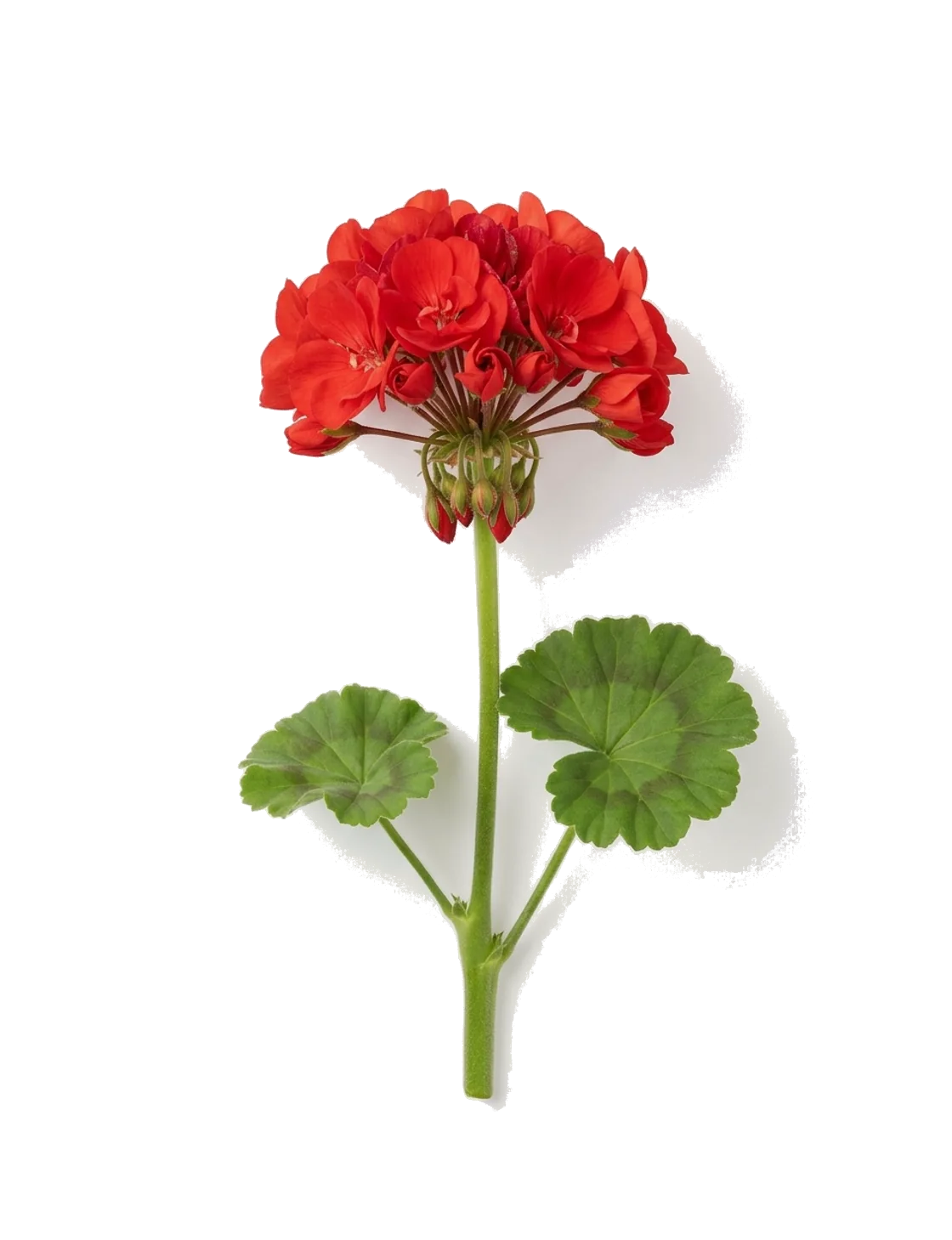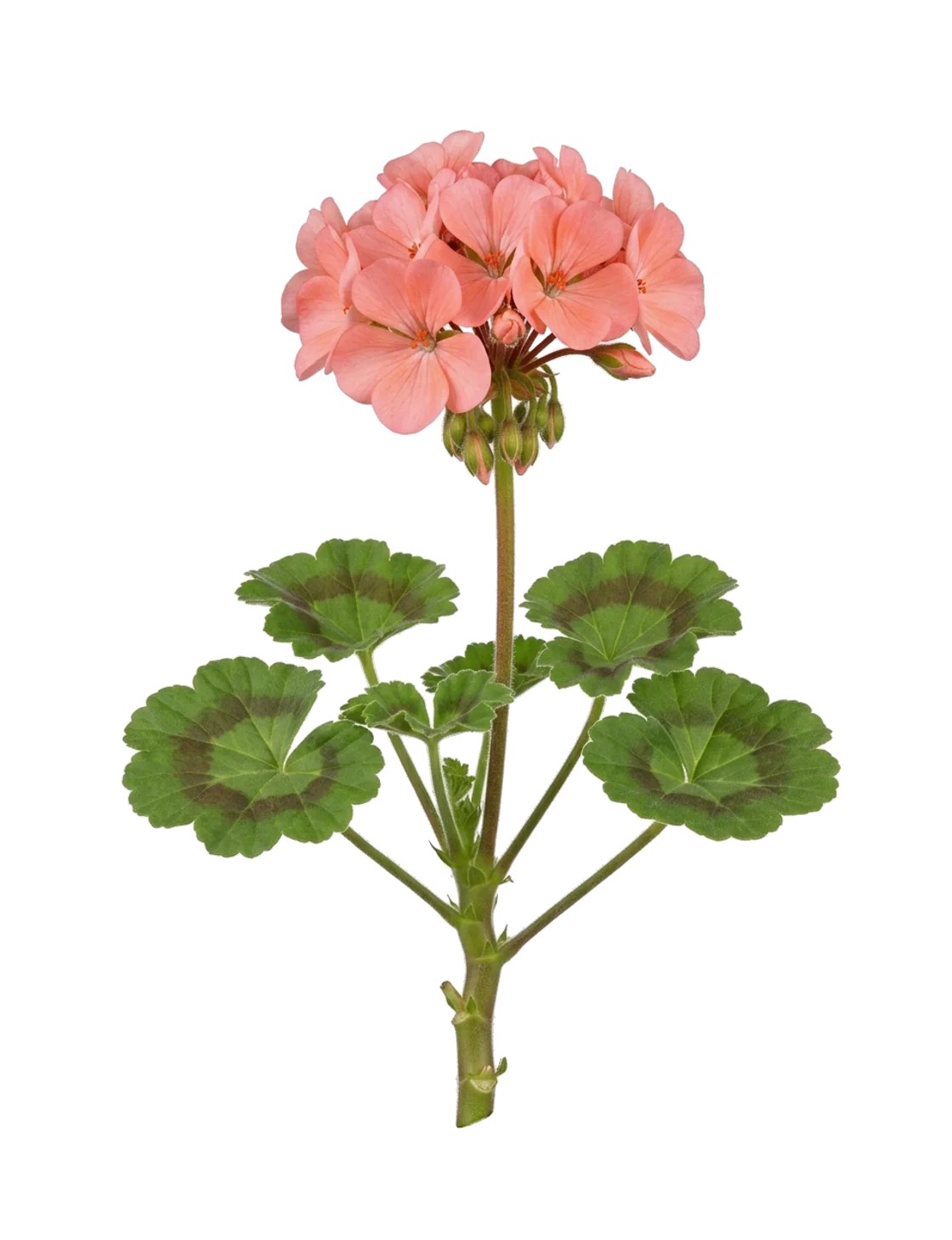
The zonal geranium (Pelargonium zonale) is one of the most iconic flowering plants in balconies, patios, and garden borders worldwide. Native to South Africa, it is easily recognized by its rounded, scalloped leaves marked by a distinctive dark concentric band or horseshoe pattern, which gives the plant its common name.
Throughout the growing season, it yields showy clusters of single or semi-double flowers in vivid shades ranging from brilliant reds and deep pinks to salmon, orange, and crisp white. Provided it receives ample warmth and sunlight, this dependable perennial blooms prolifically from early spring straight through to the first autumn frosts.
Zonal geraniums are remarkably resilient and undemanding, making them ideal for gardeners of all experience levels. While their semi-succulent stems tolerate brief dry spells without harm, they require excellent root aeration and protection from waterlogged soil to thrive. Whether planted in decorative containers or garden beds, they reliably deliver lasting color.
Did you know?Although universally called geraniums, they actually belong to the genus Pelargonium, distinguished from true geraniums by their bilaterally symmetrical flower petals.
Care. What it needs, point by point.
- Watering
- 2–3× a weekWater moderately once the top two inches of soil have completely dried out. During the heat of summer, plants usually need watering two to three times a week, whereas winter care calls for infrequent watering. Check soil moisture with your finger before applying water to prevent soggy roots.
- Light
- Full sunProvide full sun to ensure abundant and continuous flowering throughout the season. In exceptionally hot climates, a bit of light shade during scorching mid-afternoon hours will prevent leaf scorch.
- Temperature
- 15–25 °C ideal temperatureThese plants grow best at temperatures between 15 °C and 25 °C. They cannot survive freezing temperatures below 0 °C and should be moved indoors before the first winter frost.
- Soil
- Use a well-draining potting mix enriched with perlite or coarse sand to facilitate quick drainage. Dense or heavy clay soils should be avoided because they retain too much moisture around the root system.
- Fertilizer
- 2 weeks between feedsFeed with a balanced flowering plant fertilizer every two weeks during spring and summer. Stop feeding entirely in autumn and winter to allow the plant to rest.
- Pruning
- Deadhead spent flower heads and prune yellowing leaves regularly to encourage fresh bud formation. Cut leggy stems back by roughly one-third in late winter to maintain a compact, bushy shape.
- Propagation
- Propagate easily by taking stem cuttings from healthy new growth in late spring or summer. Let the cut stem dry for several hours before inserting it into moist rooting compost.
Where it grows. In the wild and in homes.
In the wild it grows in southern Africa, in a subtropical climate.
People have also taken it to 18 more regions where it now grows on its own: South and Central America and the Caribbean, Africa, tropical Asia, and North America.
Range: Plants of the World Online, Royal Botanic Gardens, Kew
Is Zonal geranium toxic to cats and dogs?
Toxic to cats and dogs.

Cats
Toxic

Dogs
Toxic
Usual signs
Primarily gastrointestinal upset, with potential ataxia, muscle weakness, depression, or hypothermia in larger exposures, cats being most sensitive.
If your pet has chewed it and shows symptoms, call your vet or the nearest emergency vet.
Source · ASPCA Animal Poison Control
Gallery As the community sees it.
Photo · SAplants · CC BY-SA 4.0
Common problems What tends to go wrong.
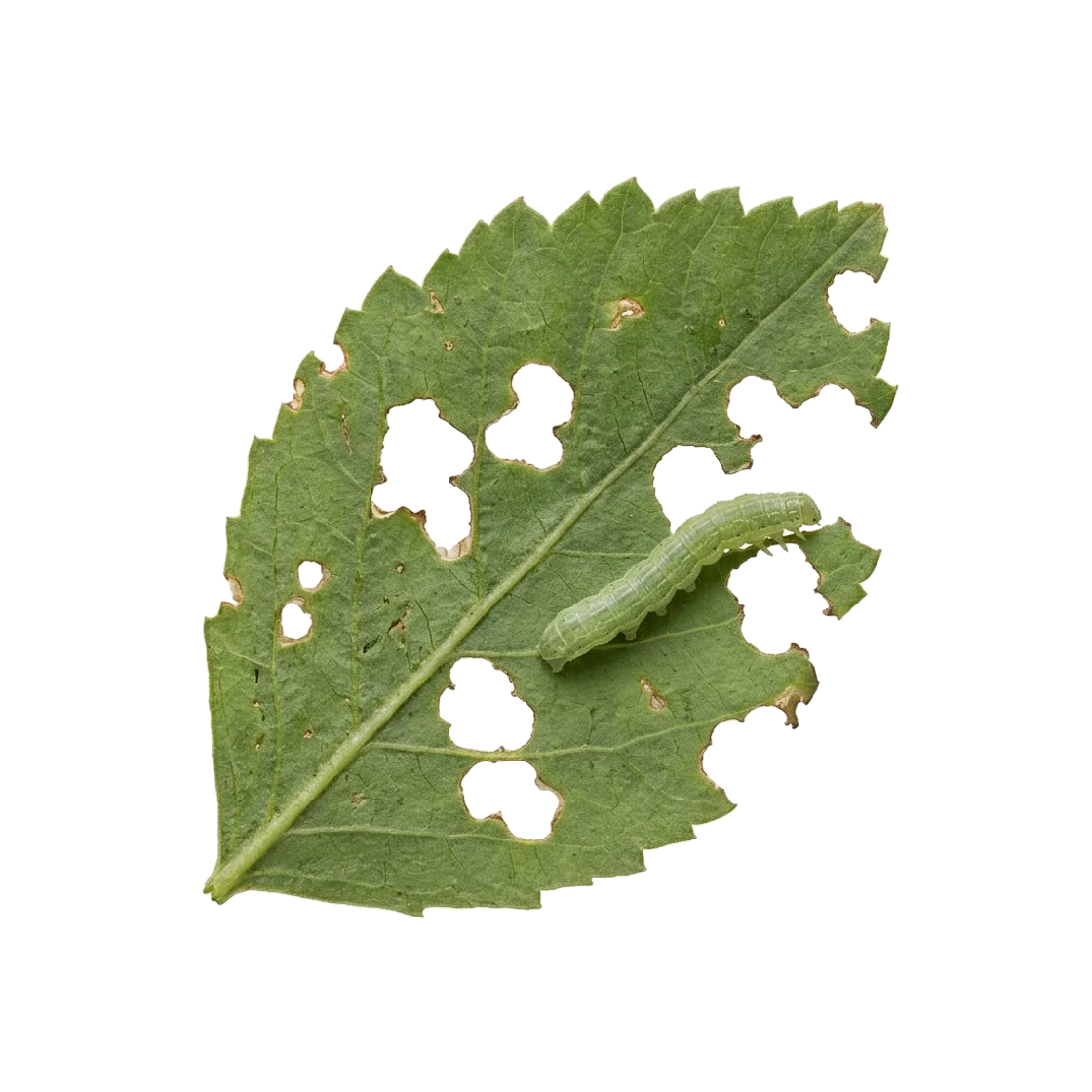
- Caterpillars
- Root rot
- Botrytis (grey mould)
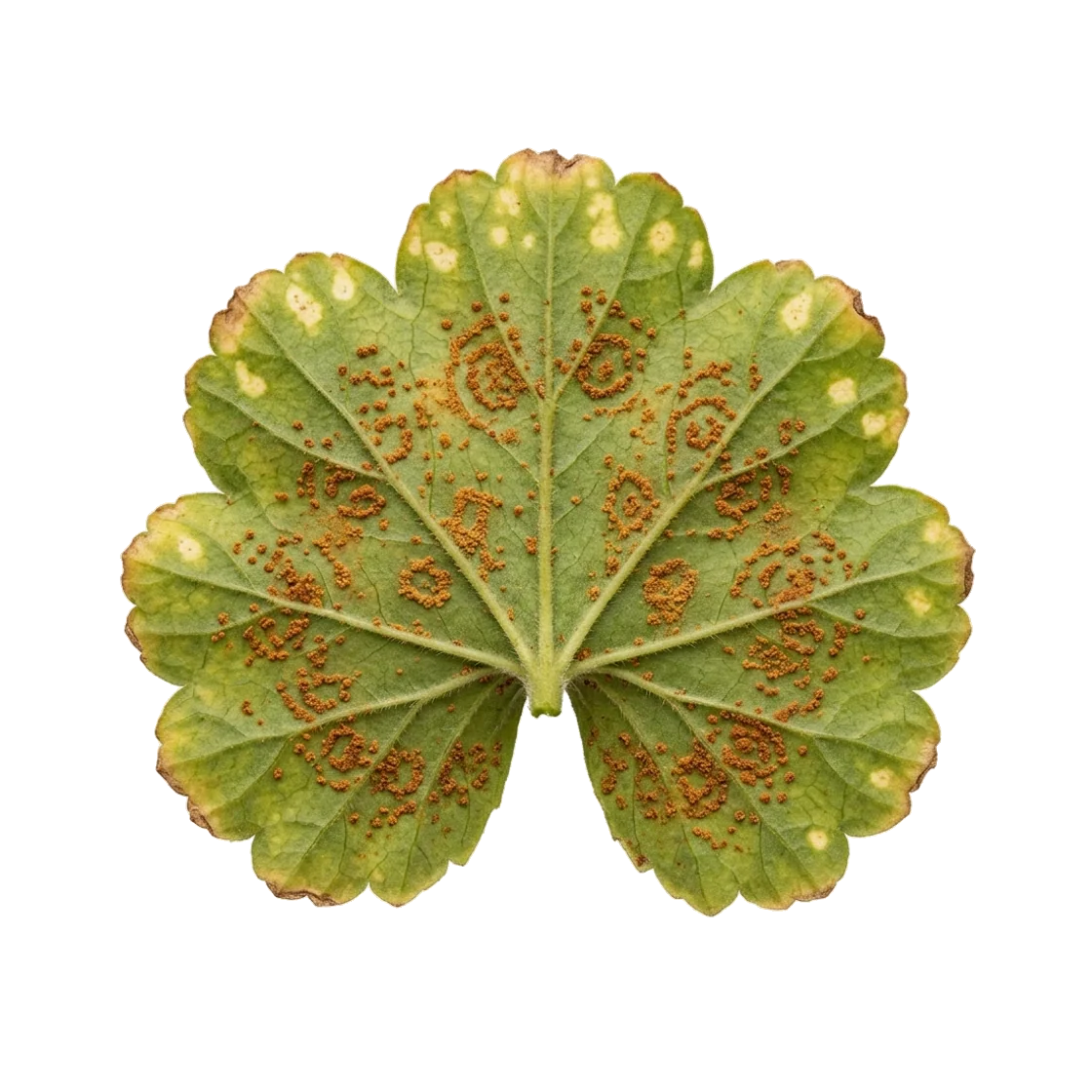
- Rust
- Overwatering



Frequently asked questions What people ask most.
Why are my zonal geranium leaves turning yellow?
Yellowing foliage is most commonly caused by overwatering or poor drainage that deprives roots of oxygen. It can also indicate a nutrient deficiency or simply the natural shedding of older leaves near the base.
How do I protect zonal geraniums during the winter?
In frost-prone regions, bring potted geraniums indoors to a bright, cool room before the first freeze. Cut back watering significantly and withhold fertilizer until active spring growth resumes.
Why is my zonal geranium not blooming?
A lack of direct sunlight is the primary reason for poor flowering, as the plant needs several hours of direct light daily. Over-fertilizing with high-nitrogen food can also encourage lush foliage at the expense of floral buds.
How can I manage geranium bronze butterfly caterpillars?
Look for hollowed buds, damaged stems, and small dark droppings that signal caterpillar activity. Remove affected stems promptly and apply a targeted organic caterpillar treatment like Bacillus thuringiensis.