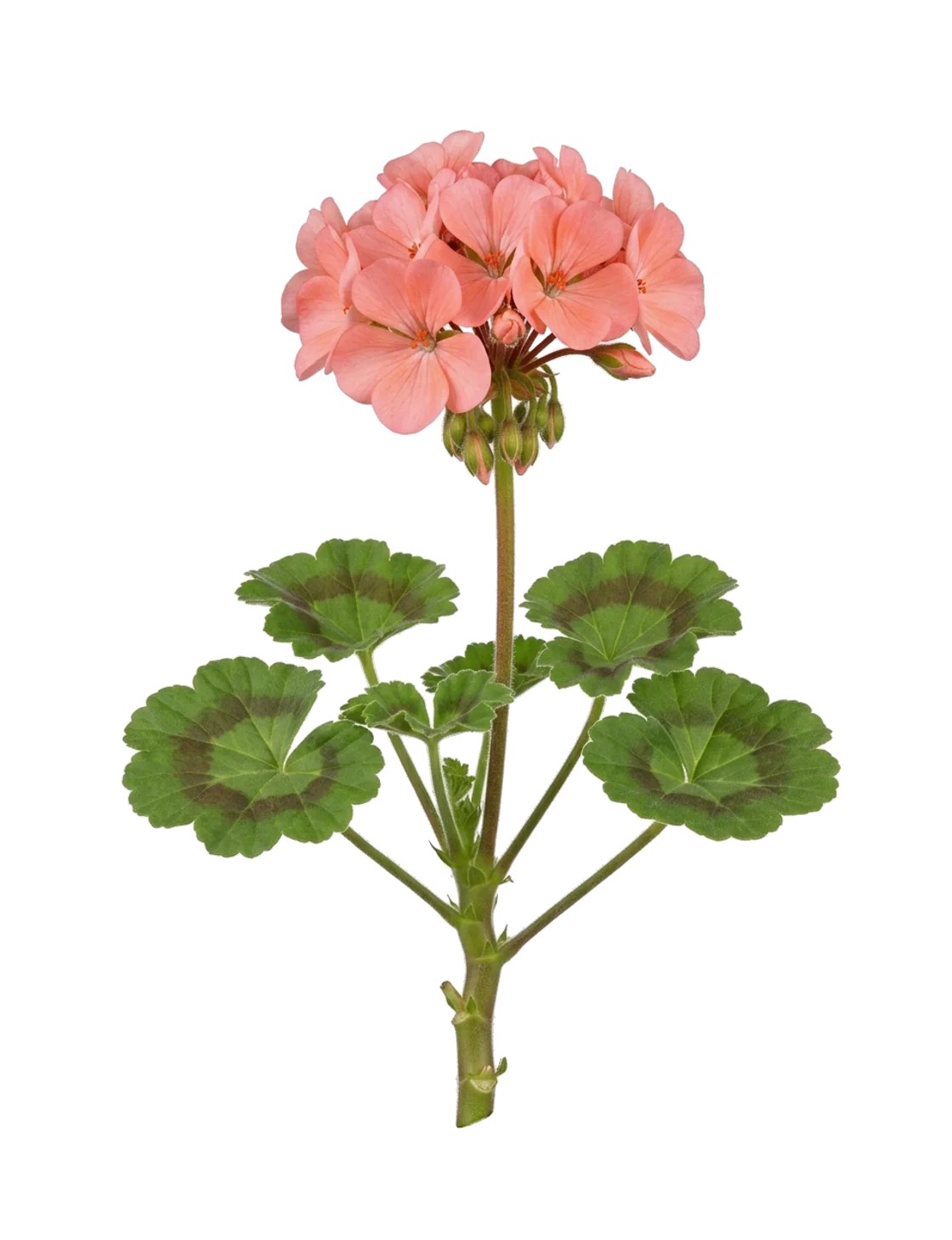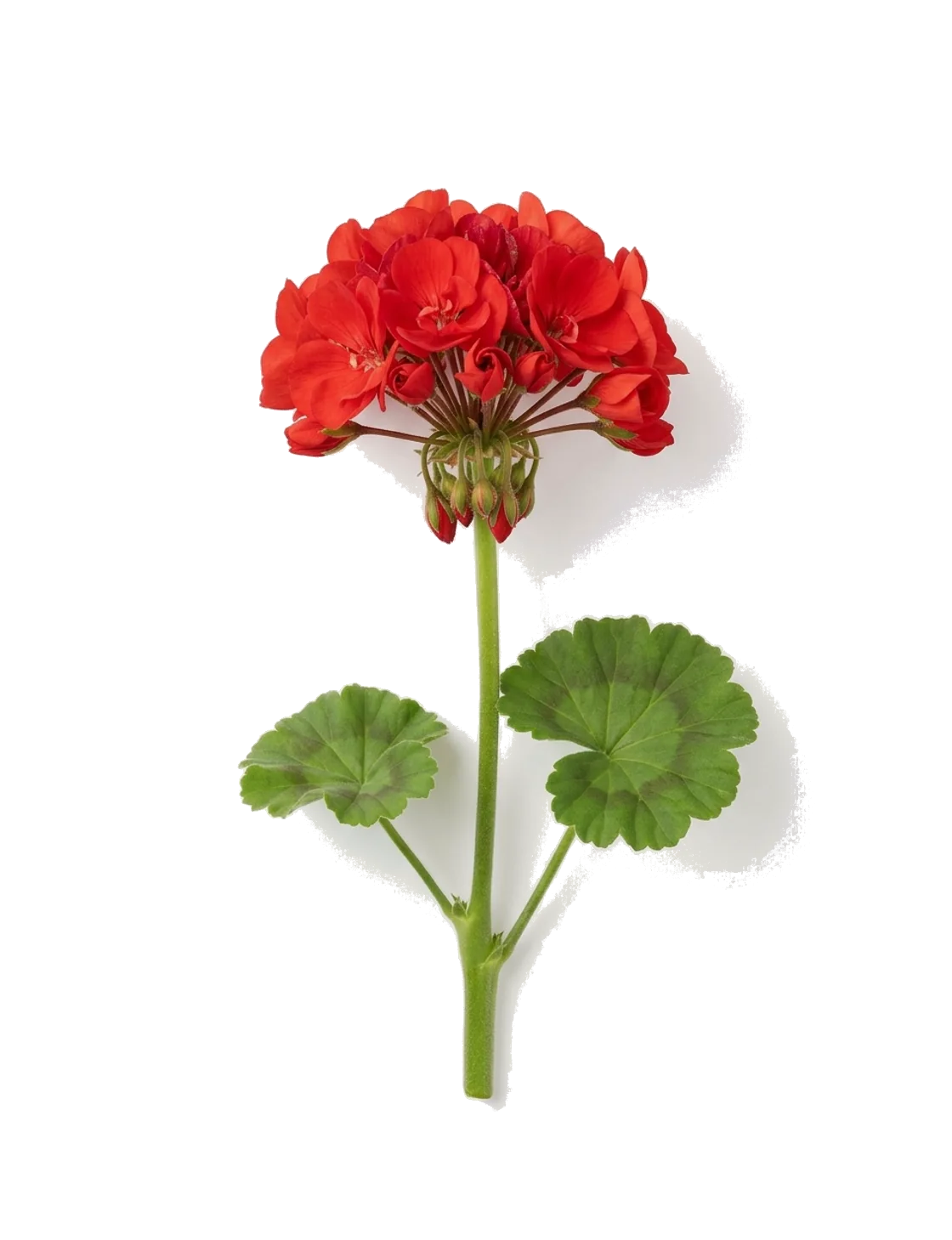
Zonal geraniums are among the most classic and widely grown flowering plants for balconies, patios, and container gardens worldwide. They feature succulent stems, velvety rounded foliage often marked with a dark concentric band, and vibrant flower clusters known as umbels. Available in vivid shades of red, pink, salmon, white, and bicolors, they bloom continuously from mid-spring until the first autumn frosts.
Bred originally from South African species, this hardy hybrid thrives in warm, temperate conditions where sunlight is abundant. Although technically tender perennials, gardeners in colder regions often grow them as annuals or overwinter them indoors in bright spots. Their growth habit is neat and bushy, reaching between 30 and 60 centimeters in height when potted, making them versatile for planters and window boxes.
Geraniums are remarkably resilient and forgiving plants that produce generous displays with minimal intervention. Their main vulnerability is overly damp soil combined with poor air circulation, which can trigger stem decay and fungal issues. Provided they receive plenty of direct sunlight and moderate moisture, they will flourish reliably throughout the entire outdoor season.
Did you know?The dark horseshoe-shaped pattern found on the foliage gives this plant its traditional botanical name, zonal geranium.
Care. What it needs, point by point.
- Watering
- Water moderately, allowing the top inch or two of soil to dry out completely between waterings. During hot summer weather, check containers every few days, reducing frequency to minimal levels in winter. Always water the soil directly rather than wetting the leaves or flower heads.
- Light
- 4–6 h of direct sunRequires full direct sun to flower profusely, needing at least four to six hours of sunlight daily. In heavy shade, stems become spindly and bloom production drops dramatically.
- Temperature
- 15–25 °C ideal temperatureGrows best in warm conditions between 15 °C and 25 °C throughout the active growing period. Protect plants from frost, as exposure to temperatures below 0 °C causes severe tissue collapse.
- Soil
- Plant in a well-draining potting mix containing perlite, pumice, or coarse sand. Excellent drainage holes are essential to prevent moisture from sitting around the root zone.
- Fertilizer
- 2 weeks between feedsFeed with a balanced flowering plant fertilizer every two weeks throughout spring and summer. Stop fertilizing during late autumn and winter when growth naturally slows down.
- Pruning
- Regularly snap off faded flowers at the base of their stalks to encourage new buds. Cut back straggly stems by half in late winter or early spring to restore a dense, bushy form.
- Propagation
- Easily propagated through stem cuttings taken in spring or late summer using non-flowering shoots. Insert cuttings into moist, well-aerated potting mix where roots form within three weeks.
Where it grows. In the wild and in homes.
The Florami community has photographed it in España.
Is Geranium toxic to cats and dogs?
Toxic to cats and dogs.

Cats
Toxic

Dogs
Toxic
Usual signs
Primarily gastrointestinal upset, potentially causing ataxia, muscle weakness, lethargy, or hypothermia in larger ingestions, with cats being most sensitive.
If your pet has chewed it and shows symptoms, call your vet or the nearest emergency vet.
Source · ASPCA Animal Poison Control
Gallery As the community sees it.
Photo · — DerHexer (Talk) · CC BY-SA 3.0
Common problems What tends to go wrong.
- Root rot
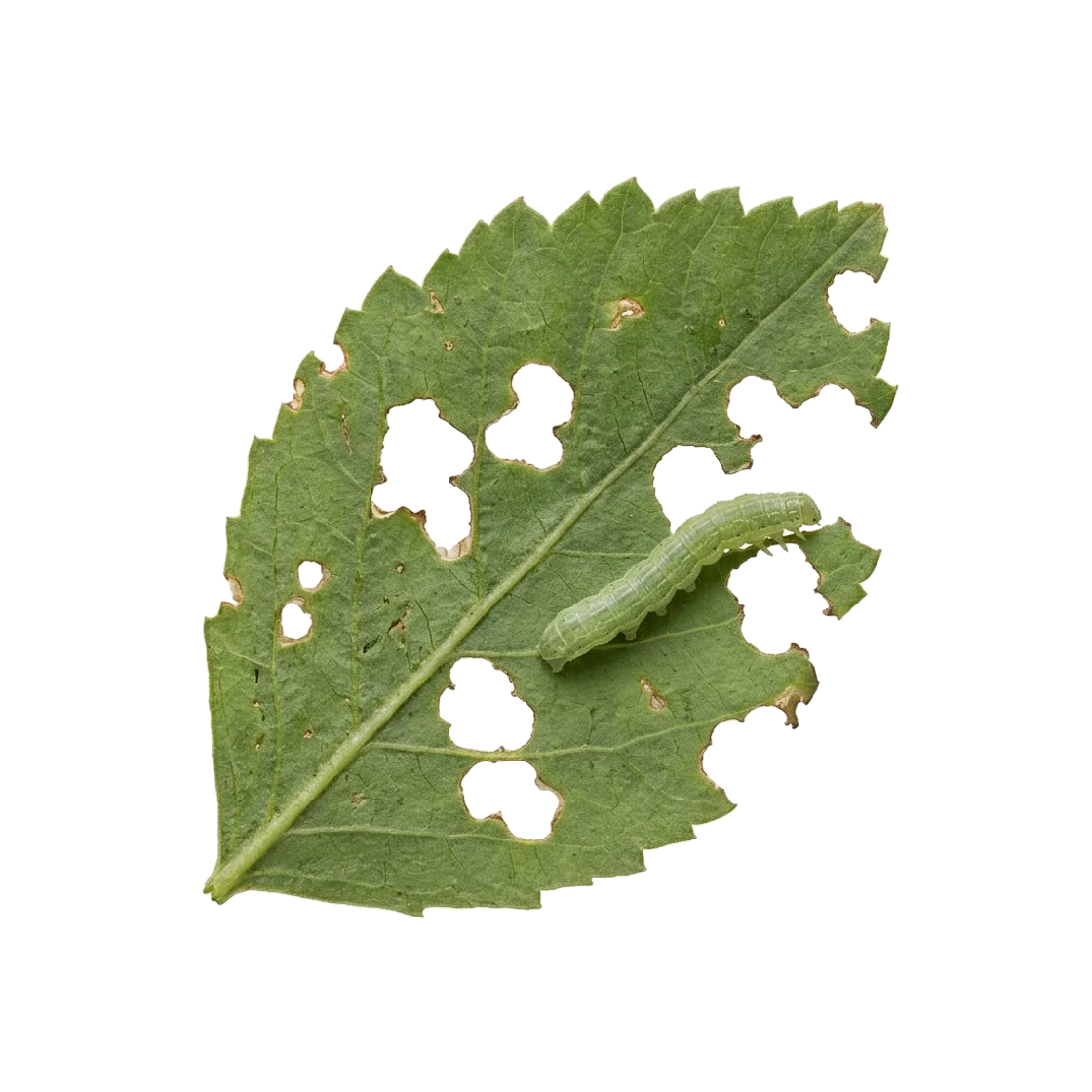
- Caterpillars
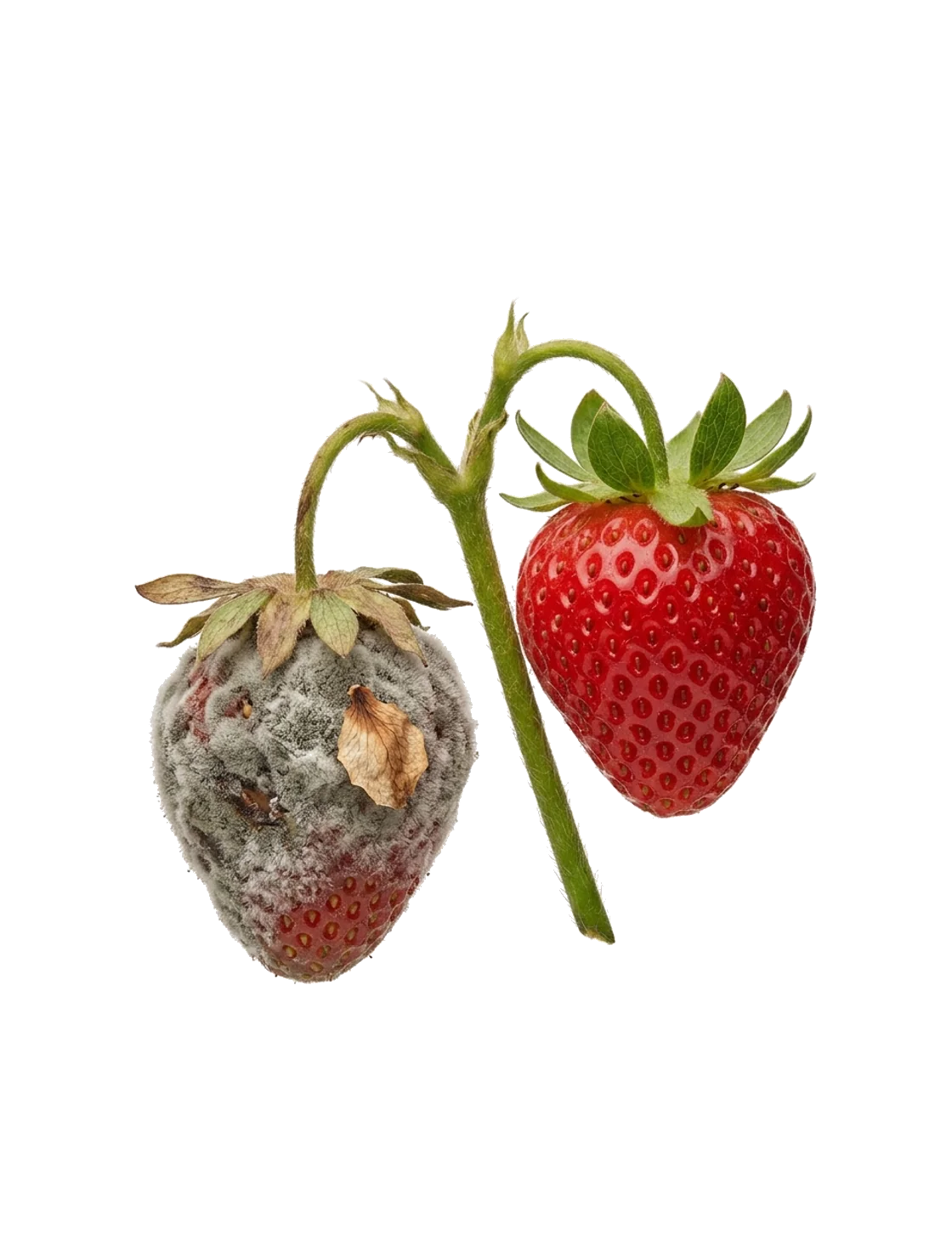
- Botrytis (grey mould)
- Overwatering
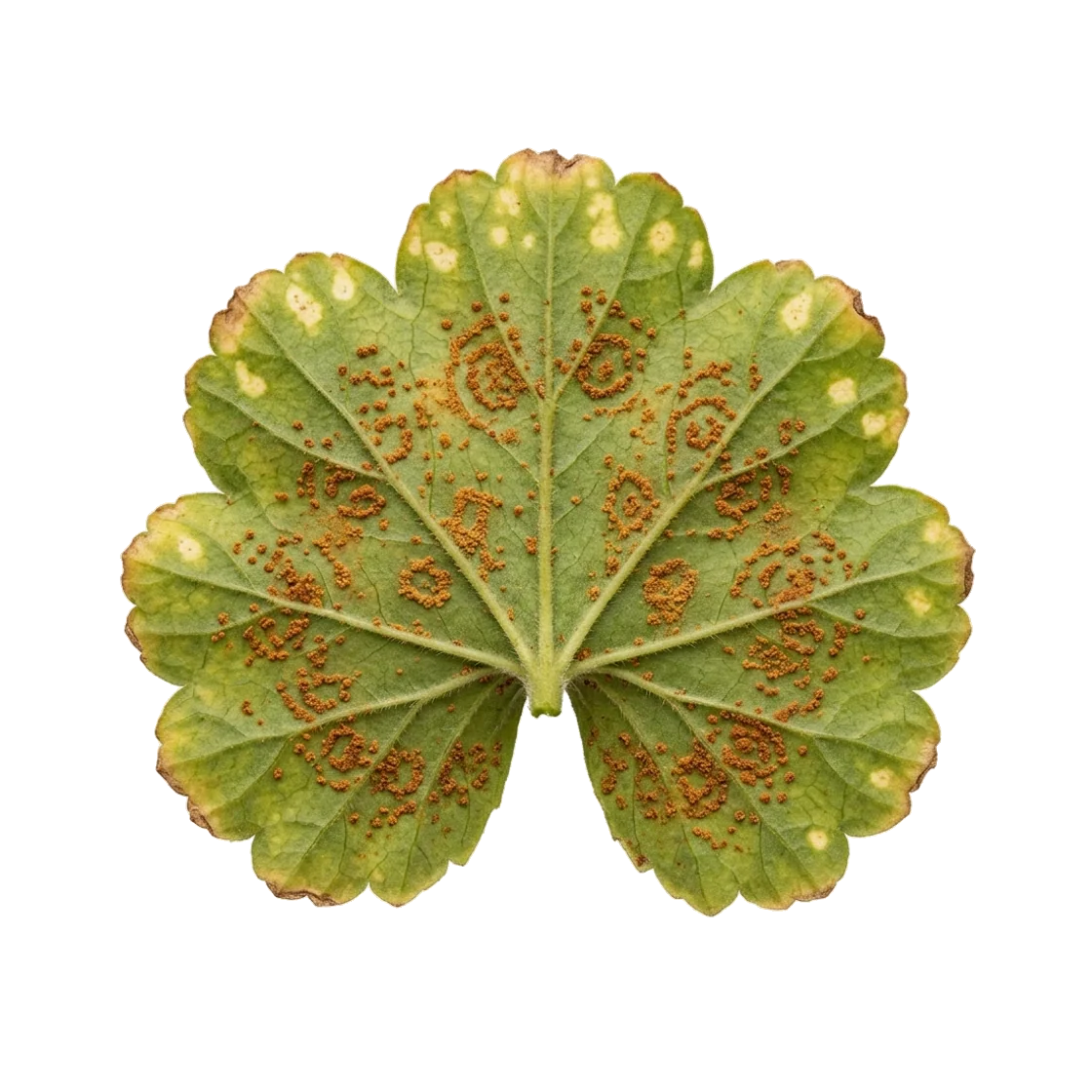
- Rust


Frequently asked questions What people ask most.
Why are my geranium leaves turning yellow?
Overwatering and poorly draining soil are the most frequent causes of yellowing foliage. It can also be caused by standard bottom leaf aging or a lack of light and nutrients.
Why is my geranium not blooming?
The most common reason is inadequate direct sunlight, which geraniums need in abundance to initiate buds. Excess nitrogen fertilizer can also favor lush leaf growth while preventing flower formation.
How should I overwinter geraniums?
Bring potted plants indoors before the first hard frost and place them in a cool, bright location with minimal watering. Alternatively, take late-summer stem cuttings to grow fresh, compact plants for the following spring.
Why are stems turning black or hollow?
Black or hollowed stems often indicate caterpillar damage boring through tissues, or fungal stem rot caused by waterlogged soil. Prune away all damaged sections immediately and adjust your watering routine.