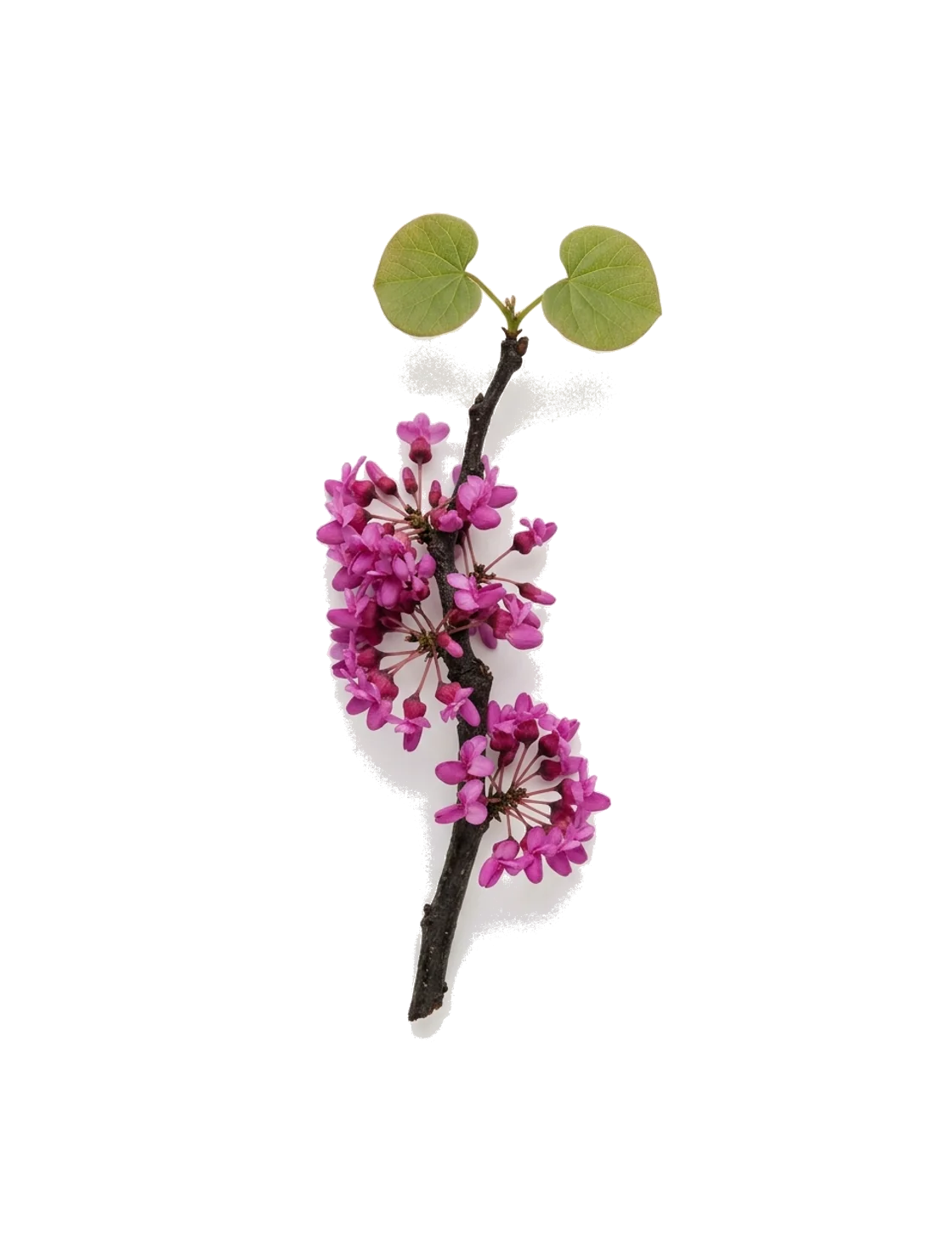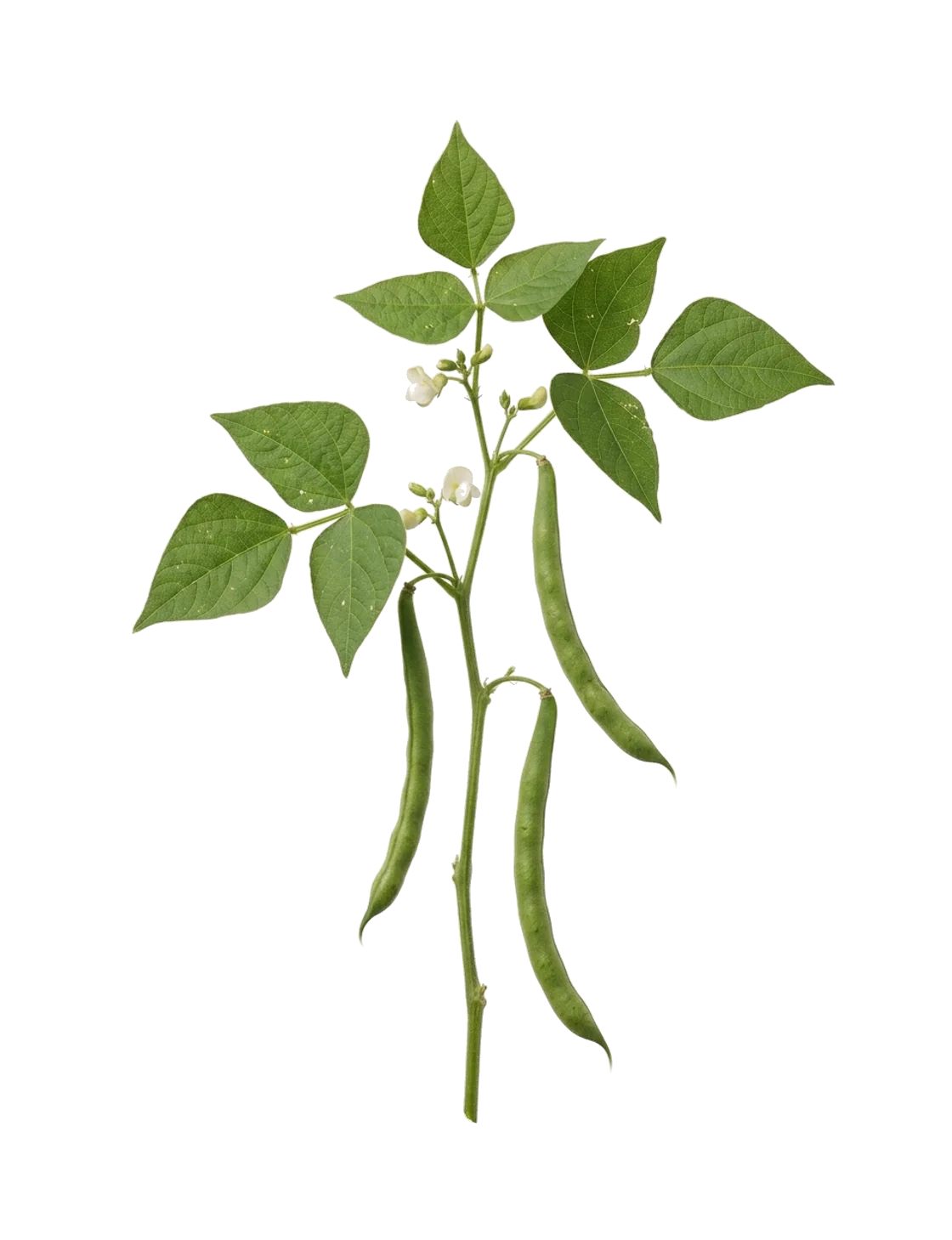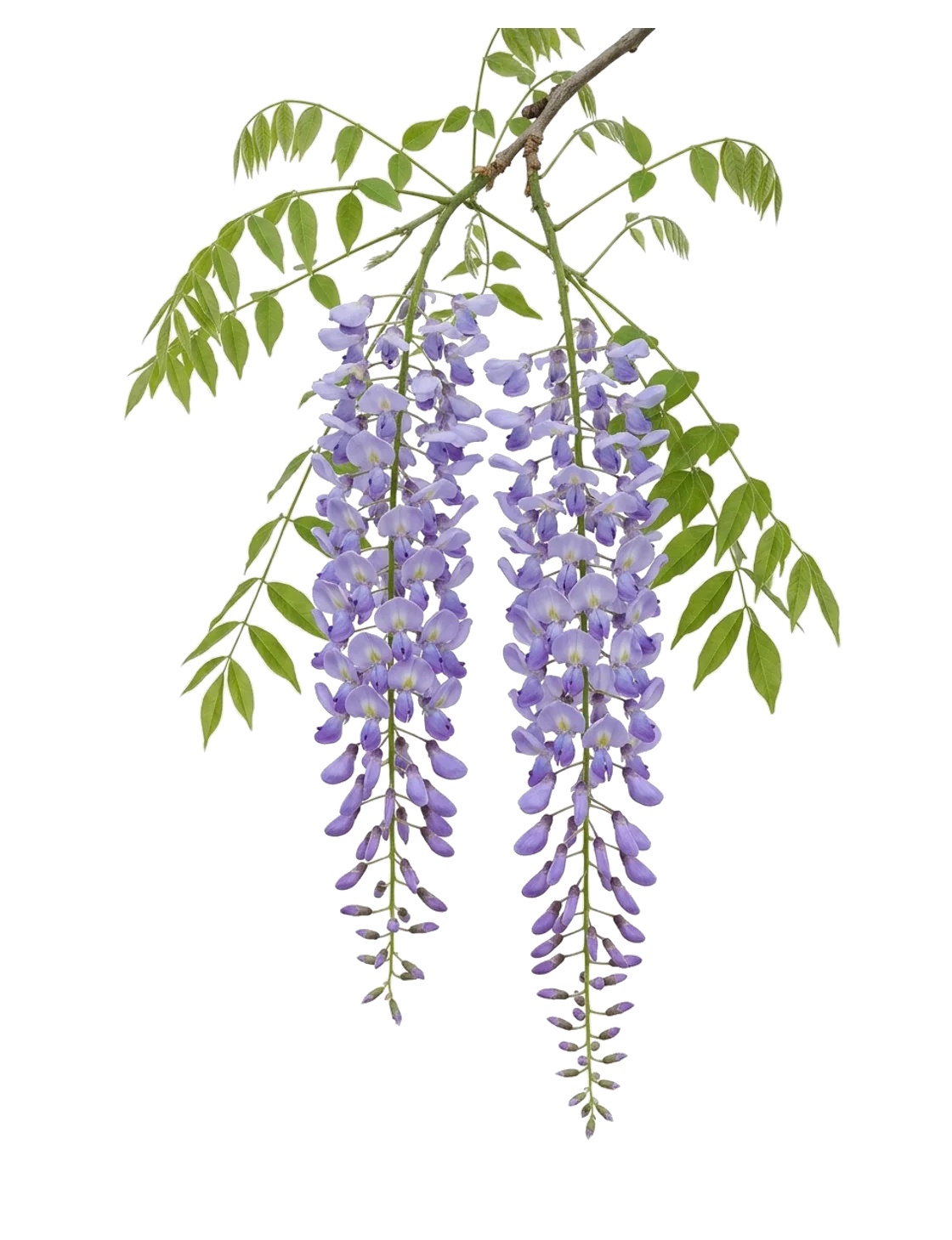
Chinese wisteria (Wisteria sinensis) is a vigorous, deciduous woody climbing vine celebrated worldwide for its cascades of fragrant, lilac-blue flowers that open in mid-spring before the leaves fully emerge. Its robust stems twine counter-clockwise around trellises and sturdy structures, rapidly covering vast vertical spaces with lush, pinnate green foliage.
To thrive and produce its signature profusion of blooms, this classic climber demands full sun and a remarkably strong support system that can withstand its heavy, thickening woody trunks over time. While versatile regarding soil types, it performs best in deep, fertile ground equipped with reliable drainage to protect its root system from moisture stagnation.
Cultivating wisteria rewards the patient gardener, as newly established plants may take several seasons to settle before blooming generously. The true key to reliable flowering lies in regular, disciplined pruning twice a year, which redirects rampant vegetative growth into compact flower-producing spurs.
Did you know?Vines of Chinese wisteria always wind counter-clockwise around their support, unlike Japanese wisteria, which winds clockwise.
Care. What it needs, point by point.
- Watering
- Water deeply and regularly during the first two years until the vine develops a deep, resilient root system. Once established in the ground, it is remarkably drought-tolerant and only requires supplemental watering during prolonged dry summer spells.
- Light
- 6 h of direct sunProvide full sun with at least six hours of direct sunlight each day to guarantee abundant flowering. In partial shade, foliage will grow vigorously, but flower buds will fail to develop properly.
- Temperature
- 15–28 °C ideal temperatureThis vine is fully hardy and tolerates harsh winter freezes down to -15 °C while dormant. Its optimal growing range throughout spring and summer lies comfortably between 15 °C and 28 °C.
- Soil
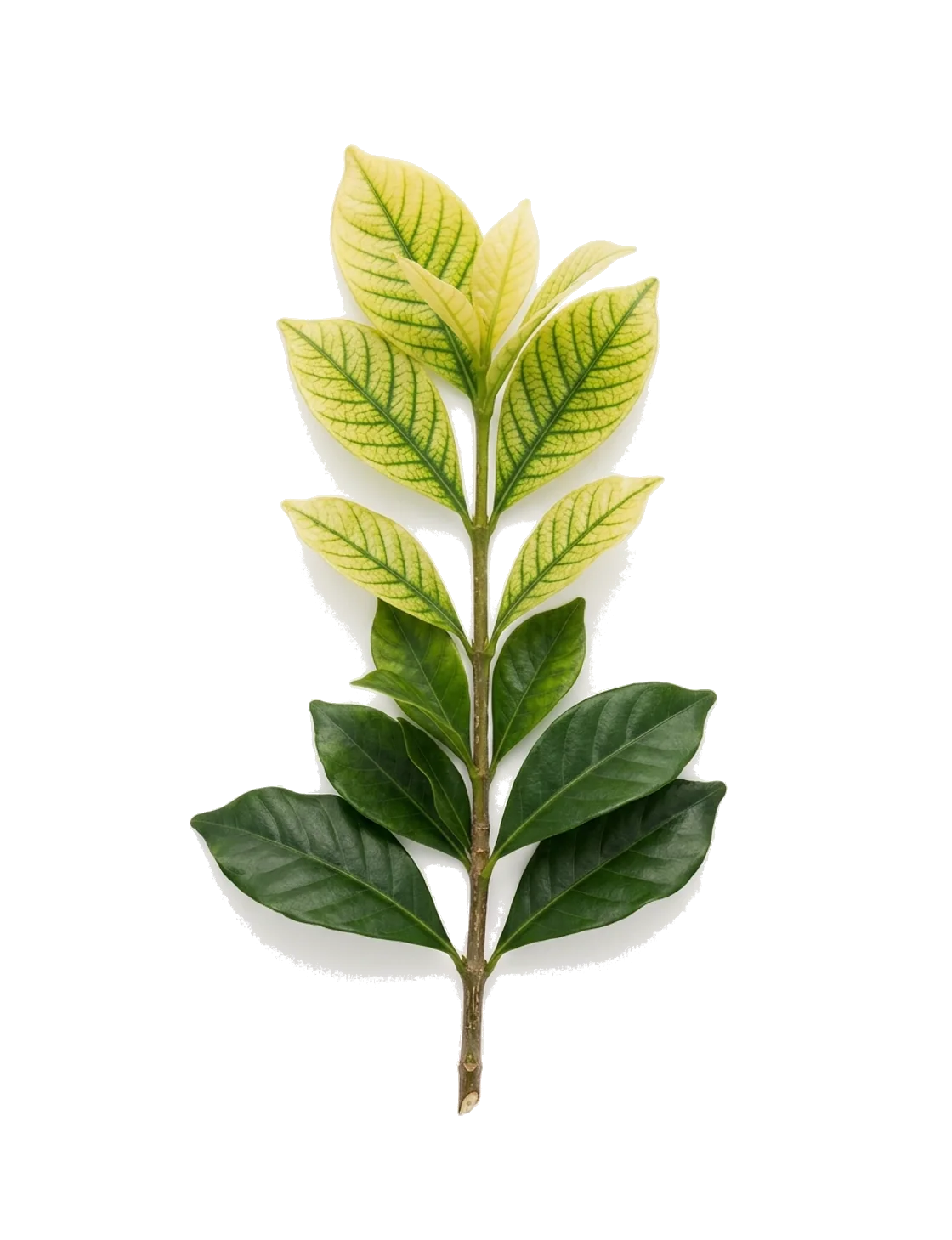
- Grow in deep, fertile, well-draining soil to accommodate its extensive root network. It tolerates mildly acidic to neutral soils, though highly alkaline ground may induce yellowing of the leaves.
- Fertilizer
- Apply a potassium- and phosphorus-rich fertilizer in late winter to stimulate blooming. Avoid nitrogen-heavy formulas, which promote rampant leafy shoots at the expense of floral clusters.
- Pruning
- Prune twice yearly: once in mid-summer cutting long whips back to five buds, and again in mid-winter shortening them to two buds. This structured routine controls wild growth and creates short flowering spurs for spring.
- Propagation
- Propagate using semi-hardwood cuttings in mid-summer or through layering during spring. Growing from seed is not recommended for home gardeners, as seedlings often take a decade or more to flower.
Where it grows. In the wild and in homes.
In the wild it grows in China, in a temperate climate.
People have also taken it to 36 more regions where it now grows on its own: North America, Europe, tropical Asia, and temperate Asia.
Range: Plants of the World Online, Royal Botanic Gardens, Kew
Is Chinese wisteria toxic to cats and dogs?
Toxic to cats and dogs.

Cats
Toxic

Dogs
Toxic
Usual signs
Vomiting (sometimes with blood), diarrhea, and depression.
If your pet has chewed it and shows symptoms, call your vet or the nearest emergency vet.
Source · ASPCA Animal Poison Control
Common problems What tends to go wrong.
- Aphids
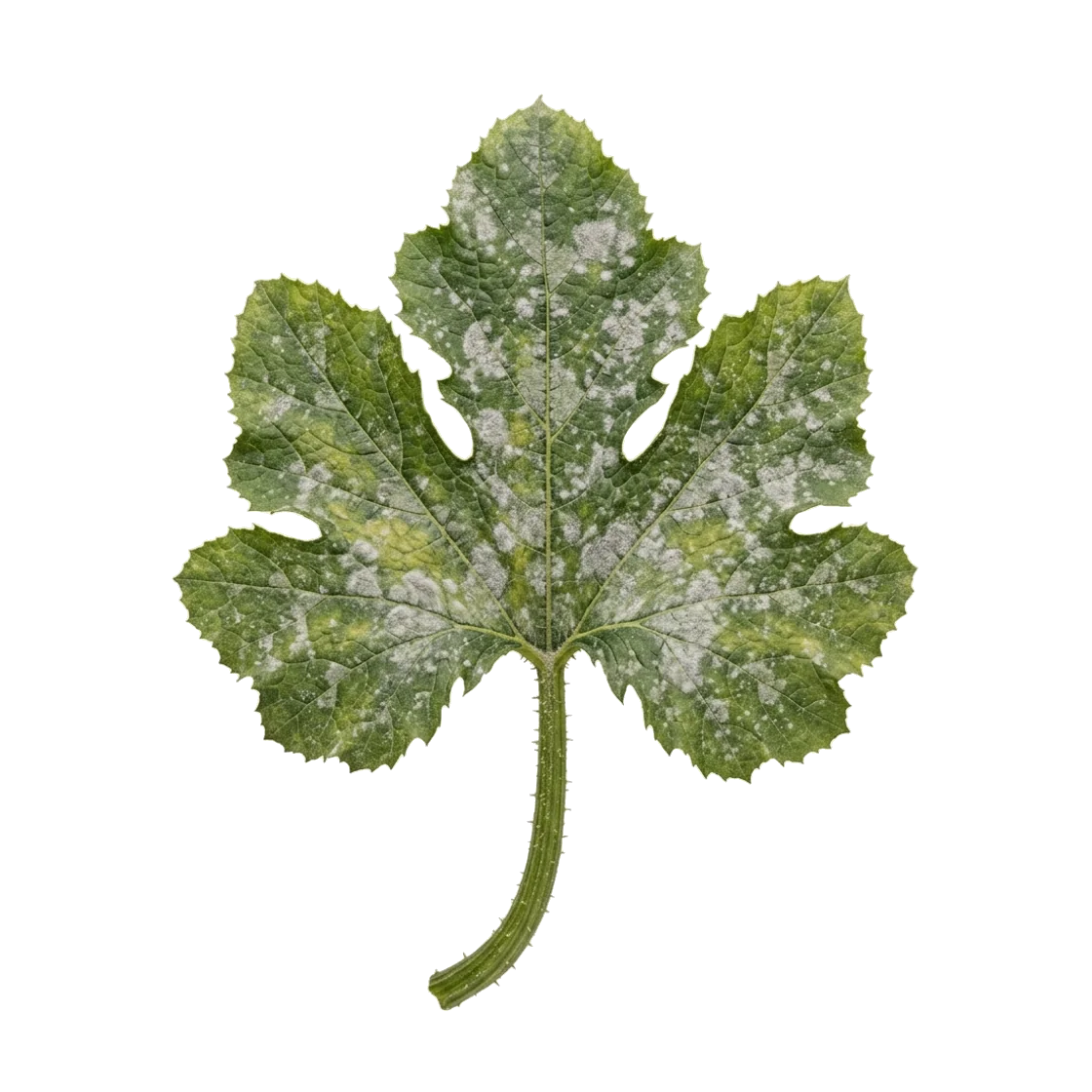
- Powdery mildew
- Iron chlorosis
- Too little light


Frequently asked questions What people ask most.
Why is my wisteria not blooming?
Common reasons include insufficient direct sunlight, excessive nitrogen fertilizer favoring leaves over flowers, or improper pruning. Young vines grown from seed can also take up to fifteen years before producing their first blooms.
What kind of support does wisteria need?
Wisteria needs an exceptionally sturdy structure such as a heavy timber pergola, reinforced steel cables, or a firm metal trellis. Over time, mature woody trunks become heavy and can easily crush or bend lightweight garden supports.
When is the best time to prune wisteria?
Prune twice a year for best results: in late summer to control whip-like green growth and in late winter before new growth begins. The winter prune cuts lateral stems back to two or three buds to set flower clusters.
Can I grow Chinese wisteria in a container?
Yes, but it requires a very large, heavy container with excellent drainage, at least 50 centimeters wide. Potted plants require frequent watering, regular root management, and diligent pruning to prevent them from becoming rootbound.