Common bean
Phaseolus vulgaris
Learn how to grow common beans successfully at home: essential tips on watering, full sun exposure, rich soil, and common garden pest management.
- Light
- 6–8 hof direct sun
- Watering
- 2–3×a week
- Temperature
- 18–28 °Cideal temperature
- Toxicity
- Non-toxic
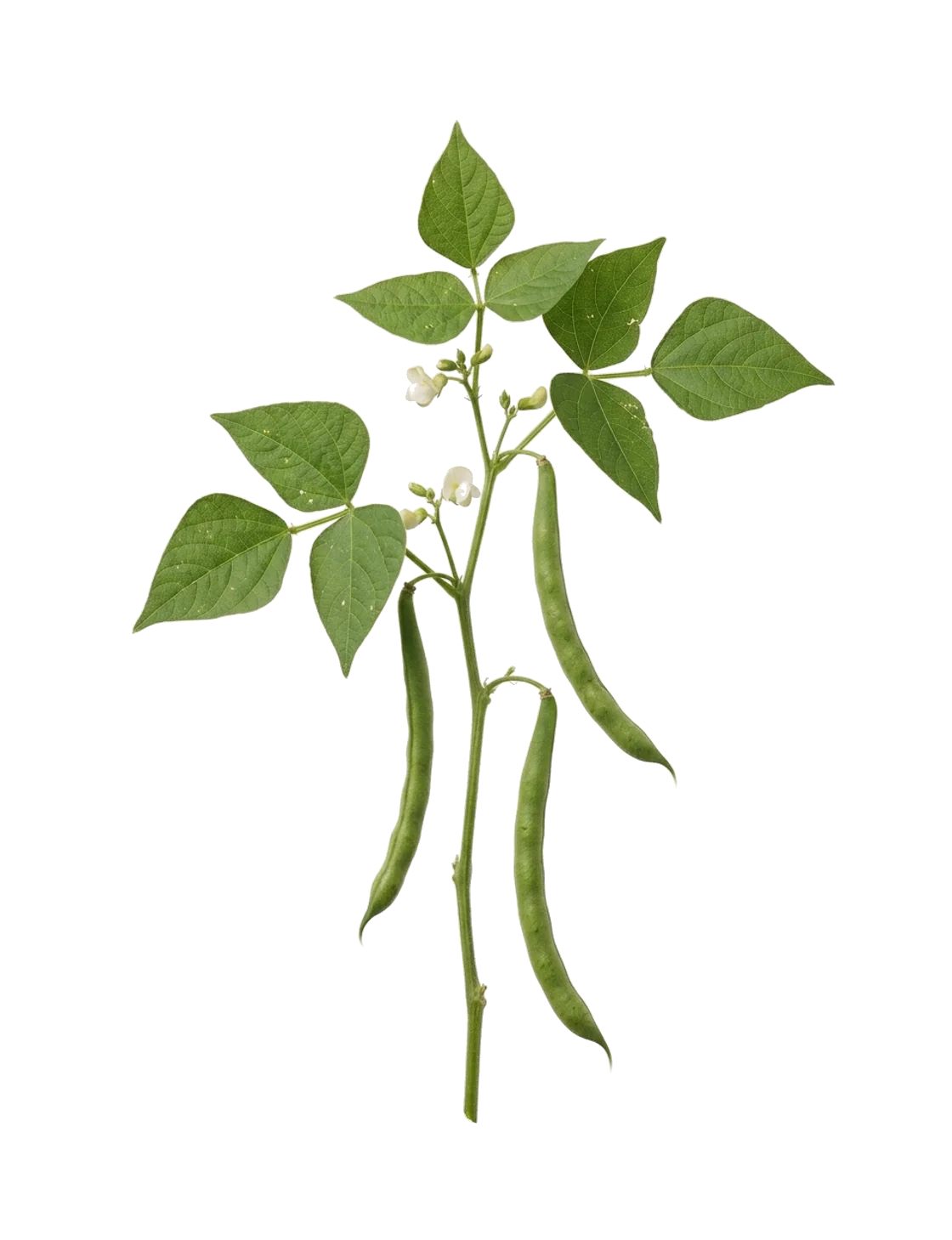
The common bean (Phaseolus vulgaris) is a staple warm-season annual legume cultivated globally for its tender edible pods and nutritious dry seeds. Native to the Americas, it has been grown for thousands of years as an essential dietary foundation across diverse cultures. Depending on the cultivated variety, plants exhibit either a bushy, compact habit or a vigorous climbing nature that thrives on trellises and stakes.
Its lush foliage consists of bright green, trifoliate leaves arranged along tender stems that orient themselves toward the sun. In mid to late spring, delicate pea-like flowers appear in clusters, opening in clean shades of white, cream, pink, or purple. Following successful pollination, elongated pods develop rapidly, swelling steadily as the internal beans form and ripen throughout the season.
Growing common beans is immensely rewarding, making them an ideal project for raised vegetable beds, allotment plots, and spacious balcony containers. To deliver a generous harvest, plants simply require warm weather, direct sunshine, and regular watering that keeps the soil consistently moist without saturating the fragile root zone.
Did you know?Bean roots form a natural partnership with soil bacteria that fix nitrogen from the air, naturally enriching the soil for future crops.
Care. What it needs, point by point.
- Watering
- 2–3× a weekWater 2 to 3 times per week during warm periods, stepping up frequency when the plants begin to flower and set pods. Let the top inch of soil dry out slightly before watering again to keep the root zone well aerated.
- Light
- 6–8 h of direct sunDemands full sun with at least 6 to 8 hours of unfiltered light daily. Insufficient sunlight results in pale, leggy stems and poor blossom production.
- Temperature
- 18–28 °C ideal temperaturePerforms best in warm conditions between 18 °C and 28 °C (65 °F to 82 °F). Plants are highly frost-tender and will stop growing whenever temperatures drop below 10 °C.
- Soil
- Prefers a loose, fertile soil enriched with well-aged compost and built for rapid, unimpeded drainage.
- Fertilizer
- Amend the soil with organic compost prior to sowing to establish strong baseline fertility. Avoid excessive synthetic nitrogen feeds, which encourage dense leaf growth at the expense of bean pods.
- Pruning
- No specialized pruning is required beyond removing diseased or yellowed lower leaves for airflow. Climbing varieties can be pinched at the top once they exceed the height of their support frame.
- Propagation
- Propagate by direct sowing outdoors in spring once soil temperatures reach at least 15 °C. Seeds germinate rapidly within 7 to 10 days if kept evenly moist.
Where it grows. In the wild and in homes.
In the wild it grows in South and Central America and the Caribbean and North America, in a seasonally dry tropical climate.
People have also taken it to 83 more regions where it now grows on its own: temperate Asia, tropical Asia, Africa, and Europe.
Range: Plants of the World Online, Royal Botanic Gardens, Kew
Is Common bean toxic to cats and dogs?
The ASPCA doesn't list this species. If your pet has chewed it and seems unwell, call your vet.
Common problems What tends to go wrong.
- Aphids
- Spider mites
- Powdery mildew
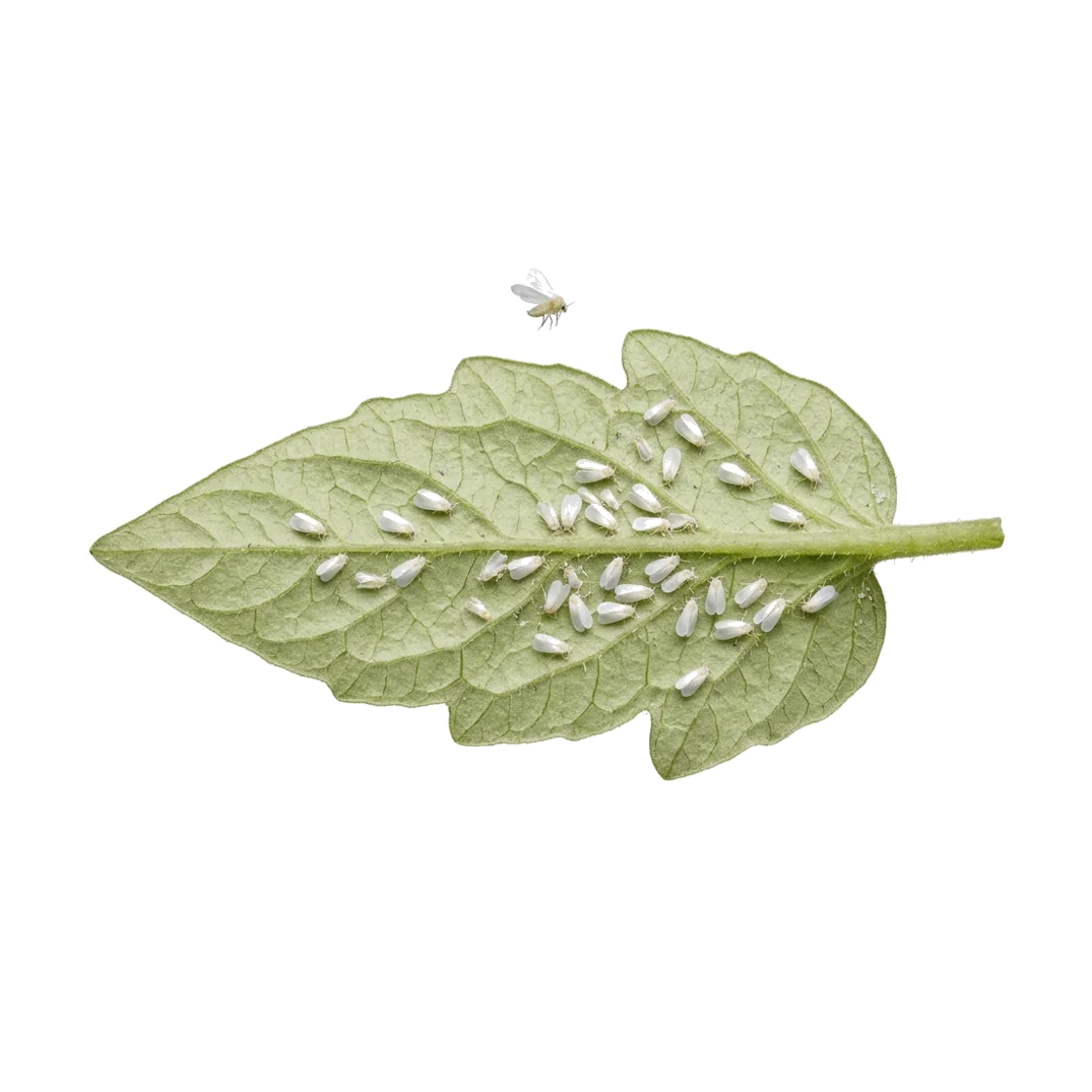
- Whitefly
- Root rot




Frequently asked questions What people ask most.
Why are my bean flowers dropping off?
Blossom drop is most commonly triggered by summer heatwaves above 32 °C or irregular soil moisture during bloom. Keep the soil evenly damp and provide temporary afternoon shade during extreme temperature spikes.
Why are my bean leaves turning yellow?
Yellowing bottom leaves usually point to overwatering or heavy soil that restricts root oxygen. If yellow speckling appears across younger leaves, check the undersides for spider mites or aphid colonies.
Is it better to start seeds indoors or direct sow?
Direct sowing into the final bed or container is strongly recommended because bean roots handle transplant shock poorly. Plant directly outdoors after the final spring frost once the soil has warmed up.
How long does it take from planting to harvest?
Bush bean varieties generally reach harvest maturity within 50 to 65 days from germination. Climbing pole varieties need 70 to 85 days, though they yield a continuous harvest over a much longer window.