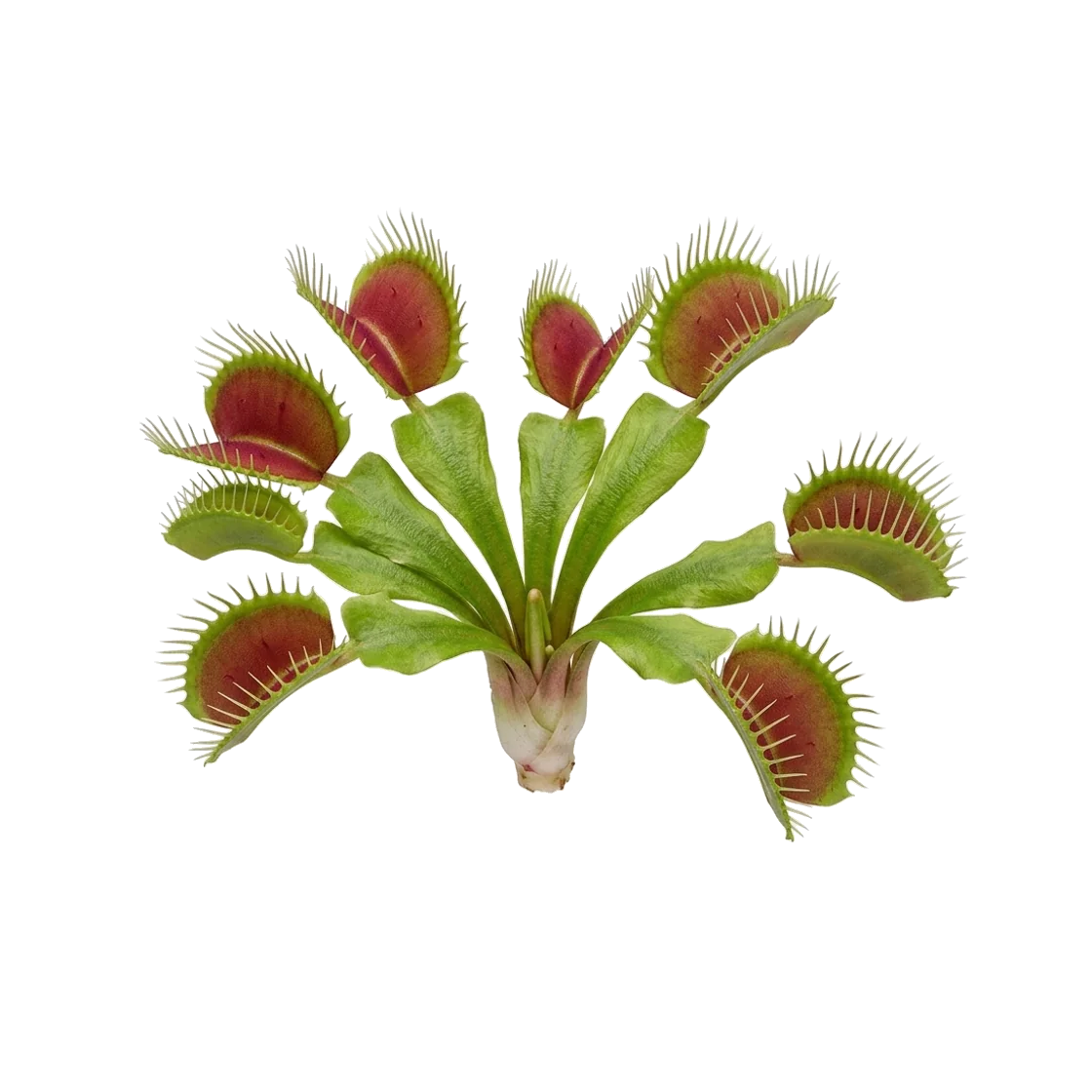
The Venus flytrap (Dionaea muscipula) is a carnivorous plant native to a small area of wetlands in North and South Carolina, in the United States. Its leaves end in hinged traps lined with sensitive hairs: when an insect touches them twice, the trap snaps shut in a fraction of a second. Each trap digests two or three prey in its lifetime and then blackens, which is part of its natural cycle.
It needs full sun and permanently damp, nutrient-free soil to thrive. The pot should stand in rain or distilled water through the warm months, in a mix of blond peat with perlite. It must never receive fertiliser or tap water in hard-water areas, and its traps should not be triggered for fun, since each false closing spends energy.
In winter it needs a cool rest with less water, during which it may lose most of its leaves. This rest is essential: plants kept warm indoors all year weaken and stop growing. Outdoors in mild climates it spends the winter outside with no protection beyond shelter from hard frost.
Did you know?Each trap snaps in a fraction of a second, yet it only closes fully when the prey struggles, so rain and fallen leaves do not waste its energy.
Care. What it needs, point by point.
- Watering
- Keep the pot standing in one or two fingers of rain or distilled water during the warm months. Never use tap water in hard-water areas and never let the mix dry out, even for a day.
- Light
- Direct sunIt needs as much direct sun as possible, ideally five or more hours a day. Without strong sun the traps stay small, green and sluggish.
- Temperature
- 20–30 °C ideal temperatureWhile growing it enjoys 20 to 30 °C in full sun. In winter it needs a cool rest between 2 and 10 °C, tolerating light frosts outdoors.
- Soil
- Use a nutrient-free mix of blond peat with perlite or silica sand. Never use normal compost or fertilised soil, which quickly kills the roots.
- Fertilizer
- Never fertilise it: minerals burn its roots and it feeds itself from its prey. Outdoors it catches enough insects on its own and needs no help.
- Pruning
- It needs no pruning; cut off only fully blackened traps and leaves. Do not cut a half-green trap, since it still feeds the rhizome.
- Propagation
- Propagate in spring by dividing the rhizome, making sure each part carries roots and a growing point. It also grows from seed sown on damp peat, though seedlings take years to reach adult size.
Where it grows. In the wild and in homes.
In the wild it grows in the southeastern U.S., in a subtropical climate.
People have also taken it to 8 more regions where it now grows on its own: North America and South and Central America and the Caribbean.
Range: Plants of the World Online, Royal Botanic Gardens, Kew
Is Venus flytrap toxic to cats and dogs?
Non-toxic to cats and dogs.

Cats
Non-toxic

Dogs
Non-toxic
Source · ASPCA Animal Poison Control
Common problems What tends to go wrong.
- Hard water
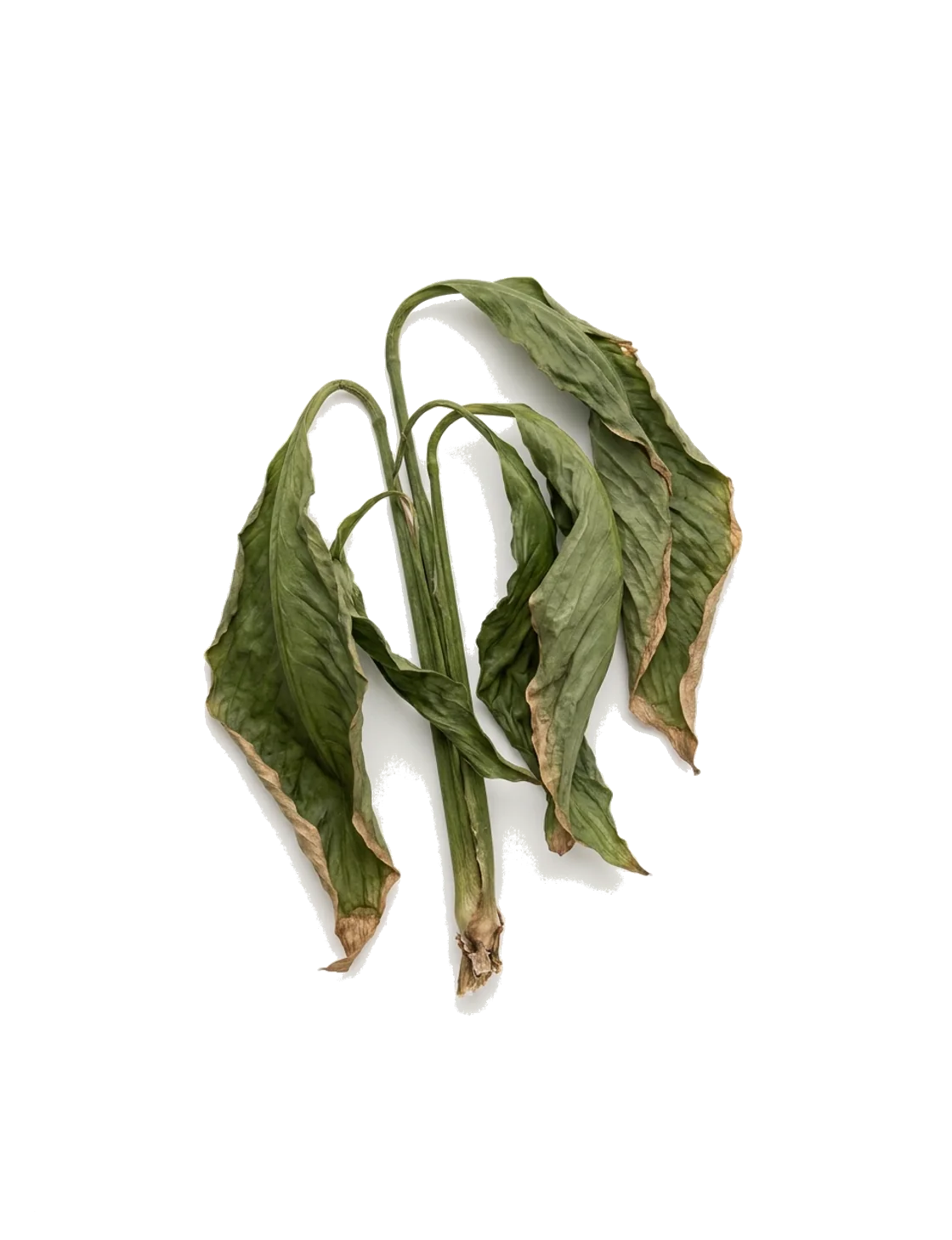
- Underwatering
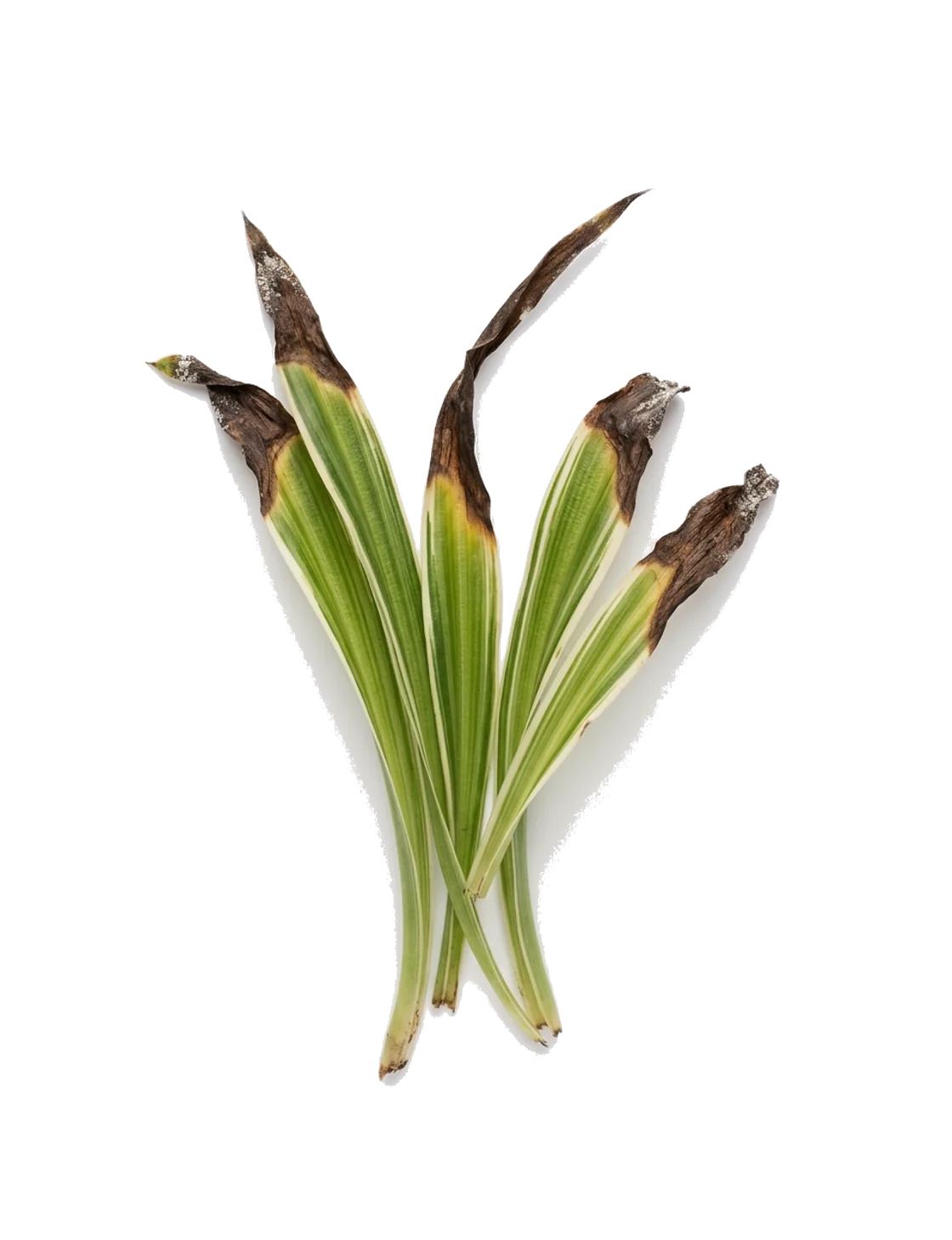
- Too little light
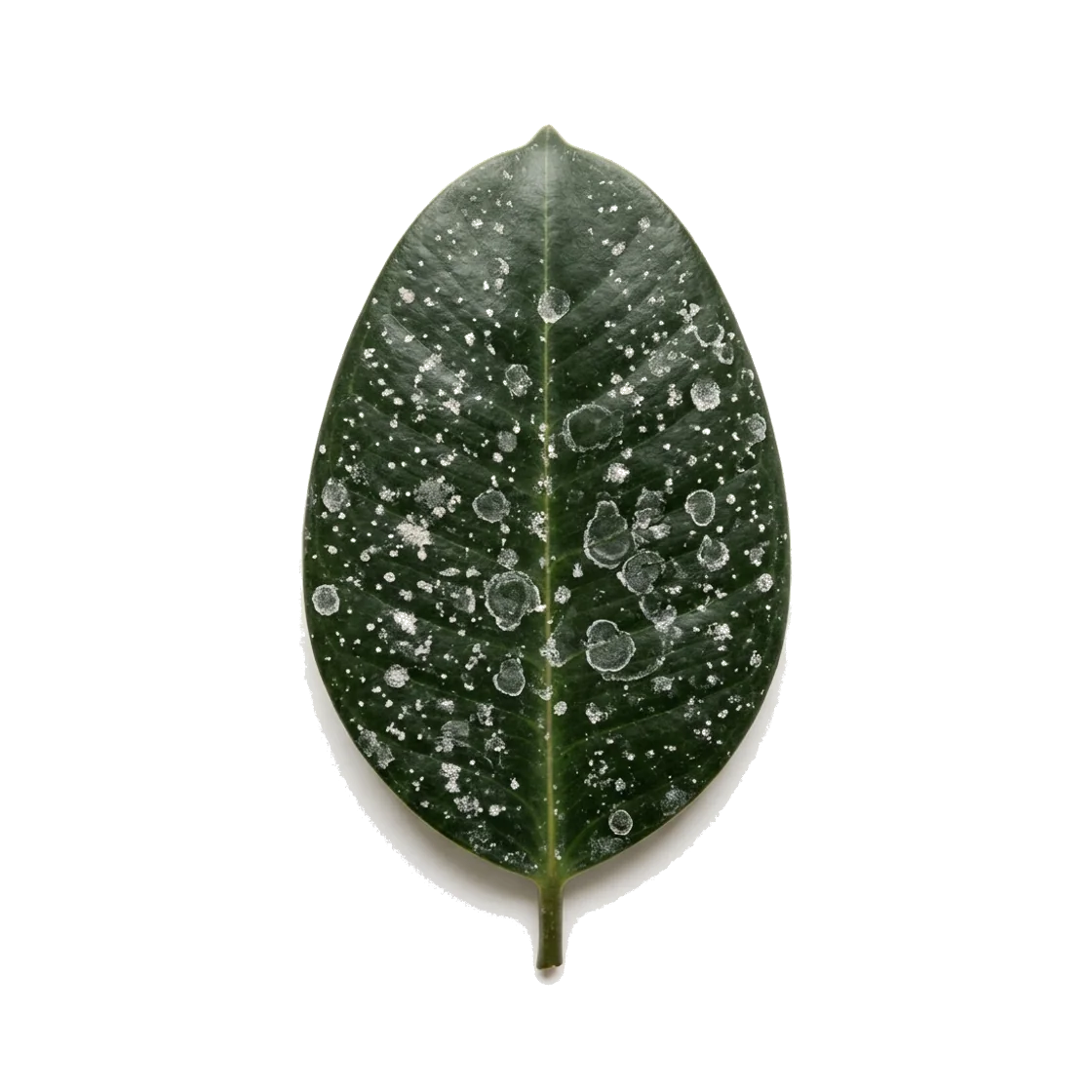
- Salt or fertiliser build-up

Frequently asked questions What people ask most.
Why are the traps turning black?
Blackening after a meal is normal: each trap digests a few prey and then dies while the rhizome grows new ones. Only worry if all the leaves blacken at once in the growing season, which points to bad water or rotten roots.
Should I trigger the traps for fun?
Better not: every closing costs the plant energy and empty traps reopen slowly. Leave the traps alone and the plant will catch enough insects on its own outdoors.
Can it live indoors?
Only on an extremely bright sill with several hours of direct sun, and even then it grows weaker than outdoors. A sunny balcony or terrace suits it far better.
Does it need a winter rest?
Yes, it needs a cool rest between 2 and 10 °C with the mix just moist. Move it to a cool, bright spot in autumn and resume standing water when new growth appears in spring.
What water should I use?
Always rain, distilled or demineralised water, since tap water salts build up and damage the roots. Keep the pot standing in a shallow dish of this water through the warm months.