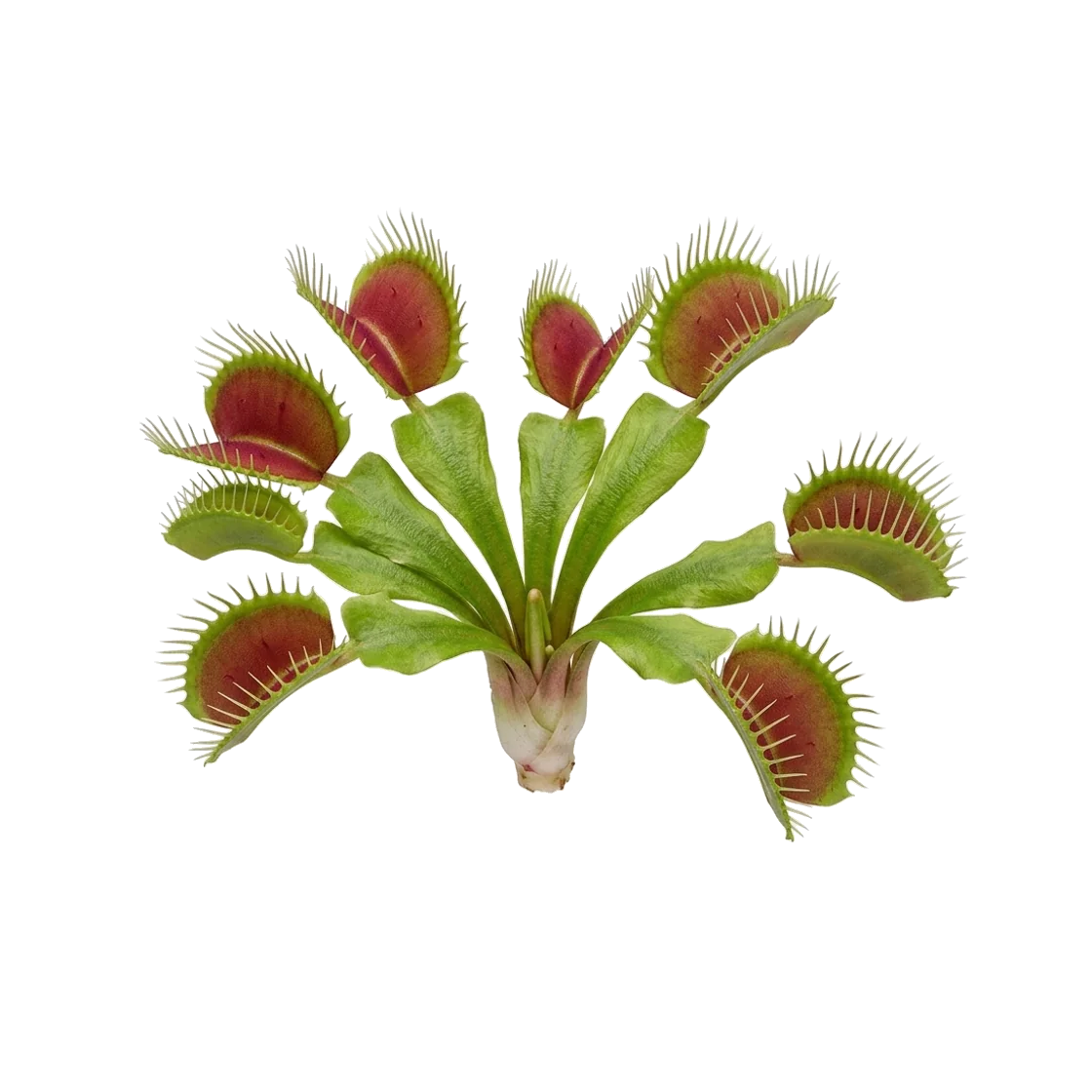
Cape sundew
Drosera capensis
Cape sundew (Drosera capensis) care: full sun, pure rain water and constantly moist soil for sticky leaves with glistening dew all year round.
- Light
- Direct sun
- Temperature
- 18–28 °Cideal temperature
- Toxicity
- Non-toxic
- Difficulty
- Easy
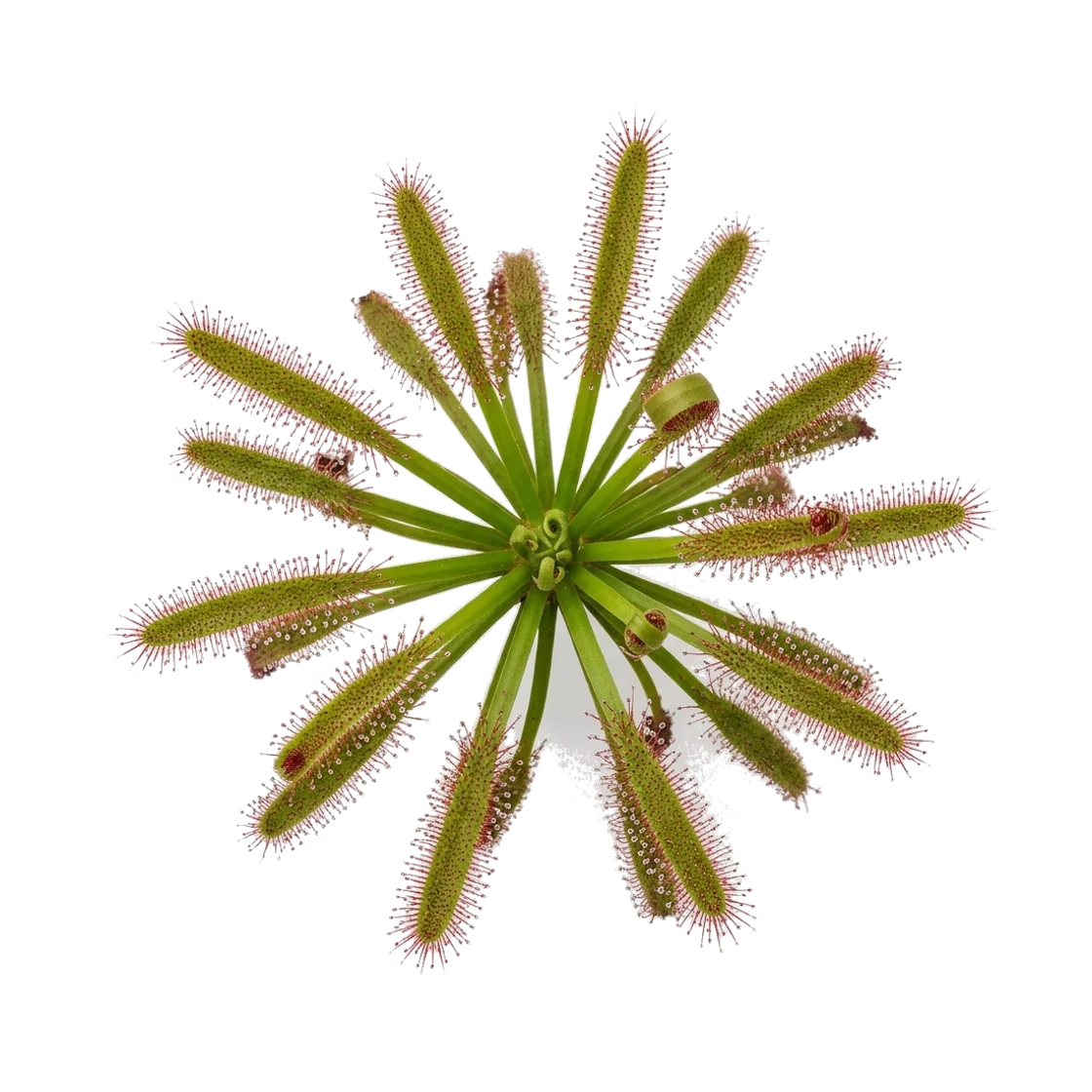
The Cape sundew (Drosera capensis) is a carnivorous plant native to the Cape region of South Africa, where it grows in damp, sunny soils. Its long leaves are covered with red tentacles tipped with sparkling drops of glue that trap small insects. Each leaf slowly curls around its prey to digest it over several days.
It is one of the easiest carnivorous plants to grow: full sun, constant moisture and rain or distilled water are almost all it asks. The pot can stand in a shallow dish of water all summer, in a nutrient-free peat mix. It never wants fertiliser or hard tap water, and dry indoor air merely slows the dew without killing the plant.
It grows through most of the year and flowers readily, sending up tall stems with small pink blooms that set abundant seed. If the leaves ever dry out after neglect, the root often resprouts once watering resumes. Few plants reward a beginner as quickly, with new glistening leaves unfolding almost every week.
Did you know?A single plant can flower and set hundreds of seeds in one season, which is why growers often find free seedlings sprouting in neighbouring pots.
Care. What it needs, point by point.
- Watering
- Keep the pot standing in rain or distilled water through the growing season, never letting the mix dry out. In winter keep it just moist and never use hard tap water.
- Light
- Direct sunIt needs plenty of direct sun for sticky, red-tinted leaves and vigorous growth. In weak light the leaves stay green and produce little dew.
- Temperature
- 18–28 °C ideal temperatureIt grows well between 18 and 28 °C for most of the year. In winter keep it above 5 °C in a bright spot, with growth simply slowing down.
- Soil
- Use a nutrient-free mix of blond peat with perlite or silica sand. Normal compost or fertilised soil kills it quickly.
- Fertilizer
- Never fertilise it: minerals burn the roots and it feeds itself from tiny insects. Outdoors it catches enough on its own.
- Pruning
- It needs no pruning; trim off only fully dry flower stems and old leaves. Leave half-green leaves standing, since they still trap and feed.
- Propagation
- It propagates itself generously: collect the tiny seeds from a faded stem and sow them on the surface of damp peat. Leaf cuttings laid on moist moss also root with ease.
Where it grows. In the wild and in homes.
In the wild it grows in southern Africa, in a subtropical climate.
People have also taken it to 2 more regions where it now grows on its own: the southwestern U.S. and Australia.
Range: Plants of the World Online, Royal Botanic Gardens, Kew
Is Cape sundew toxic to cats and dogs?
The ASPCA doesn't list this species. If your pet has chewed it and seems unwell, call your vet.
Common problems What tends to go wrong.
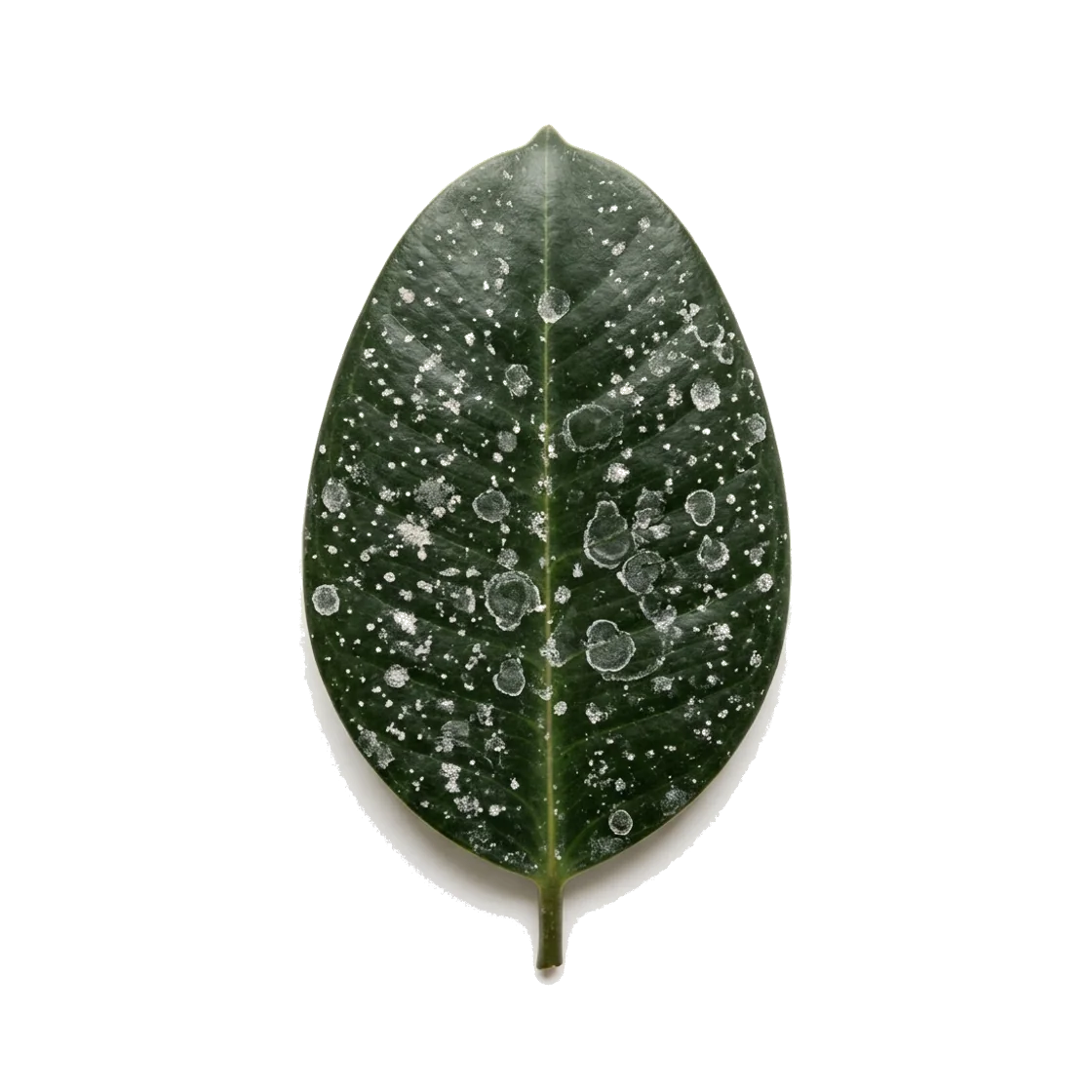
- Hard water
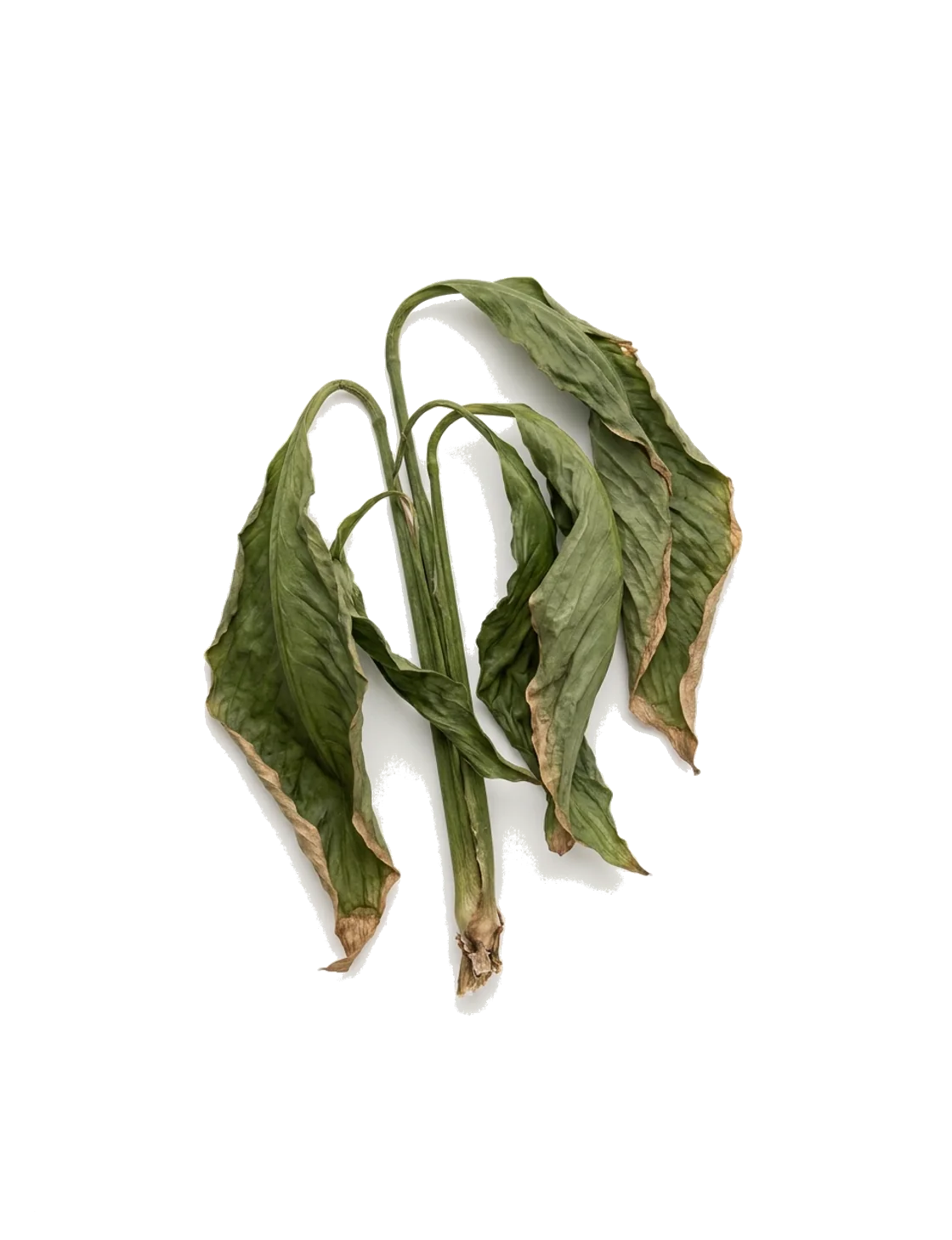
- Underwatering
- Dry air
- Too little light

Frequently asked questions What people ask most.
Why has my sundew lost its sticky drops?
Missing dew usually means too little light or a recent change of place causing stress. Move it into stronger sun, keep the pot standing in water and fresh sticky leaves should appear within weeks.
Should I feed it insects?
There is no need: outdoors it catches tiny flies on its own, and indoors it grows well for months without prey. Never offer it meat or human food, which rot the leaves.
The leaves turn black. Is it dying?
Old leaves naturally blacken after digesting, starting with the lowest ones, while the centre keeps growing. Only worry if the growing tip itself turns black and mushy, which points to rot from bad water.
Can it live on a windowsill?
Yes, on the sunniest sill available with the pot standing in rain water. It grows even better outdoors in summer, where it catches more prey and colours up strongly.
It flowered: should I cut the stem?
You can leave it: flowering barely weakens this vigorous species and gives abundant seed. Cut the stem only if you want to put all its energy into leaves, or to stop seedlings spreading.