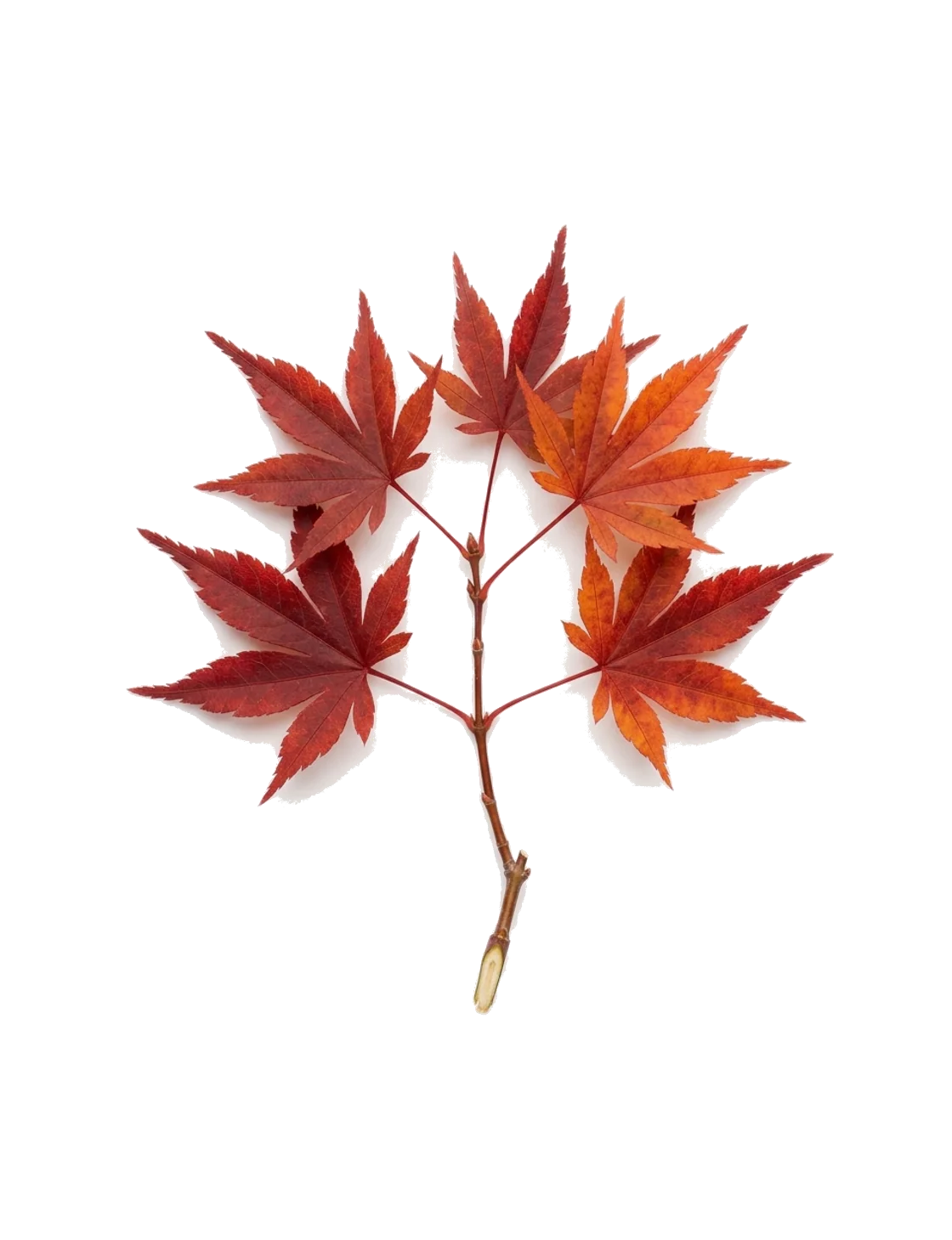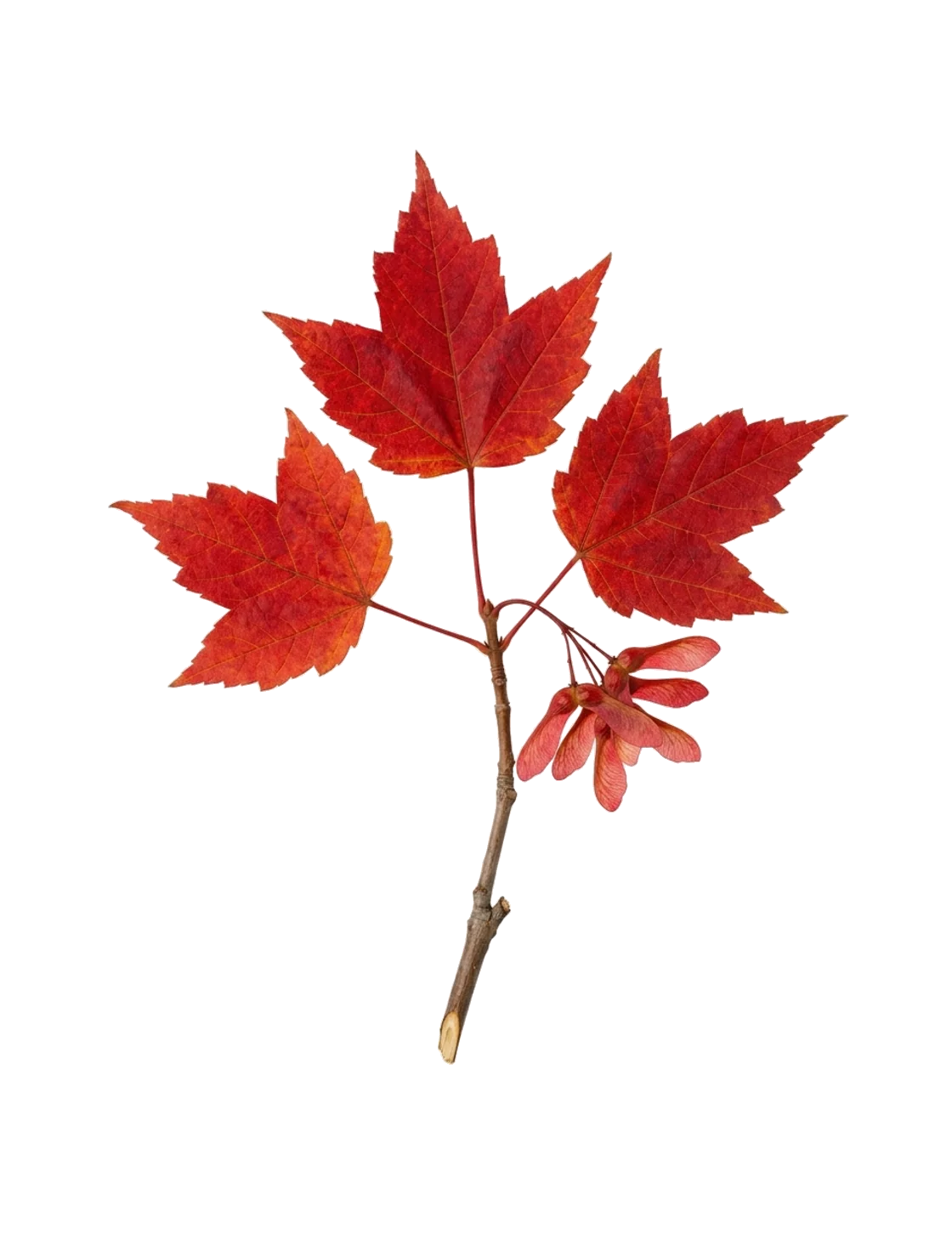
The red maple (Acer rubrum) is one of the most recognizable deciduous trees native to North American forests, highly valued in landscaping for its dependable vigor and dramatic seasonal display. Throughout spring and summer, it forms a handsome canopy of green, lobed leaves with silver-toned undersides, serving as an exceptional shade tree for spacious outdoor settings.
When autumn arrives, the tree becomes a showstopper as its canopy turns fiery shades of scarlet, orange, and amber. Unlike many other maple varieties, this species demonstrates remarkable adaptability to damp environments, naturally thriving in river valleys, wetlands, and low-lying ground where moisture is plentiful.
In domestic gardens, it develops into a medium to large tree with smooth gray bark that gains character with age. Providing it with moist, slightly acidic soil and abundant sunlight ensures healthy growth and maximizes the intensity of its celebrated fall color transformation.
Did you know?Red maple is among the very first trees to bloom in late winter and produces winged seeds called samaras that twirl down like helicopters in spring.
Care. What it needs, point by point.
- Watering
- 2–3× a weekWater young trees thoroughly two to three times a week during hot dry spells, tapering off in late autumn. Established trees handle short dry spells well, but keep the soil evenly moist to support optimal root health.
- Light
- Full sunPlant in full sun to achieve the most vibrant autumn foliage and strong canopy development. It can also tolerate partial shade, which is particularly beneficial in regions with scorching summer afternoons.
- Temperature
- Red maple is exceptionally cold-hardy, withstanding winter temperatures as low as -30 °C and summer highs around 30 °C. Protect young saplings from harsh drying winds during prolonged heatwaves to avoid leaf scorch.
- Soil
- It thrives in rich, moist, and well-draining soil, showing a distinct preference for slightly acidic ground. Alkaline soils should be avoided or amended, as high pH levels easily lead to nutrient lockup.
- Fertilizer
- Top-dress with compost or feed with a balanced, slow-release fertilizer in early spring as new buds swell. Avoid feeding in late summer, as late flushes of soft growth can suffer freeze damage.
- Pruning
- Prune in late summer or mid-winter to remove crossed, diseased, or dead branches while maintaining shape. Avoid pruning in early spring because the tree bleeds sap profusely when winter breaks.
- Propagation
- Sow seeds in autumn or cold-stratify them over winter before sowing in early spring. You can also root softwood cuttings taken in late spring under high humidity.
Where it grows. In the wild and in homes.
In the wild it grows in North America, in a temperate climate.
People have also taken it to 7 more regions where it now grows on its own: Europe and North America.
Range: Plants of the World Online, Royal Botanic Gardens, Kew
Is Red maple toxic to cats and dogs?
Non-toxic to cats and dogs.

Cats
Non-toxic

Dogs
Non-toxic
Source · ASPCA Animal Poison Control
Gallery As the community sees it.
Photo · Nichole Ouellette · CC BY-SA 4.0
Common problems What tends to go wrong.
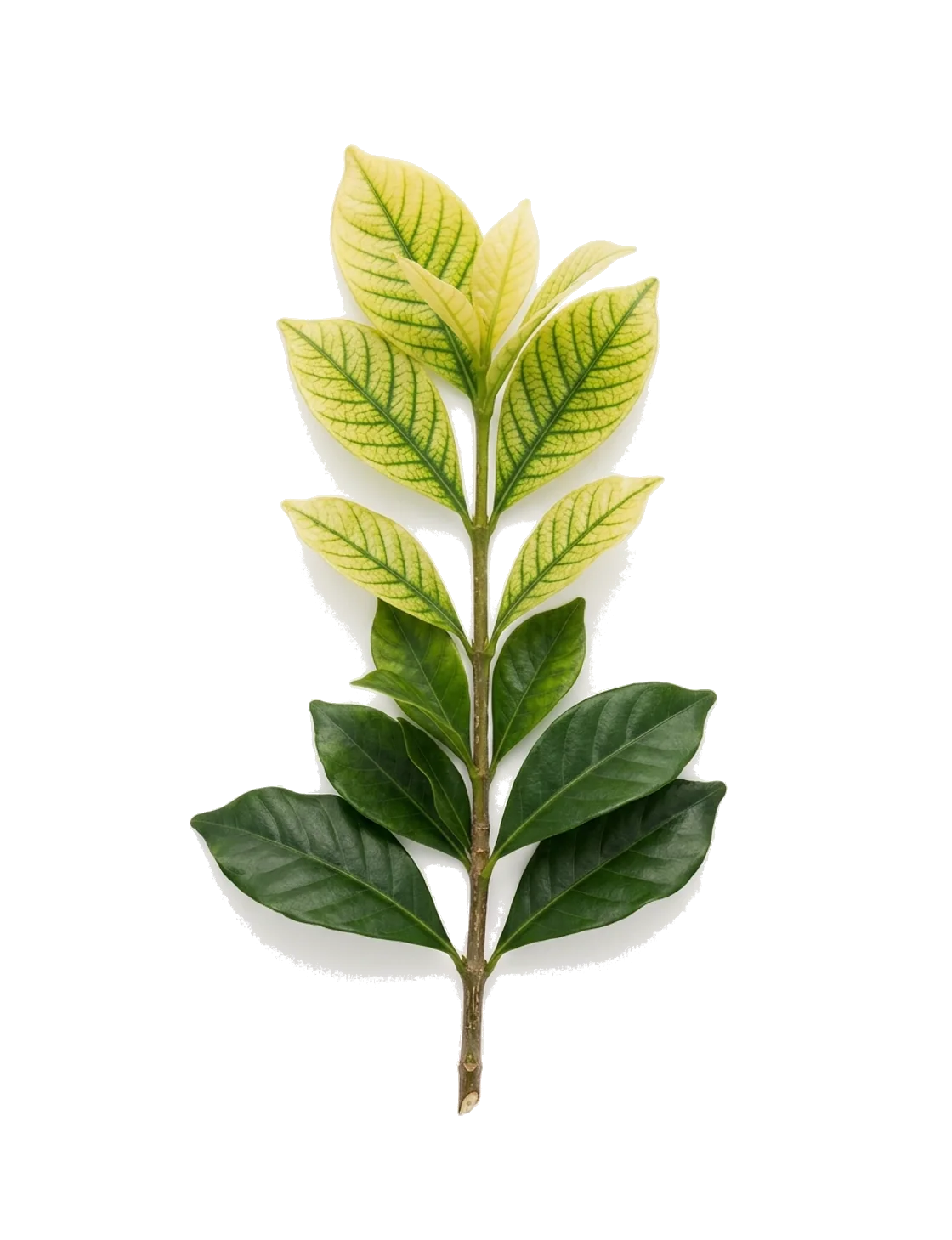
- Iron chlorosis
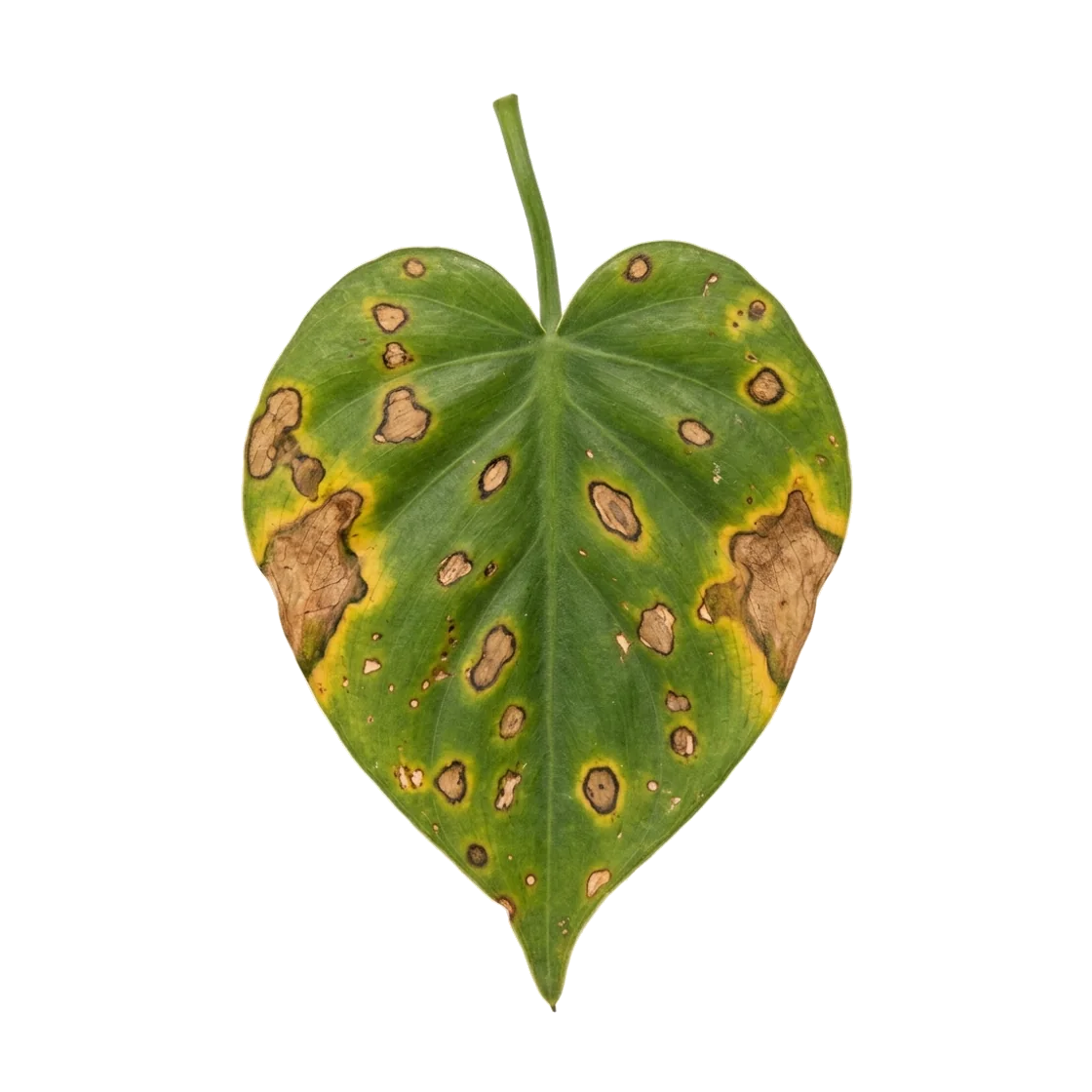
- Fungal or bacterial leaf spots
- Powdery mildew
- Underwatering

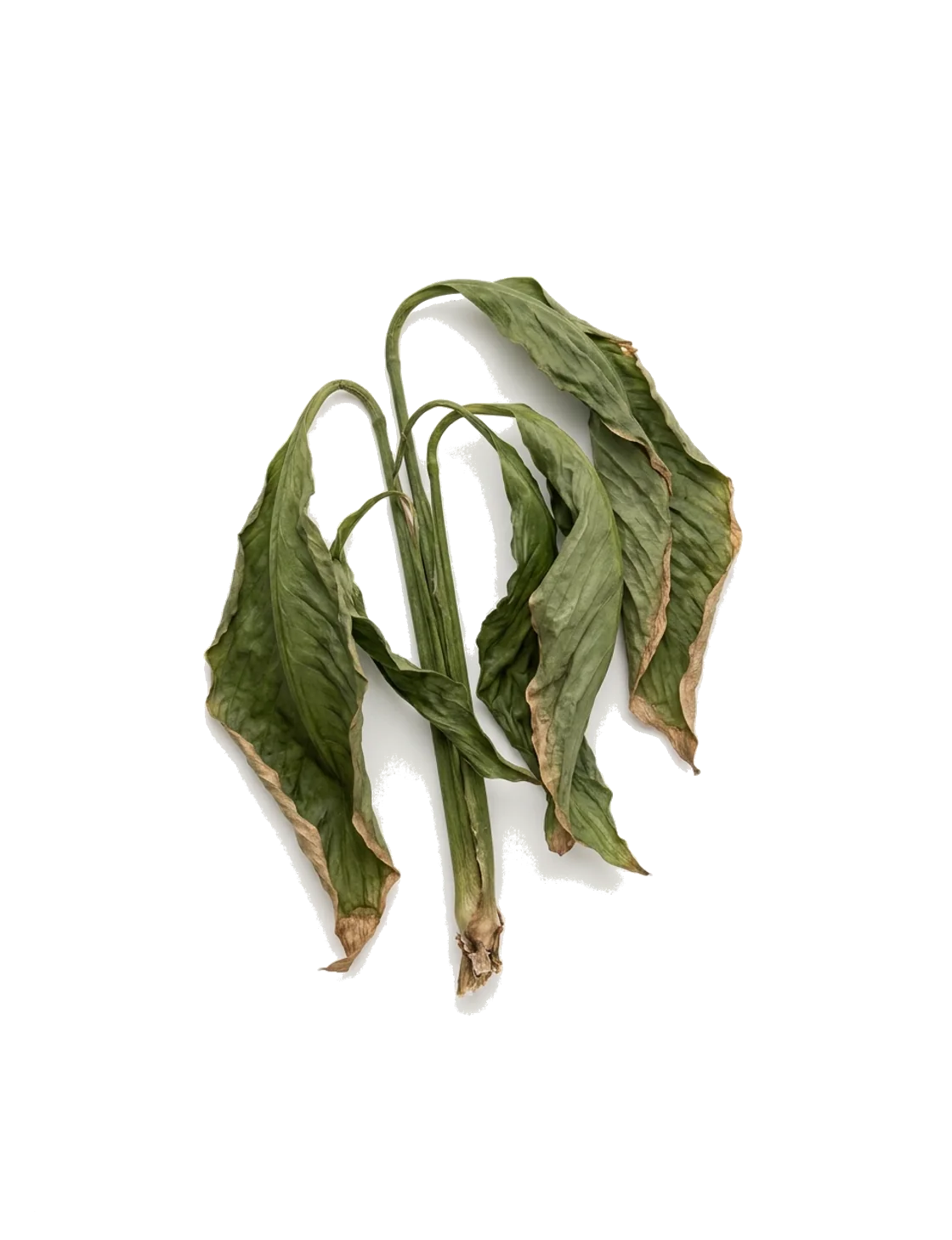
Frequently asked questions What people ask most.
Why are my red maple's leaves turning yellow in summer?
This is frequently caused by iron chlorosis, which occurs when the soil pH is too alkaline for the tree to take up iron. Amend the planting area with sulfur or organic matter to lower the pH and treat the tree with chelated iron.
Why is my red maple not turning red in the fall?
Brilliant fall coloration requires plenty of direct sunlight combined with cool, crisp autumn nights and warm days. Additionally, seedling-grown trees vary naturally in genetic coloration, and excessive nitrogen late in the season can delay color changes.
Can red maple be grown in containers or as a bonsai?
Yes, it is a favored subject for traditional bonsai and can be maintained in large outdoor planters during its early stages. For a full-sized shade tree, it should eventually be planted in open garden soil so its root system can expand freely.
How do I protect the tree from summer leaf scorch?
Spread a 5 to 7 cm layer of organic mulch over the root zone to conserve soil moisture and cool root temperatures. Supplement watering during dry periods, applying water deeply around the drip line rather than shallowly at the trunk base.