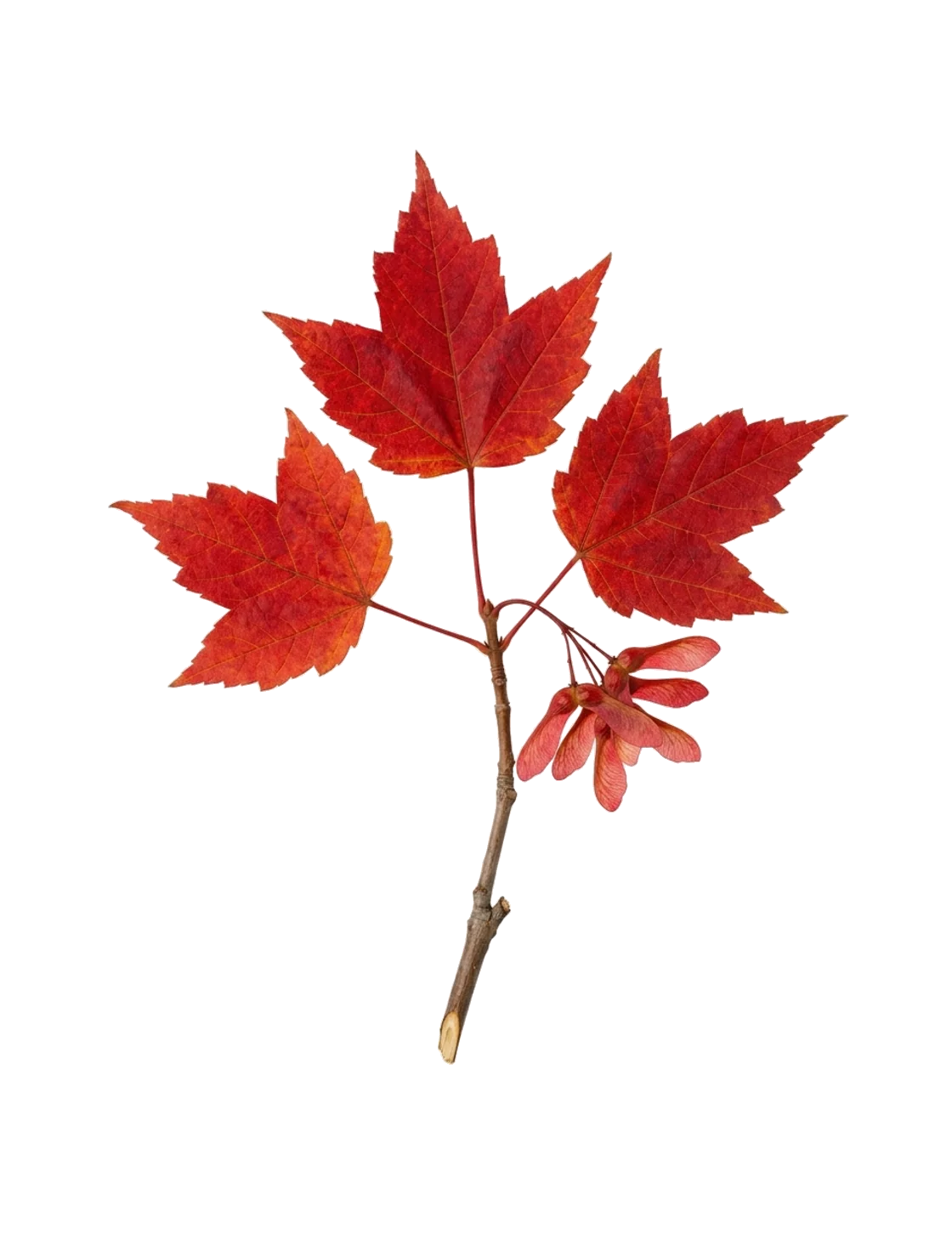
Japanese maple
Acer palmatum
Complete care guide for Japanese maple (Acer palmatum): light, watering, soil requirements, and pruning tips for stunning, healthy seasonal foliage.
- Light
- Part shade
- Watering
- 2–3days between waterings
- Temperature
- 10–24 °Cideal temperature
- Toxicity
- Non-toxic
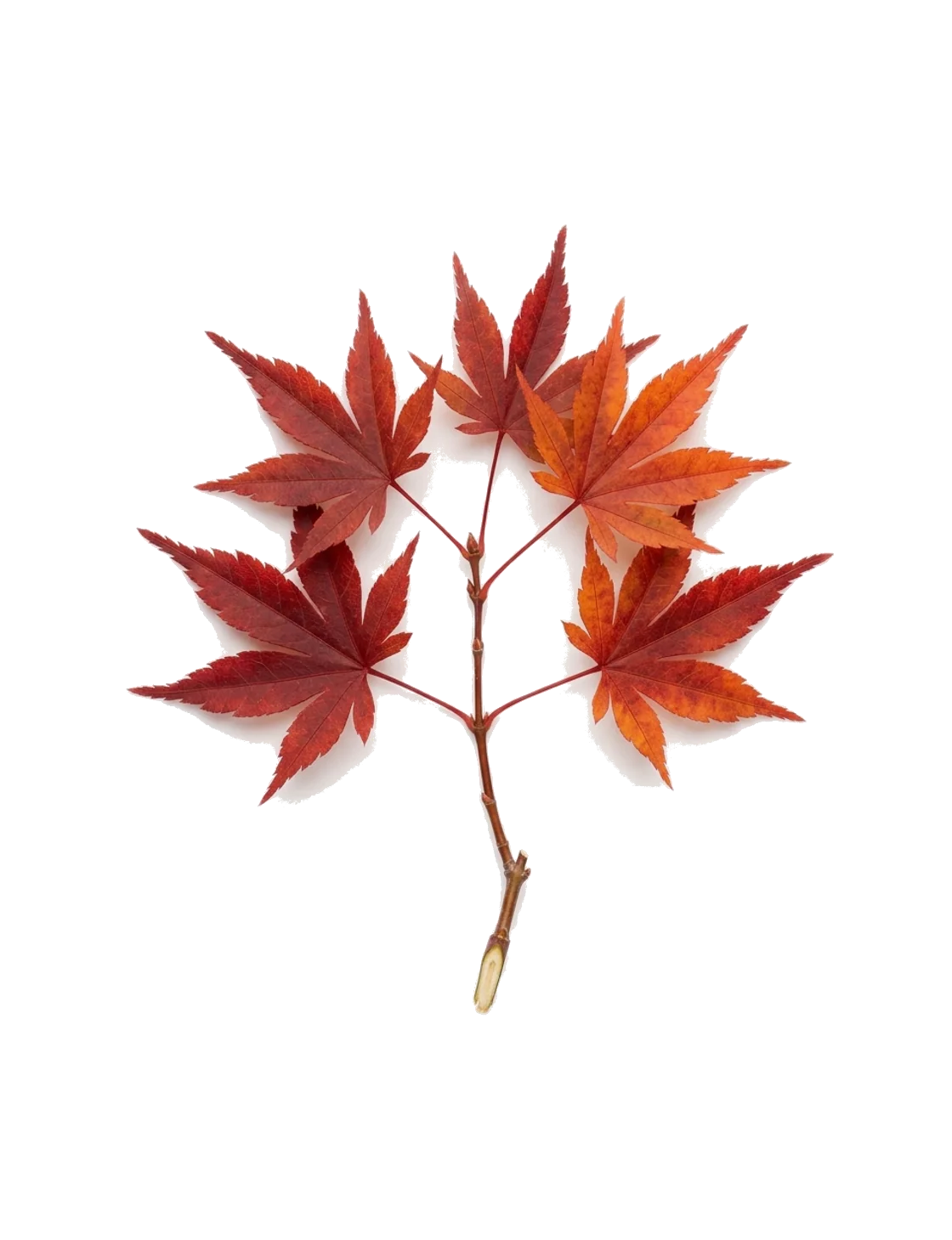
The Japanese maple (Acer palmatum) is one of the most celebrated deciduous trees in horticulture, cherished for its architectural habit and finely cut, palmate leaves. Native to East Asia, it brings unmatched seasonal interest to outdoor landscapes, shifting from fresh green or deep burgundy foliage in spring to fiery hues of red, orange, and gold in autumn.
While it can reach medium heights when planted directly into garden soil, its slow to moderate growth makes it exceptionally well suited for large containers on patios, courtyards, and as traditional bonsai. It requires shelter from desiccating winds and intense midday sun, both of which can quickly singe its delicate foliage. It thrives in temperate regions marked by cool winters and mild summers.
The secret to cultivating a healthy Japanese maple lies in providing a fertile, well-draining, slightly acidic medium combined with steady, even moisture. Shielded from blazing afternoon heat and waterlogging, this graceful specimen will reward your garden with timeless elegance and one of the finest autumn displays nature has to offer.
Did you know?In Japan, the tradition of 'momijigari' involves traveling to gardens and mountains specifically to view and celebrate the autumn colors of maples.
Care. What it needs, point by point.
- Watering
- 2–3 days between wateringsMaintain consistent moisture around the roots without allowing the soil to turn soggy or waterlogged. During hot summer periods, it typically requires watering every two to three days, while winter moisture should be drastically reduced to occasional checks.
- Light
- Part shadePrefers partial shade or dappled sunlight, thriving best with gentle morning rays. Avoid exposing it to direct, harsh afternoon sun, which quickly scorches the edges of its delicate leaves.
- Temperature
- 10–24 °C ideal temperatureHighly cold-hardy during winter dormancy, thriving best in an active temperature range of 10 to 24 °C. It suffers significantly in temperatures above 32 °C when accompanied by arid, windy conditions.
- Soil
- pH 5.5–6.5Requires a loose, humus-rich soil mix with an acidic to neutral pH between 5.5 and 6.5. Exceptional drainage is essential to protect its fine root network from fungal decay.
- Fertilizer
- Feed with a balanced, slow-release or ericaceous fertilizer in early spring as new growth emerges. Cease all fertilization by midsummer so young growth can harden off before freezing weather arrives.
- Pruning
- Prune exclusively during full winter dormancy to prevent heavy sap bleeding from cut branches. Limit cuts to removing dead, diseased, or crossing stems to maintain its natural architectural form.
- Propagation
- Commonly propagated through cold-stratified seeds in winter or by grafting specific cultivars onto seedling rootstocks. Semi-hardwood cuttings taken in early summer can root, though they yield moderate success rates.
Where it grows. In the wild and in homes.
In the wild it grows in East Asia, in a temperate climate.
People have also taken it to 24 more regions where it now grows on its own: North America, Europe, Australasia, and temperate Asia.
Range: Plants of the World Online, Royal Botanic Gardens, Kew
Is Japanese maple toxic to cats and dogs?
The ASPCA doesn't list this species. If your pet has chewed it and seems unwell, call your vet.
Gallery As the community sees it.
Photo · Dominicus Johannes Bergsma · CC BY-SA 4.0
Common problems What tends to go wrong.
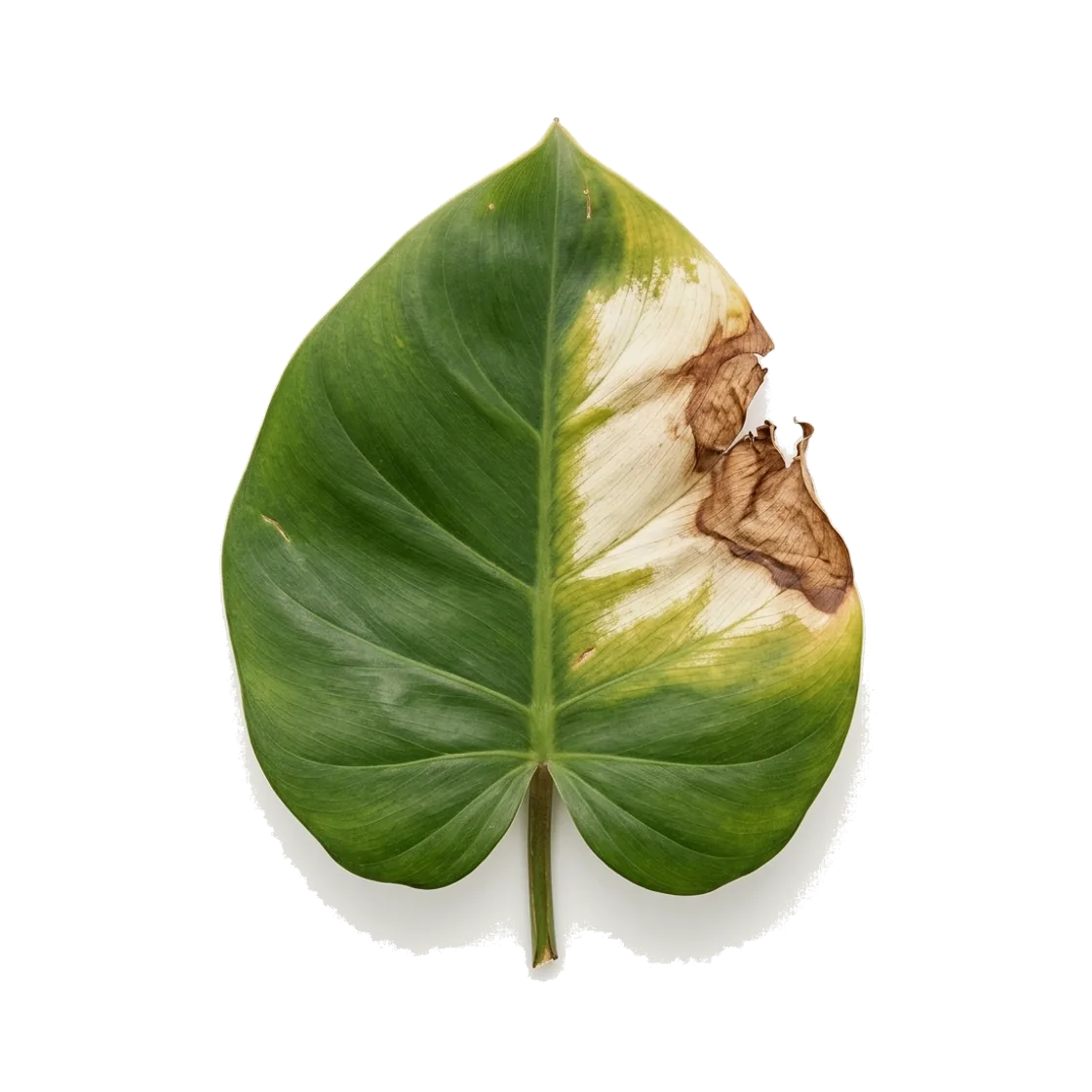
- Sunburn
- Dry air
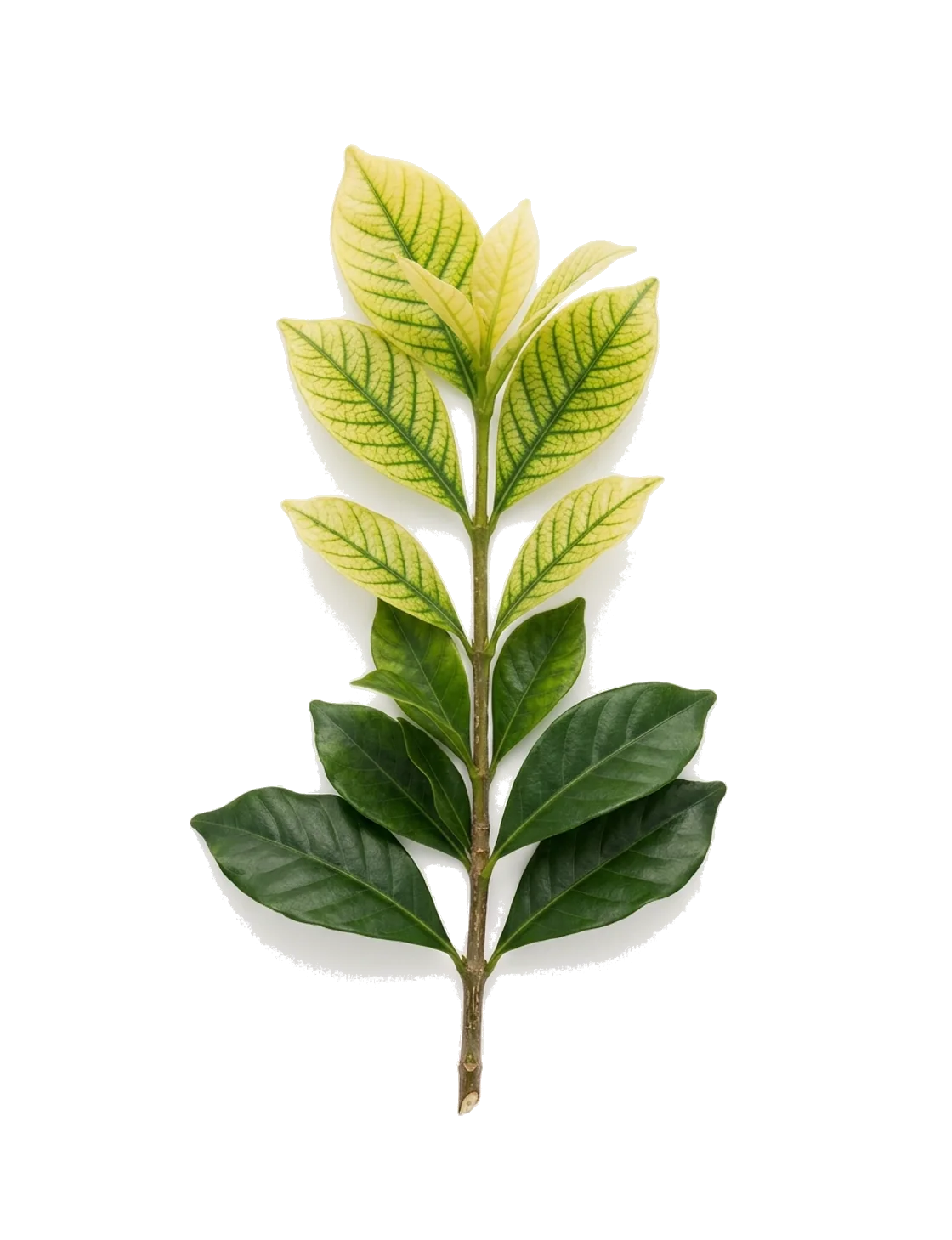
- Iron chlorosis
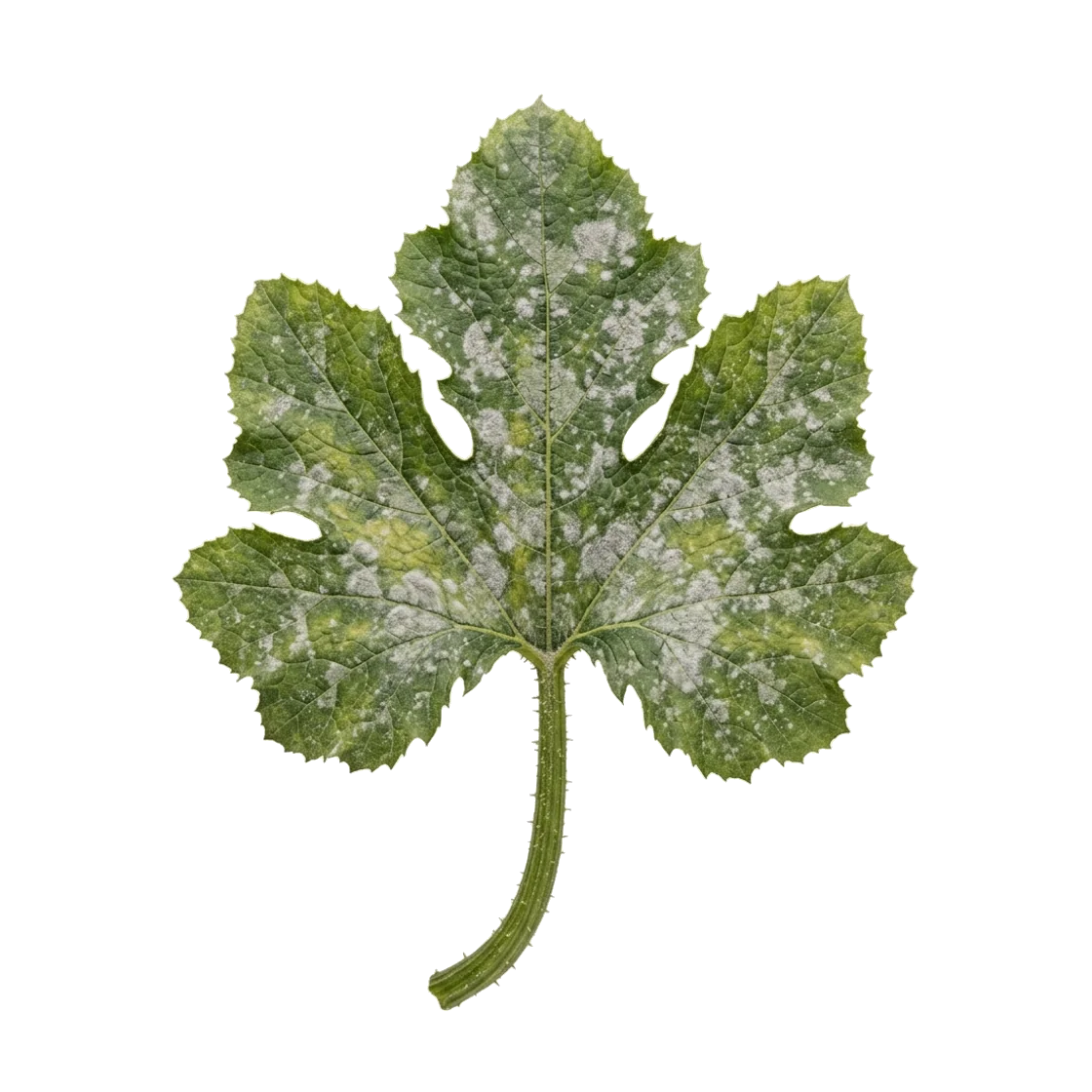
- Powdery mildew
- Root rot


Frequently asked questions What people ask most.
Why are the tips of the leaves turning dry and crispy?
Leaf scorch is typically caused by harsh afternoon sunlight, dry winds, or underwatering during high temperatures. Move container plants to a dappled morning-light spot and maintain consistent soil moisture.
Why did my red-leaved maple turn green in summer?
Many red varieties produce green chlorophyll in response to intense summer heat or insufficient ambient light. Providing gentle morning sun and keeping the tree cool helps maintain the intended foliage colors.
Can I grow a Japanese maple indoors?
No, this is an outdoor temperate tree that requires natural seasonal changes and winter chilling to enter dormancy. Kept indoors year-round, it will quickly decline due to stagnant air and lack of a winter rest.
What kind of water is best for this tree?
Rainwater or filtered tap water is ideal, as maples dislike hard, alkaline water with high calcium levels. Prolonged use of hard tap water raises the soil pH and leads to leaf chlorosis.