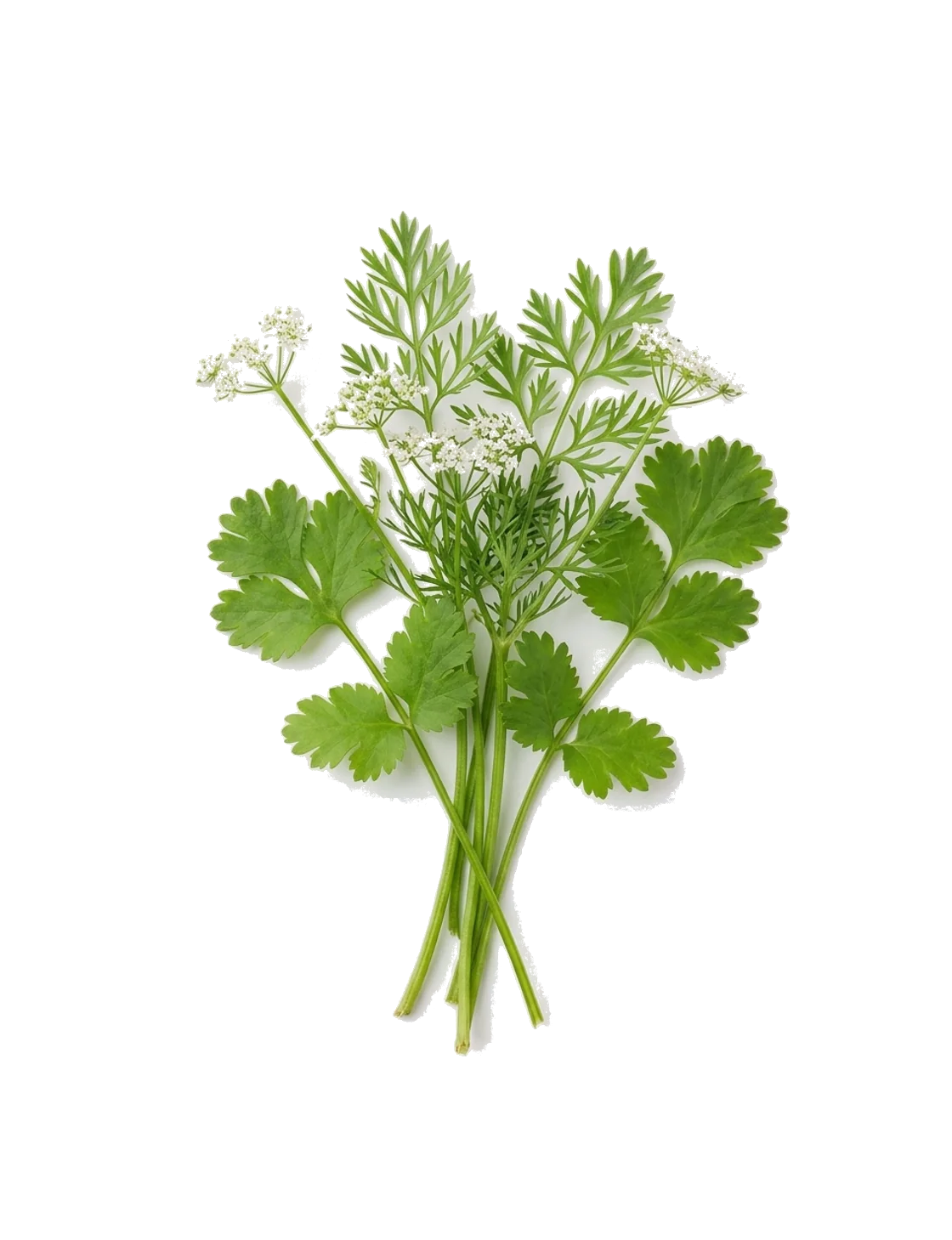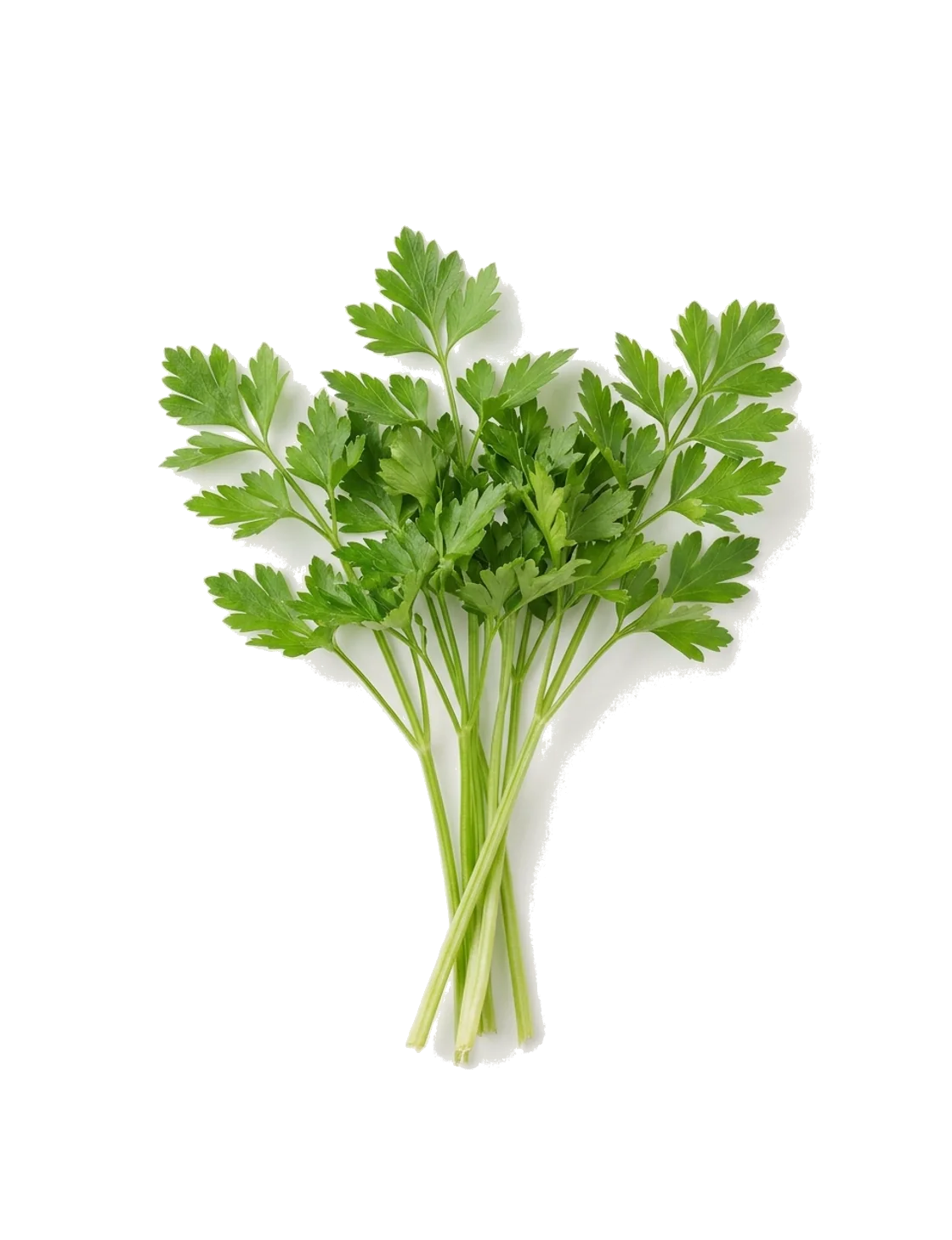
Parsley (Petroselinum crispum) is a widely cultivated biennial herb native to the Mediterranean region, celebrated for its fresh flavor and culinary versatility across the globe. It forms upright clumps of bright green, divided foliage that can be either flat or curly depending on the chosen cultivar. Compact and resilient, it grows exceptionally well in raised beds, vegetable patches, and small kitchen containers.
Because it functions as a biennial, parsley dedicates its first growing season to generating rich, aromatic leaves for harvest. In its second year, the plant shifts its energy into flowering, producing tall umbels of delicate greenish-yellow blooms before setting seed. Once flowering begins, the foliage turns bitter and fibrous, which is why many home gardeners choose to grow it as an annual crop.
Regular harvesting plays a crucial role in maintaining vigorous growth throughout the season. Trimming mature outer stems encourages the central crown to continually push up fresh, tender leaves. With well-drained soil, steady moisture levels, and moderate sunlight, parsley remains one of the most accessible and rewarding kitchen herbs to maintain at home.
Did you know?In ancient Greece, parsley was linked to rebirth and used to craft ceremonial victory crowns for winners of the Isthmian Games.
Care. What it needs, point by point.
- Watering
- 2–3× a weekWater roughly two to three times a week during warm weather and reduce slightly in the winter months. Always check that the top inch of soil feels dry before watering again to prevent moisture accumulation.
- Light
- ShadeParsley thrives in full morning sun to partial afternoon shade, particularly in hotter environments. If growing indoors, set the pot near a bright windowsill that receives plenty of indirect daylight.
- Temperature
- 15–22 °C ideal temperatureThe ideal growing range is between 15 °C and 22 °C (59 °F to 72 °F). Although it tolerates mild frosts, continuous heat above 30 °C triggers bolting and damages foliage quality.
- Soil
- Plant in a loose, nutrient-rich potting mix with perlite and compost to maintain moisture without becoming waterlogged.
- Fertilizer
- 3–4 weeks between feedsFeed with a balanced liquid organic fertilizer every three to four weeks during spring and summer. Avoid heavy nitrogen applications, which produce rapid leaf growth at the expense of concentrated flavor.
- Pruning
- Harvest outer mature stems at the base using clean snips, leaving the central crown intact to produce new leaves. Remove any emerging flower stalks immediately to prolong vegetative growth.
- Propagation
- Propagate by sowing seeds in early spring once severe cold has passed. Soaking seeds in warm water for twenty-four hours before planting significantly accelerates their sluggish germination rate.
Where it grows. In the wild and in homes.
In the wild it grows in northern Africa and southeastern Europe, in a temperate climate.
People have also taken it to 109 more regions where it now grows on its own: Europe, North America, South and Central America and the Caribbean, and Africa.
Range: Plants of the World Online, Royal Botanic Gardens, Kew
Is Parsley toxic to cats and dogs?
Toxic to cats and dogs.

Cats
Toxic

Dogs
Toxic
Usual signs
Photosensitization (sunburn and dermatitis), though large amounts are needed to cause this effect.
If your pet has chewed it and shows symptoms, call your vet or the nearest emergency vet.
Source · ASPCA Animal Poison Control
Common problems What tends to go wrong.
- Aphids
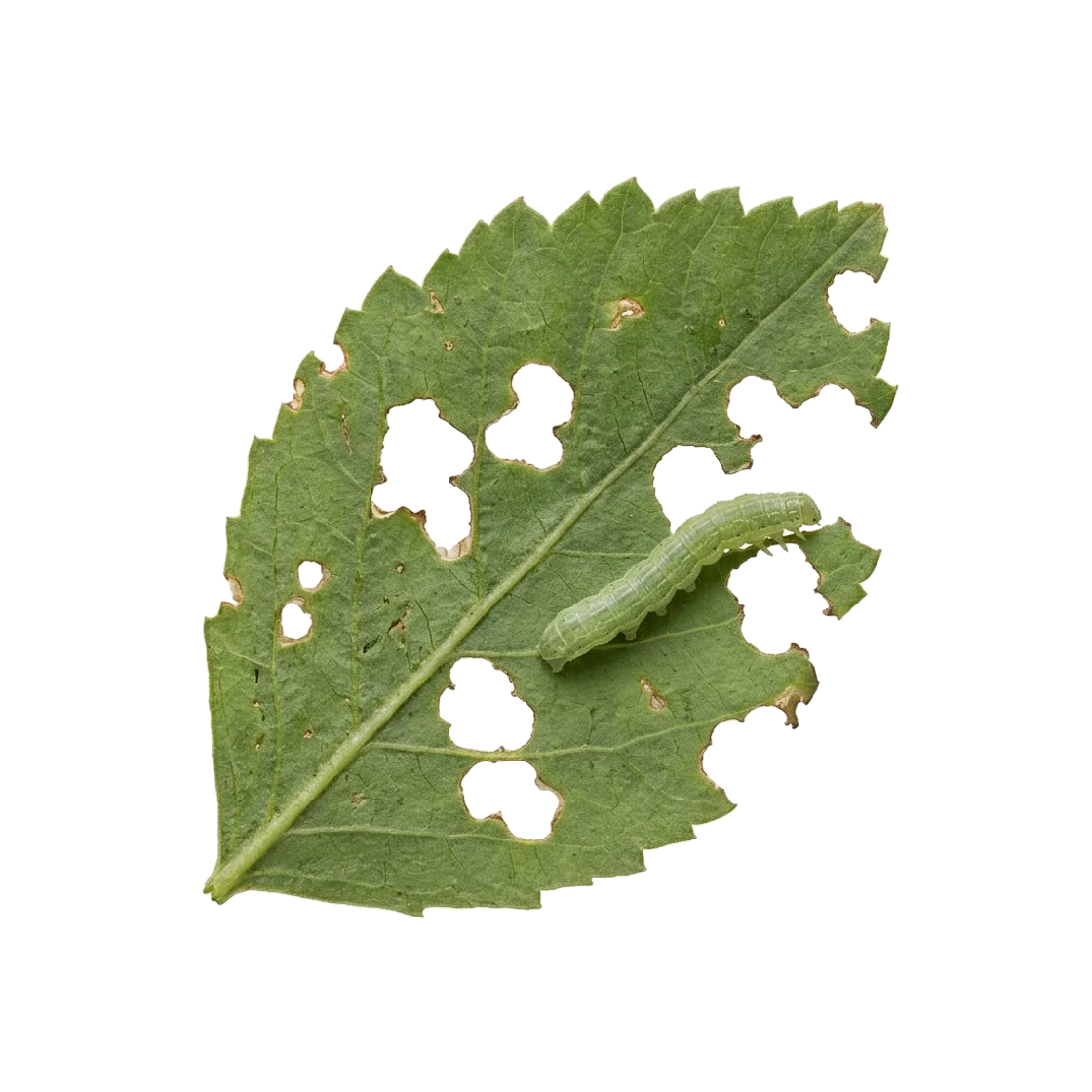
- Caterpillars
- Root rot
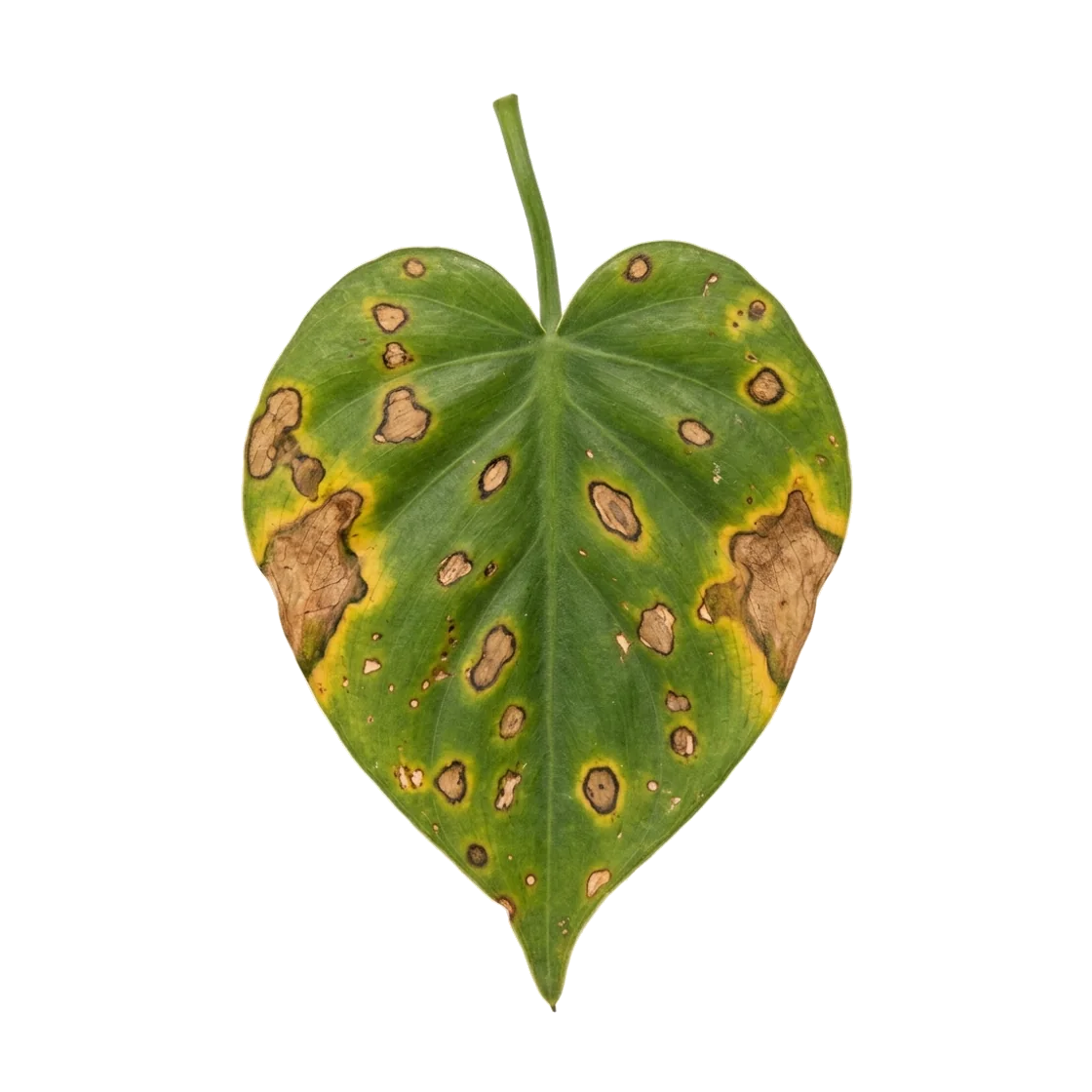
- Fungal or bacterial leaf spots
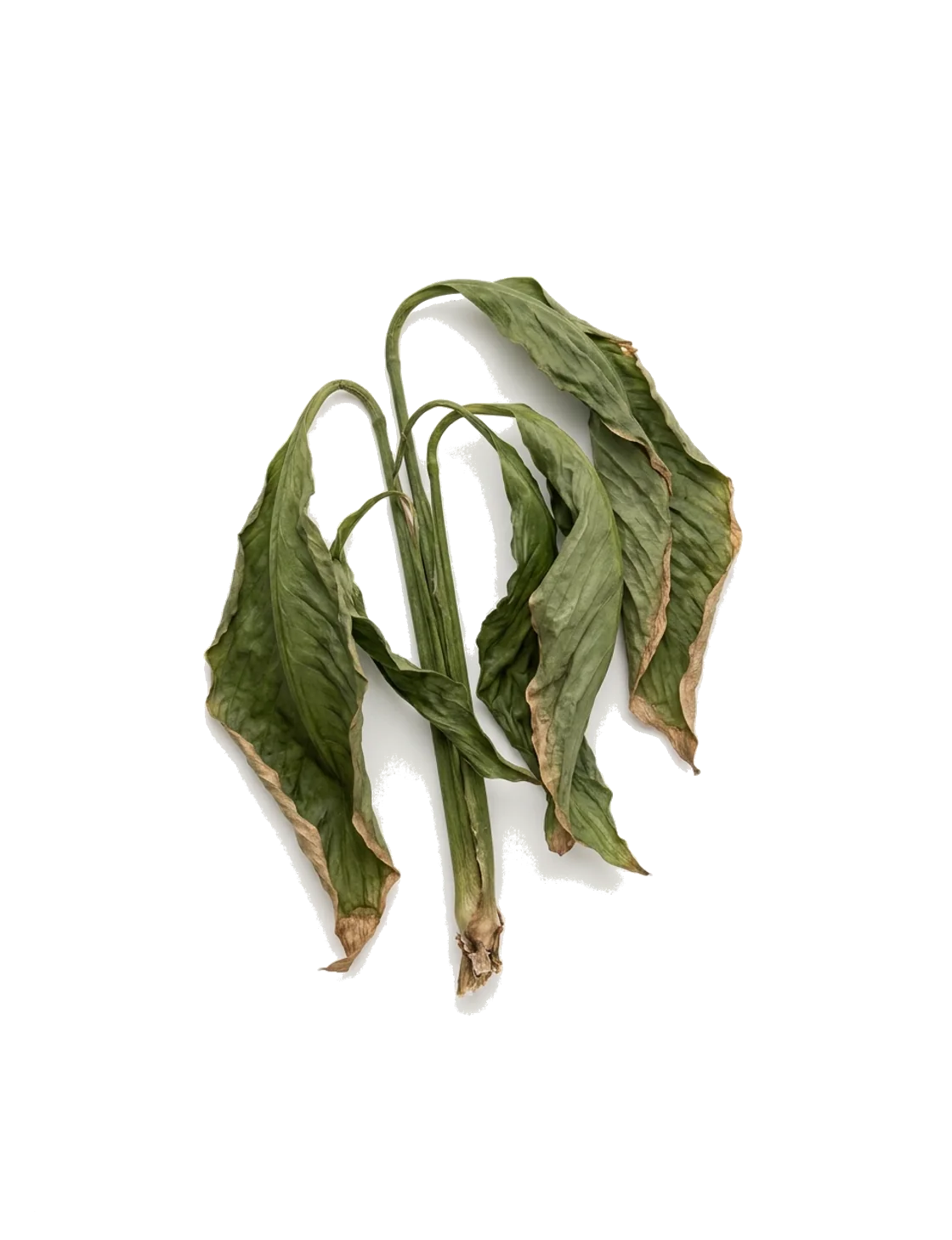
- Underwatering


Frequently asked questions What people ask most.
Why are my parsley leaves turning yellow?
Yellowing leaves are usually caused by overwatering or compacted soil that restricts oxygen to the roots. It can also point to a nitrogen deficiency in older potting mixes. Allow the top layer of soil to dry before watering and verify that the container drains freely.
How should I harvest parsley so it keeps producing?
Always harvest the outermost, fully grown stems by cutting them near soil level with clean scissors. Never cut from the center of the clump, as that is the crown where all new shoots emerge.
What should I do when parsley begins to flower?
Pinch off flower stalks as soon as they emerge if you want to keep harvesting leaves, since blooming turns the foliage tough and bitter. Because parsley naturally dies after flowering in its second year, you should prepare to sow fresh seeds for a new crop.
Why do parsley seeds take so long to germinate?
Parsley seeds have a tough outer coat and natural germination inhibitors, frequently taking three to six weeks to sprout. Soaking the seeds in lukewarm water for a full day prior to planting softens the coat and noticeably speeds up the process.