Carrot
Daucus carota subsp. sativus
Guide to growing carrots at home: direct sowing, watering, loose soil and staggered harvest of sweet crunchy roots step by step. Full practical guide.
- Light
- 6 hof direct sun
- Watering
- 2–3×a week
- Temperature
- 15–22 °Cideal temperature
- Toxicity
- Non-toxic
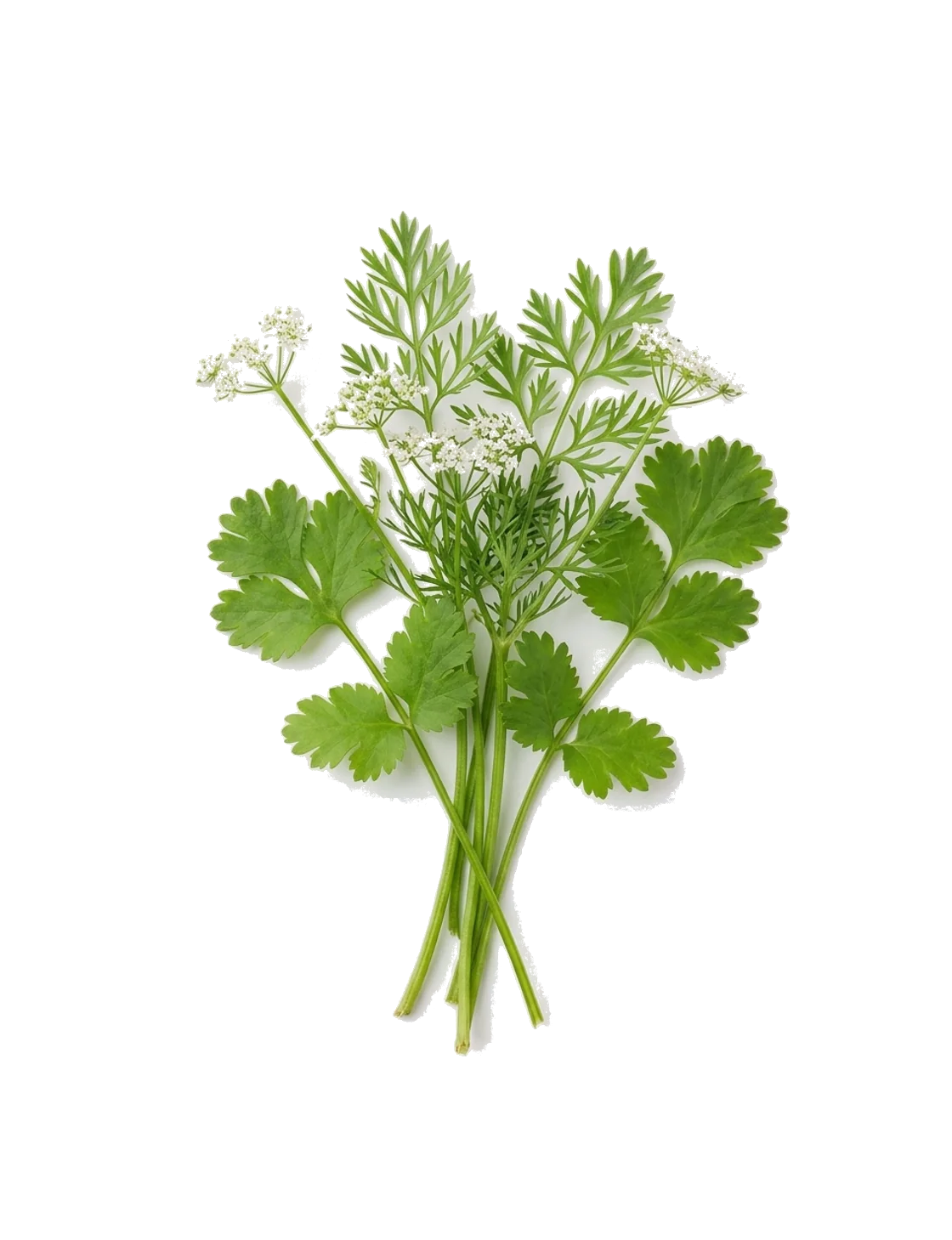
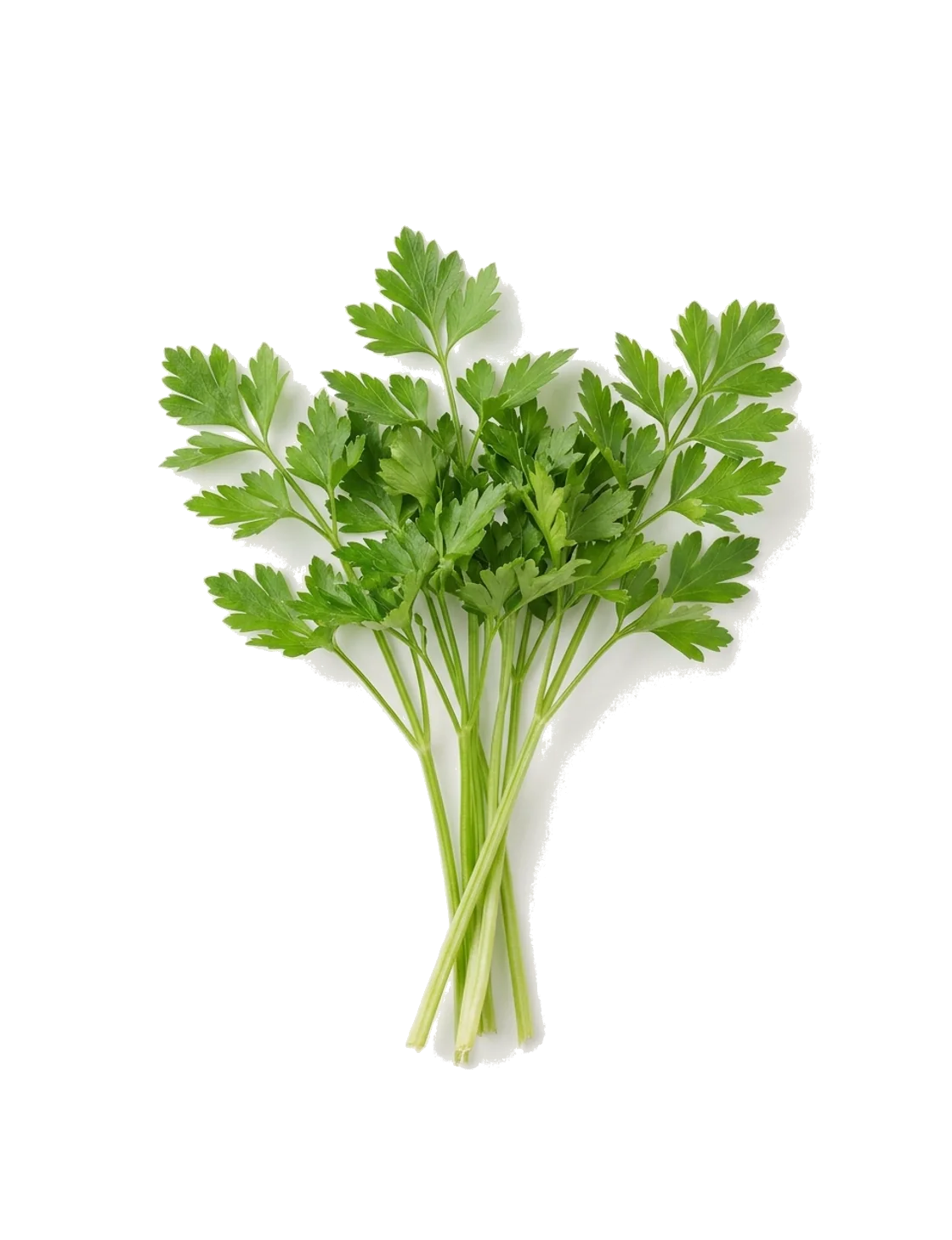
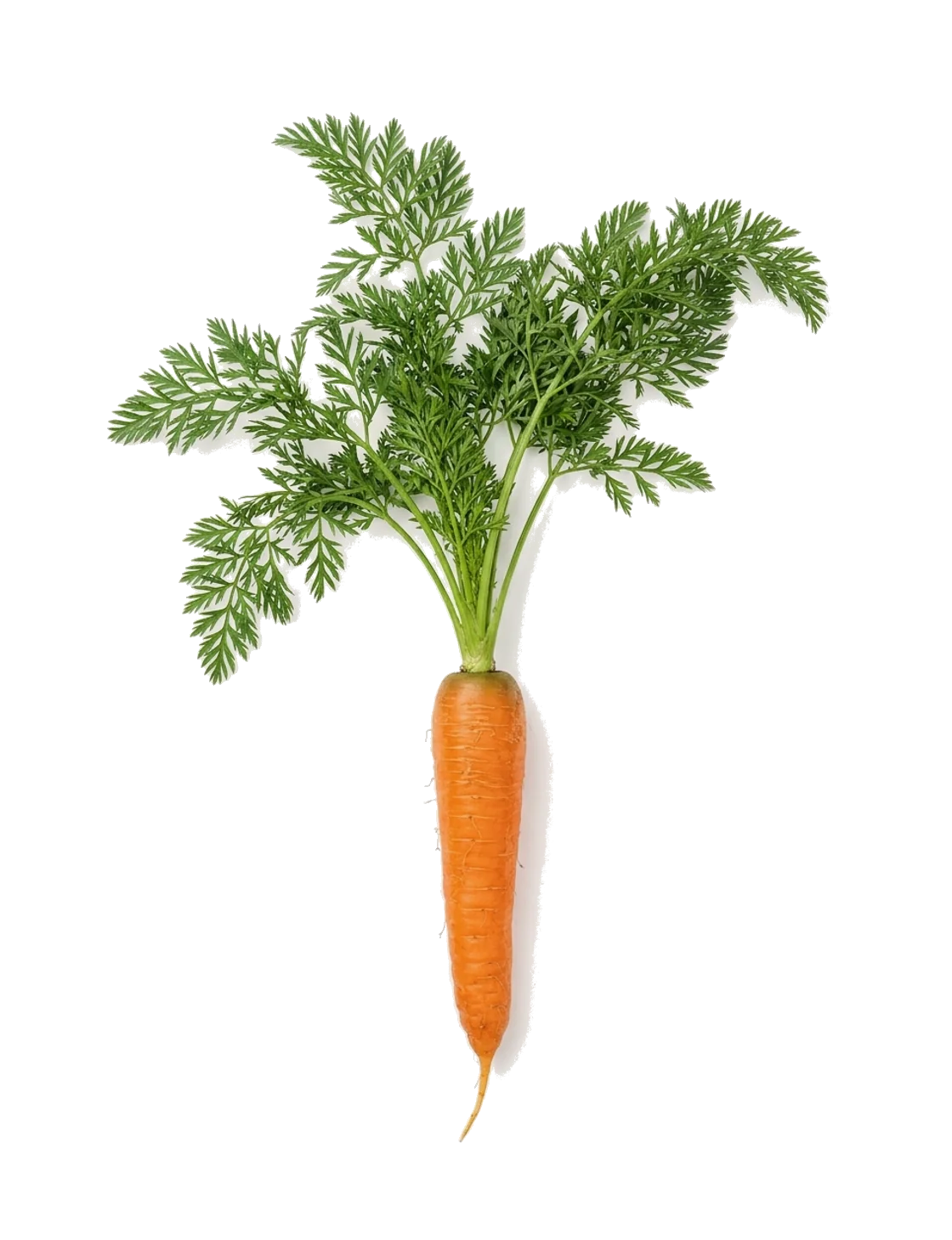
The carrot (Daucus carota subsp. sativus) is a biennial vegetable grown as an annual for its thick, crunchy, sweet root, most often orange but also purple, yellow or white in heirloom types. It belongs to the Apiaceae family and forms a rosette of fine, feathery leaves above a taproot that stores sugars and carotenes. It is one of the most widespread root crops in home gardens thanks to its sweet flavor and good storage after harvest.
It derives from wild forms of Daucus carota, first domesticated in Central Asia and refined in Europe from the 17th century toward thick, uniform orange roots. It prefers cool weather and full sun, with loose, deep, sandy soils where the root can extend without obstacles or forking. At home it is sown directly in the ground or in deep planters, since seedlings resent transplanting and the root deforms easily.
Watering should keep moisture steady without waterlogging, especially during germination and root thickening, when dry spells give fibrous roots and sudden excess splits them. Harvest comes two to four months after sowing depending on the variety, loosening the soil so roots do not snap. With staggered sowings every three or four weeks, tender carrots can be picked over much of the year.
Did you know?Orange carrots became dominant through European selection from the 17th century onward; older types were purple, yellow and white.
Care. What it needs, point by point.
- Watering
- 2–3× a weekKeep the soil evenly moist from sowing until harvest, watering deeply two or three times a week depending on the weather. Let the top 2 cm dry slightly between waterings to avoid cracking and rot. Reduce watering a little in the last two weeks for sweeter, better-keeping roots.
- Light
- 6 h of direct sunCarrots need full sun for most of the day, at least six hours. In very hot areas, light afternoon shade prevents harsh, fibrous roots.
- Temperature
- 15–22 °C ideal temperatureCarrots grow best between 15 and 22 °C, with germination from about 8 °C upward. Light frosts do not harm mature roots, but sustained heat above 28 °C makes them pale and fibrous.
- Soil
- They need loose, deep, stone-free soil, sandy or sandy-loam, with a pH around 6.0 to 6.8. In heavy soil, grow short round varieties in deep containers.
- Fertilizer
- Carrots need little fertilizer. A light dressing of mature compost before sowing is usually enough, with no fresh manure that forks the roots.
- Pruning
- Thinning replaces pruning: remove excess seedlings so roots stand 4 to 5 cm apart. Harvest gradually, starting with the largest roots.
- Propagation
- Carrots are grown only from seed sown directly where they will grow. Sow shallowly, keep the bed moist until emergence, and thin in two passes.
Where it grows. In the wild and in homes.
In the wild it grows in western Asia and Central Asia, in a temperate climate.
People have also taken it to 34 more regions where it now grows on its own: temperate Asia, Europe, Africa, and tropical Asia.
Range: Plants of the World Online, Royal Botanic Gardens, Kew
Is Carrot toxic to cats and dogs?
The ASPCA doesn't list this species. If your pet has chewed it and seems unwell, call your vet.
Common problems What tends to go wrong.
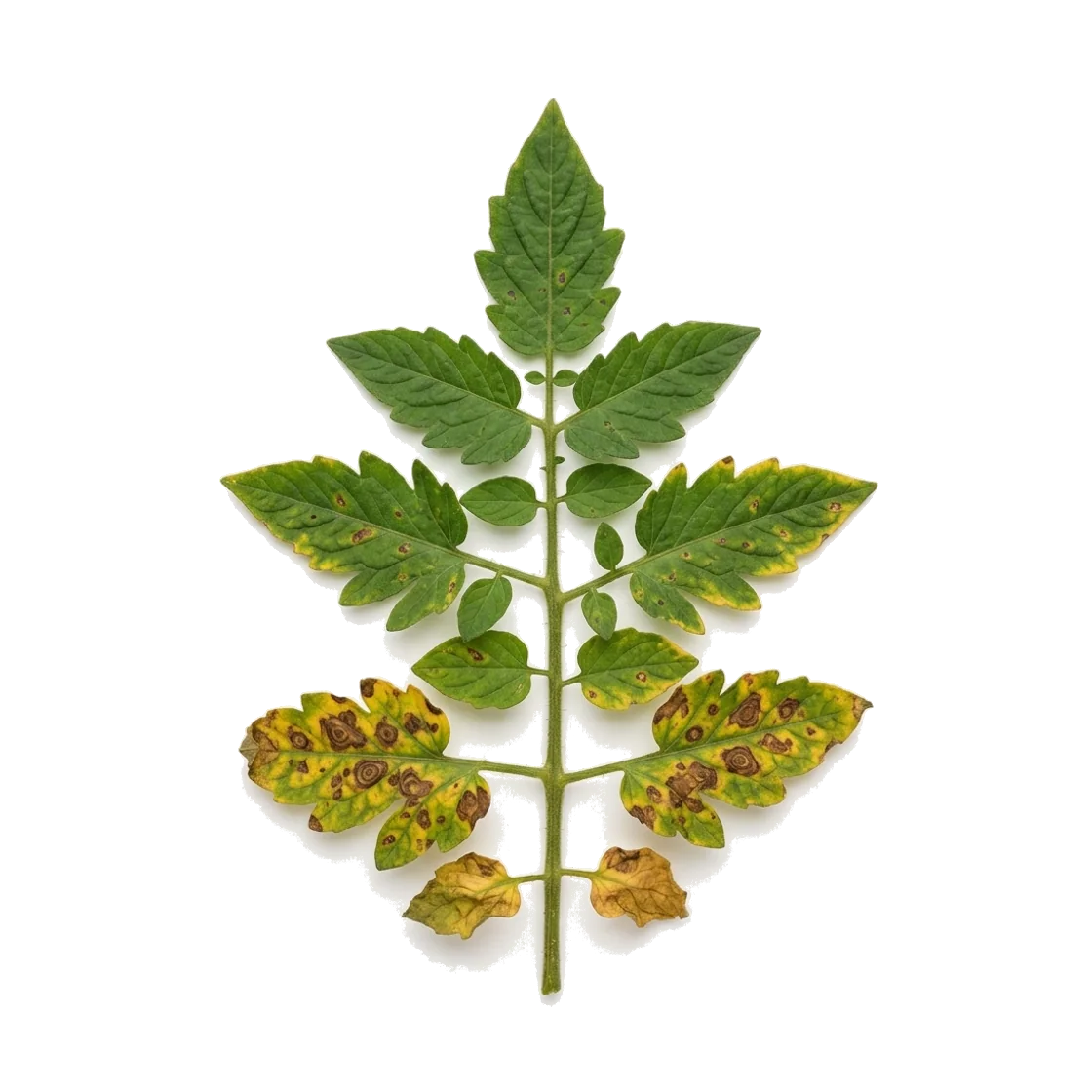
- Early blight
- Aphids
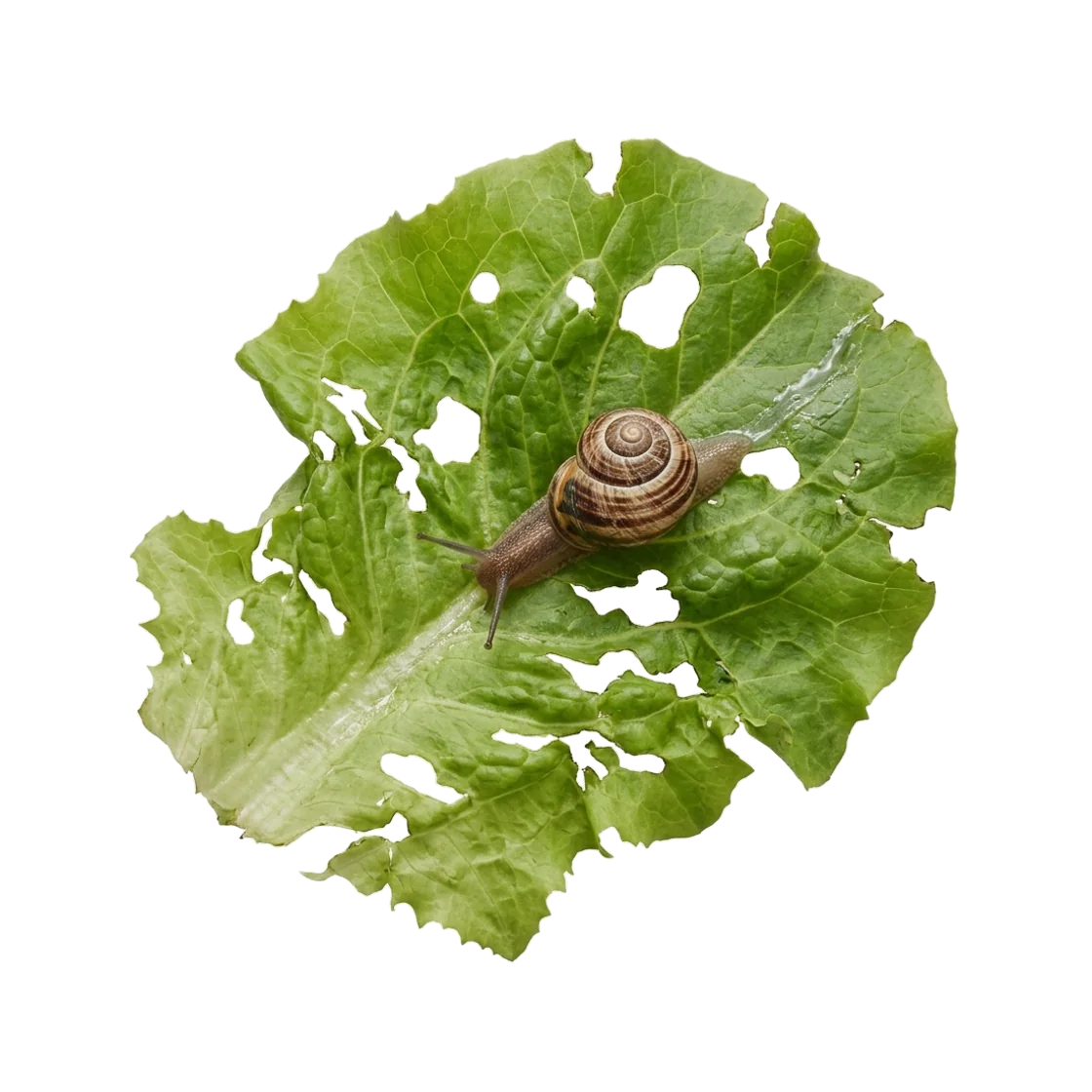
- Snails and slugs
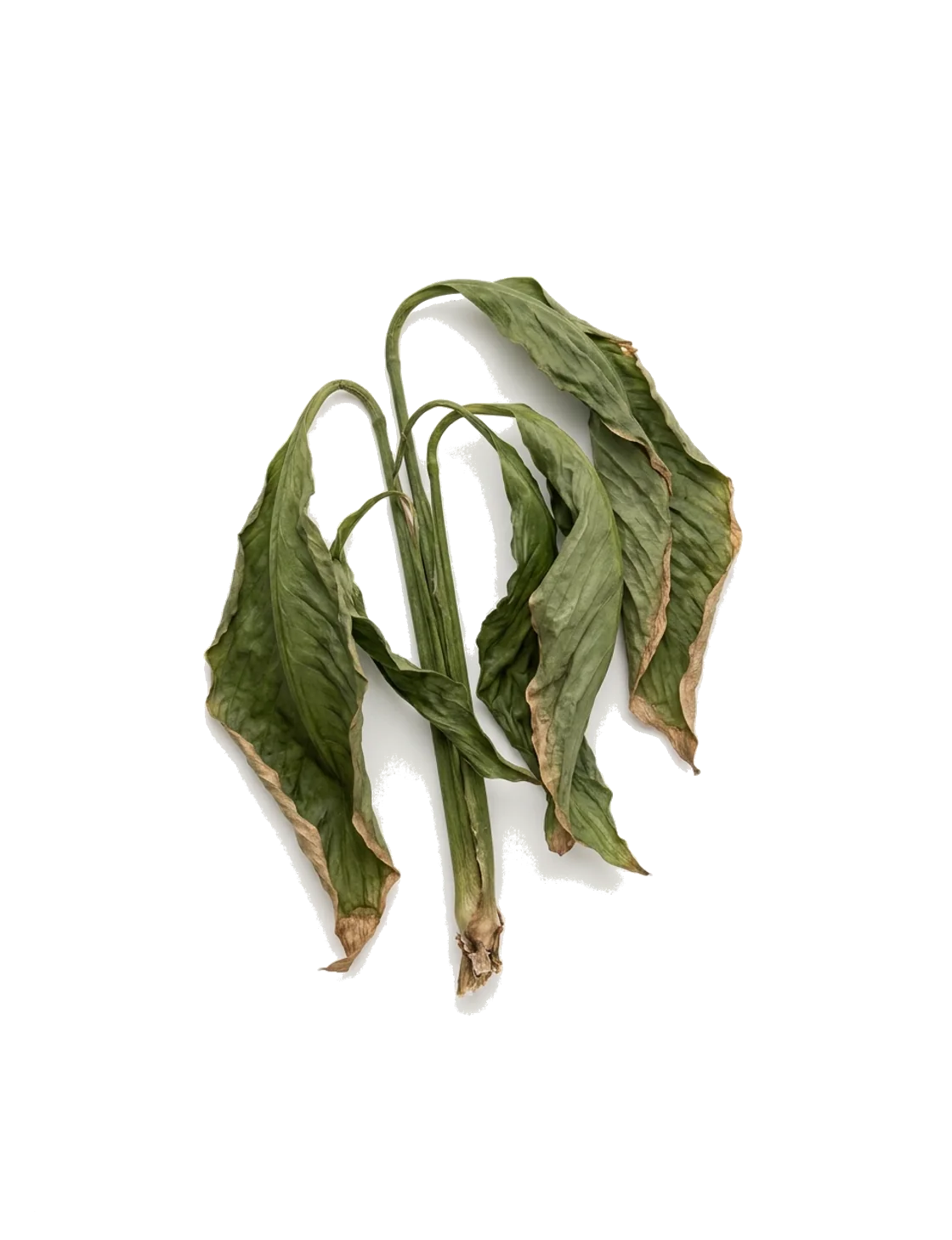
- Underwatering

Frequently asked questions What people ask most.
How often should I water carrots?
Water deeply two or three times a week, keeping the soil evenly moist but never soggy. In sandy soils or hot spells, water more often in smaller amounts so the bed never dries out completely.
Why are my carrots small, forked or deformed?
The usual causes are stony or compacted soil, seedlings left too close together, or fresh manure in the bed. Use loose, stone-free soil, thin to 4 to 5 cm spacing, and feed only with mature compost.
When and how do I harvest carrots?
Most varieties are ready 60 to 120 days after sowing, when the shoulders reach a good diameter for the type. Loosen the soil with a fork first and pull gently to avoid snapping the roots.
Can I grow carrots in pots?
Yes, in containers at least 30 cm deep with loose potting mix and drainage holes. Choose short or round varieties for pots, and thin seedlings rigorously so each root has room.
Why do carrot seeds germinate so slowly?
Carrot seed is naturally slow and needs steady moisture for 14 to 21 days. Cover the row with a board or fleece to hold moisture, check daily, and never let the surface crust over.