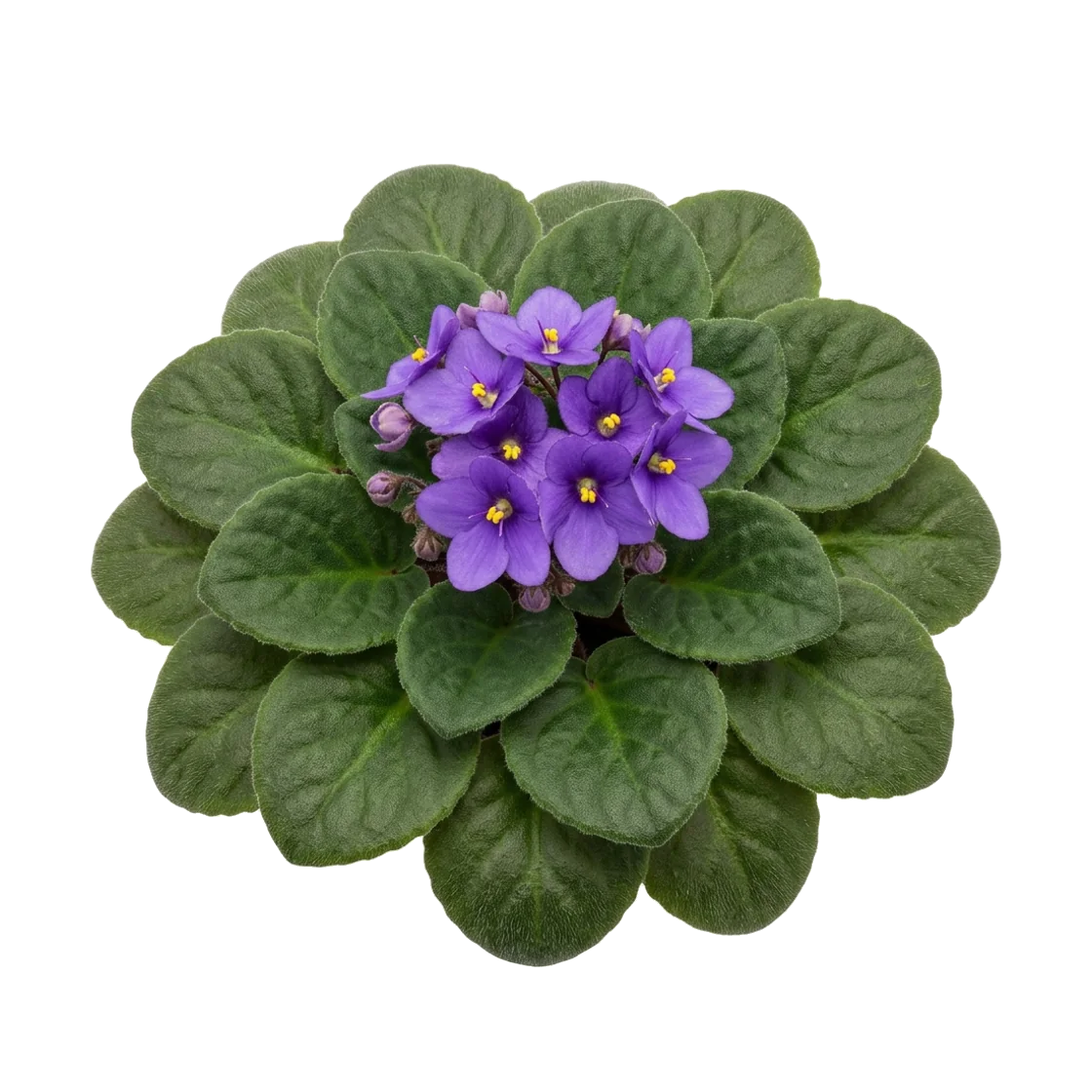
Lipstick plant
Aeschynanthus radicans
Lipstick plant (Aeschynanthus radicans) care: watering, light and cool rest tips for red blooms on trailing stems indoors season after season.
- Light
- Indirect
- Temperature
- 18–26 °Cideal temperature
- Toxicity
- Non-toxic
- Difficulty
- Medium
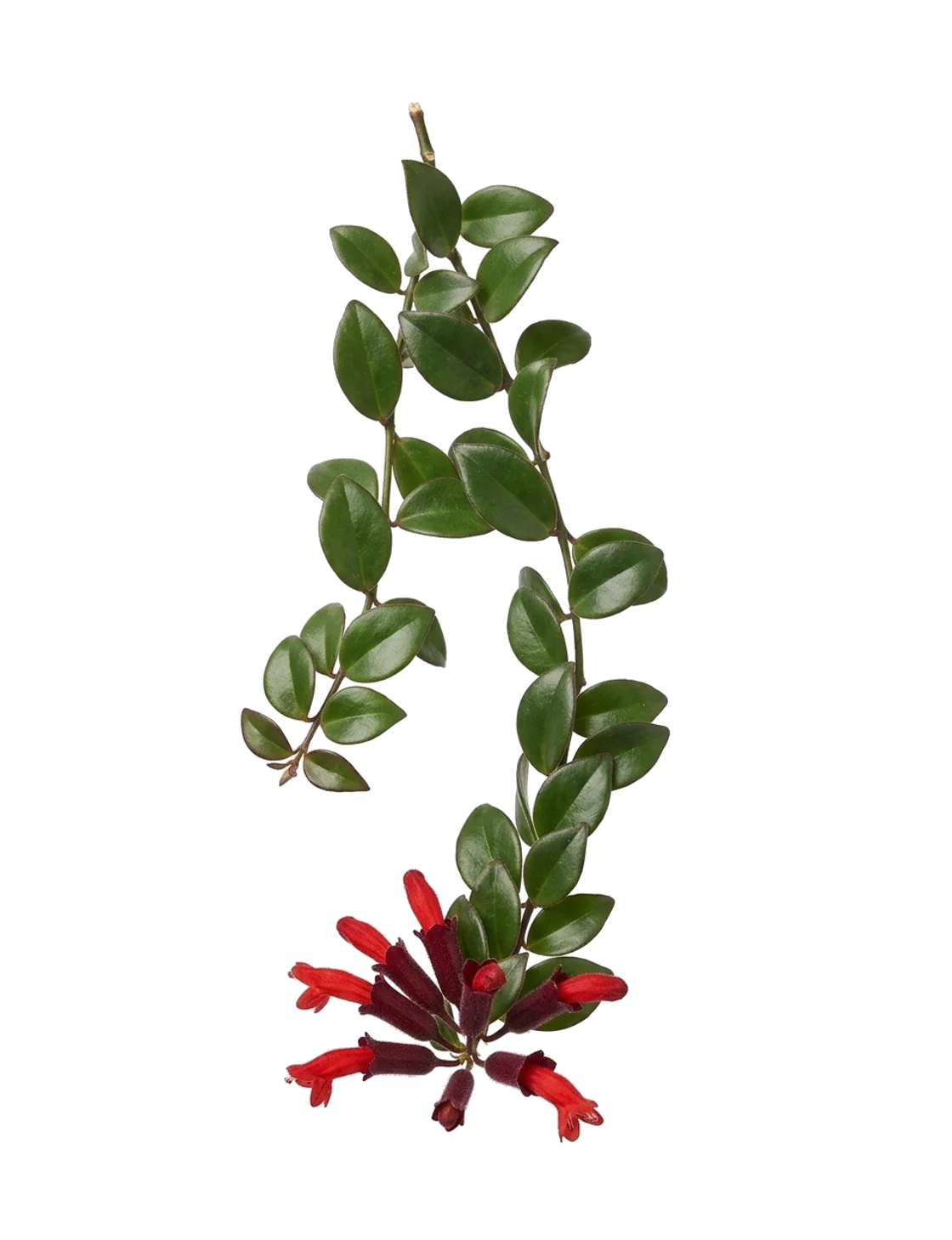
Lipstick plant (Aeschynanthus radicans) is a trailing plant with long stems and glossy, fleshy green leaves. It belongs to the Gesneriaceae family and comes from the tropical forests of Southeast Asia, where it grows as an epiphyte on trees. Its name comes from the tubular red flowers that emerge from dark calyces like lipsticks. New leaves emerge in pairs along stems that root wherever they touch moist bark.
It asks for bright, indirect light and moderate watering, letting the top layer dry between waterings. In winter it needs a cool rest, between 15 and 16 °C, with less water to trigger blooming. Overwatering rots the roots quickly, so drainage must be perfect.
It blooms at the stem tips in summer after a cool, bright winter. It tolerates pruning well, best done after flowering to keep the plant bushy. Its stems can pass one metre on mature plants, making it a showy choice for high baskets and tall shelves. Hang it where the stems can cascade freely.
Did you know?In the wild, its red flowers attract birds that pollinate them while seeking nectar.
Care. What it needs, point by point.
- Watering
- Water when the top layer of soil feels dry, never letting water stand at the bottom. Underwatering slightly beats overwatering, as the roots rot easily. In winter, water distinctly less often.
- Light
- IndirectIt needs bright, indirect light to flower, without direct midday sun. It tolerates some gentle morning sun.
- Temperature
- 18–26 °C ideal temperatureIt grows well between 18 and 26 °C in the growing season. In winter it needs a cool rest, between 15 and 16 °C, to flower.
- Soil
- Use a loose, airy mix with good drainage, such as an epiphyte blend with bark. Avoid heavy soils that hold too much water.
- Fertilizer
- 2 weeks between feedsFeed every two weeks in spring and summer with diluted liquid fertilizer. Stop feeding in autumn and winter.
- Pruning
- Prune after flowering to keep a compact shape and stimulate new shoots. Also remove bare, leafless stems.
- Propagation
- Propagate from stem cuttings in spring, set in warm, damp potting mix. They root readily if humidity is kept up.
Where it grows. In the wild and in homes.
In the wild it grows in Malesia and Indochina, in a wet tropical climate.
Range: Plants of the World Online, Royal Botanic Gardens, Kew
Is Lipstick plant toxic to cats and dogs?
The ASPCA doesn't list this species. If your pet has chewed it and seems unwell, call your vet.
Common problems What tends to go wrong.
- Overwatering
- Mealybugs and scale
- Too little light
- Dry air




Frequently asked questions What people ask most.
Why will it not flower?
The most common cause is a winter that is too warm or too dim. It needs a cool, bright rest with less water to set buds. Also give it plenty of indirect light through spring.
Why are the leaves falling?
Leaf drop usually follows overwatering, cold or drafts. Let the top layer dry between waterings and avoid sudden moves. Old lower leaves also shed naturally.
How and when should I prune it?
Prune right after flowering, shortening the long stems so it branches. Use clean scissors and never remove more than a third of the plant. The healthy trimmings work as cuttings.
How often should I water it?
Water when the top layer of soil feels dry, normally about once a week indoors. In winter, space waterings further apart, because with cold and dim light it needs less water. Always empty the saucer to prevent waterlogging.
Does it need high humidity?
It appreciates ambient humidity, but copes with normal household air when watering is right. In very dry rooms, mist now and then without wetting the flowers. A tray of damp pebbles helps too.