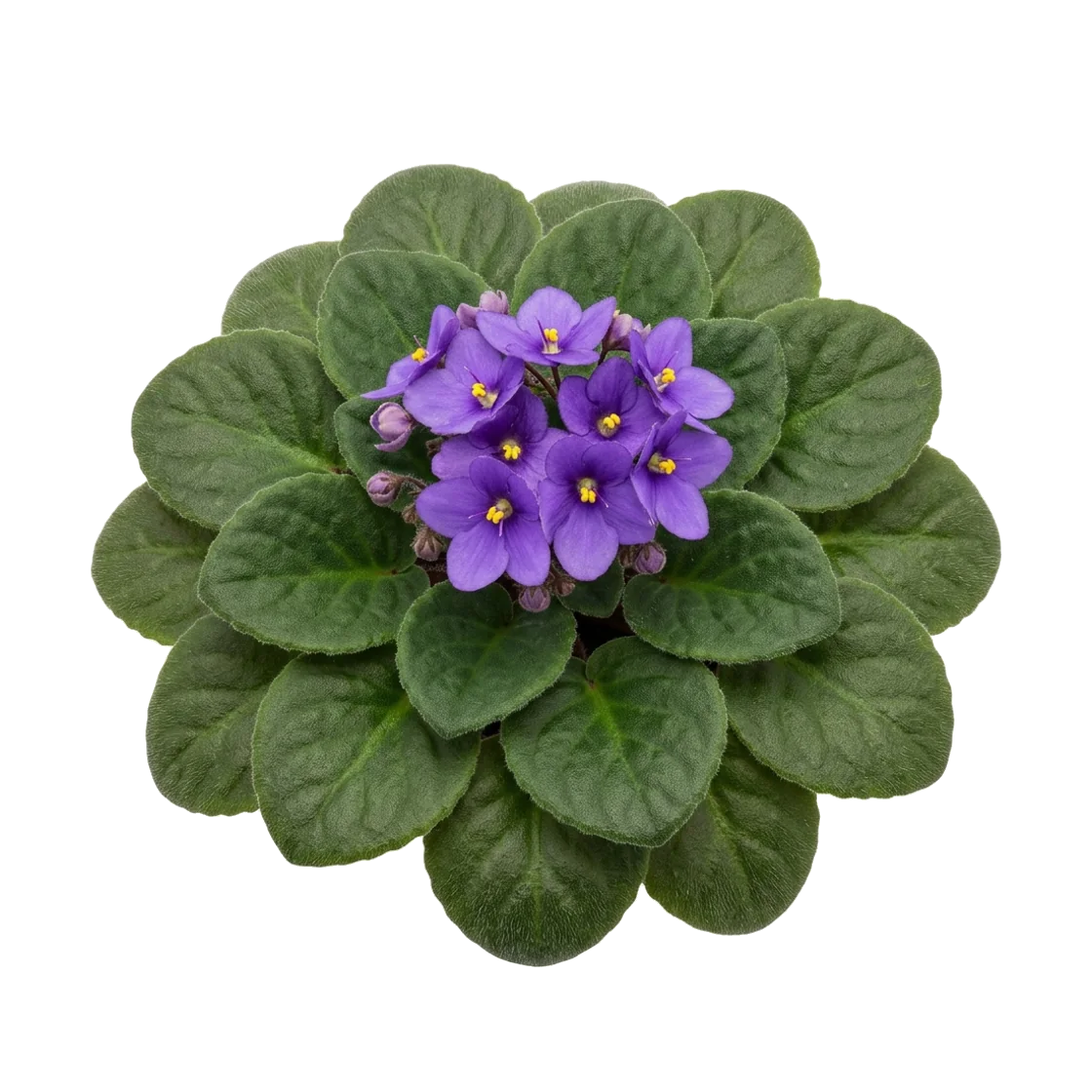
The African violet (Saintpaulia ionantha) is one of the most beloved and rewarding indoor houseplants, renowned for its compact habit and ability to bloom practically year-round. Its thick, velvety leaves form a symmetrical rosette that frames charming clusters of blossoms. Flowers range in hue from deep violet and royal purple to delicate pinks, bright whites, and striking bicolors.
While straightforward to maintain once settled, it has specific preferences regarding moisture and root aeration. The key to healthy growth is keeping the potting mix consistently damp without ever waterlogging the root system or wetting the fuzzy leaves. Cold water droplets resting on the foliage cause unsightly blemishes and invite fungal issues, making bottom watering the preferred hydration method.
African violets thrive in snug pots where root growth is slightly restricted, as this condition naturally encourages bud formation. Placed on a bright windowsill protected from harsh direct sun, this resilient little plant will reward your minimal efforts with nearly continuous floral displays for years.
Did you know?Despite its common name, the African violet is not related to true garden violets; it belongs to the Gesneriaceae family. In the wild, it grows in humid shaded rock crevices in coastal and cloud forests.
Care. What it needs, point by point.
- Watering
- 1× a weekWater roughly once a week during warm months and every ten to twelve days in winter, letting the top layer of soil dry out first. Water from the bottom by letting the pot sit in a saucer of room-temperature water for fifteen minutes, keeping the fuzzy leaves completely dry.
- Light
- IndirectProvide plenty of bright, indirect sunlight throughout the day to sustain blooming. Protect the plant from direct midday sun, which will quickly scorch the delicate foliage.
- Temperature
- 18–24 °C ideal temperatureMaintain a comfortable room temperature between 18 °C and 24 °C. Avoid cold drafts and temperatures dipping below 15 °C, which cause growth to stall immediately.
- Soil
- Use a light, airy, and slightly acidic mix made with equal parts peat moss or coco coir and perlite to guarantee prompt drainage.
- Fertilizer
- 2 weeks between feedsFeed with a balanced or high-phosphorus fertilizer formulated for African violets, diluted to half-strength, every two weeks while actively blooming.
- Pruning
- Pinch off spent blossoms and remove any yellowing bottom leaves at their base to deter pests and fungal infections.
- Propagation
- African violets propagate readily through individual leaf cuttings placed in moist potting soil or clean water. Tiny plantlets will emerge from the leaf stem within a few weeks.
Where it grows. In the wild and in homes.
In the wild it grows in tropical East Africa, in a seasonally dry tropical climate.
People have also taken it to one more region where it now grows on its own: the Caribbean.
Range: Plants of the World Online, Royal Botanic Gardens, Kew
Is African violet toxic to cats and dogs?
Non-toxic to cats and dogs.

Cats
Non-toxic

Dogs
Non-toxic
Source · ASPCA Animal Poison Control
Common problems What tends to go wrong.
- Root rot
- Overwatering
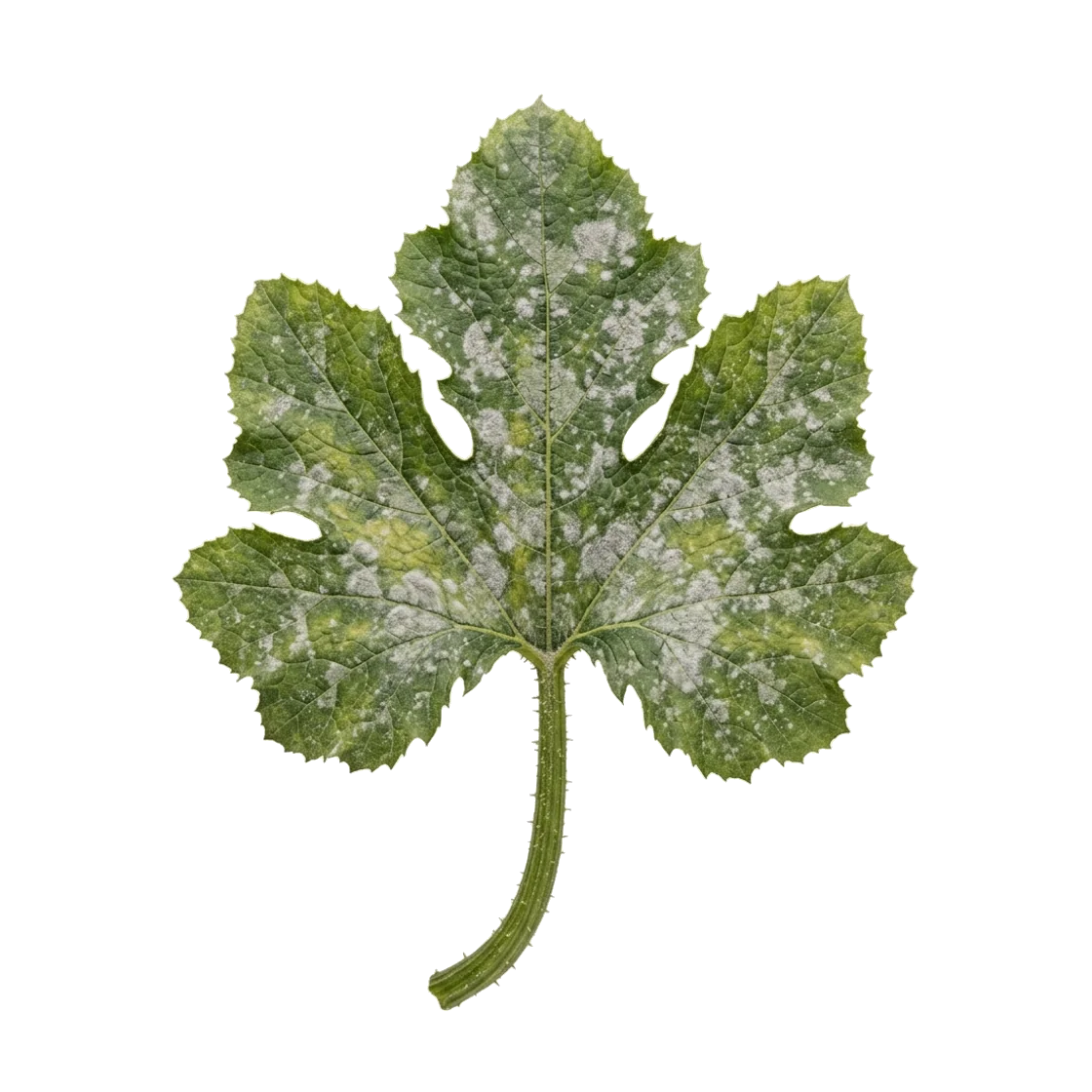
- Powdery mildew
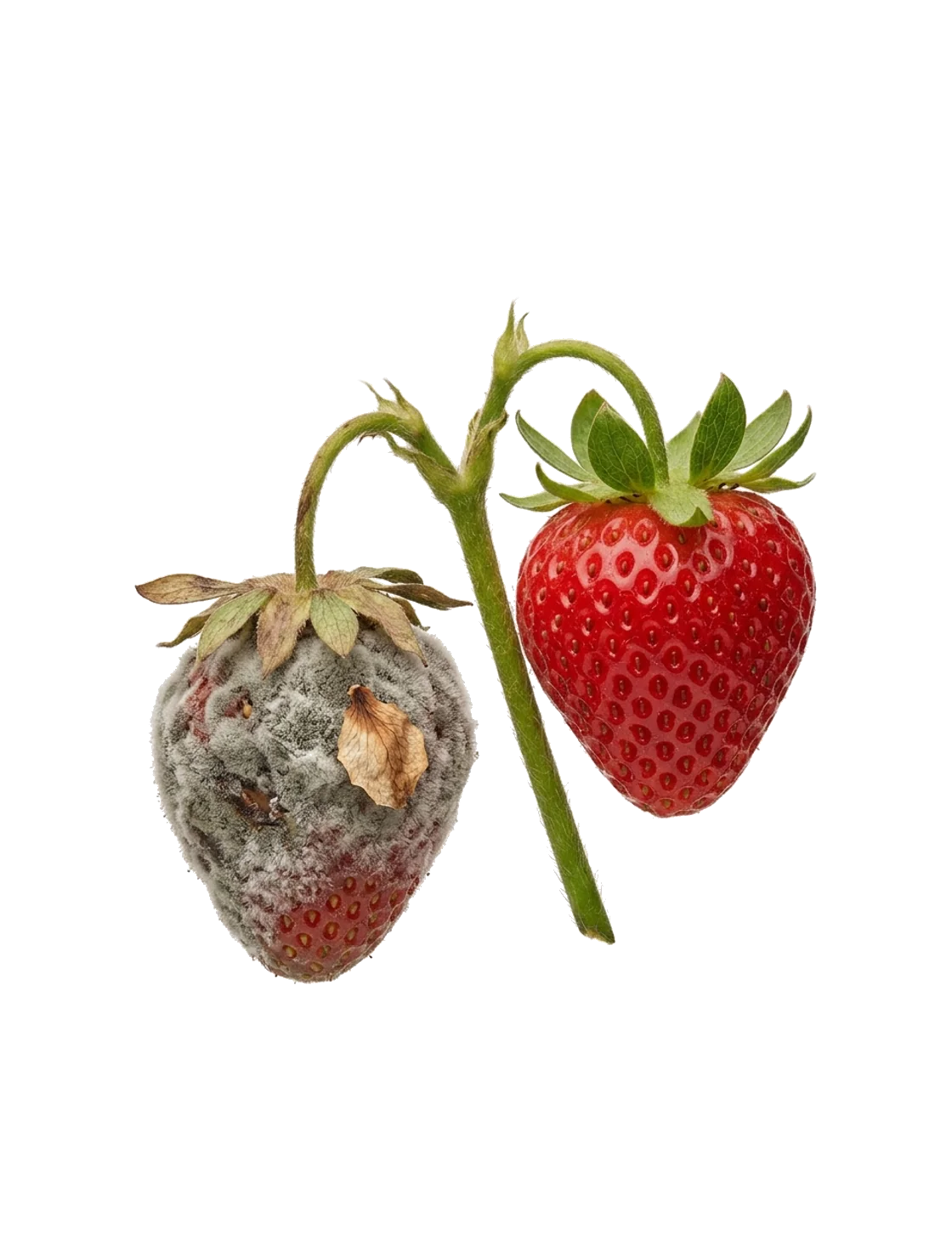
- Botrytis (grey mould)
- Mealybugs and scale



Frequently asked questions What people ask most.
Why is my African violet not blooming?
The primary reason is insufficient light; move the plant closer to an east- or north-facing window with plenty of bright, filtered light. A lack of phosphorus in the soil or an oversized container can also inhibit flower production.
What causes spots on the leaves?
Spots typically occur when cold water splashes directly onto the sensitive leaf surface during watering. Always apply room-temperature water and use bottom watering or a narrow-spout watering can under the leaf canopy.
When should I repot my plant?
African violets prefer being slightly rootbound to trigger continuous flowering, so repotting is only necessary every two years or so. Repot only when roots begin emerging from the drainage holes or when the lower stem develops a bare, elongated neck.
Why are the stems and crown rotting?
Crown rot is caused by persistent overwatering, poorly draining soil, or water sitting directly in the central rosette. Allow the soil to dry out moderately between waterings and never leave the pot sitting in standing water.