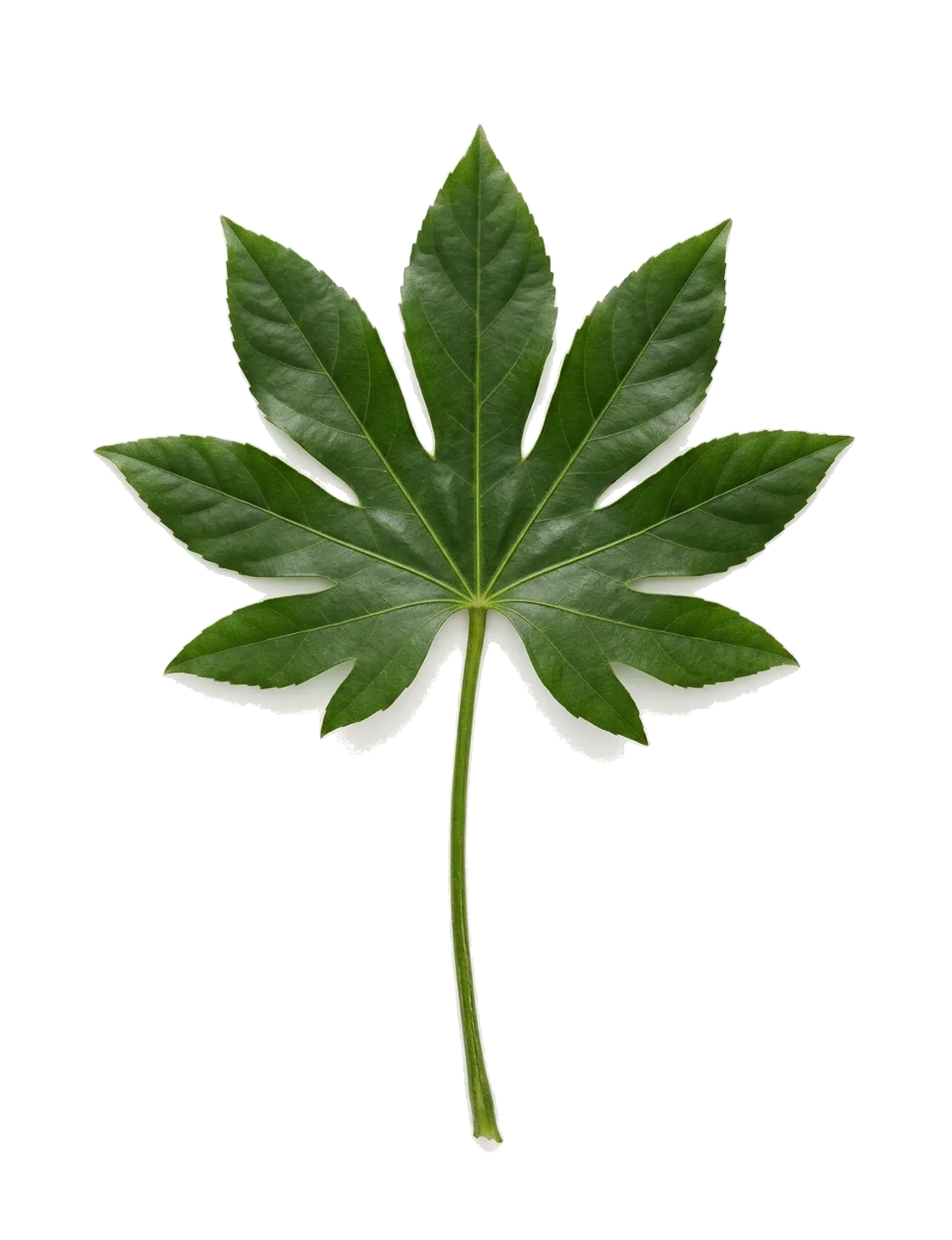
The Japanese aralia (Fatsia japonica) is an evergreen shrub celebrated for its bold, architectural silhouette and deeply lobed, glossy green leaves. Native to coastal woodlands throughout Japan and southern Korea, this plant creates an instant tropical atmosphere whether grown in a spacious living room or planted in a sheltered outdoor courtyard.
Indoors, it adapts readily to cool, bright rooms while demonstrating an impressive tolerance for lower light conditions compared to most broad-leaved houseplants. Outdoors, it thrives in partial to deep shade, appreciating protection from strong winds and harsh midday sun, which makes it a dependable choice for north-facing patios or sheltered borders.
Cultivating this species is pleasantly straightforward, making it an excellent candidate for beginners who want high-impact greenery without constant fuss. As long as you provide a well-aerated potting mix and avoid waterlogged conditions, Japanese aralia will sustain vigorous growth and tolerate cool winter temperatures far better than delicate tropical foliage plants.
Did you know?The name Fatsia derives from the old Japanese word for eight, 'fatsi', referring to the eight distinct lobes typically found on its mature leaves.
Care. What it needs, point by point.
- Watering
- 1–2× a weekWater thoroughly whenever the top 3 to 4 centimeters of soil feel dry to the touch, reducing moisture in the winter. During active spring and summer growth, watering once or twice a week is typically sufficient, ensuring any excess drains away freely.
- Light
- IndirectIt thrives in bright, indirect light or gentle partial shade, safely shielded from intense direct sunlight. While it tolerates dimmer spots inside the home, growth will be slower and leaves may become slightly smaller.
- Temperature
- 13–22 °C ideal temperatureAn ideal temperature range is between 13 °C and 22 °C, with established outdoor plants tolerating short spells near 0 °C. Protect the plant from sudden cold drafts or hot air coming from radiators.
- Soil
- Use a rich, peat-free potting compost amended with perlite or coarse bark to promote sharp drainage and root aeration.
- Fertilizer
- 3–4 weeks between feedsFeed with a balanced liquid foliage fertilizer every three to four weeks from spring through late summer.
- Pruning
- Prune away yellowing lower leaves at the stem base to tidy the canopy and encourage fresh, compact growth.
- Propagation
- Propagate by taking semi-ripe stem cuttings in late spring or summer and rooting them in moist compost or water. You can also start new plants from fresh seed sown under warm, humid conditions.
Where it grows. In the wild and in homes.
In the wild it grows in East Asia, in a subtropical climate.
People have also taken it to 7 more regions where it now grows on its own: Europe, Australasia, North America, and temperate Asia.
The Florami community has photographed it in España.
Range: Plants of the World Online, Royal Botanic Gardens, Kew
Is Japanese aralia toxic to cats and dogs?
Non-toxic to cats and dogs.

Cats
Non-toxic

Dogs
Non-toxic
Source · ASPCA Animal Poison Control
Gallery As the community sees it.
Photo · Fernando Losada Rodríguez · CC BY-SA 4.0
Common problems What tends to go wrong.
- Root rot
- Mealybugs and scale
- Spider mites
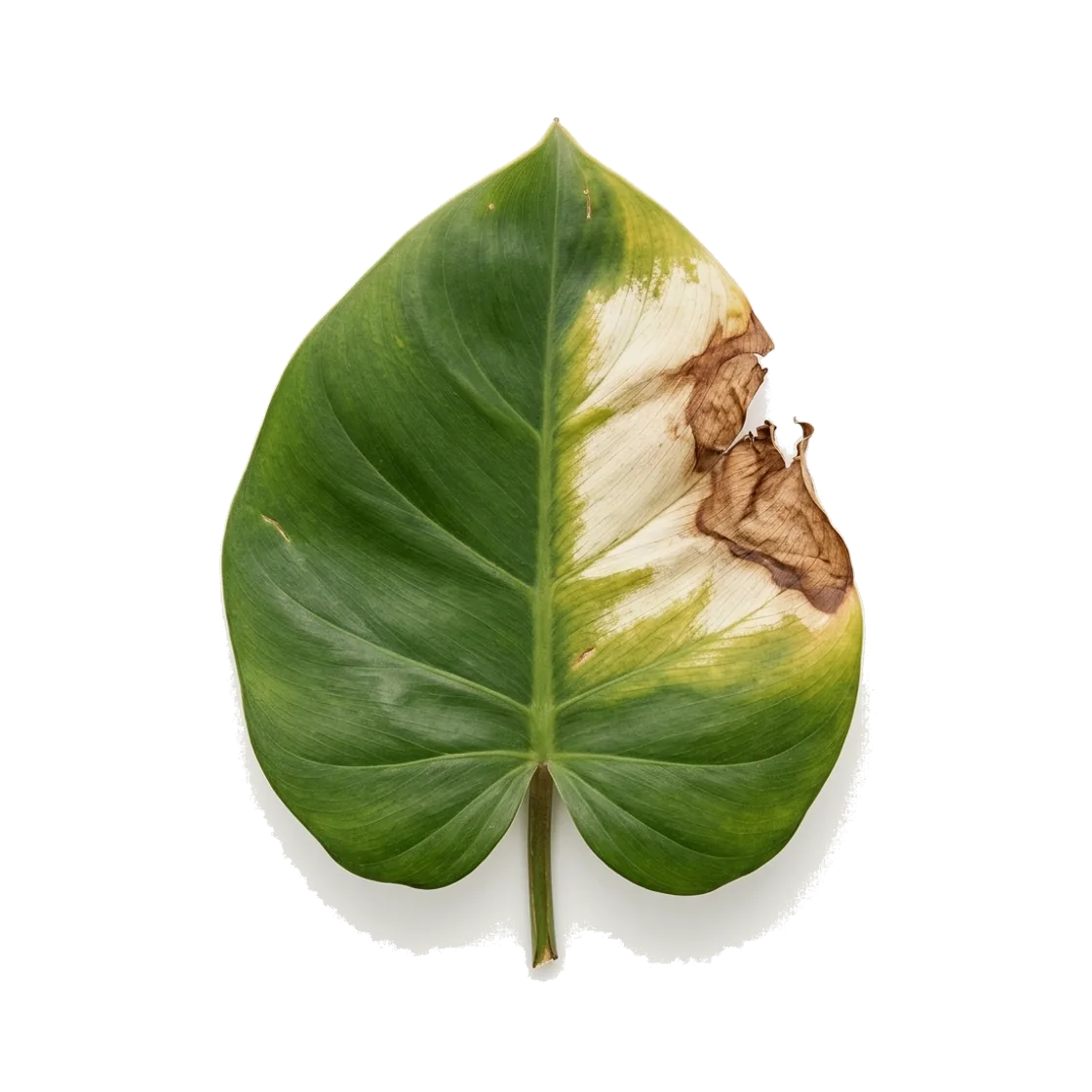
- Sunburn
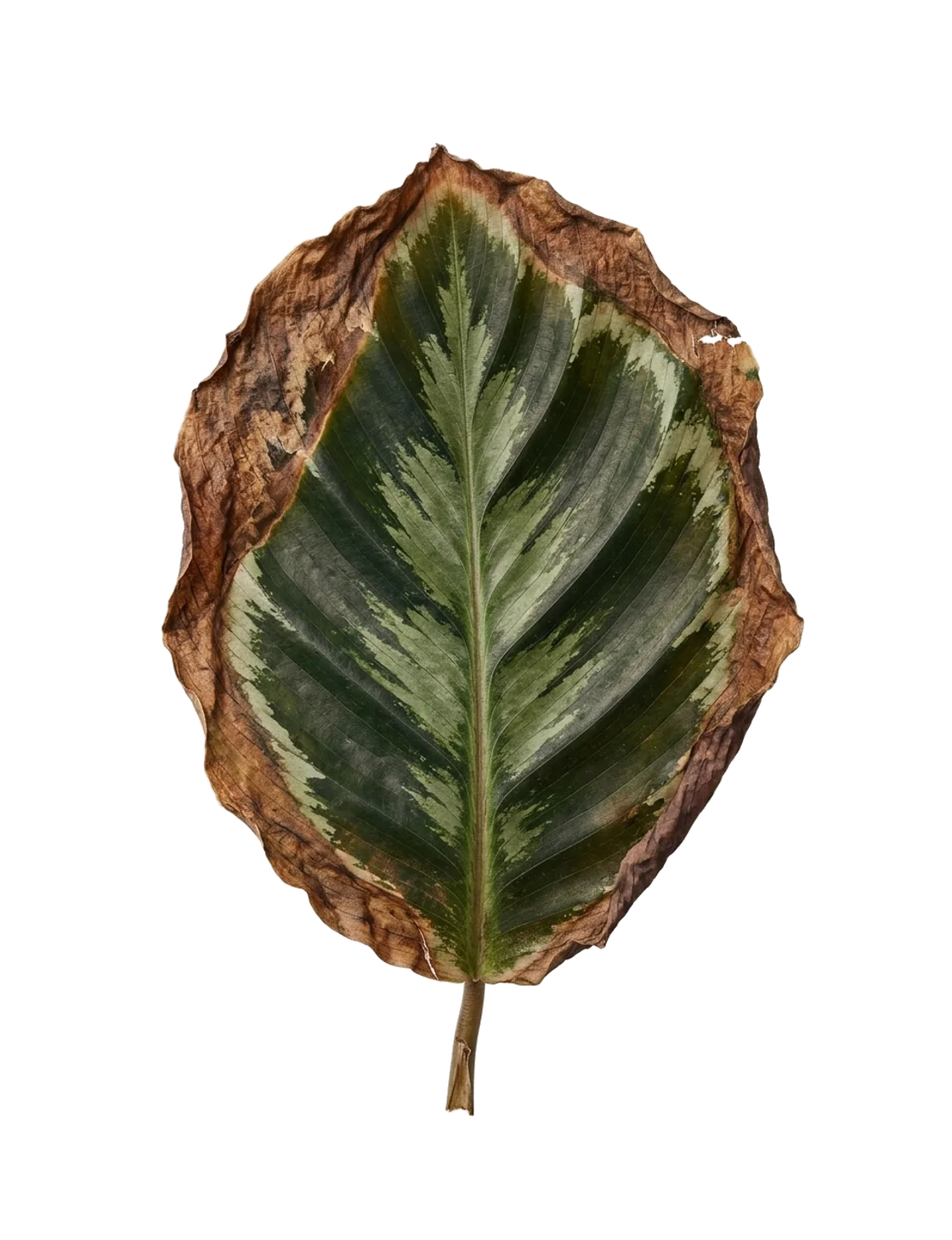
- Dry air



Frequently asked questions What people ask most.
Why are the lower leaves on my Japanese aralia turning yellow?
Lower leaves turning yellow and limp is commonly a sign of overwatering or poorly draining soil. Allow the top layers of soil to dry out between waterings and verify that the pot drains freely without sitting in standing water.
Can Japanese aralia tolerate full sun?
Direct sunlight is too harsh for its broad leaves and will cause bleached spots or brown scorch marks. Keep the plant in bright indirect light indoors or under partial shade when grown outdoors.
How do I fix brown leaf tips on my Fatsia japonica?
Crispy tips usually point to dry indoor air caused by central heating, or occasionally underwatering. Mist the leaves periodically or place the pot on a tray filled with pebbles and water to raise ambient humidity.
How often should I repot my plant?
Repot every two to three years in spring into a slightly larger container once roots begin circling the bottom. For large, mature specimens in bulky pots, refreshing the top layer of potting soil each spring is often enough.